The European Union is moving to impose its biggest single sanctions package on Russia since the full-scale invasion of Ukraine, targeting more than 1,600 people and entities tied to Moscow’s military-industrial base.
EU sanctions package targets Russia military industry
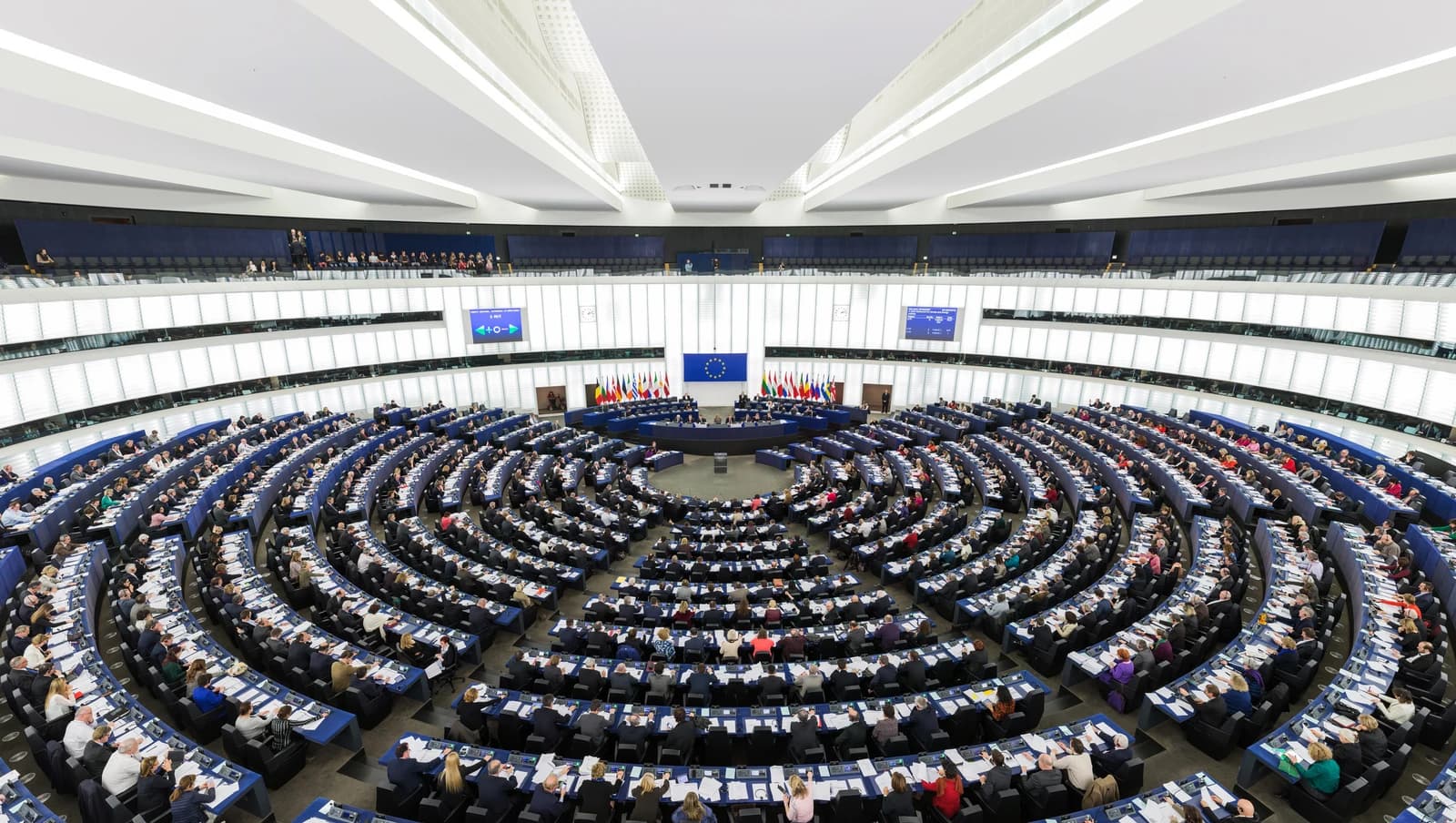
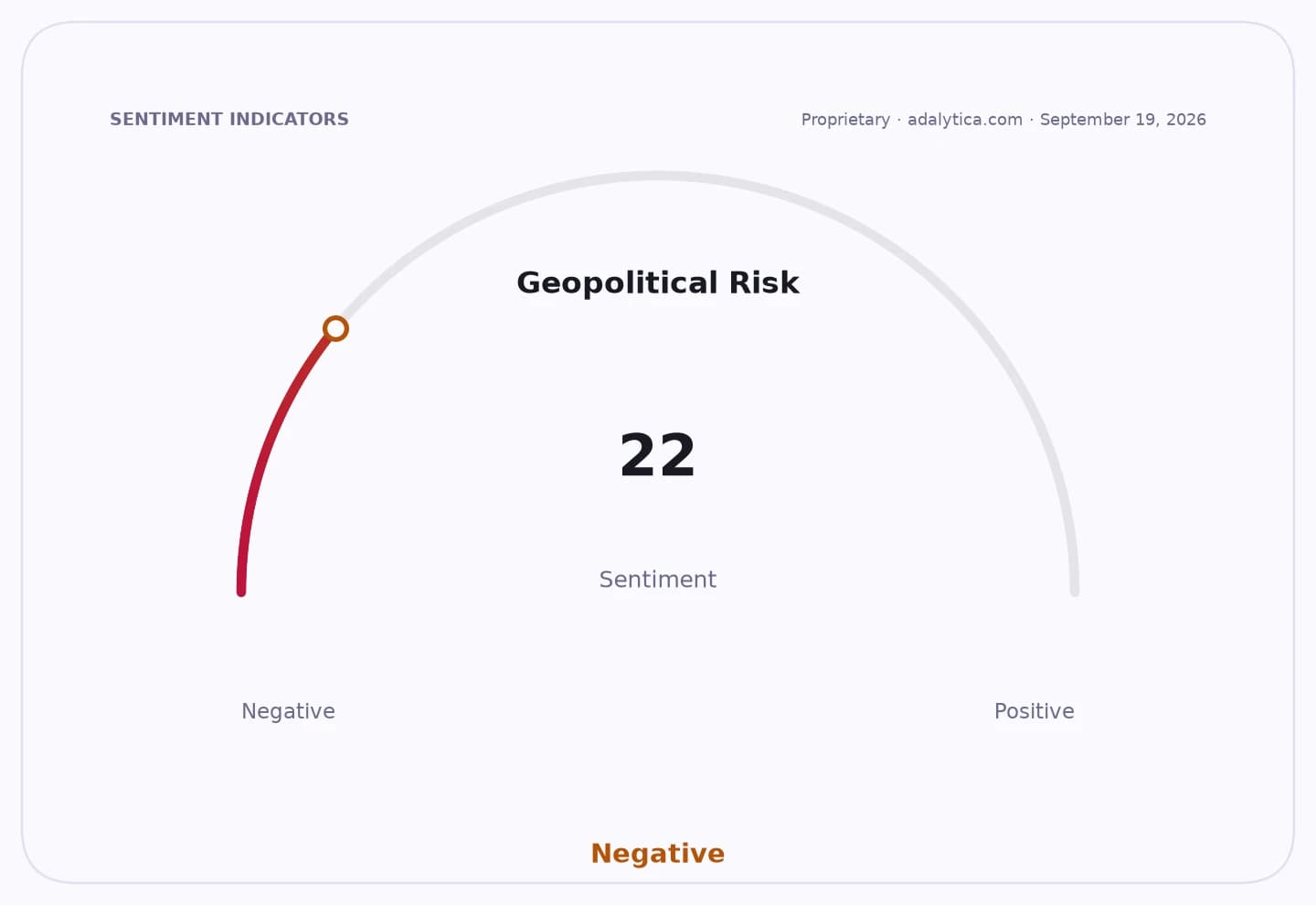
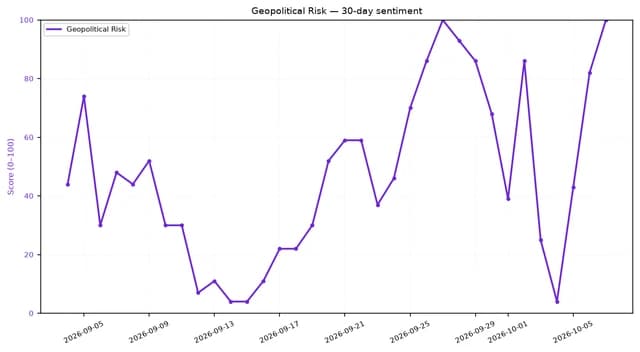
That matters because sanctions are not just a diplomatic signal. They are one of the West’s main tools for raising the cost of Russia’s war, narrowing access to money, technology and logistics, and making it harder for the Kremlin to sustain a prolonged conflict. For investors, the message is equally clear: geopolitical risk around Europe’s eastern flank is not fading, and every new escalation keeps pressure on energy markets, defense spending, and regional risk assets.
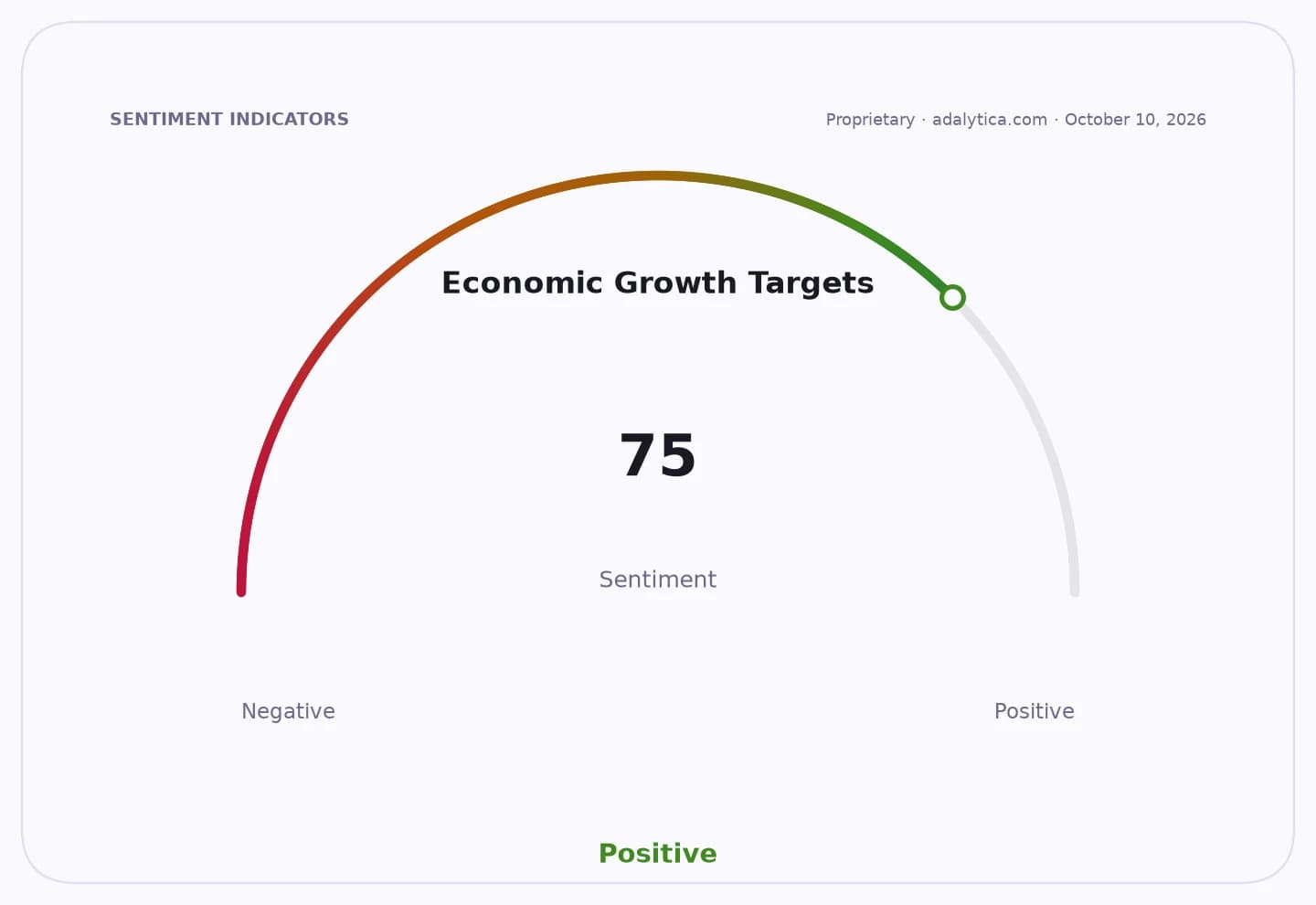
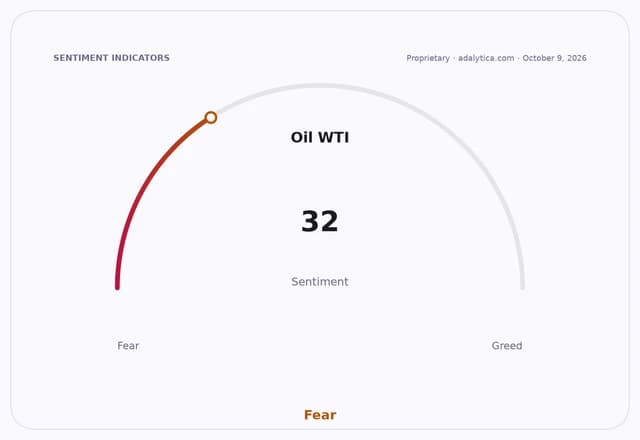
Sentiment IndicatorsⓘProprietary · adalytica.com · October 9, 2026
This is a snapshot — live sentiment, awareness and momentum for 130+ markets update continuously in the dashboard.Open AlphaPulse
EU ambassadors have already approved the package unanimously, but it still needs final formal sign-off from foreign ministers. Even so, the scale is striking. The list includes 743 individuals and 826 entities, plus 77 people accused of taking part in Russian elections held in occupied Ukrainian territory. The measures cover asset freezes, travel bans and restrictions on providing funds.
The breadth of the list also tells you where Brussels is aiming. According to the Ukrainian outlet cited in the reports, the sanctions reach across shipyards, aviation companies, electronics makers, armored-vehicle repair facilities and space-industry firms. In other words, the EU is not only going after oligarchs and officials; it is trying to choke off the industrial ecosystem that supports Russia’s war machine.
That is economically important for Russia because modern warfare depends on supply chains, imported components and financial plumbing just as much as battlefield momentum. Over time, tighter restrictions can raise replacement costs, reduce productivity and force the state to spend more to keep key sectors running. For a war economy already operating under strain, that kind of pressure compounds.
For investors, the near-term market effect is less about one sanctions vote than about what it says regarding the policy backdrop. Europe is still willing to tighten the screws, even as political pressure builds in some countries to ease up. That keeps sanctions risk alive for companies with exposure to Russian trade, payment channels, shipping, industrial inputs and energy flows.
It also matters because war and sanctions continue to feed into broader macro conditions. Russian attacks on Ukraine’s energy infrastructure and Kyiv’s calls for more pressure on Moscow have raised the stakes heading into winter. Any sign that sanctions could be loosened tends to be read in Moscow as room to keep fighting, which is why this package is likely to be interpreted in the Kremlin as a warning against that assumption.
Market reaction to these headlines is usually second-order, but the structural winners and losers are easy to spot. Defense suppliers, security contractors and some energy producers tend to benefit when geopolitical risk stays elevated. European manufacturers, commodity importers and firms with lingering Russia exposure face the opposite: more compliance costs, more uncertainty and fewer easy pathways to business as usual.
For long-term investors, the lesson is to treat this as part of a larger regime shift. Europe is adapting to a world where security policy and industrial policy are increasingly intertwined. That favors companies tied to defense, resilience, logistics security and energy independence, while keeping a lid on any quick return to prewar assumptions about Russia. The package still needs final approval, but the direction of travel is already clear: the sanctions wall is getting higher, not lower, and that is worth watching closely.
| Entity | Gains | Losses |
|---|---|---|
| EU defense and security firms | ▲Higher spending demand | ▼None directly |
| Russia’s military-industrial base | ▲None | ▼Asset freezes, funding limits |
| European exporters with Russia ties | ▲Policy clarity | ▼Compliance risk |
| Energy and commodity bulls | ▲Geopolitical premium | ▼Lower hopes for détente |