Russia has renewed its warning to foreign nationals and diplomats not to remain in Ukraine, underscoring the elevated risk of further strikes and the fragility of any remaining diplomatic or commercial presence in the country.
Russia warns foreigners to leave Ukraine
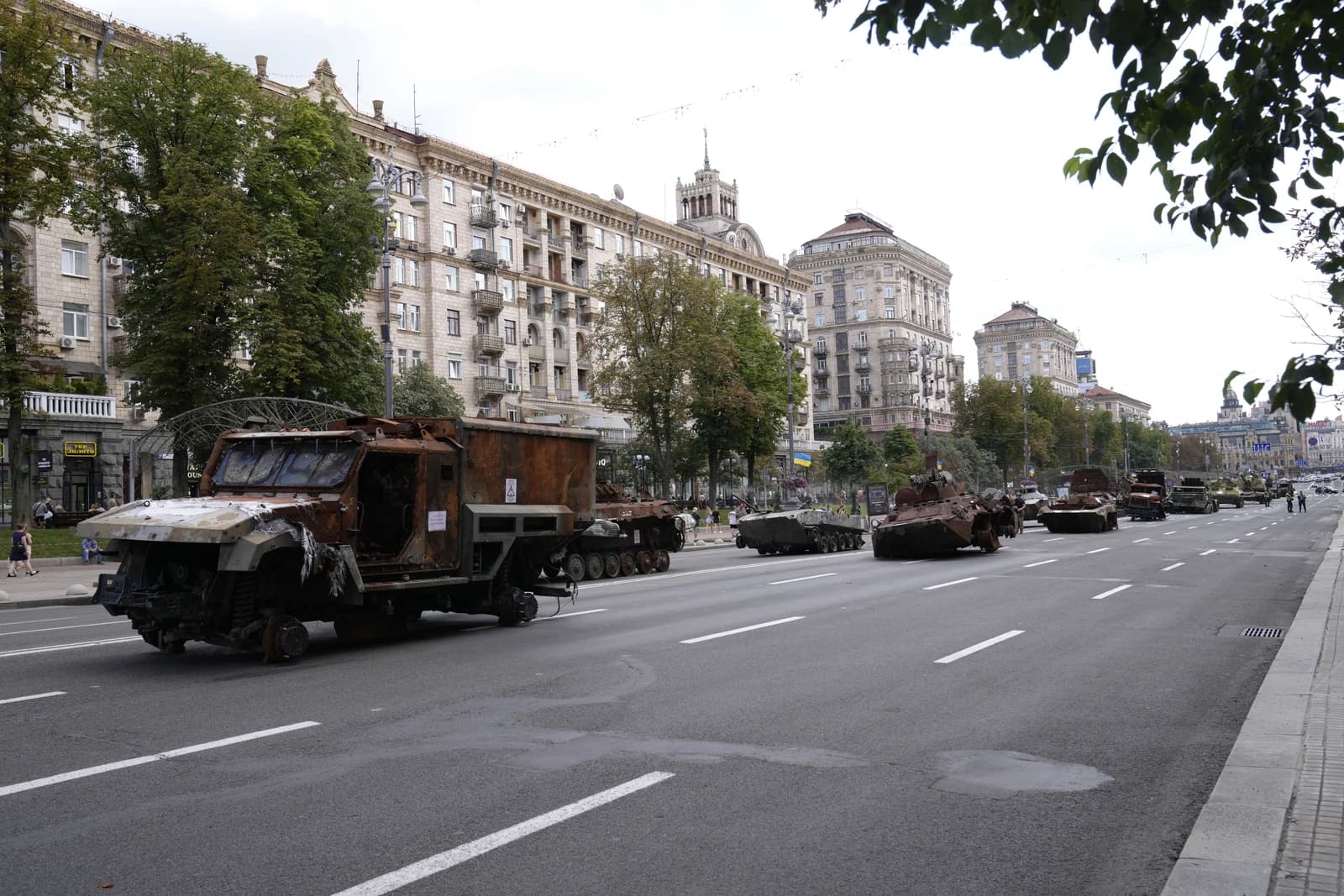
The warning matters because it is not just rhetoric: Moscow said it will continue “large-scale retaliatory strikes” on military targets in Kyiv and other Ukrainian cities, while explicitly telling those near military sites to leave. For businesses, embassies and aid groups, that raises the operational cost of staying in the country and increases the probability of disruption to logistics, communications and personnel safety.
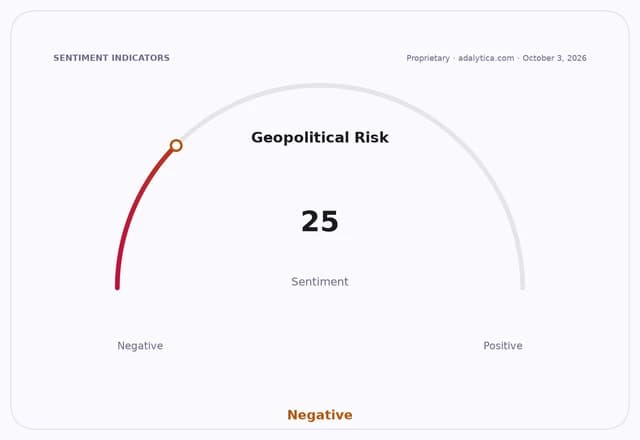
The Russian foreign ministry said the responsibility for any negative consequences would rest with those who ignore the warning. It repeated earlier advice for foreign diplomats and other foreigners to avoid Ukraine, and specifically Kyiv. That message arrives amid a broader deterioration in security sentiment around the war, with Russia and NATO also locked in a sharper standoff over Kaliningrad and other fronts.
For investors, the immediate market impact is less about direct asset pricing than about the wider risk premium attached to Europe’s eastern flank. Renewed warnings of strikes reinforce the likelihood of more military escalation, which can keep defense spending elevated, sustain pressure on European risk assets and energy markets, and complicate any diplomatic path toward de-escalation. Any escalation that threatens infrastructure or transport corridors would be especially relevant for commodity flows, insurance costs and regional supply chains.
The message also signals that foreign governments are likely to keep their own travel advisories tight. The ministry noted that several countries, including the U.S., Britain, EU states, Norway and Switzerland, already warn citizens against travel to Ukraine, even as some embassies remain open in Kyiv and officials continue to visit. That suggests the diplomatic footprint is being maintained, but under increasingly constrained conditions.
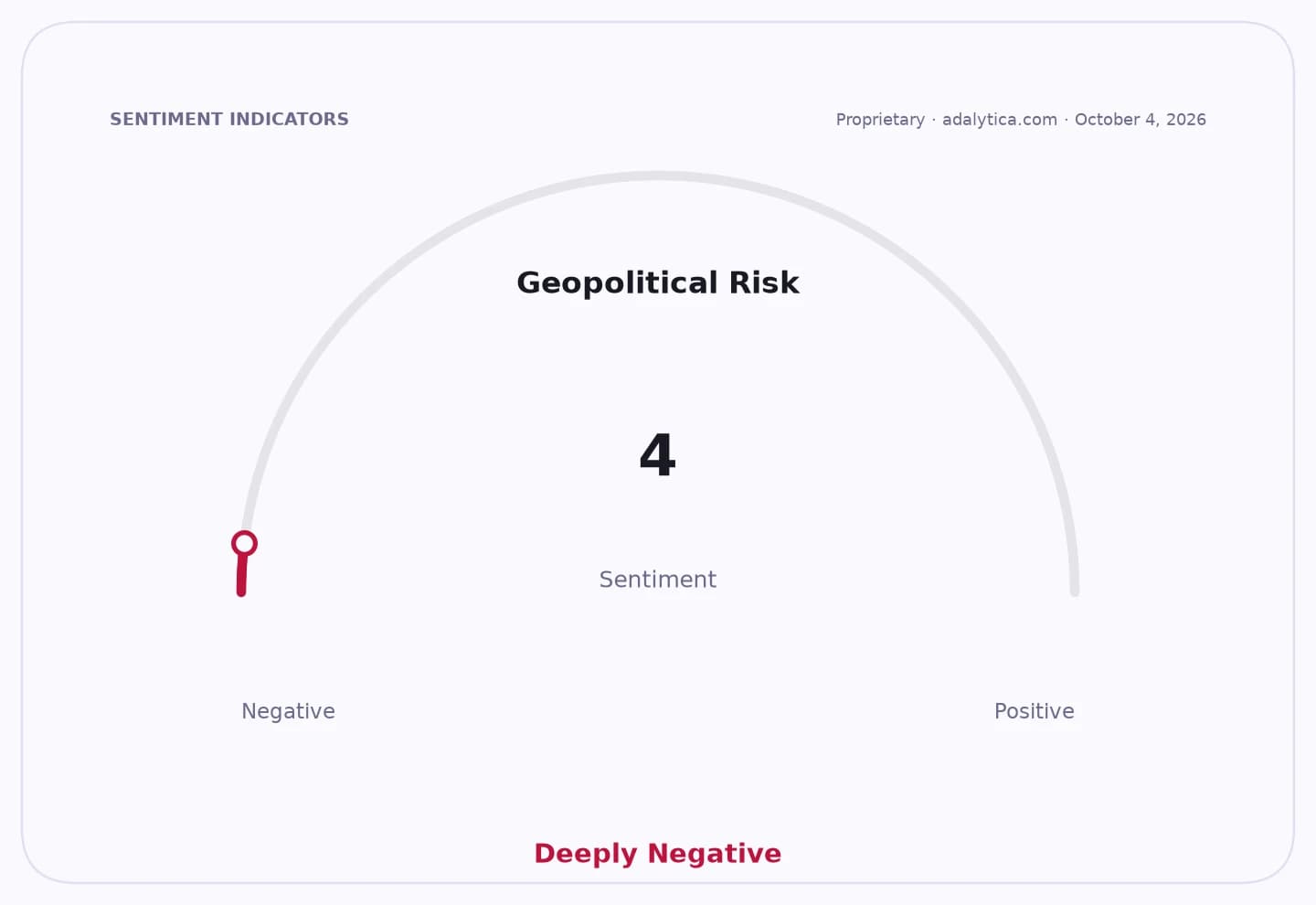
With both the battlefield and the diplomatic environment turning more hazardous, the main investor takeaway is that the war remains a live tail risk for European markets rather than a frozen conflict. The longer Moscow sustains its warning-and-strike posture, the harder it becomes for markets to assume stabilization in the region.
| Entity | Gains | Losses |
|---|---|---|
| Russia | ▲Tactical pressure on Kyiv | ▼Diplomatic credibility |
| Ukraine | ▲International attention | ▼Security conditions |
| Foreign embassies/NGOs | ▲Clearer threat guidance | ▼Operating flexibility |
| European risk assets | ▲— | ▼Higher geopolitical risk premium |