Lithuania and Poland are mapping out a cross-border civilian evacuation plan that underscores how seriously NATO’s eastern flank is taking the risk of a regional crisis.
Lithuania and Poland map civilian evacuation plan
That is not just a civil defense exercise. It is a signal that the Baltic states and Poland are treating logistics, border infrastructure and transport capacity as strategic assets in their own right, with implications for defense spending, emergency preparedness and the kinds of companies and sectors that could benefit as Europe hardens its front line.
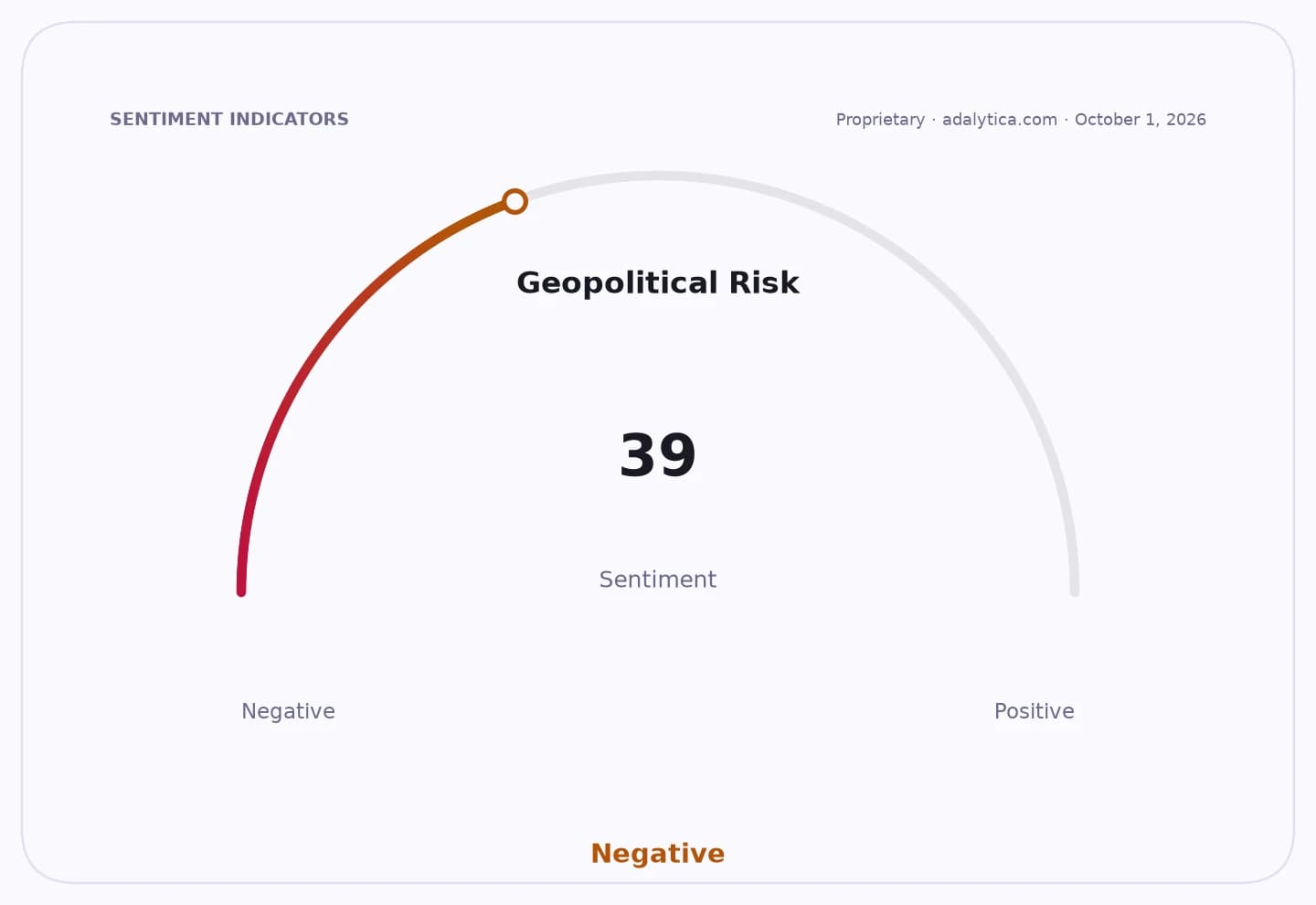
Sentiment IndicatorsⓘProprietary · adalytica.com · October 1, 2026
This is a snapshot — live sentiment, awareness and momentum for 130+ markets update continuously in the dashboard.Open AlphaPulse
Lithuania’s crisis management chief Vilmantas Vitkauskas said officials are reviewing border infrastructure, logistics capabilities and cross-border transport options to create a final plan. Poland’s defense minister Wladyslaw Kosiniak-Kamysz has already said his country would help evacuate civilians from Lithuania if needed, calling assistance a matter of “dignity and humanity.”
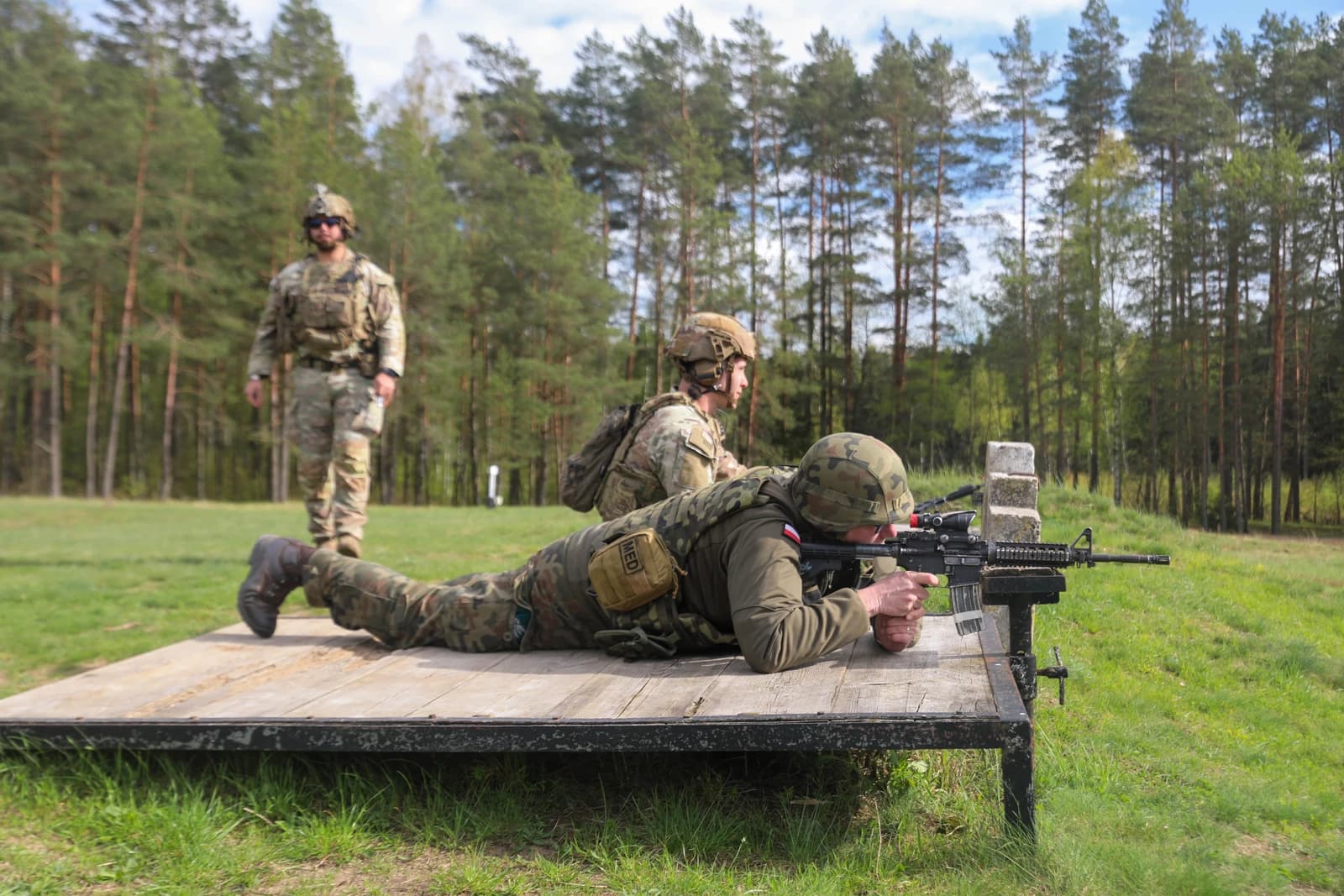
The timing matters. Lithuania has launched its annual crisis-response drills, and Poland is participating. The exercise is testing evacuation procedures through the Suwałki Corridor, the narrow stretch of land between Belarus and Russia’s Kaliningrad enclave that is widely viewed as one of NATO’s most vulnerable geopolitical pressure points. Lithuania, Latvia and Estonia are also boosting defense spending after Russia’s 2022 invasion of Ukraine reset the security calculus across the region.
For investors, the significance goes beyond the headline risk. Once governments begin rehearsing mass civilian movement across borders, the market should expect more spending on dual-use infrastructure: roads, rail, telecoms, energy resilience, cybersecurity and logistics. Those are the toll roads of modern geopolitics. The companies that build, secure and move critical infrastructure tend to benefit when states stop treating resilience as optional.
The Baltic drill also puts a spotlight on second-order winners. Defense contractors, communications firms, transport operators, industrial suppliers and emergency-services providers all stand to gain if Europe continues to convert strategic anxiety into budgeted capex. At the same time, the development is a warning that the region’s asset classes remain exposed to any escalation that disrupts trade routes, power systems or border mobility.
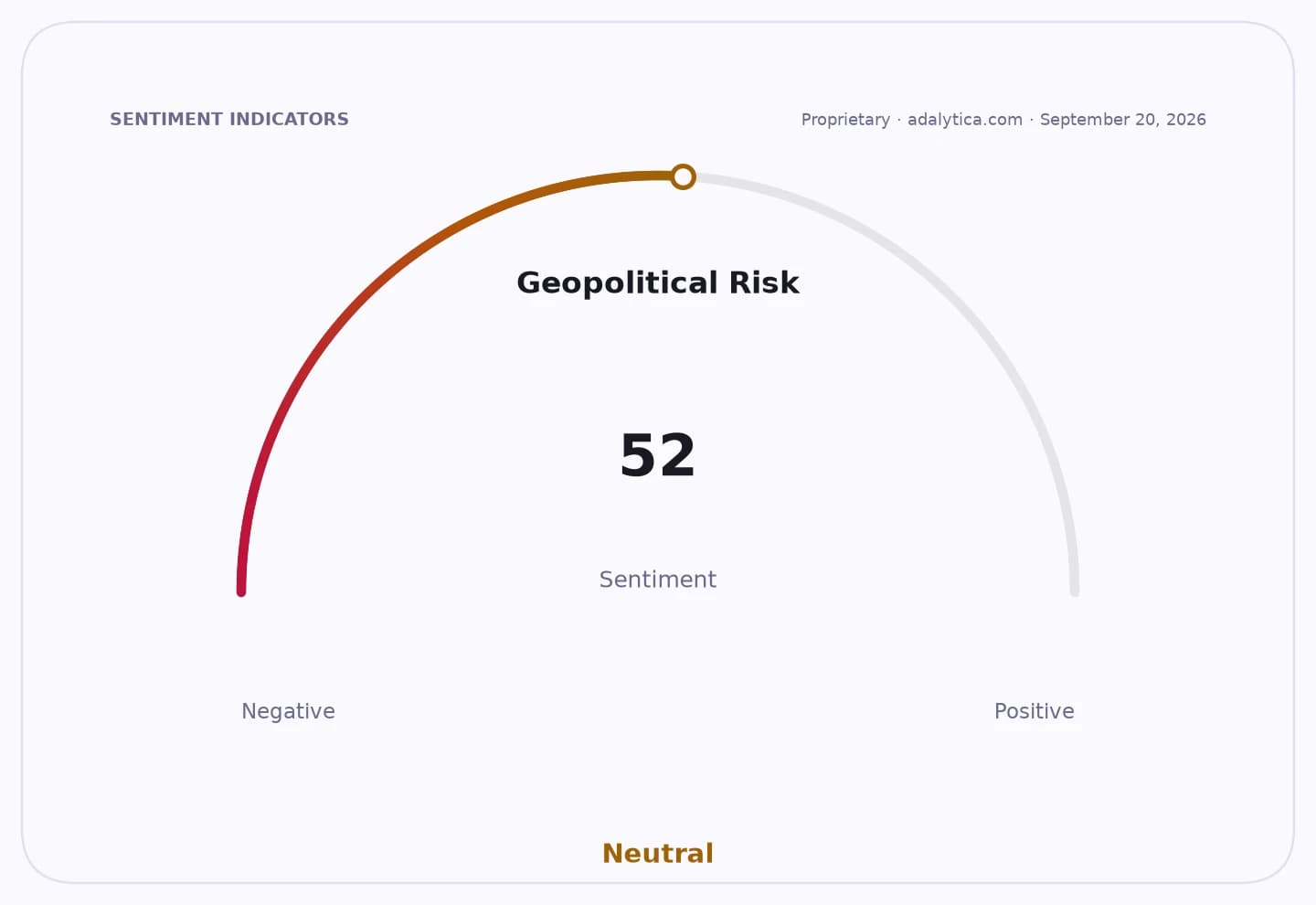
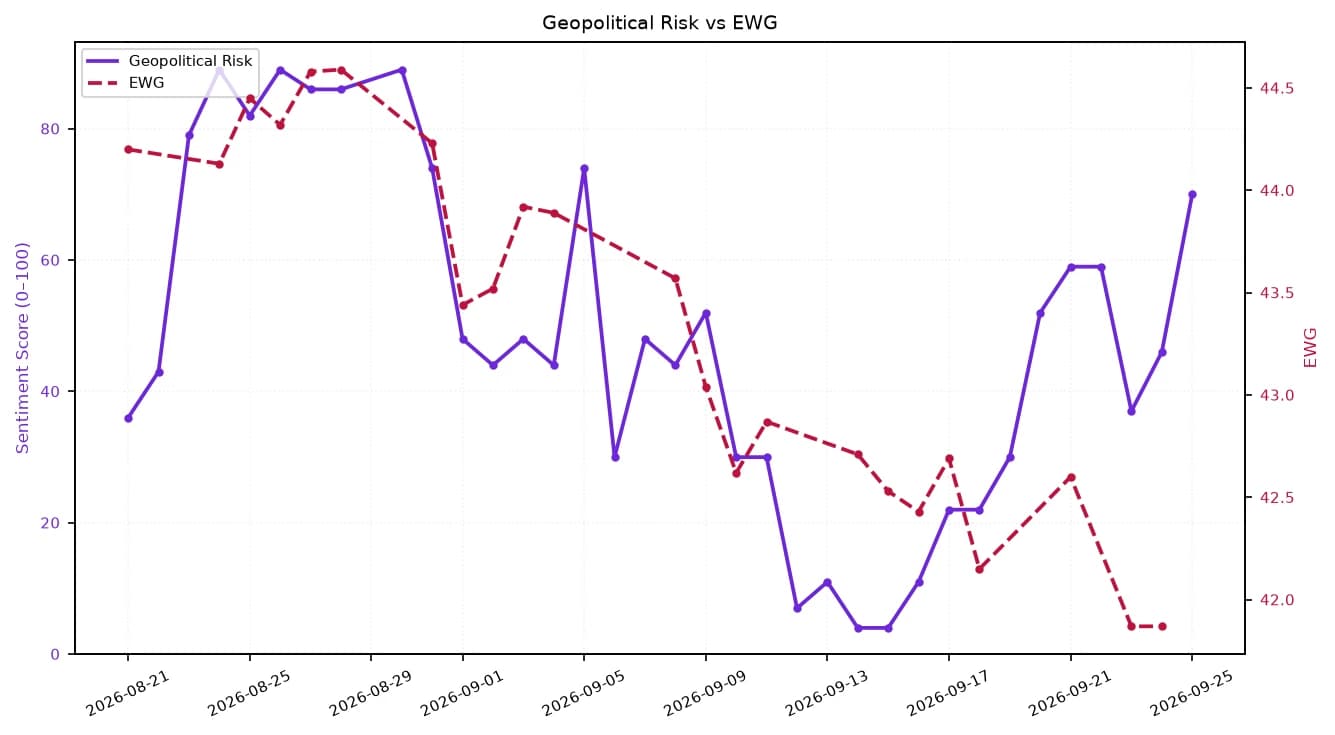
Adalytica’s Global Stability Sentiment gauge remains neutral, but its “awareness” reading sits at extreme fear, a reminder that markets are alert to tail risks even if they are not yet pricing a full-blown crisis. The euro’s trade-signal reading is also flashing extreme fear, reflecting how quickly risk appetite can deteriorate when geopolitical stress rises on Europe’s doorstep.
Our thesis is simple: the market underestimates how quickly defense readiness turns into infrastructure spending. This is not only about avoiding worst-case outcomes. It is about positioning for the secular buildup in European resilience assets that follows every new reminder that the continent’s eastern border is no longer a theoretical fault line.
The immediate catalyst is the evacuation plan itself. The bigger story is the investment regime it accelerates. As NATO’s eastern flank prepares for scenarios it would rather never face, the clearest opportunity is in the companies and funds tied to security infrastructure, logistics and border resilience before that trade becomes consensus.
| Entity | Gains | Losses |
|---|---|---|
| Poland & Lithuania | ▲Greater crisis readiness | ▼Higher security burden |
| Defense contractors | ▲More procurement demand | ▼Normalized peacetime budgets |
| Logistics & infrastructure firms | ▲New resilience spending | ▼Margin pressure from urgency |
| Regional equities & euro assets | ▲Better preparedness premium | ▼Escalation risk |