Poland is stepping up border defenses, civil-warning systems and refugee contingency planning as Russian strikes push closer to its frontier with Ukraine and Warsaw braces for a possible new wave of displaced people.
Poland Steps Up Border Defenses Near Ukraine
The move matters economically because a broader escalation would strain border infrastructure, logistics corridors and local public services in a country that has already absorbed millions of Ukrainians since 2022. It also matters for markets because Poland is a key transit route for Western military and humanitarian aid to Kyiv, and any disruption there would ripple through supply chains, transport links and regional risk sentiment.
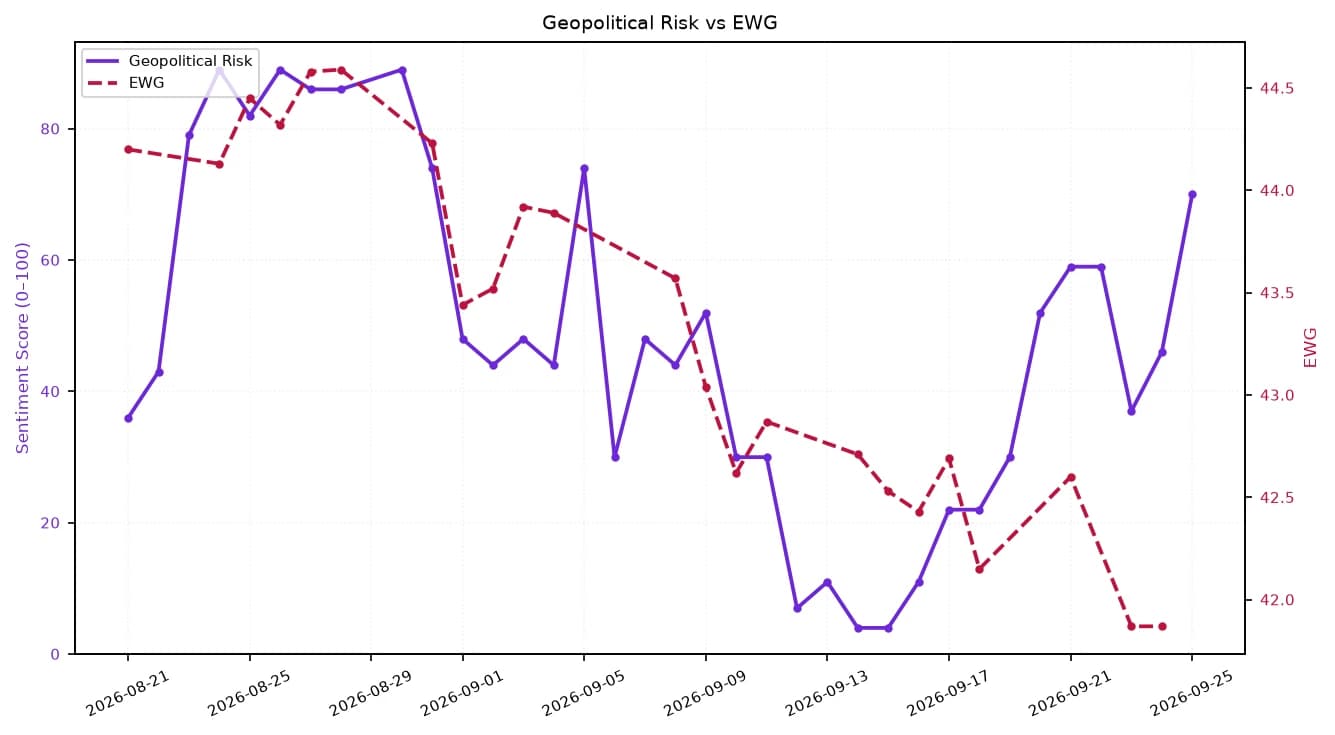
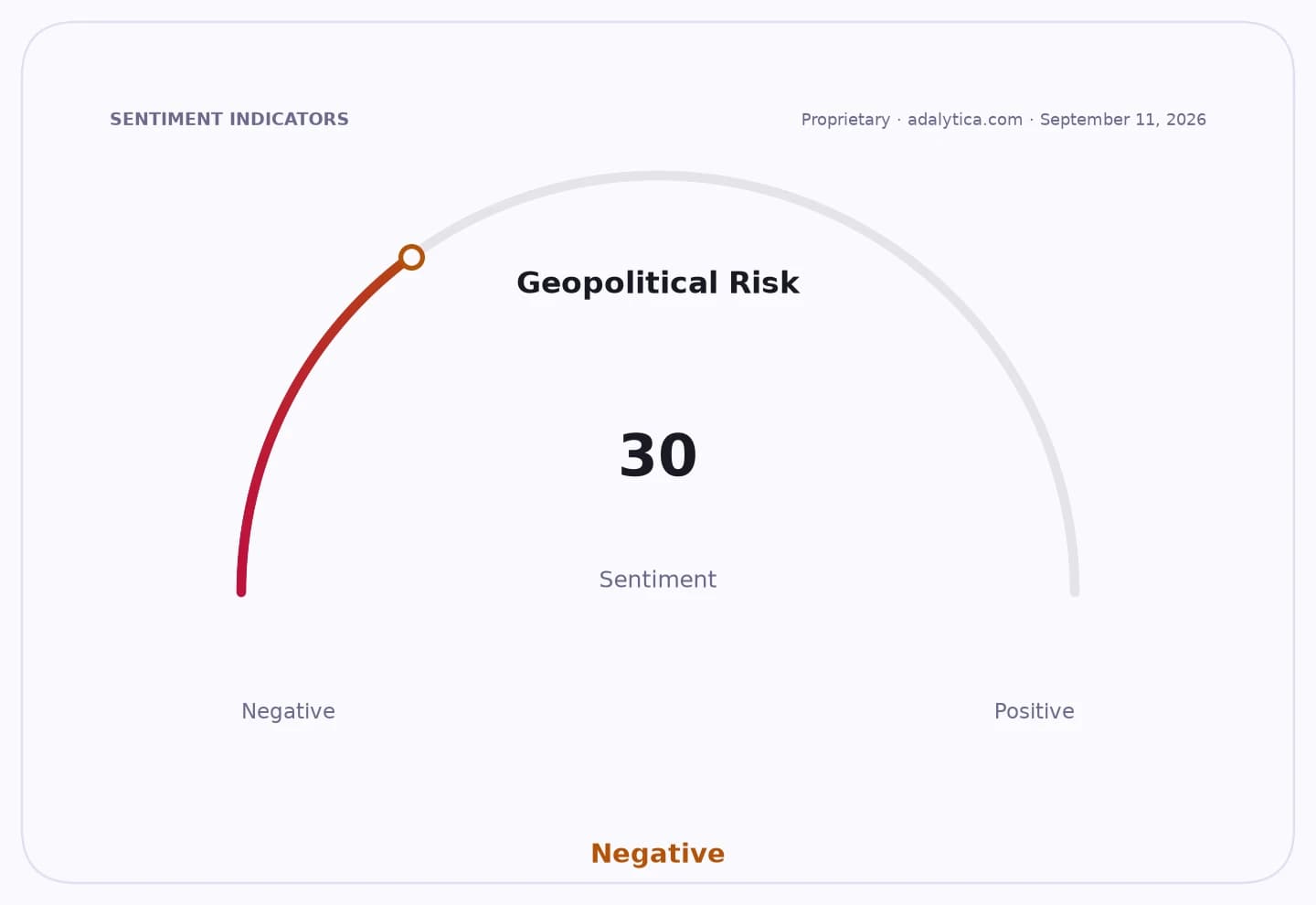
Sentiment IndicatorsⓘProprietary · adalytica.com · September 25, 2026
This is a snapshot — live sentiment, awareness and momentum for 130+ markets update continuously in the dashboard.Open AlphaPulse
Officials from Poland, Lithuania and Latvia met in early September to coordinate cross-border evacuation plans under a joint civil-protection effort called MassMovement, reflecting concern that a major crisis could hit several NATO and EU states at once. The discussions covered evacuation routes, border-crossing operations, reception facilities and registration systems, underscoring how the war is spilling into broader contingency planning across the eastern flank.
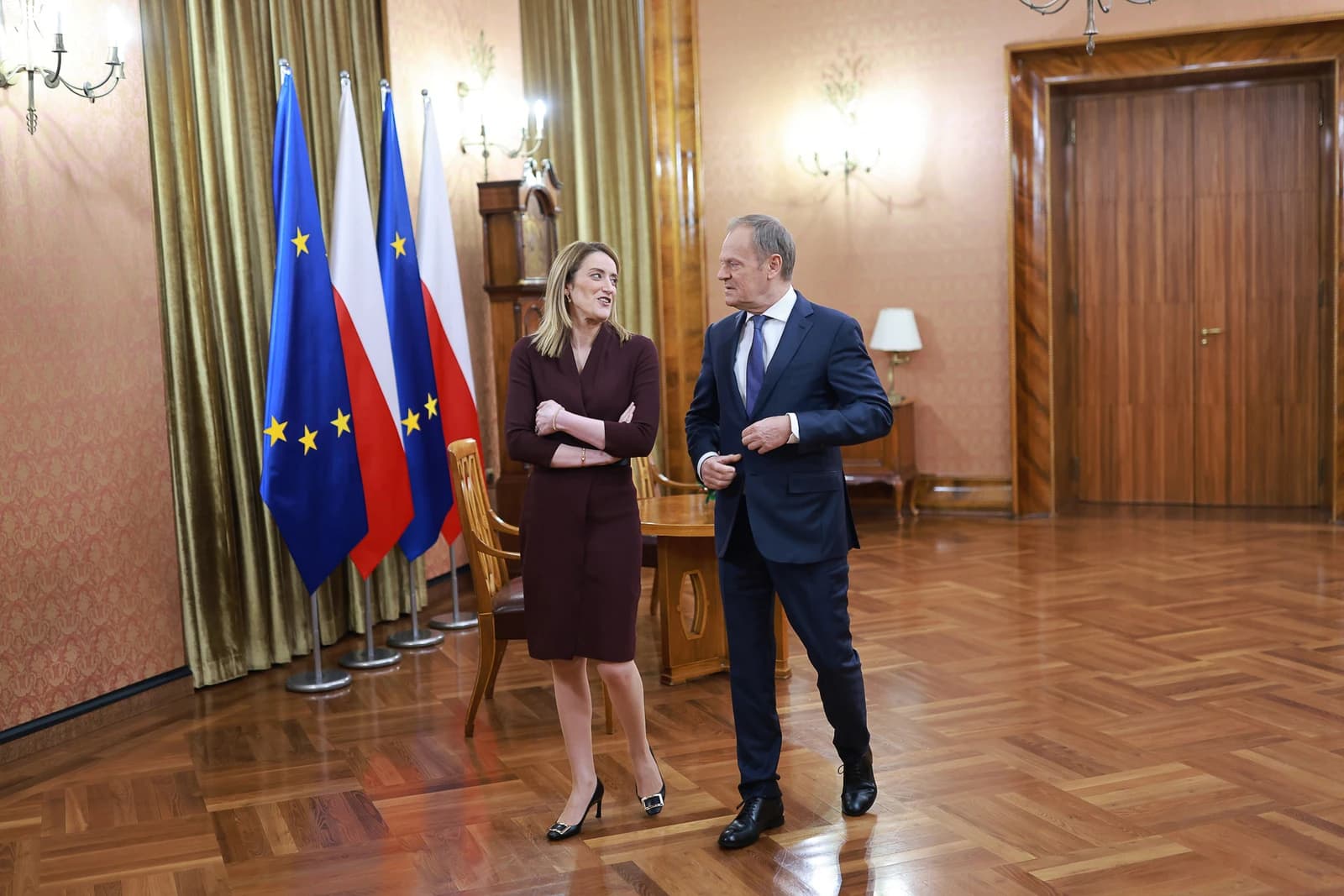
Warsaw’s anxiety has risen after Russian drones hit targets in Yagodyn in western Ukraine, only a few kilometers from Poland, including one strike near a fuel station and another on a train. Polish Prime Minister Donald Tusk has said the coming weeks and months will be difficult for both Ukraine and Poland and has not ruled out the war spreading onto Polish territory.
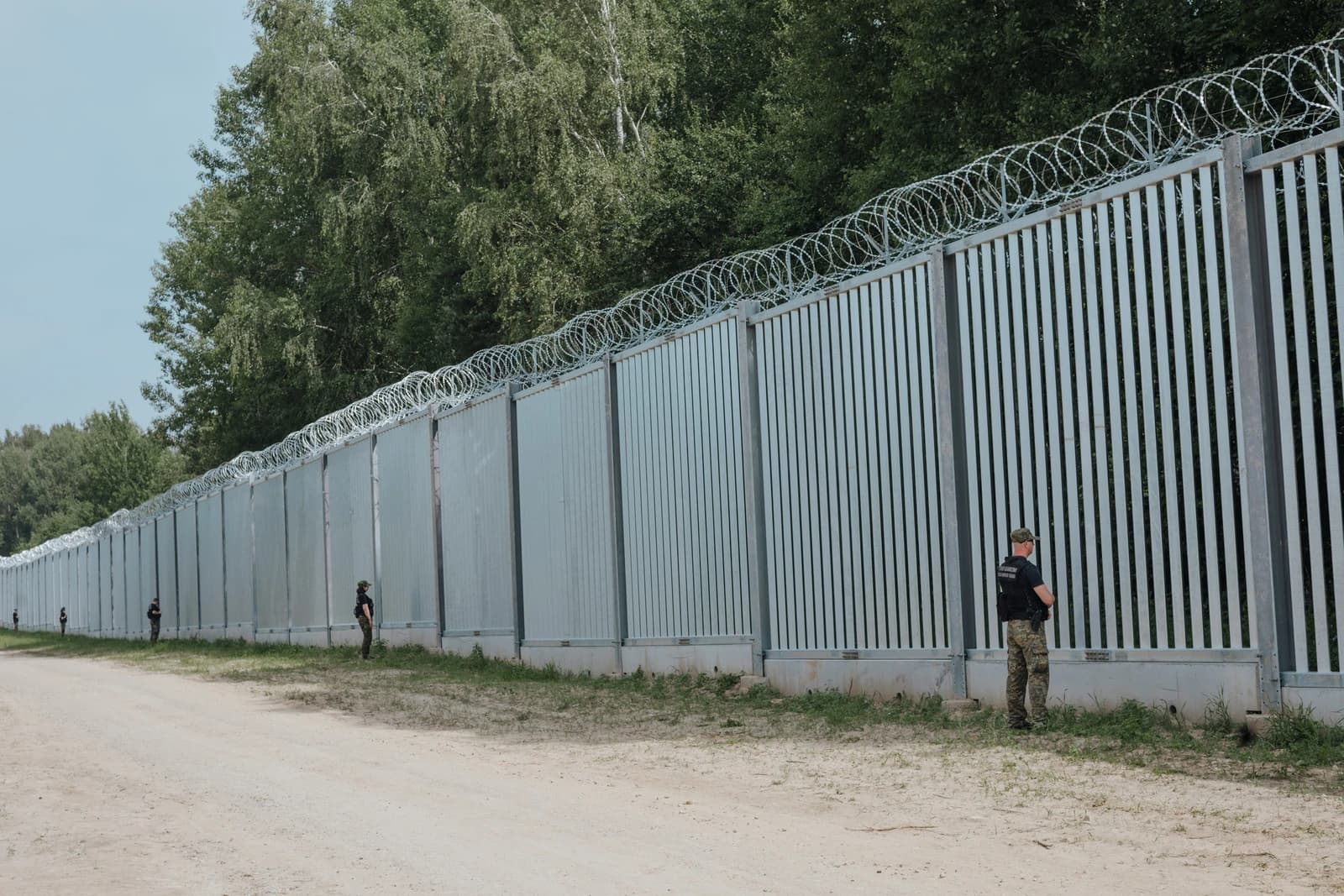
Foreign Minister Radoslaw Sikorski has described Russia’s hybrid campaign as already having a “kinetic” character, pointing to armed drones entering Polish airspace, attacks near the border and incidents over Lithuania. Poland is preparing for sabotage, arson attempts, drone attacks and airspace violations, while also reinforcing infrastructure near key crossings with Ukraine.
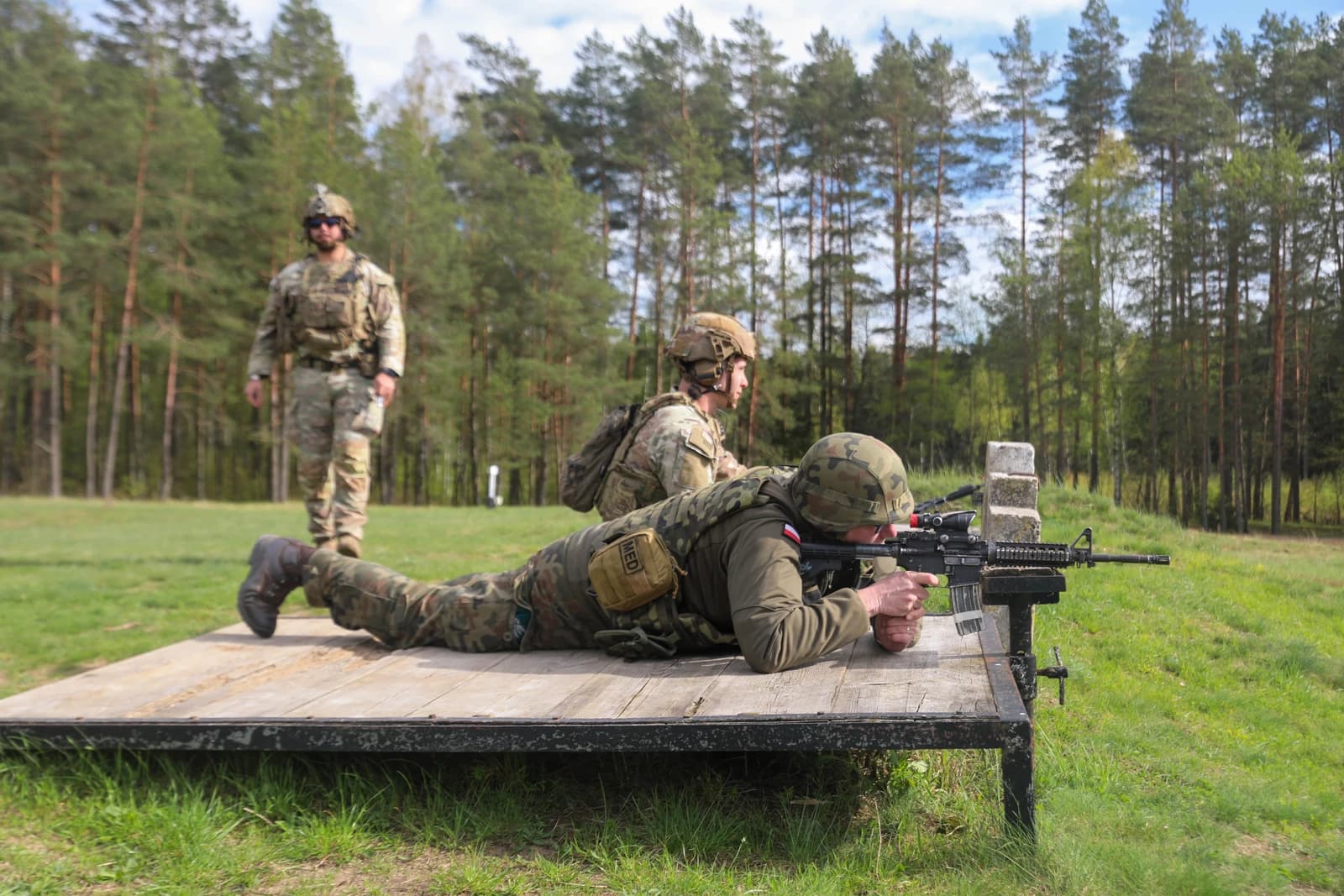
The government is expanding its civil-alert network, aiming to raise automatic sirens to more than 1,000 from 350, and is adding surveillance and security posts at border crossings. Poland is also moving ahead with a permanent NATO base and a larger U.S. military presence, with President Donald Trump recently announcing plans to increase American troop numbers in the country to 12,000.
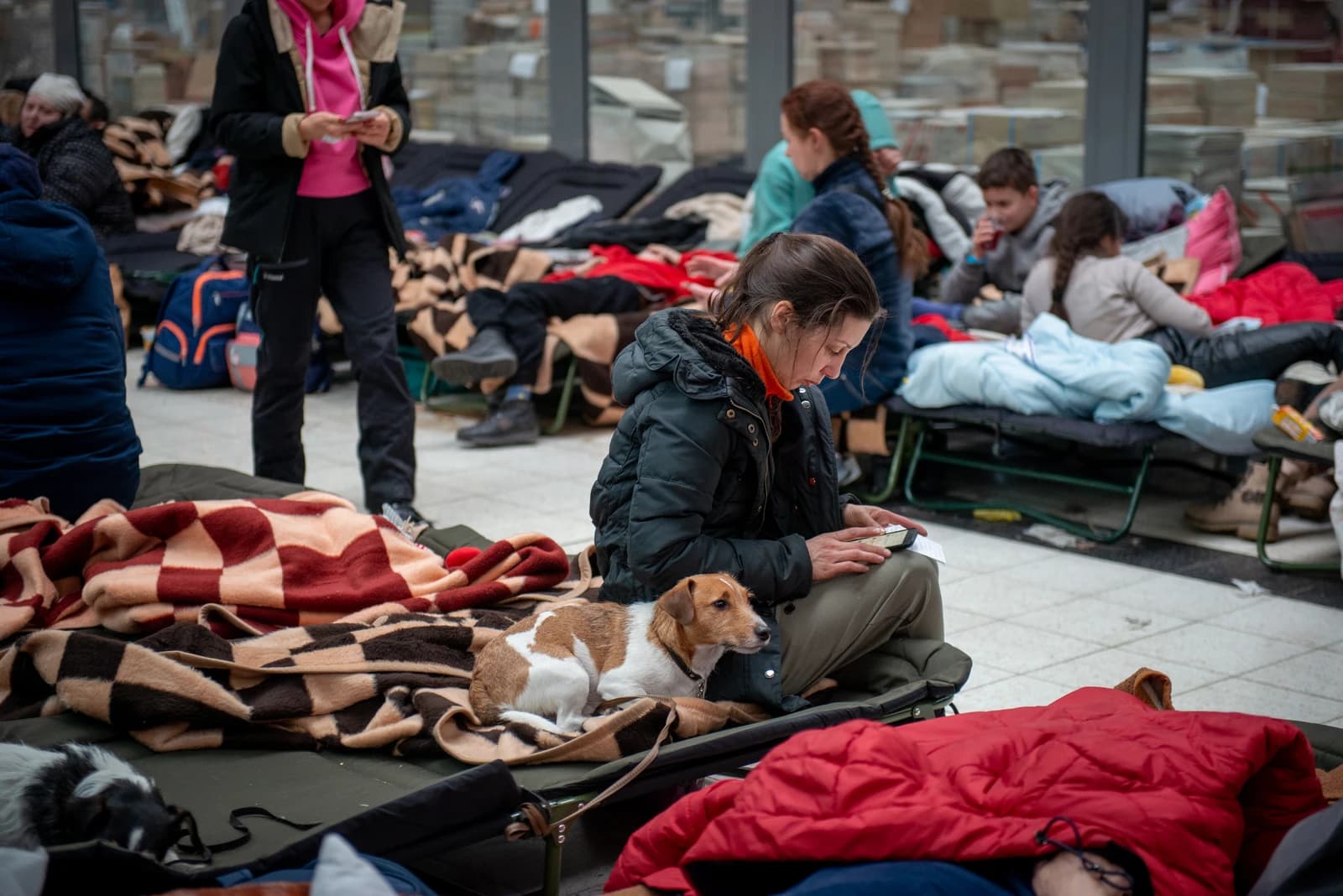
At the same time, officials are preparing for another refugee influx if winter power and infrastructure strikes worsen conditions in Ukraine. Bartosz Grodecki, head of Poland’s National Security Bureau, said existing procedures were tested during the 2022 mass arrival and remain in place, even though any new surge is still hypothetical.
Poland has already tightened support for Ukrainians, phasing out special rules introduced in 2022 and narrowing free collective housing to vulnerable people with UKR status. But European Union law still allows emergency reception and temporary mass accommodation if a large influx returns, keeping the policy framework ready if the war intensifies.
For investors, the immediate read-through is more geopolitical than financial, but the implications are real for the zloty, regional transport firms, defense stocks and European risk assets if border pressure rises or the conflict widens. The next catalysts are further Russian strikes near the frontier, any new refugee movement from Ukraine and additional NATO or Polish security announcements.
| Entity | Gains | Losses |
|---|---|---|
| Poland’s government | ▲stronger preparedness | ▼higher security costs |
| Ukrainian refugees | ▲emergency fallback options | ▼tighter aid and housing rules |
| NATO and U.S. forces in Poland | ▲expanded presence | ▼deeper exposure to escalation |
| Logistics and border operators | ▲infrastructure spending | ▼disruption from attacks and delays |