Pakistan is testing a broader range of funding tools, including gold-backed liquidity and new bond structures, as the government tries to shore up external financing and reduce pressure on its foreign-exchange reserves.
Pakistan Discusses Gold-Backed Funding With Standard Chartered
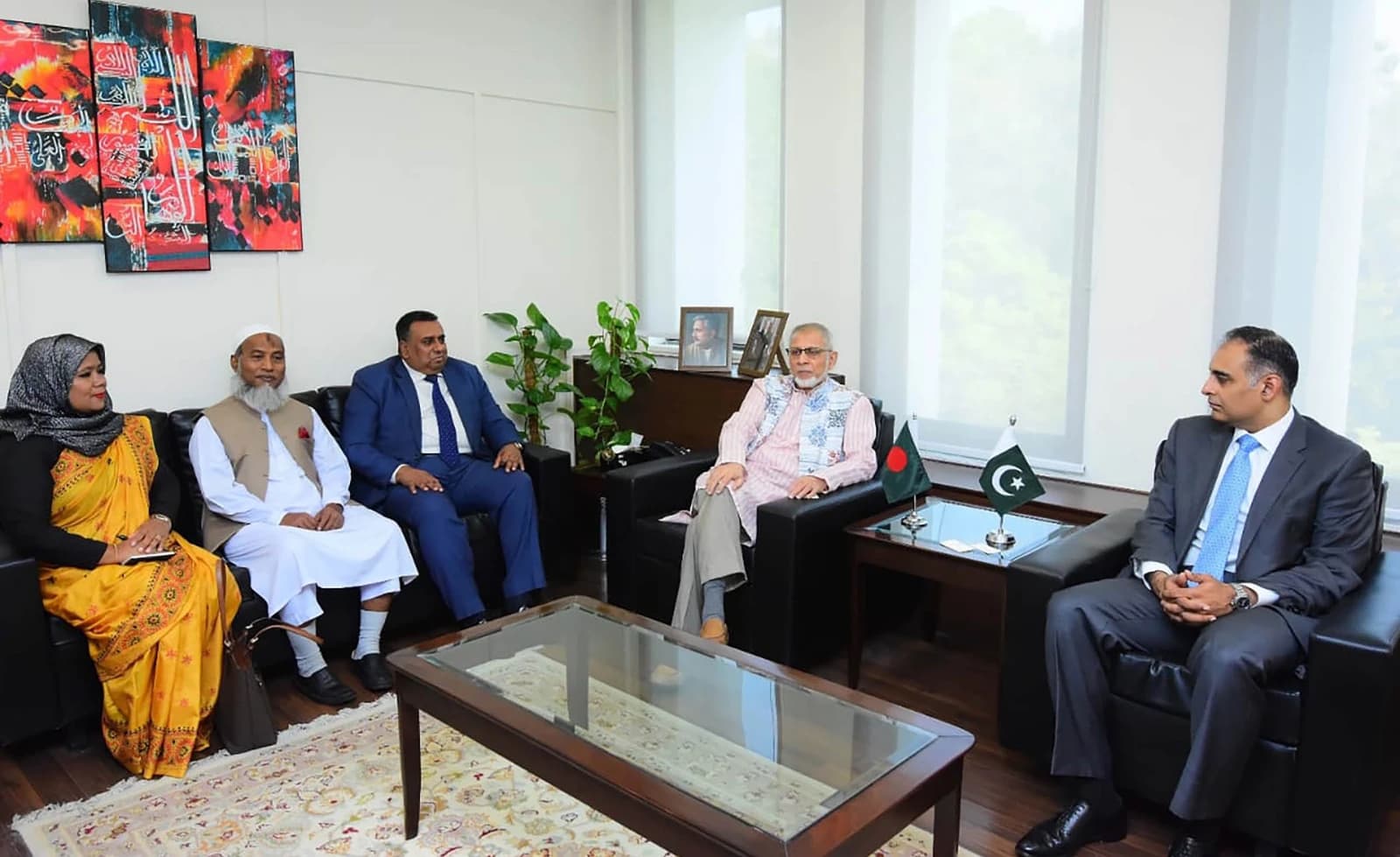
The finance ministry said officials discussed prospective sukuk, rupee-denominated but dollar-settled bonds, further Panda bonds and tokenization initiatives in talks with Standard Chartered on the sidelines of the World Bank-IMF annual meetings in Bangkok. It also said the sides explored energy-price hedging, diaspora deposit products and financing against rupee assets, but announced no deal, commitment or timetable.
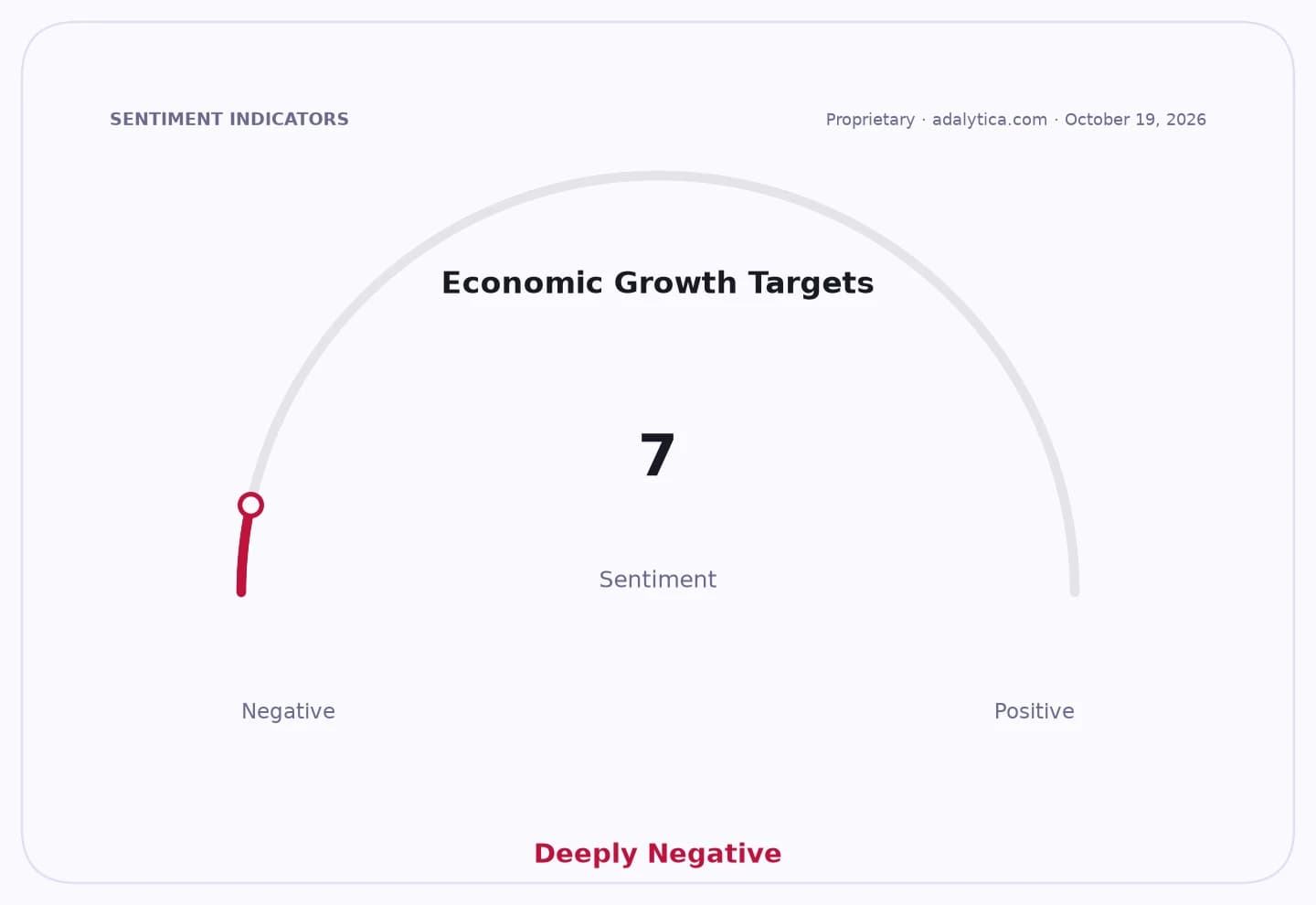
Sentiment IndicatorsⓘProprietary · adalytica.com · October 19, 2026
This is a snapshot — live sentiment, awareness and momentum for 130+ markets update continuously in the dashboard.Open AlphaPulse
The push matters because Pakistan remains heavily dependent on steady foreign-currency inflows while operating under a $7 billion IMF program. With external payments still a constraint on growth and policy flexibility, Islamabad is trying to diversify away from traditional sovereign borrowing and toward structures that can tap gold, overseas Pakistanis, Chinese onshore markets and multilateral support without immediately adding pressure to reserves.
For investors, the discussion is less about an imminent funding package than about the direction of travel. If Pakistan can package borrowing around assets such as gold or rupee securities, it may lower perceived refinancing risk and broaden its lender base. That could support Pakistan’s dollar debt profile and improve market access over time, particularly if structures are simple and carry competitive pricing, as the ministry indicated.
But the absence of any commitment underlines the execution risk. Gold-backed financing can be attractive in theory because it can unlock liquidity without forcing a sale of bullion, yet it depends on collateral valuation, legal structure and lender appetite. Similar caveats apply to panda bonds and dollar-settled rupee notes, which can diversify funding but do not solve Pakistan’s underlying need for sustained current-account discipline and reform momentum.
The timing is also notable given the tighter mood in global credit markets. Borrowing costs have been pressured by heavy US issuance and wider risk premiums across credit, making investors more selective on emerging-market risk. In that environment, Pakistan’s effort to secure lower-risk, asset-linked funding is an attempt to meet external obligations while reducing the all-in cost of capital.
If Islamabad can turn the exploratory talks into a concrete facility, it would mark another step toward a more diversified funding strategy. For now, the key message is that Pakistan is still searching for ways to finance itself more cheaply and more reliably, with gold and structured bonds emerging as part of that toolkit.
| Entity | Gains | Losses |
|---|---|---|
| Pakistan government | ▲Broader funding options | ▼Reliance on costly traditional borrowing |
| Standard Chartered | ▲Advisory and structuring role | ▼Reputational risk if talks stall |
| Overseas Pakistanis | ▲New deposit products | ▼Limited immediate benefit |
| Existing bondholders | ▲Potentially improved liquidity profile | ▼Increased issuance competition |