Pakistan is about to take a symbolic turn at the top of the global lender system even as it remains one of its most frequent borrowers, a contradiction that underscores how dependent the economy still is on external support.
Pakistan to Chair IMF and World Bank Boards in 2027
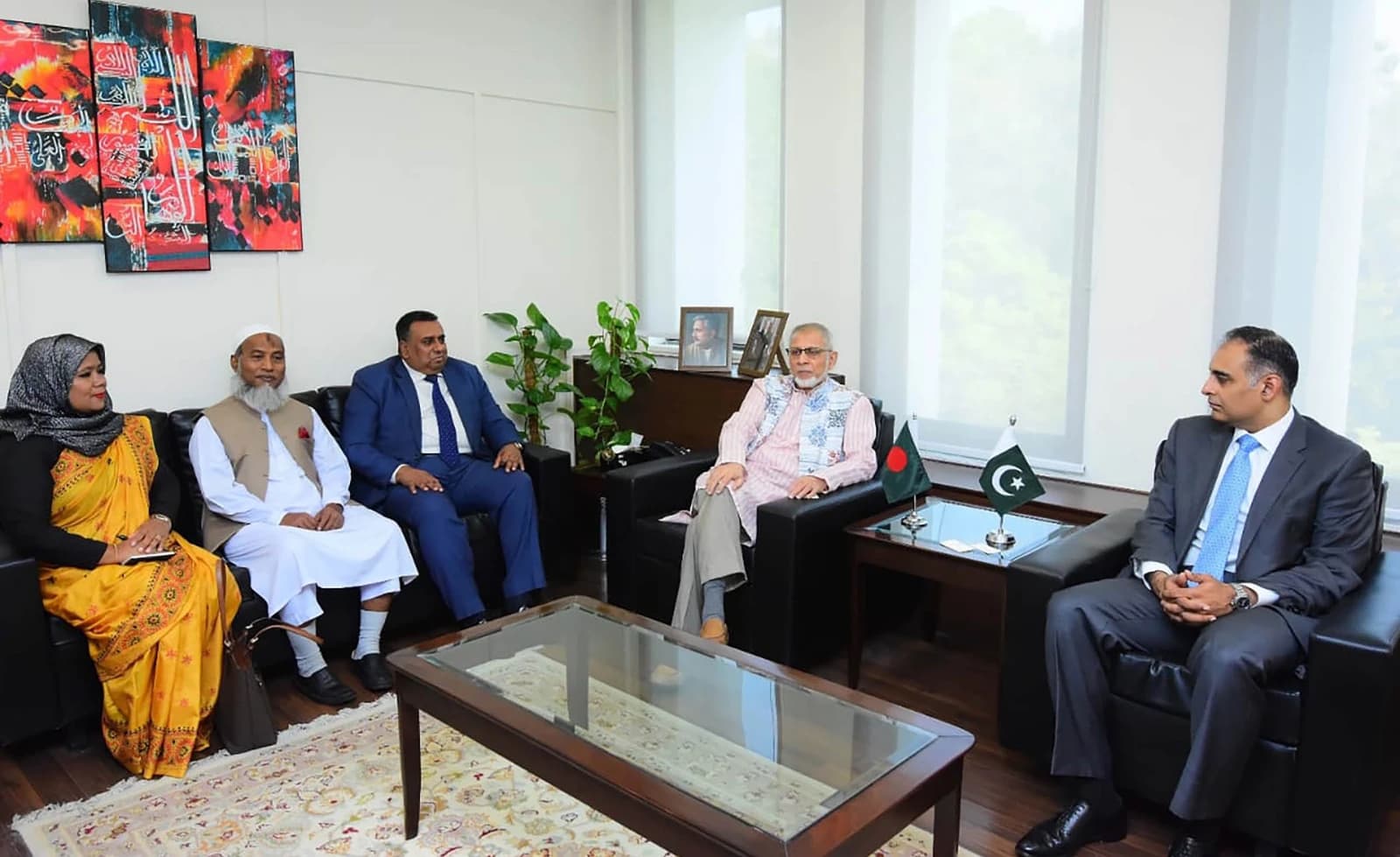
The Ministry of Economic Affairs said Islamabad will chair the Boards of Governors of the IMF and World Bank in 2027, the first time since 1953, giving the country a visible role at a moment when it is still awaiting approval for another $1.2 billion from the IMF and leaning on a $7 billion Extended Fund Facility and a $1.4 billion climate-linked financing package. The chairmanship will not give Pakistan control over lending decisions, but it does place a heavily indebted borrower in the diplomatic center of the very institutions that keep its economy funded.
Sentiment IndicatorsⓘProprietary · adalytica.com · October 19, 2026
This is a snapshot — live sentiment, awareness and momentum for 130+ markets update continuously in the dashboard.Open AlphaPulse
That tension is the real story. Pakistan has entered at least 25 IMF programs since 1950, a record that captures the scale of its structural financing problem: weak productivity, chronic external deficits and repeated reliance on rescue money to bridge balance-of-payments gaps. The World Bank’s own critique that Pakistan’s growth model is unsustainable because of high consumption, low productivity and heavy borrowing is exactly why this appointment matters economically. It is prestige without relief, and the market will treat it that way.
Still, the timing is not trivial for investors. Pakistan’s macro picture has improved enough to keep the IMF engaged: real GDP grew 4% in the first three quarters of FY2025-26 before energy costs and supply disruptions slowed momentum, inflation eased to 10.3% in September from a May peak, reserves rose to about $21 billion by end-September and the current account was broadly balanced on stronger remittances. The IMF says sovereign rating upgrades and renewed access to international markets have improved confidence. But the lender also warns that geopolitical shocks, higher energy prices and tighter global financing conditions remain live risks.
For investors, that means the opportunity is less about Pakistan itself than about the second-order beneficiaries of any continued stabilization: banks, remittance channels, infrastructure contractors, and frontier-market debt plays that benefit if Islamabad keeps the program on track and avoids another disorderly reset. Pakistan International Banks and lenders with South Asia exposure can gain from a steadier funding backdrop, while any stumble would quickly revive pressure on the rupee, domestic rates and sovereign risk premia.
The broader investment thesis is that Pakistan is still trading on policy credibility rather than growth dynamism. If the IMF review is approved and financing continues to flow, the country can buy time. If it fails, the symbolism of chairing the IMF and World Bank boards will be quickly overwhelmed by the same old math: too much debt, too little hard currency and too many dependencies. For now, the chairmanship is a headline; the balance sheet remains the market.
| Entity | Gains | Losses |
|---|---|---|
| Pakistan government | ▲Diplomatic stature | ▼Scrutiny over debt dependence |
| IMF and World Bank | ▲Broader borrower representation | ▼Less credibility if reforms stall |
| Pakistan lenders/banks | ▲Program continuity | ▼Exposure to policy slippage |
| Frontiers debt investors | ▲Stability premium | ▼Renewed default risk |