Eswatini’s public finances are deteriorating as the cost of servicing government debt rises faster than the economy, prompting the IMF to warn that the country’s debt dynamics are turning less favorable.
Eswatini Debt Rises as IMF Warns on Fiscal Strain

In its 2026 Article IV report, the Fund said the effective interest rate on government borrowing has moved above nominal GDP growth, a threshold that makes debt harder to stabilize without either stronger expansion or fiscal tightening. The IMF projected an effective interest rate of 8.7% in 2026 versus nominal GDP growth of 6.8%, leaving a gap of nearly two percentage points.
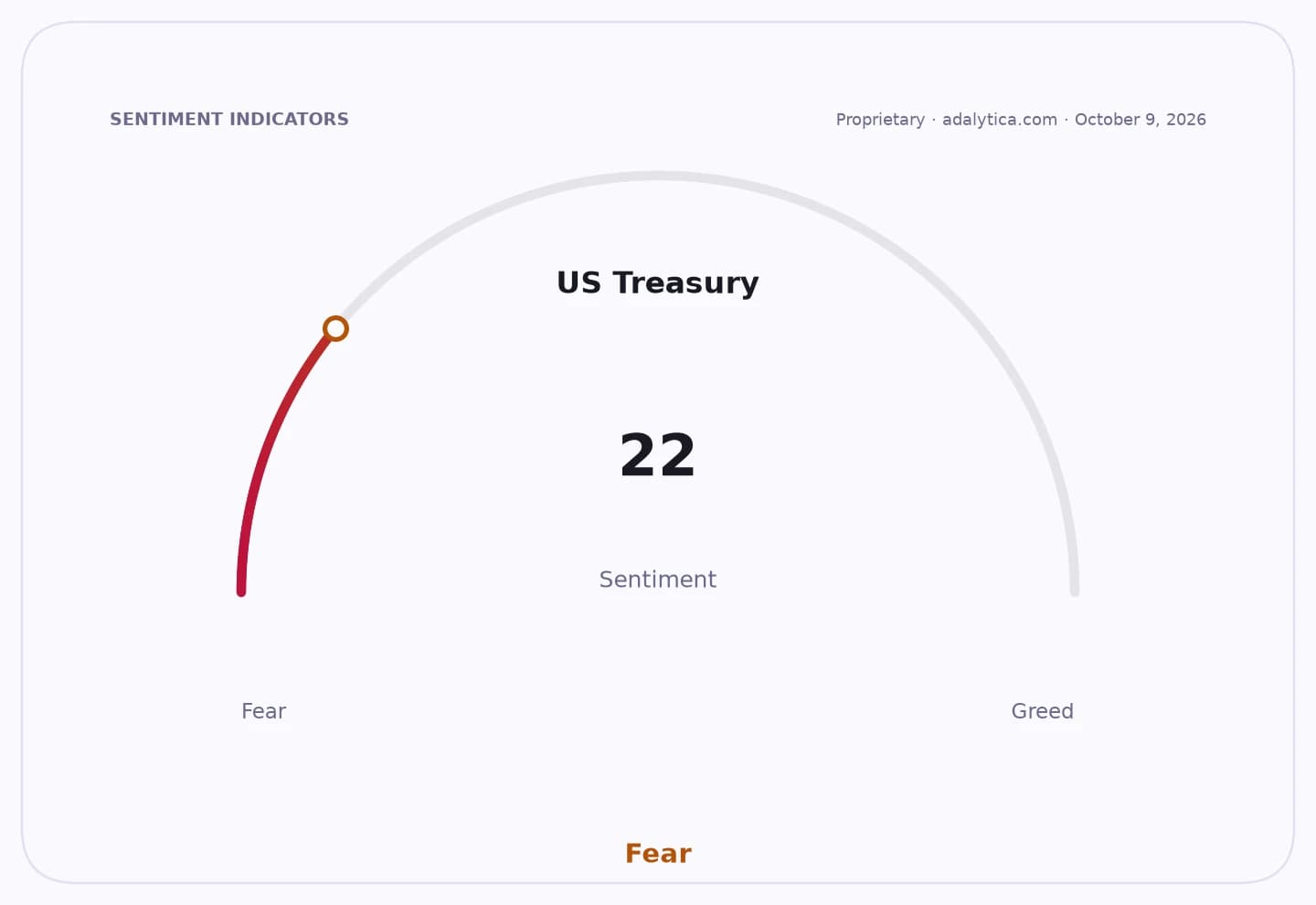
Sentiment IndicatorsⓘProprietary · adalytica.com · October 8, 2026
This is a snapshot — live sentiment, awareness and momentum for 130+ markets update continuously in the dashboard.Open AlphaPulse
That matters because when borrowing costs outpace growth, the debt burden can compound even if the government avoids new shocks. The IMF said Eswatini’s debt-to-GDP ratio jumped to 44.8% in FY2025/26 from 40.0% a year earlier, driven mainly by a widening fiscal deficit that surged to 7.8% of GDP from 1.1%.
The deterioration reflects weaker SACU receipts, higher public investment, faster public-wage spending and rising non-wage outlays. The IMF said the debt stock would likely keep climbing faster than output unless the government improves spending efficiency or runs a primary surplus to offset interest costs.
For investors, the warning underscores pressure on sovereign credit quality across smaller emerging markets that face elevated funding costs and limited fiscal room. The backdrop is also unfavorable in global rates markets, with U.S. Treasury yields near 5.29% on the 10-year benchmark and the policy-sensitive Fed funds rate around 3.73%, keeping external borrowing conditions tight.
The immediate focus now shifts to whether Mbabane can rein in deficits and restore debt stabilization without choking growth. If it cannot, the country may face higher refinancing risk, tighter financing conditions and less flexibility to respond to future shocks.
| Entity | Gains | Losses |
|---|---|---|
| IMF | ▲Credibility for warning early | ▼None directly |
| Eswatini government | ▲Pressure to adjust policy | ▼Higher debt burden |
| Bondholders | ▲Potential discipline on finances | ▼Higher default/refinancing risk |
| Taxpayers/economy | ▲Possible long-term stabilization | ▼Spending cuts or tax hikes |