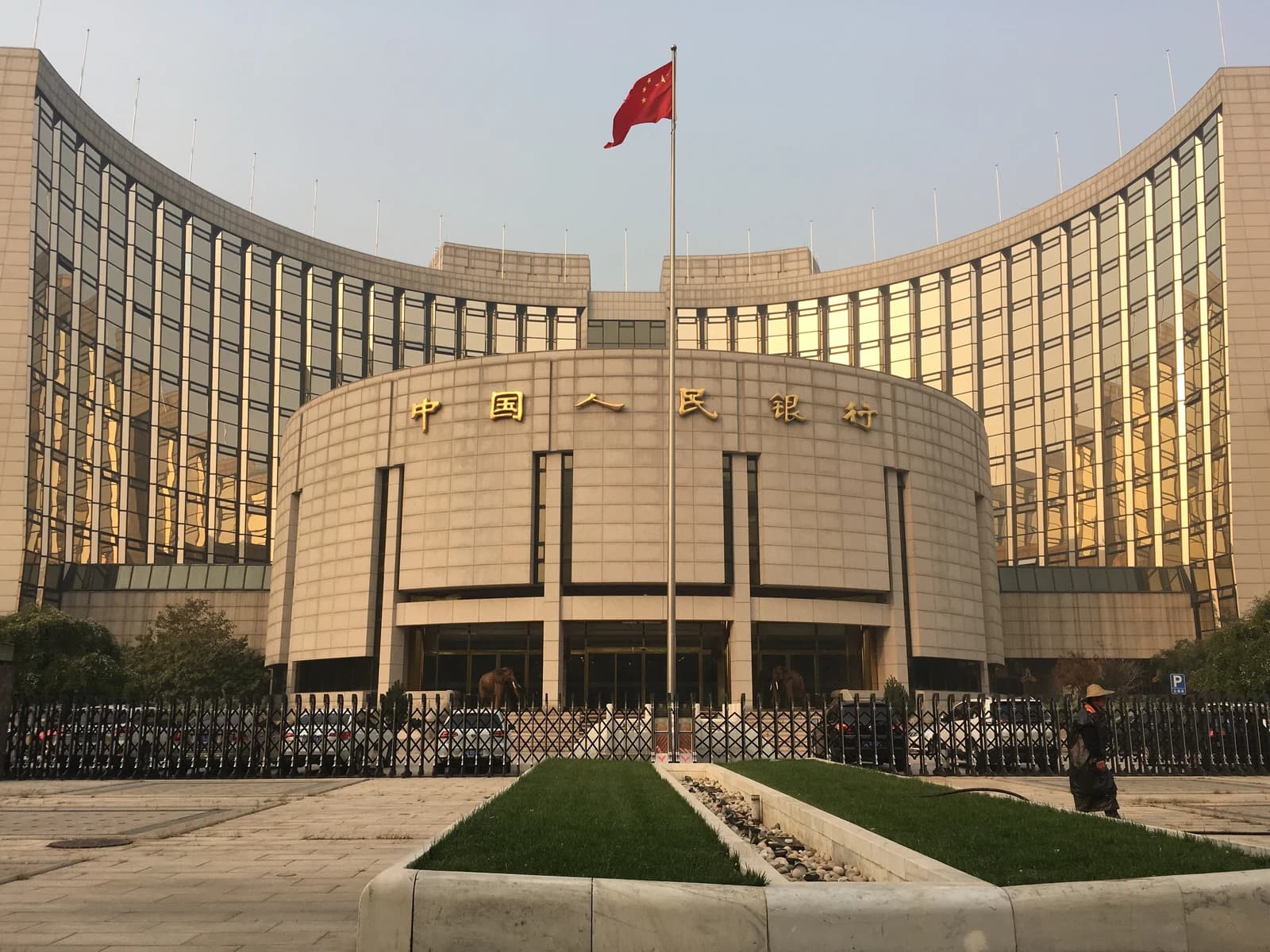
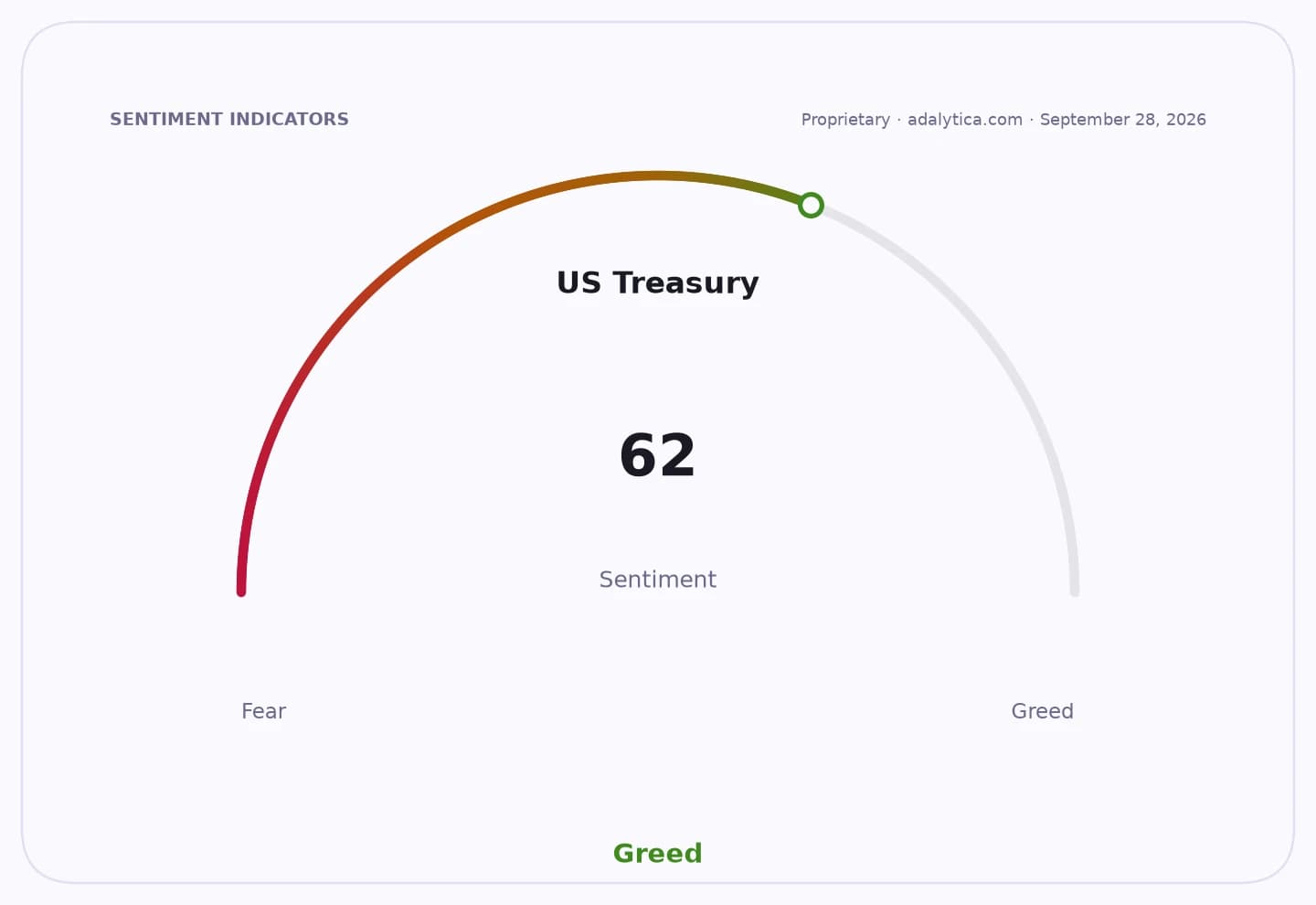
Ray Dalio warned that the market for US government debt is vulnerable if China and Japan reduce their purchases, adding to pressure on Treasurys as benchmark yields sit near 5.3% and borrowing costs climb to levels last seen in 2002.
US Treasurys Face Risk From China, Japan Demand
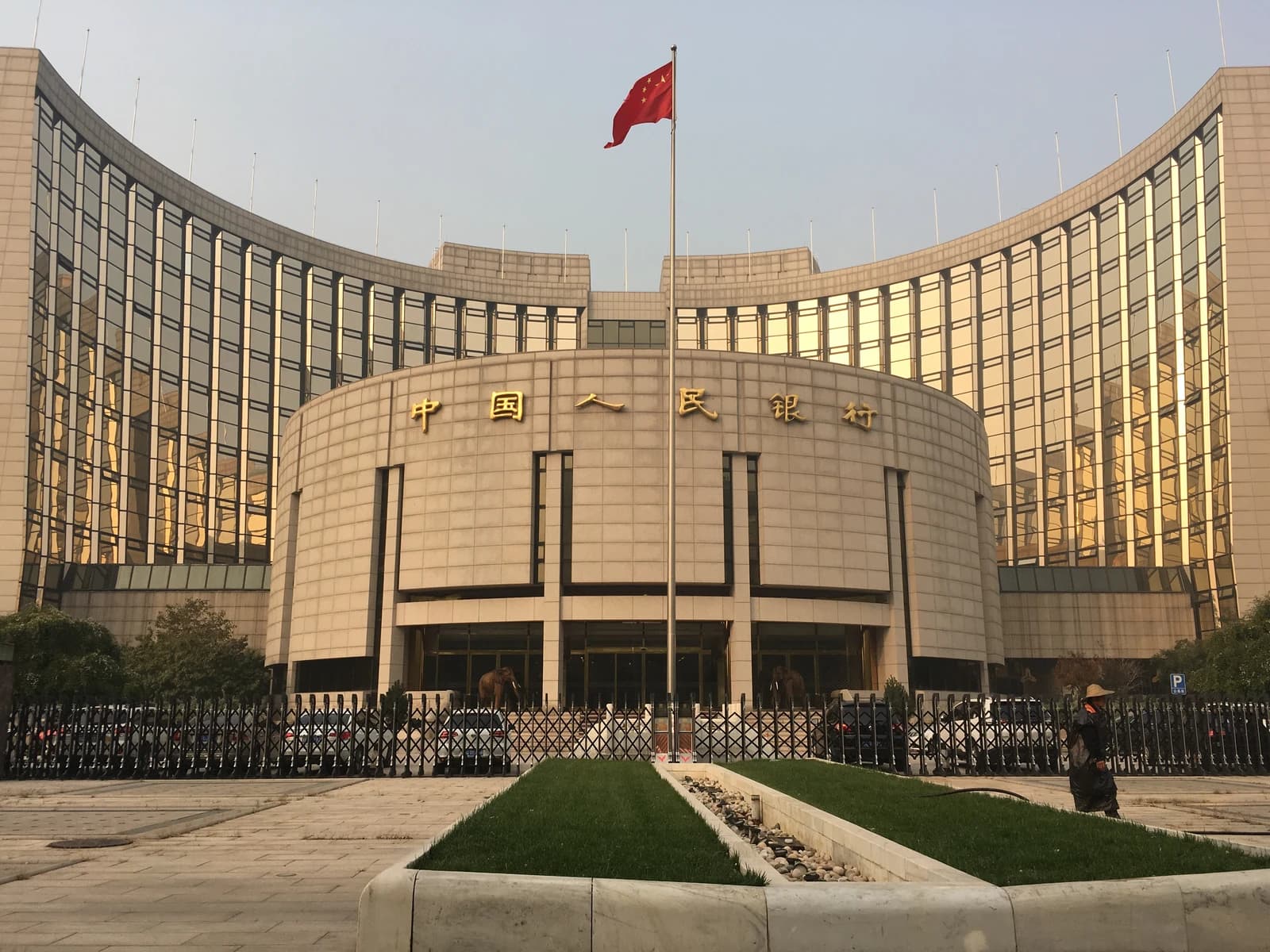
The Bridgewater Associates founder’s concern goes to the heart of the Treasury market’s funding base. The US relies on foreign capital for about a third of its debt, and Dalio said much of that financing comes from China and Japan. If those two buyers step back, the Treasury market would need to absorb more supply at a time when inflation, heavy fiscal spending and still-resilient growth are already undermining demand for fixed income.
Sentiment IndicatorsⓘProprietary · adalytica.com · October 7, 2026
This is a snapshot — live sentiment, awareness and momentum for 130+ markets update continuously in the dashboard.Open AlphaPulse

That matters because higher Treasury yields feed directly into the cost of capital for the entire economy. The 10-year note at around 5.3% is not only a government financing problem; it also raises mortgage rates, corporate borrowing costs and equity discount rates, tightening financial conditions even without another move from the Federal Reserve. Dalio’s warning also lands as investors are already confronting one of the worst bond selloffs in decades, with long-duration government debt under sustained pressure.
There are structural reasons the foreign-buyer risk is more acute now. China has geopolitical incentives to slow or stop accumulating US debt, while Japan, which has long been a major holder of Treasurys, is under pressure to recycle capital at home rather than keep financing US deficits indefinitely. The combination leaves the Treasury market more exposed to marginal shifts in demand than in the past, when central-bank and reserve-manager buying could cushion large supply increases.

For investors, the immediate implication is that duration remains vulnerable. Long bond funds such as TLT have been under heavy pressure and technical indicators show the ETF deeply oversold, with its price below both the 50-day and 200-day moving averages and RSI readings in the mid-20s, but that oversold condition alone does not resolve the underlying supply-demand imbalance. Shorter-duration funds such as SHY have held up better, reflecting the market’s preference for less rate sensitivity as Treasury volatility persists.
The broader narrative is that the US is entering a more constrained funding phase. If foreign official demand weakens while fiscal deficits remain large, the Treasury market may have to clear at higher yields for longer. That would support the dollar and attract some global capital seeking income, but it also raises the odds of tighter financial conditions, more volatile bond trading and renewed scrutiny of Washington’s debt trajectory.
Dalio’s three-year debt-crisis warning is not a base case for markets, but it is a reminder that the biggest risk in fixed income is not just the level of rates — it is who is left willing to buy the bonds.
| Entity | Gains | Losses |
|---|---|---|
| US short-duration debt holders | ▲Lower rate sensitivity | ▼Less yield pickup |
| Long-duration Treasury investors | ▲Potentially higher yields | ▼Mark-to-market losses |
| China and Japan | ▲Greater policy flexibility | ▼Reduced Treasury exposure |
| US Treasury market | ▲Continued foreign inflows if demand holds | ▼Higher funding stress if buyers step back |