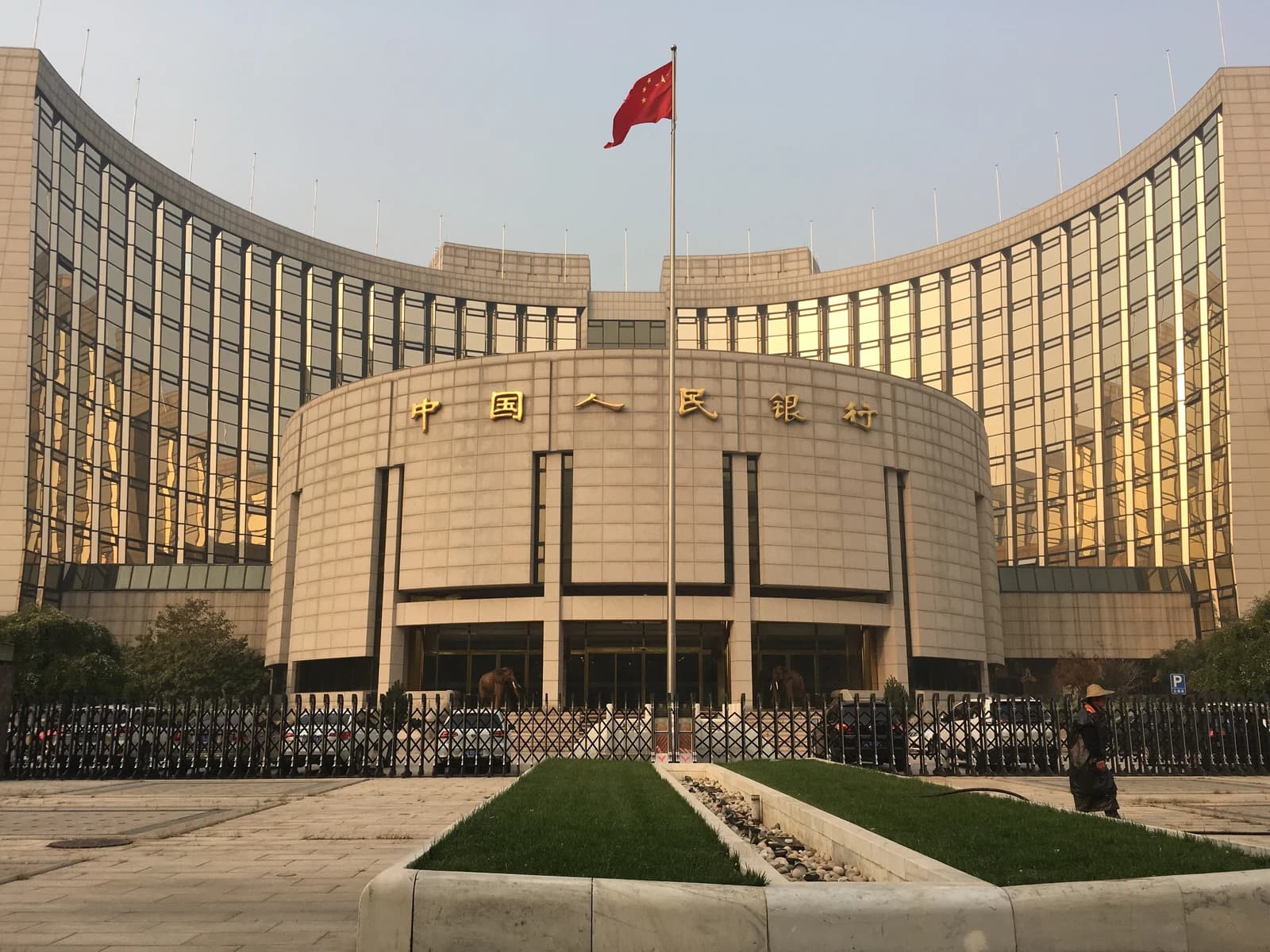
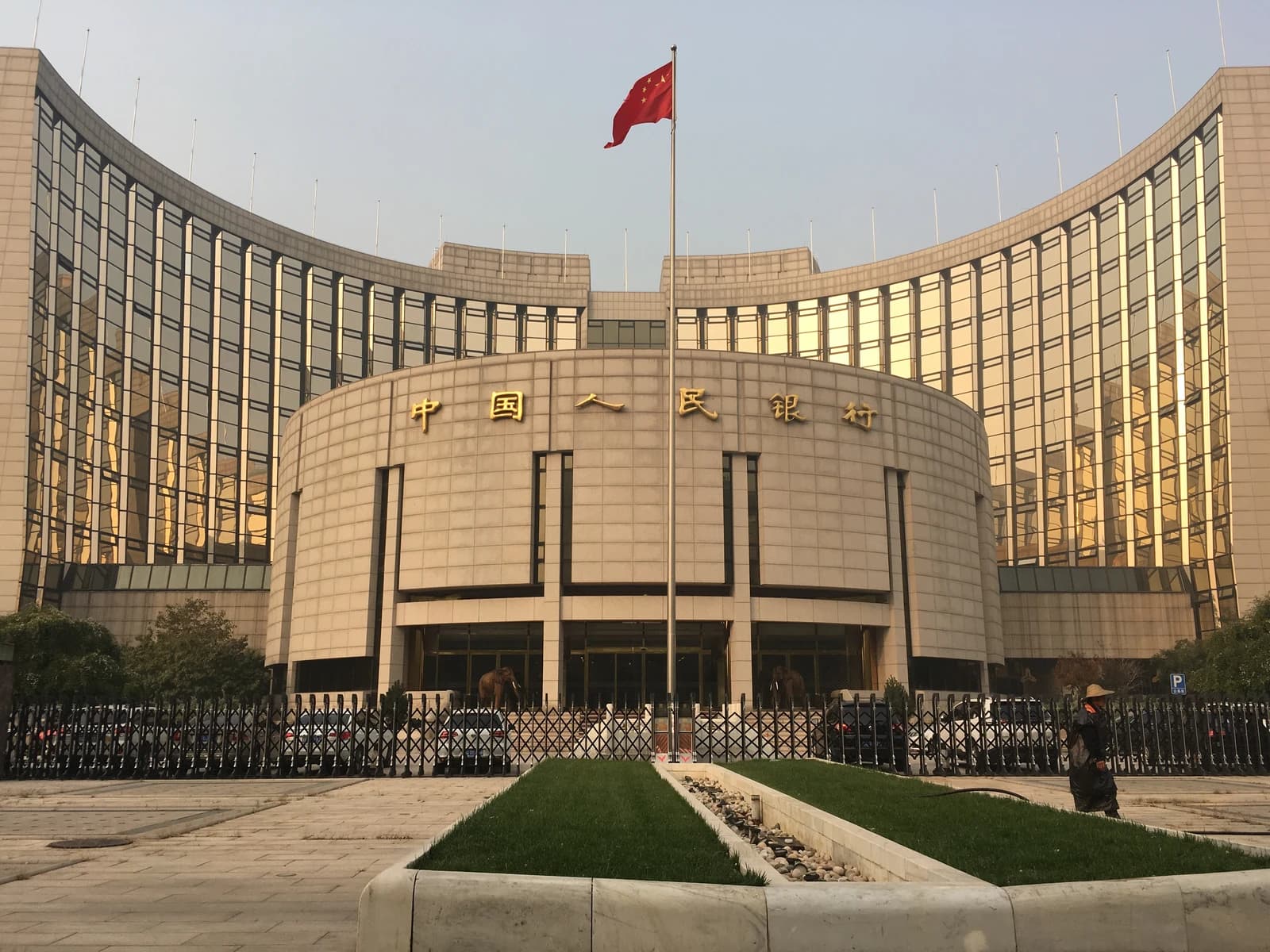
Chinese banks have been buying US Treasuries over the past few months after lifting dollar deposit rates, a move that helps them park excess foreign-exchange cash while also easing upward pressure on the yuan at a time when US yields are near multi-month highs.
Chinese Banks Buy US Treasuries as Dollar Deposits Rise

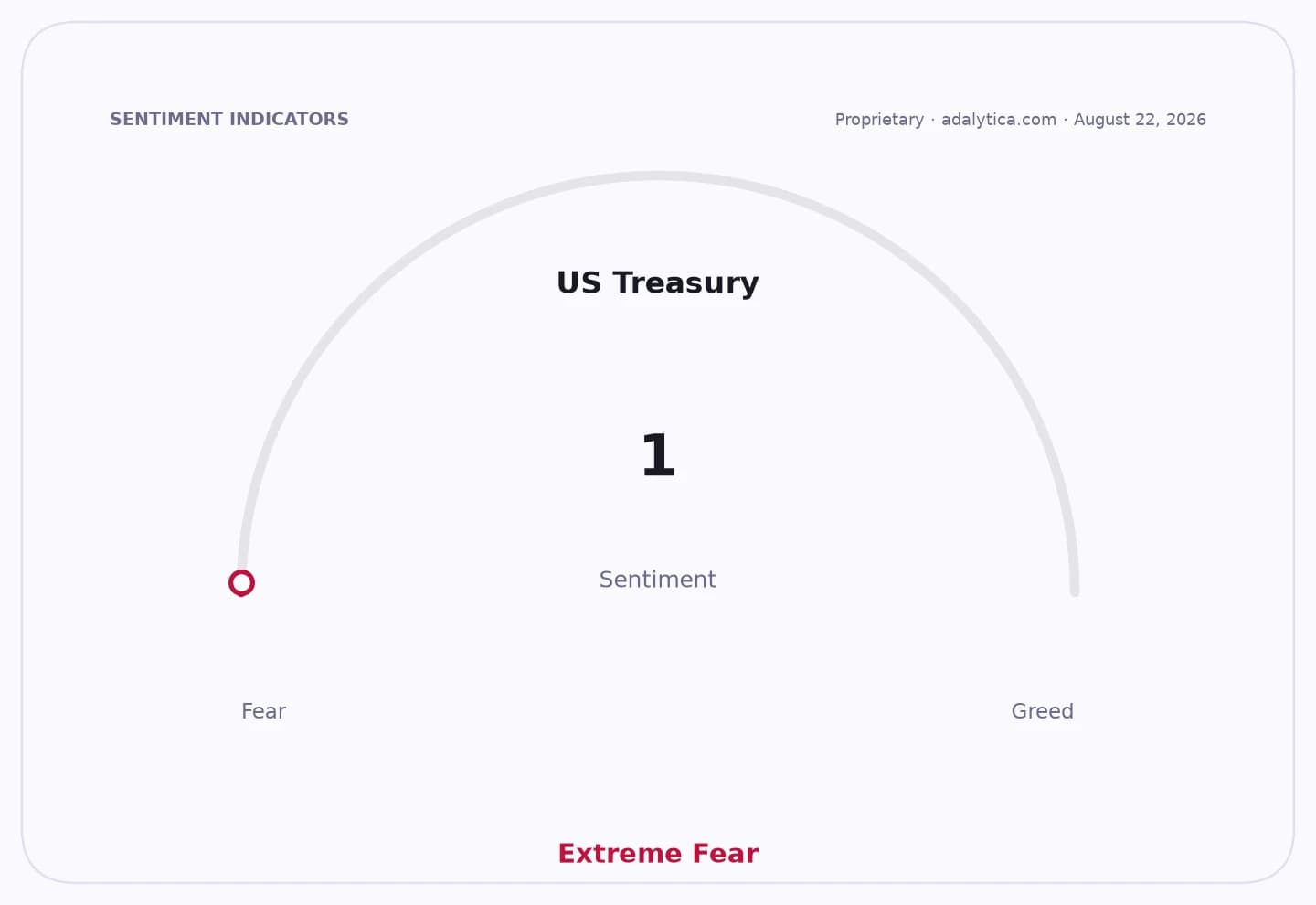
The shift matters because it links China’s banking system, the exchange rate and the Treasury market at a moment when global demand for US government debt is being scrutinized. For Chinese lenders, Treasuries now offer a rare combination of yield and liquidity: the 10-year note is yielding 4.76%, up more than 30 basis points since early June, while dollar deposits for larger customers have been rising toward 3% to 4%. That spread gives banks room to earn a return after paying up for dollar funding.
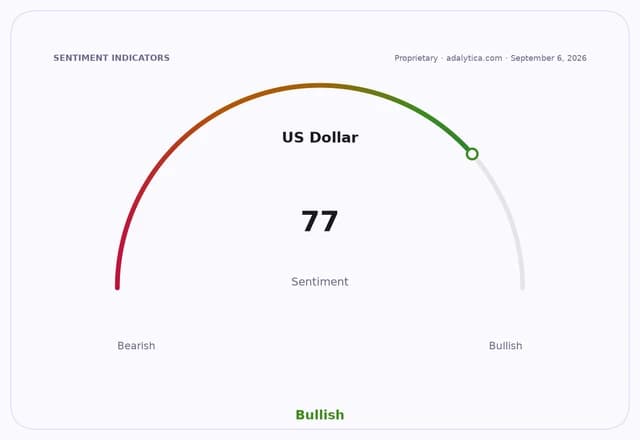
The strategy also reflects a domestic shortage of attractive safe assets. Chinese government bond yields remain low, regulators have been watching heavy domestic bond buying, and banks are reluctant to swap yuan into dollars themselves after tighter scrutiny of offshore investment flows. In effect, lenders are using deposits they have already attracted to buy Treasuries rather than pushing additional capital out of China.
That matters for Beijing as well as markets. China’s foreign-exchange deposits have climbed to $1.18 trillion, up 17.9% from a year earlier, helped by strong exports and large trade surpluses. Paying more for dollar deposits can absorb some of that liquidity and slow yuan appreciation, while directing funds abroad can reduce pressure in the domestic bond market. The yuan has already gained nearly 9% against the dollar since the start of last year, and China’s bond market has been one of the strongest globally since the Middle East conflict began.
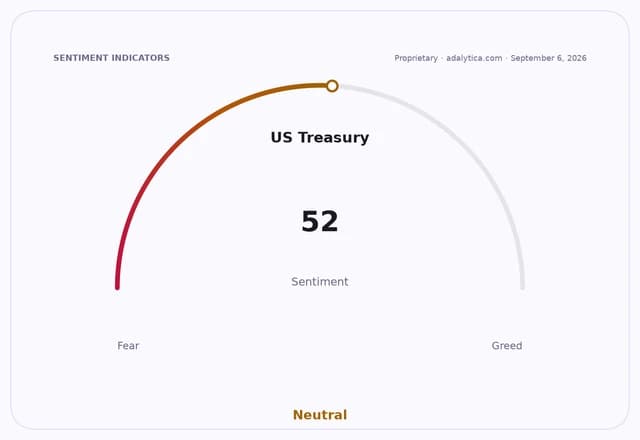
For investors, the immediate question is whether this is a meaningful new source of support for Treasuries or just a tactical adjustment by Chinese lenders. China’s Treasury holdings through US custodians fell to $633.4 billion in June, the lowest since 2008, though custody data can understate ultimate ownership. Even so, any incremental buying from Chinese banks comes as other large holders are reconsidering exposure, sharpening the market’s focus on who will absorb US supply as yields remain elevated.
The clearest bullish case is that foreign demand is proving more resilient than the headline custody figures suggest, especially when yields are high enough to tempt reserve managers, banks and other cash-rich institutions. The bear case is that this is a balance-sheet maneuver, not a durable bid: if domestic yields rise, dollar funding costs climb further or regulators tighten again, the buying could fade quickly.
For now, the message is that China’s banks are acting as a pressure valve in both currencies and debt markets. If dollar deposits keep rising and US yields stay near current levels, Treasury demand from Chinese lenders could remain a quiet but relevant support, even if it is unlikely to reverse the broader decline in China’s reported holdings.
| Entity | Gains | Losses |
|---|---|---|
| Chinese banks | ▲Higher Treasury carry | ▼Yuan conversion pressure |
| US Treasuries | ▲Added foreign demand | ▼Yield relief limited |
| PBOC / Beijing | ▲Slower yuan gains | ▼Less policy flexibility |
| Existing Treasury sellers | ▲Better exit pricing | ▼Stronger competition for buyers |