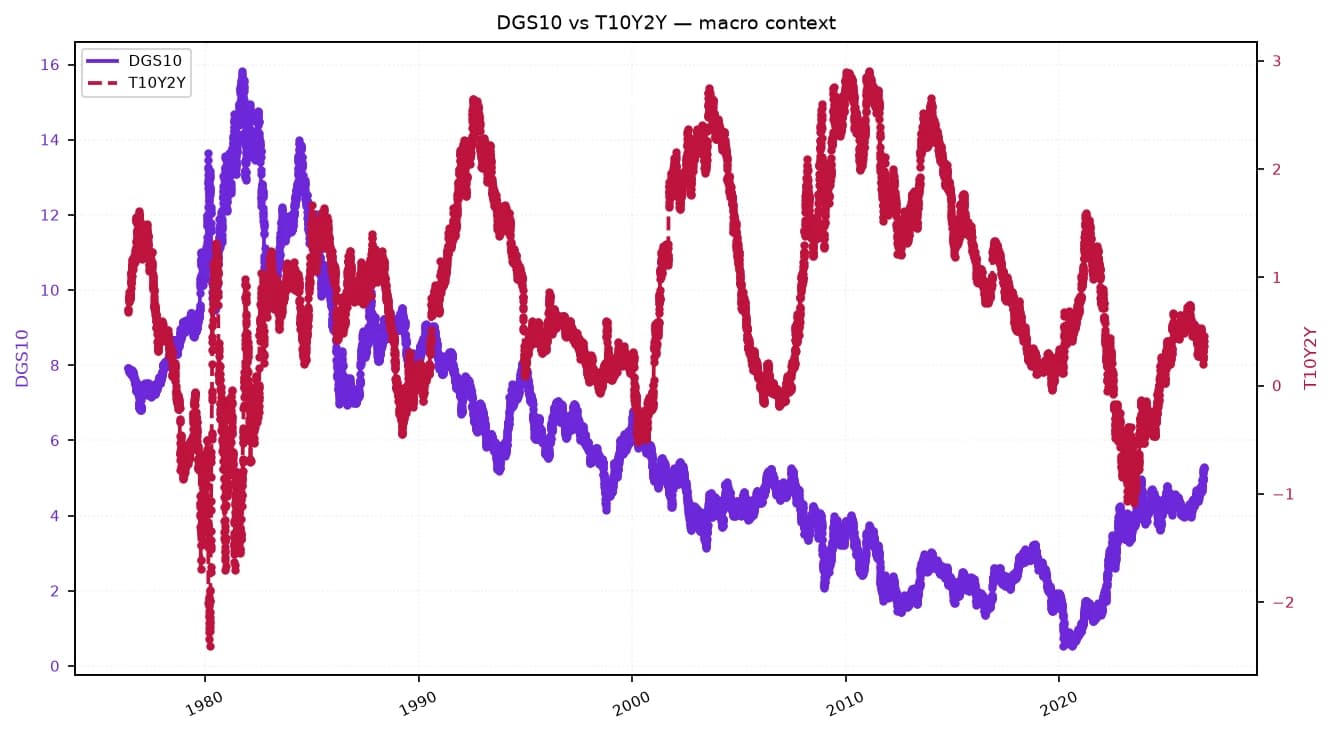
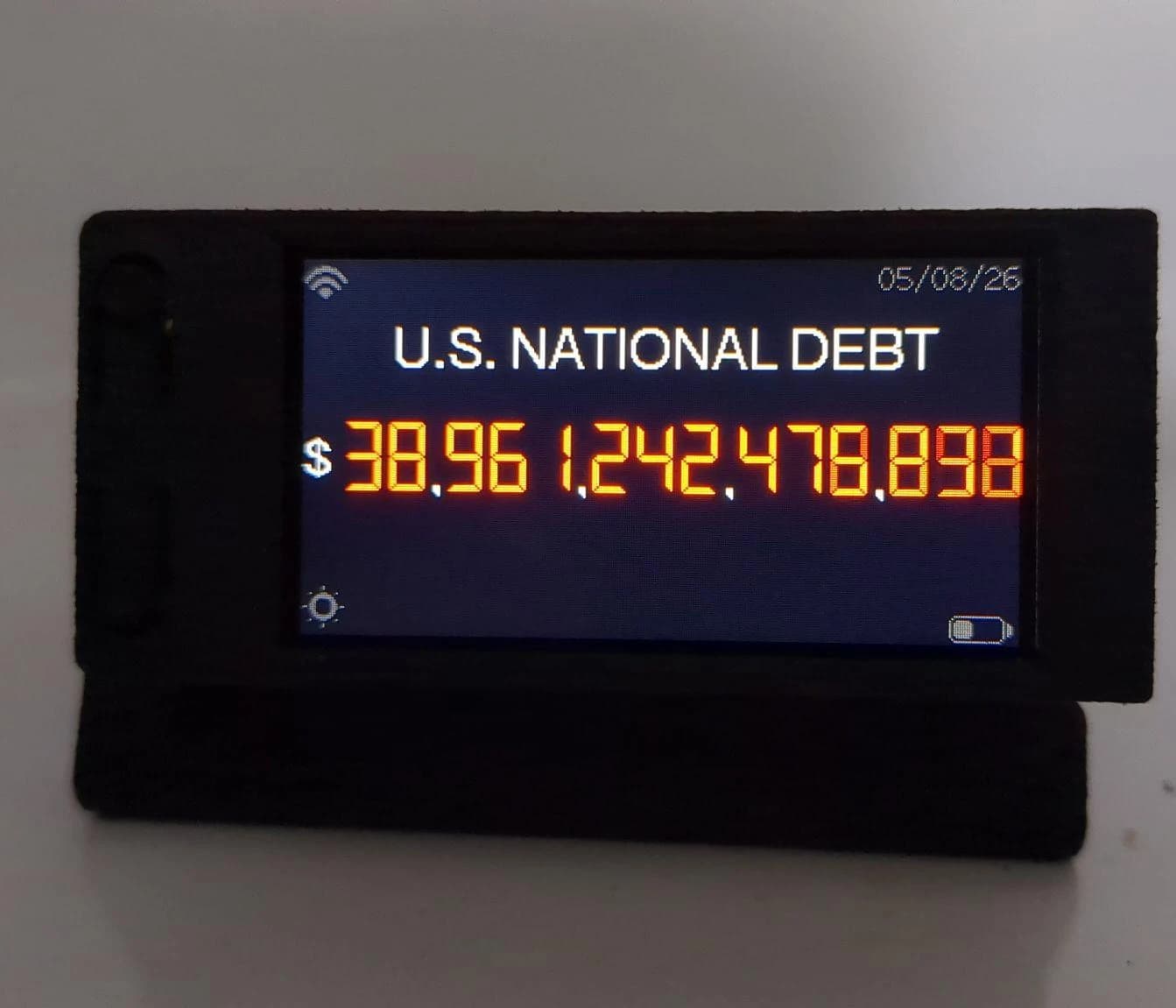
America’s debt burden is moving from a background fiscal problem to a front-line election issue, and the market is already pricing the cost of that shift through higher Treasury yields, a weaker bond bid and renewed pressure on rate-sensitive assets.
U.S. Debt Debate Raises Treasury Yield Pressure

That matters because debt is no longer just a Washington talking point. It is the channel through which politics is starting to affect borrowing costs, household budgets and the valuation of everything from long-duration equities to home loans. With the 10-year Treasury yield holding around 5.28% and the Fed funds rate near 3.75%, the U.S. is operating with interest rates that keep refinancing pain elevated and make every new round of deficit spending more expensive to finance.
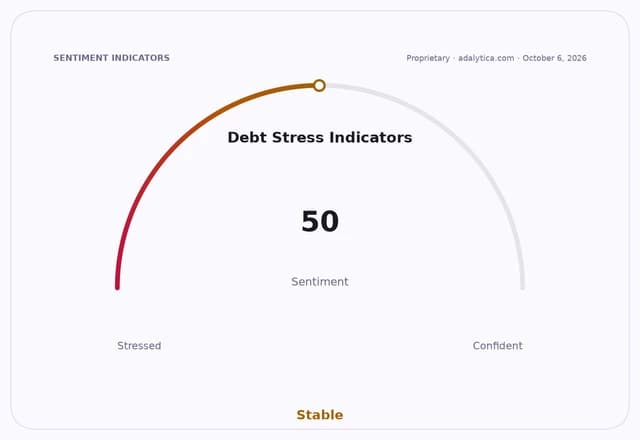
Sentiment IndicatorsⓘProprietary · adalytica.com · October 6, 2026
This is a snapshot — live sentiment, awareness and momentum for 130+ markets update continuously in the dashboard.Open AlphaPulse
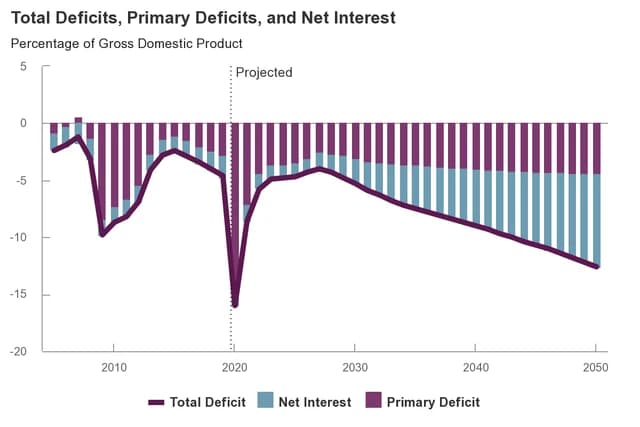
The political narrative is simple and powerful: both parties are being asked who is burdening the Treasury, and voters are increasingly hearing the question in terms of their own balance sheets. Campaigns are leaning into consumer debt, medical debt, housing aid and school budgets because those issues resonate with households squeezed by borrowing costs. But the deeper story is that America’s fiscal debate is converging with the election cycle at the exact moment the government is paying far more to roll its obligations than it did in the era of near-zero rates.
That is why the bond market deserves far more attention than the campaign trail. A 10-year yield above 5% changes the math for deficits, mortgage rates, corporate borrowing and equity multiples. It also gives the Federal Reserve less room to ease aggressively, because any policy move that fuels inflation expectations could steepen the curve and punish long-duration assets even more. In other words, fiscal politics is becoming a market variable.
Debt Stress Indicators — 30-day sentimentadalytica.com
Explore this data interactively — full history, time series and cross-market comparisons.Open AlphaPulse
For investors, the setup favors positioning around the second-order winners and losers of sustained Treasury stress. Long-duration bond exposure remains vulnerable when fiscal credibility is questioned, and the recent slide in TLT to about 77.48 reflects that risk. Conventional technical indicators reinforce the pressure: TLT is trading below both its 50-day and 200-day moving averages, with RSI readings in oversold territory but no clear sign of a durable turn. That is not a call for blind contrarianism; it is a warning that the bond market is still demanding compensation for Washington’s spending path.
By contrast, the equity market is still showing a different instinct. SPY has remained near record levels, and conventional technical indicators show the ETF well above its 50-day and 200-day moving averages, with RSI still elevated. Adalytica’s SPY trade signal also shows “Extreme Greed,” suggesting investors are comfortable looking through fiscal noise for now. That complacency is exactly where the opportunity lies: if debt becomes the dominant campaign issue, market leadership is likely to rotate toward sectors that can benefit from higher-for-longer rates, persistent infrastructure spending and defensive cash flow.
The real trade is not simply bearish bonds. It is understanding that fiscal anxiety tends to create winners in financials with pricing power, defense, energy infrastructure and selected short-duration cash generators, while hurting utilities, unprofitable growth stocks and highly leveraged borrowers. Companies and sectors that depend on cheap capital are the most exposed if election rhetoric hardens into a policy fight over deficits, taxes and spending cuts.
The next catalyst is straightforward: as the campaign intensifies, every new poll, debate and budget proposal will be tested against the same market question — who pays for it? If the answer is unclear, borrowing costs stay elevated and the Treasury market remains fragile. For investors, that means staying selective, favoring balance-sheet strength, and treating U.S. debt politics not as noise, but as a multi-quarter market driver.
| Entity | Gains | Losses |
|---|---|---|
| Treasury bond bears | ▲Higher-yield trade | ▼Price-sensitive holders |
| Fiscal hawks | ▲Debt-cutting agenda | ▼Deficit spenders |
| Banks and lenders | ▲Wider rate spreads | ▼Low-rate borrowers |
| Long-duration stocks | ▲— | ▼Higher discount rates |