The U.S. has avoided an immediate ratings shock, but Scope’s confirmation of an AA- grade with a stable outlook underscores a deeper warning: the country’s credit profile is being held up by the dollar’s reserve status and economic scale even as debt dynamics worsen and fiscal flexibility narrows.
U.S. credit rating held at AA- by Scope

That matters because sovereign ratings feed directly into Treasury market confidence, funding costs and the assumptions investors make about the world’s benchmark risk-free asset. Scope said the United States still benefits from its “enormous economic strength” and the dollar’s role as the world’s reserve currency, but it paired that with rising national debt, more acute political polarization and medium-term risks to financial stability.
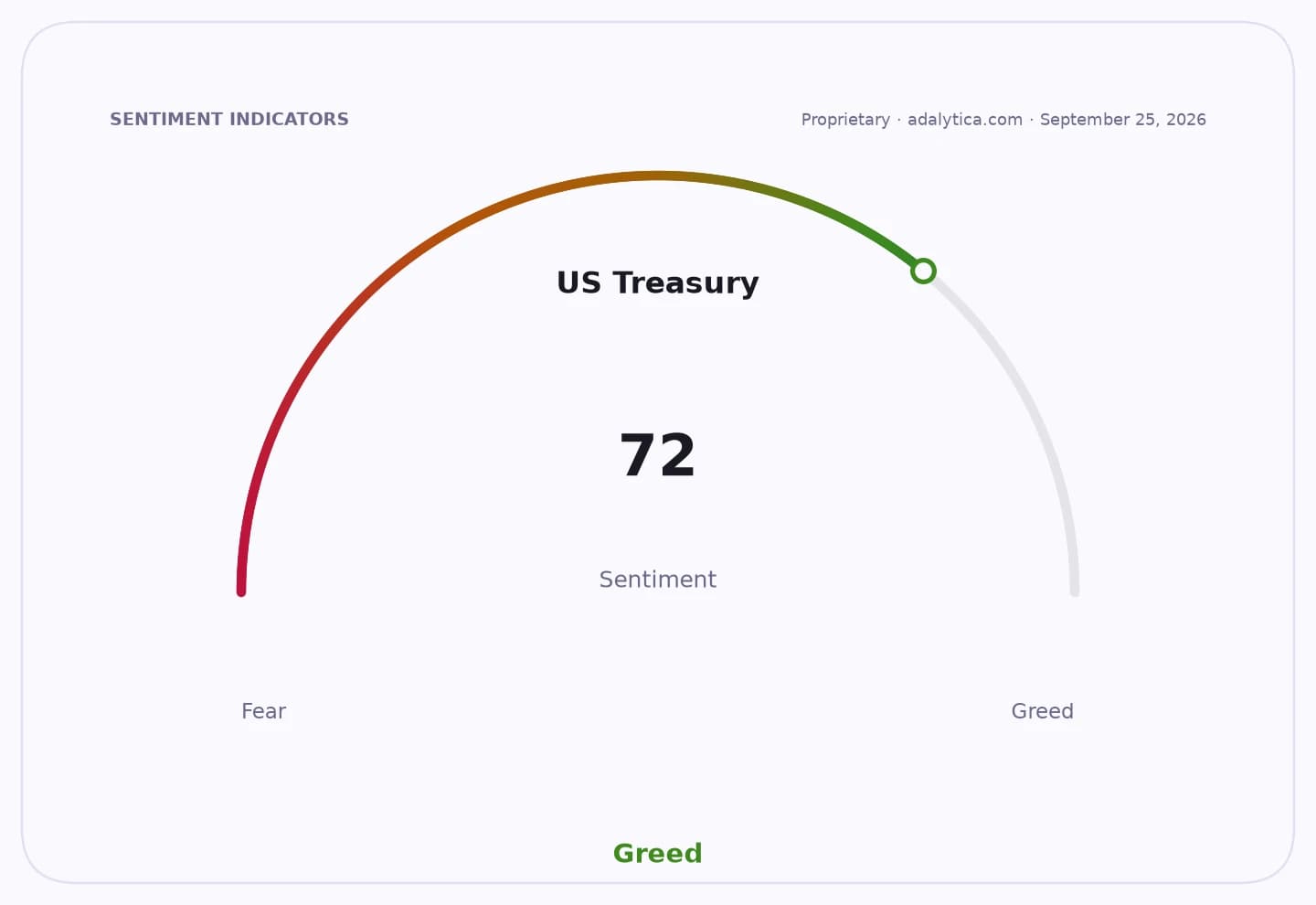
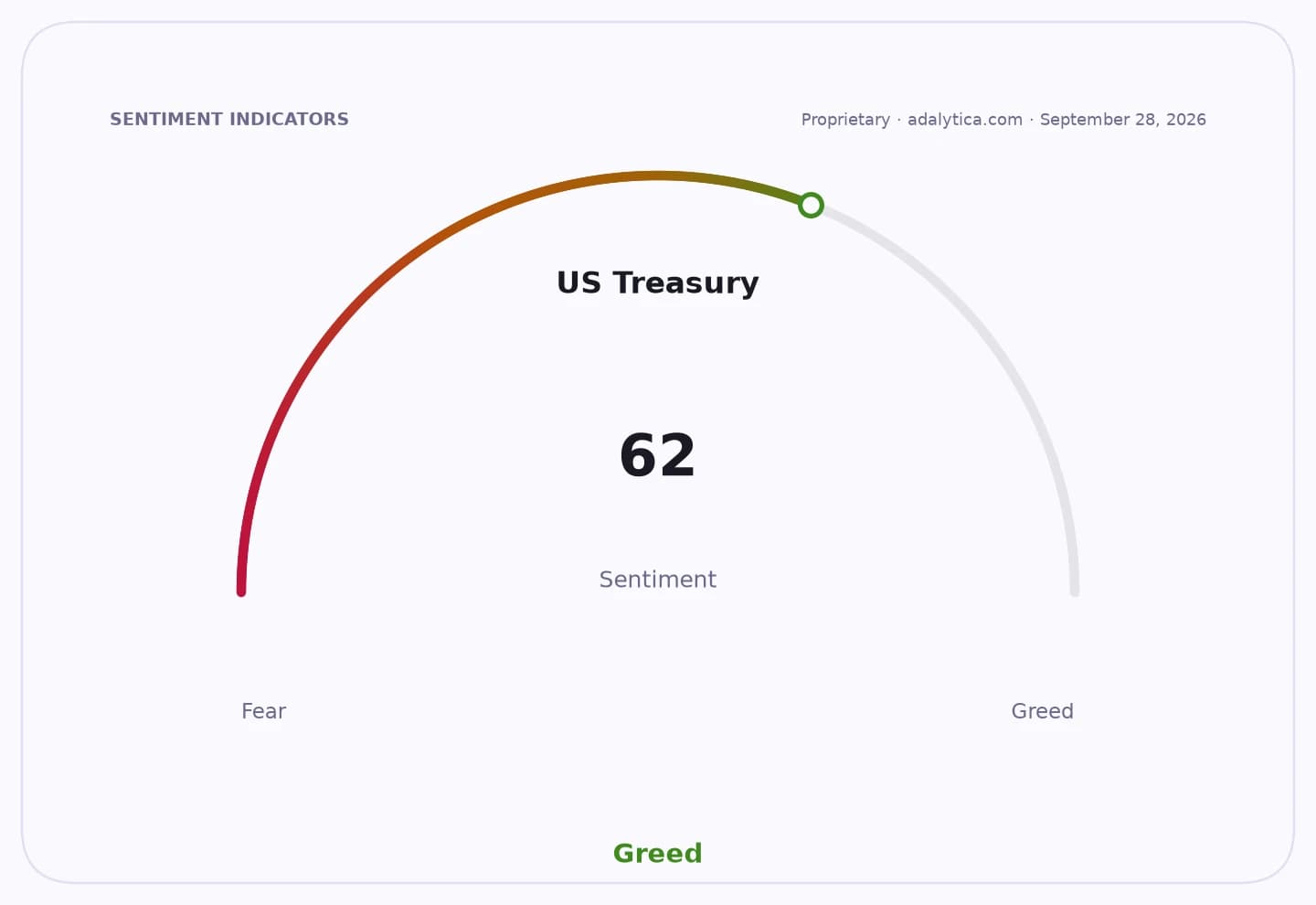
Sentiment IndicatorsⓘProprietary · adalytica.com · October 3, 2026
This is a snapshot — live sentiment, awareness and momentum for 130+ markets update continuously in the dashboard.Open AlphaPulse

The agency expects the federal deficit to widen to 7.8% of GDP this year from 6.8% in 2025, while gross debt is projected to climb to 144% of output by 2031 from 124%. Higher interest costs are tightening the government’s room to maneuver, a problem that becomes more expensive precisely because Washington is now financing a larger debt stock at elevated rates.
The warning lands after years of erosion in U.S. sovereign standing. Fitch cut the United States in 2023 over deteriorating fiscal metrics and repeated debt-ceiling brinkmanship. Moody’s stripped the country of its last top-tier AAA rating in 2025 as debt rose, while S&P and Fitch have since kept the U.S. in the high-grade bracket. Scope’s action does not change the near-term funding picture, but it adds to the chorus saying the fiscal trajectory is drifting in the wrong direction.

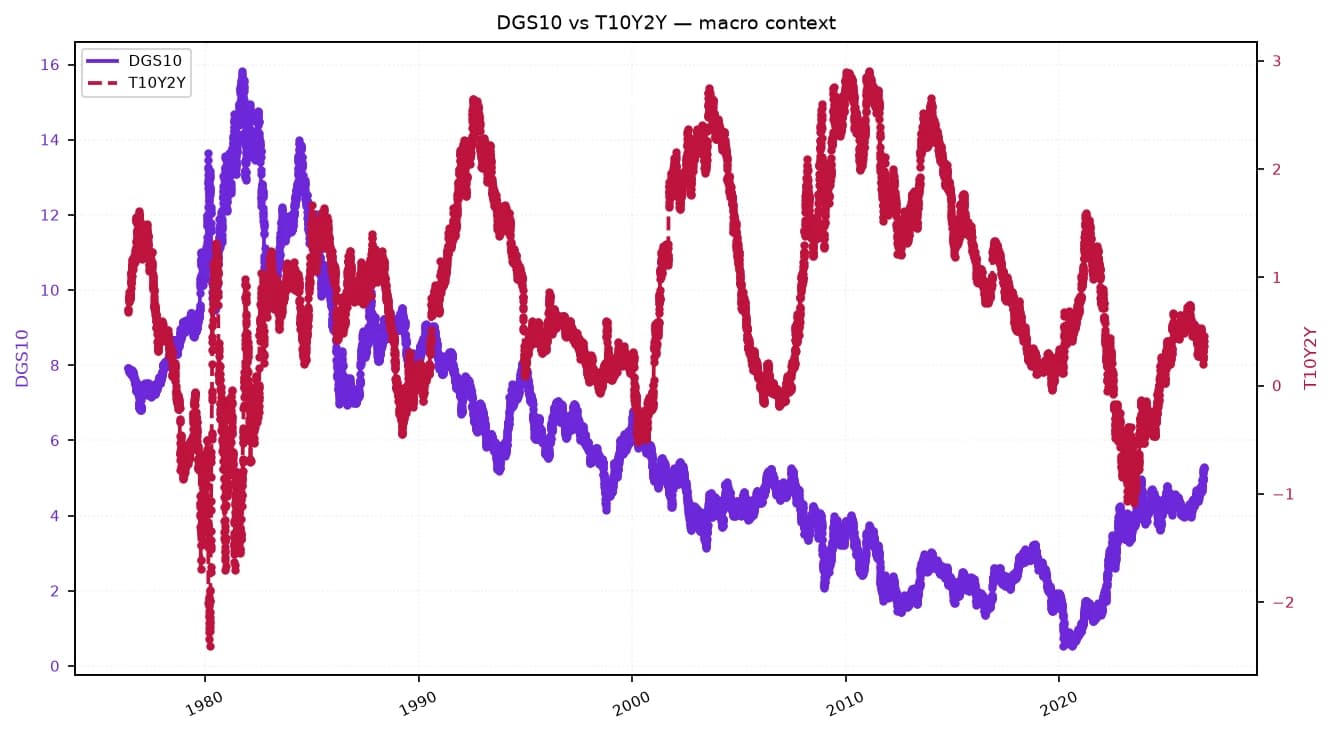
For investors, the immediate market question is whether the warning changes Treasury demand or simply reinforces an already known theme. So far, it appears to be the latter: the 10-year Treasury yield has been hovering around 5.3%, reflecting the market’s broader adjustment to persistent inflation and policy rates that remain above 3.7%. That backdrop has already left long-duration government bonds vulnerable, with TLT trading below both its 50-day and 200-day moving averages and its RSI in oversold territory.
The message for equities is more indirect but no less important. U.S. stocks have remained resilient — the S&P 500 is still near record levels — yet a heavier debt burden can eventually translate into higher term premiums, tighter financial conditions and more competition between Treasury issuance and private capital needs. In that sense, the rating agency’s note is less about a near-term downgrade cycle than about the growing cost of fiscal delay.
There is also a policy dimension. A stable outlook from Scope suggests no immediate deterioration severe enough to force a fresh cut, but that stability depends on a baseline of continued growth and institutional durability. Any renewed debt-ceiling fight, sharper slowdown or rise in borrowing costs would test that assumption quickly. Investors should read the decision as a reminder that the United States remains highly creditworthy — but no longer immune to the arithmetic of debt.
| Entity | Gains | Losses |
|---|---|---|
| U.S. Treasury | ▲Preserved market access | ▼Higher future borrowing costs |
| Treasury bond holders | ▲Safe-haven status intact | ▼Price pressure from high yields |
| Equity investors | ▲No immediate downgrade shock | ▼Higher-term-rate risk |
| Fiscal hawks | ▲Credibility for debt warnings | ▼Slower policy response to deficits |