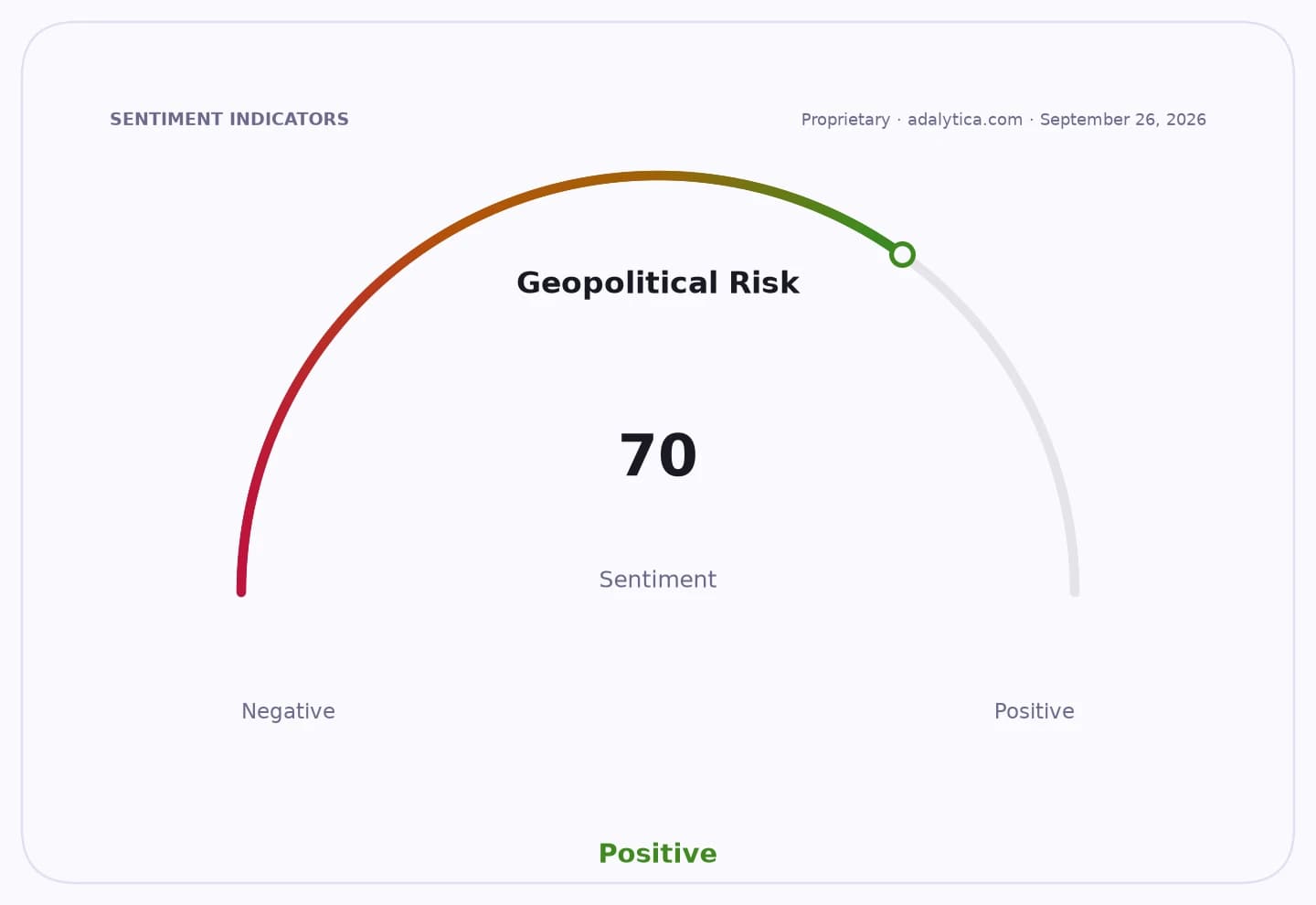
Pakistan is trying to remake its economy around foreign investment and exports just as oil prices climb back above $100 a barrel, a reminder that growth plans in Islamabad will be judged not by speeches but by hard currency, energy costs and the country’s ability to keep its external accounts stable.
Pakistan Growth Plan Faces Higher Oil Prices
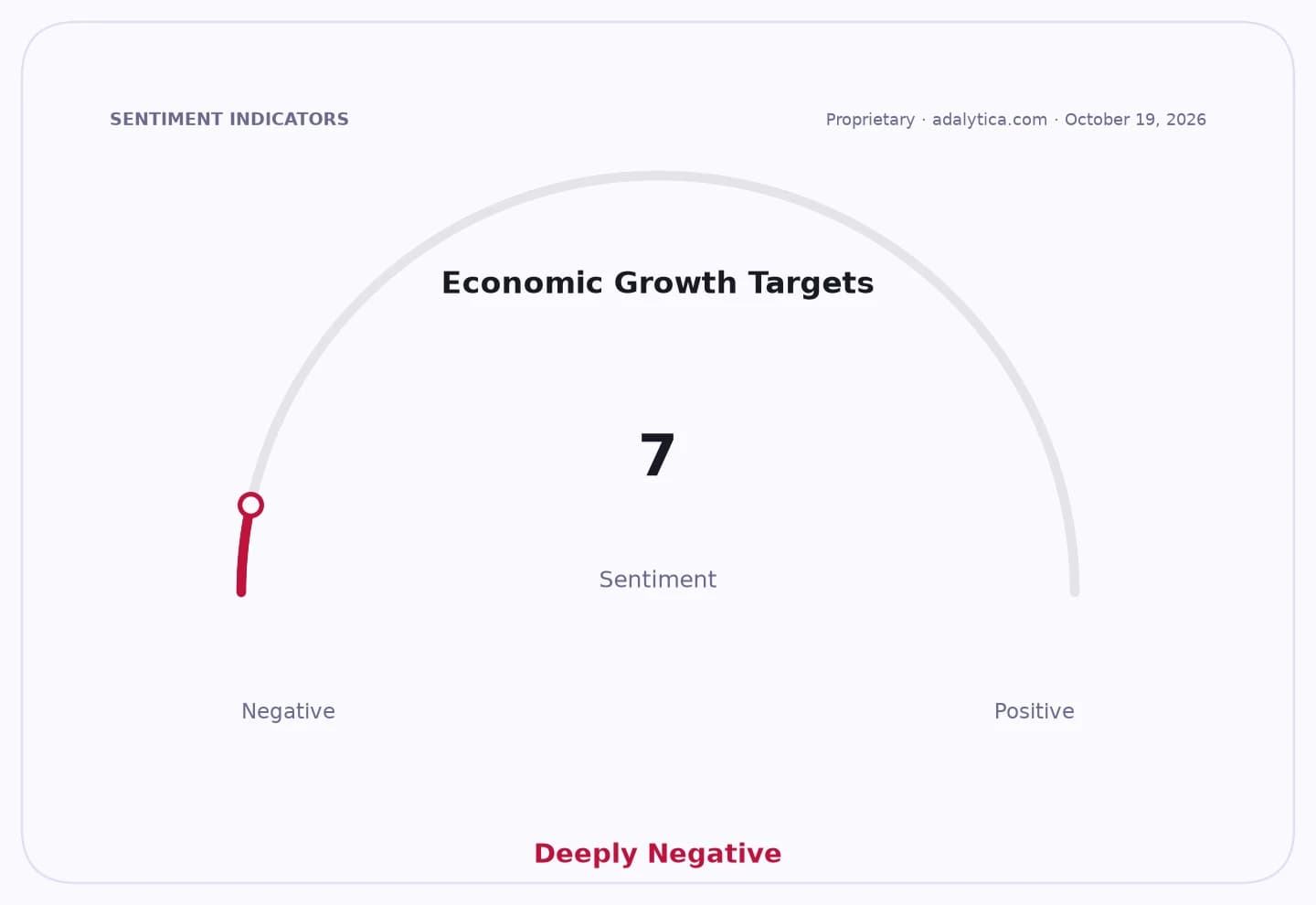
Finance Minister Muhammad Aurangzeb said Pakistan is pursuing an investment- and export-led growth model, a shift that matters because the country has spent years leaning on debt, imports and repeated IMF support. That old model leaves Pakistan vulnerable whenever oil rises, borrowing costs tighten or global demand weakens. A strategy built on private capital and exports is the only durable way to create jobs, earn foreign exchange and reduce the stop-start cycles that have long hampered growth.
The timing is notable. Brent-linked crude benchmarks have surged, with U.S. oil above $100 a barrel in the latest data, raising pressure on import-dependent economies. Pakistan is especially exposed because energy is a major drag on its current account and inflation. When oil rises, the country’s import bill climbs, the rupee comes under pressure and policymakers are forced to choose between growth and stability. For investors, that is the central question: can Pakistan generate enough export earnings and outside investment to offset those headwinds?
There are some encouraging signs. Islamabad has been signaling closer engagement with international financial institutions and development lenders, while also trying to attract industrial investment that can expand manufacturing and exports. That is economically important because Pakistan does not need a short-term boost as much as a larger, more productive export base — textiles, manufacturing and higher-value industrial output that can plug into global supply chains. If that happens, the economy becomes less dependent on emergency financing and more attractive to long-term capital.
But the path is narrow. Higher oil prices tend to punish countries with weak external balances, and Pakistan still faces heavy debt, reform fatigue and regional tensions that can deter investors. The market implication is straightforward: any credible progress on reform, export growth and foreign direct investment could improve confidence in Pakistani assets, but setbacks will quickly revive worries about reserves, inflation and IMF dependence.
For long-term investors, the story is not about chasing a single headline. It is about whether Pakistan can finally build a growth model that compounds over years rather than lurching from one funding crunch to the next. That makes exports, energy discipline and investment inflows worth watching closely.
| Entity | Gains | Losses |
|---|---|---|
| Pakistan policymakers | ▲More credible growth path | ▼Pressure to deliver reforms |
| Exporters | ▲Higher foreign earnings | ▼Imported input costs |
| Energy importers | ▲— | ▼Bigger fuel bill |
| Long-term investors | ▲Potential rerating | ▼Policy and oil-price risk |