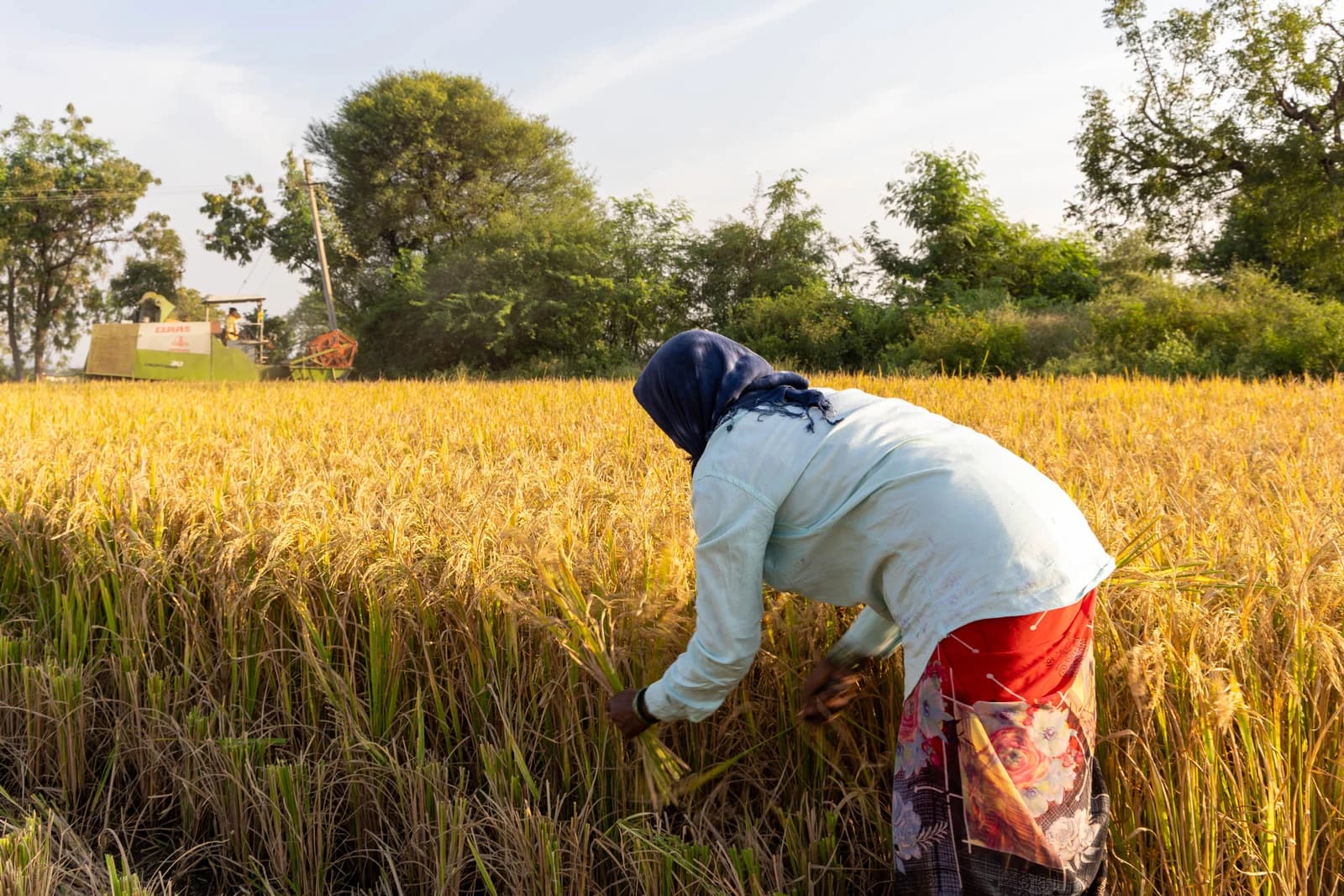
Pakistan has completed arrangements to import wheat, a stopgap that underscores the scale of a domestic supply shortfall after production collapsed 46% and the crop suffered its worst crisis in six decades.
Pakistan Wheat Imports After Production Collapse
Deputy Prime Minister and Foreign Minister Ishaq Dar said the first shipment will reach Karachi before the end of the month, signaling the government is moving fast to secure supplies as flour prices and broader food inflation remain politically sensitive. The import plan reflects a deeper problem in Pakistan’s farm economy: rising power, fertilizer, diesel, seed and pesticide costs have squeezed growers while policy swings have left the country alternating between exports and imports.
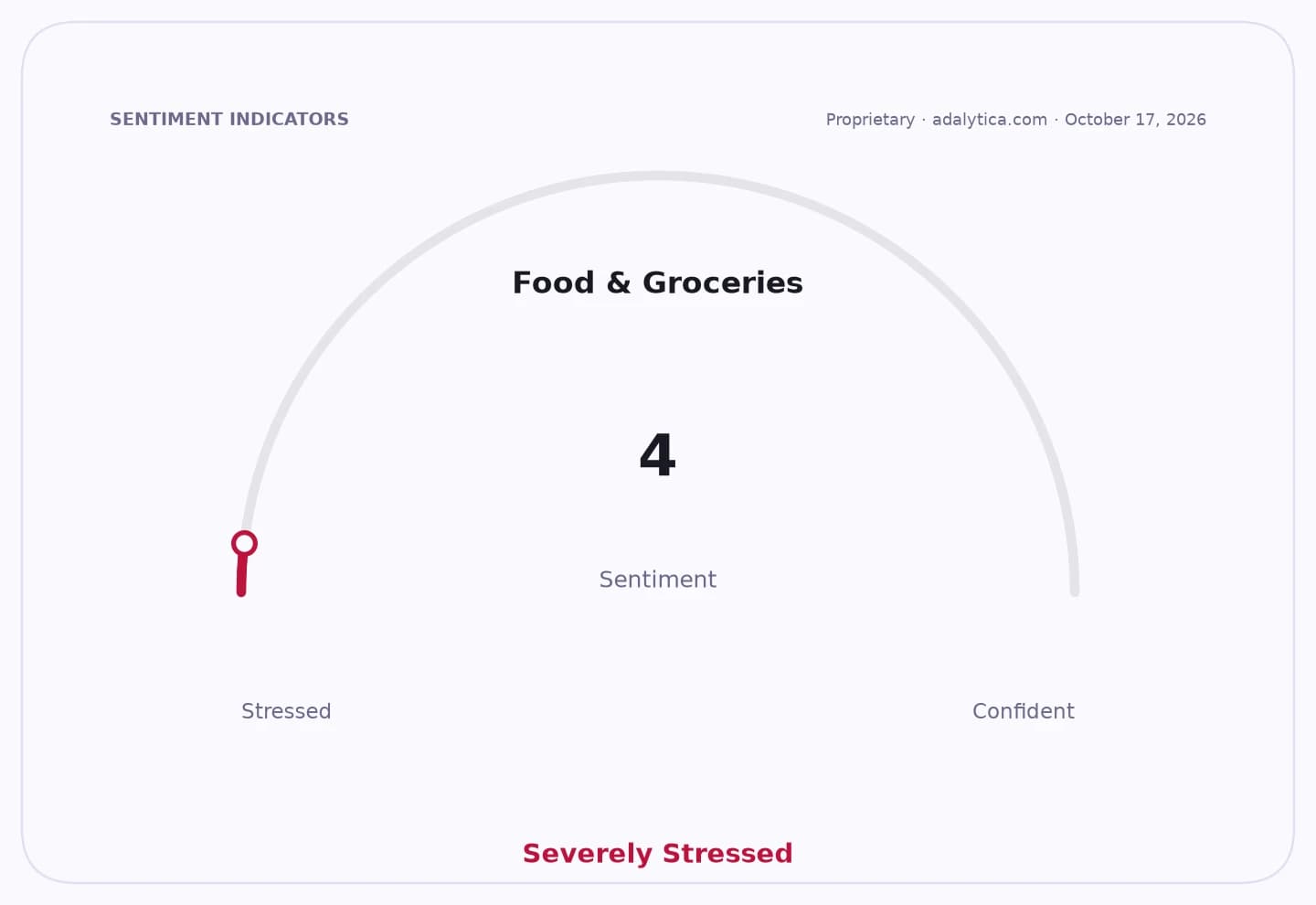
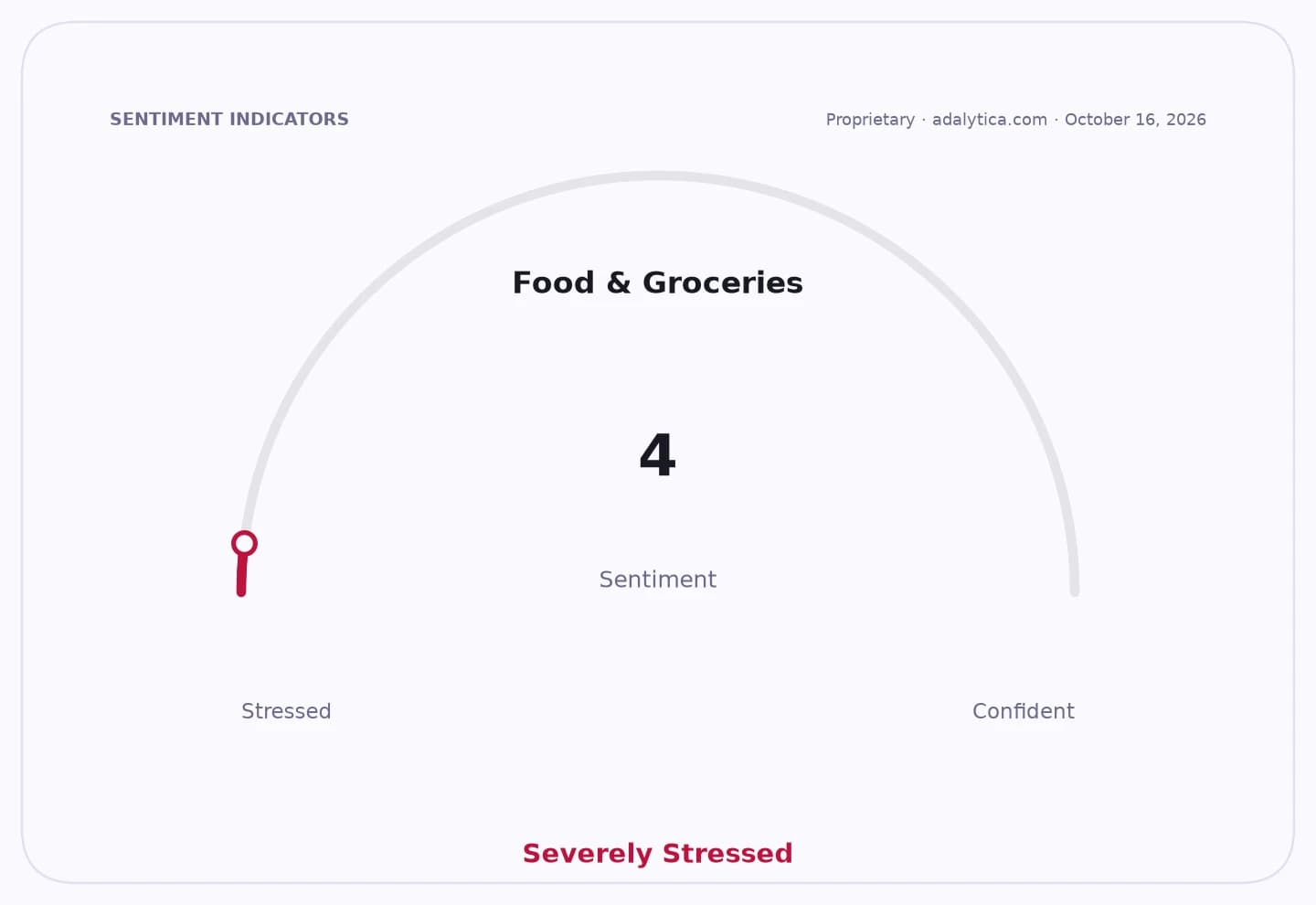
Sentiment IndicatorsⓘProprietary · adalytica.com · October 16, 2026
This is a snapshot — live sentiment, awareness and momentum for 130+ markets update continuously in the dashboard.Open AlphaPulse
The shift matters economically because wheat sits at the center of Pakistan’s food bill and inflation outlook. Heavy import dependence also drains foreign exchange at a time when the rupee remains vulnerable and the government has limited room to absorb higher global commodity costs.
For investors, the development keeps focus on Pakistan’s food inflation, policy credibility and the outlook for companies tied to grains, logistics and consumer staples. Import demand can support global wheat prices at the margin, even as world benchmark funds such as the Teucrium Wheat ETF trade near their 50-day moving average with RSI readings still well below overbought levels after recent volatility.
The broader backdrop is worsening for wheat producers elsewhere too, with Morocco also turning to imports after a weak harvest and Egypt tightening import requirements as Black Sea supply flows stay constrained. That leaves importers more exposed to weather, freight and trade disruptions, while exporters and grain traders stand to benefit from another round of state-backed buying.
The key question now is whether Pakistan can stabilize domestic production before import dependence becomes structural again. If not, the country faces another season of higher food costs, strained farmers and renewed pressure on policy makers to explain why an agricultural economy keeps having to buy wheat abroad.
| Entity | Gains | Losses |
|---|---|---|
| Grain exporters | ▲More demand for wheat cargoes | ▼Less pricing power if supply stays ample |
| Pakistan consumers | ▲Near-term supply relief | ▼Higher flour and food costs |
| Pakistan farmers | ▲Potential policy attention | ▼Lower earnings and higher input costs |
| Wheat funds/traders | ▲Volatility and buying interest | ▼None if imports disappoint |