Algeria has returned to the international wheat market with a fresh purchase of 600,000 tonnes, underscoring how a tighter global grain market and stubborn domestic demand are forcing one of the world’s biggest importers to keep spending more to secure food supplies.
Algeria Buys 600,000 Tonnes of Wheat
That matters because Algeria is not buying into a calm market. Reuters reported the tender landed at about $326.5 to $362 a tonne, cost and freight, above the roughly $319 to $321 a tonne paid on a previous purchase last August, when the country bought 500,000 tonnes. Higher prices for a larger cargo mean the North African state is locking in a bigger import bill just as conflicts in the Middle East and the Black Sea are keeping grain logistics strained and volatility elevated.
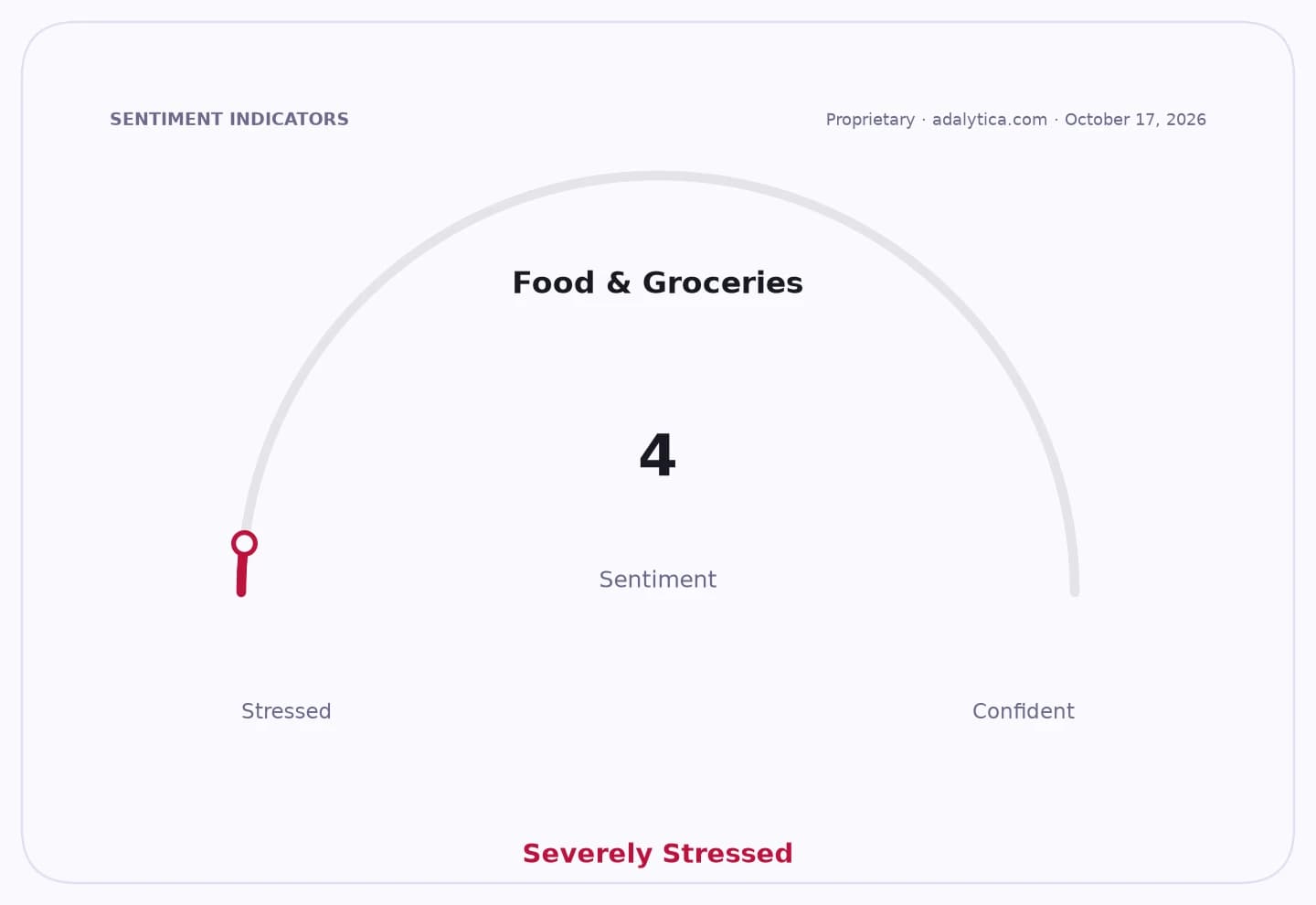
Sentiment IndicatorsⓘProprietary · adalytica.com · October 17, 2026
This is a snapshot — live sentiment, awareness and momentum for 130+ markets update continuously in the dashboard.Open AlphaPulse
For investors, the message is not just about one purchase. It is about a durable demand floor for wheat, freight and agricultural exporters, and about the countries and suppliers that are still winning business as trade patterns shift. Reuters said the latest cargoes could come from Russia, Romania, Bulgaria and Argentina, while France, once a traditional supplier, was again absent from the list. That is a reminder that geopolitical friction and pricing power are reshaping grain flows just as much as weather and harvest data.
Algeria is one of the world’s largest cereal importers, with planned purchases of 8.5 million tonnes in the 2026-27 marketing year, according to the French report. It is a structural buyer, not a tactical one. That makes every tender a signal for global supply chains and for exporters competing for share of a market where bread and flour remain heavily subsidized and politically sensitive.
The investment angle is straightforward: tighter grain availability and persistent state buying support exposure to wheat through funds such as WEAT, even if short-term technicals show the ETF has pulled back from recent highs. WEAT’s price slipped to $24.00 on Oct. 16 from a peak above $26 in July, while the 50-day moving average remains above the 200-day average, suggesting the broader uptrend is intact despite the recent consolidation.
The broader setup still favors grain producers, merchandisers and logistics providers over import-dependent economies. If Black Sea disruption persists and Algeria keeps leaning on outside supply, the market underestimates how quickly food import costs can filter into fiscal pressure, subsidy burdens and inflation in vulnerable economies. The next catalyst will be whether other major buyers follow Algeria’s lead into the market as the year-end delivery window approaches. For investors, this is a reminder that food security is becoming a recurring trade — and wheat remains one of the cleanest ways to express that thesis.
| Entity | Gains | Losses |
|---|---|---|
| Wheat exporters | ▲Higher sales volumes | ▼More competition for supply |
| Algeria | ▲Secures supply | ▼Faces a bigger import bill |
| French wheat farmers | ▲None | ▼Lose market share |
| WEAT holders | ▲Demand support | ▼Near-term price pullback risk |