Algeria’s president said a wave of registered investment projects, including about 10,000 “excellent” projects and 300 foreign-linked ventures, should lift production, create jobs and reduce pressure on hard currency earnings if they are executed on schedule.
Algeria Investment Projects Could Lift Output and Exports
The message matters because Algeria has been trying to move beyond an economy that still leans heavily on hydrocarbons and imported goods. Turning a large pipeline of registered projects into operating factories, mines and logistics assets would widen the country’s industrial base, support domestic supply, and help bring in foreign exchange through both exports and import substitution.
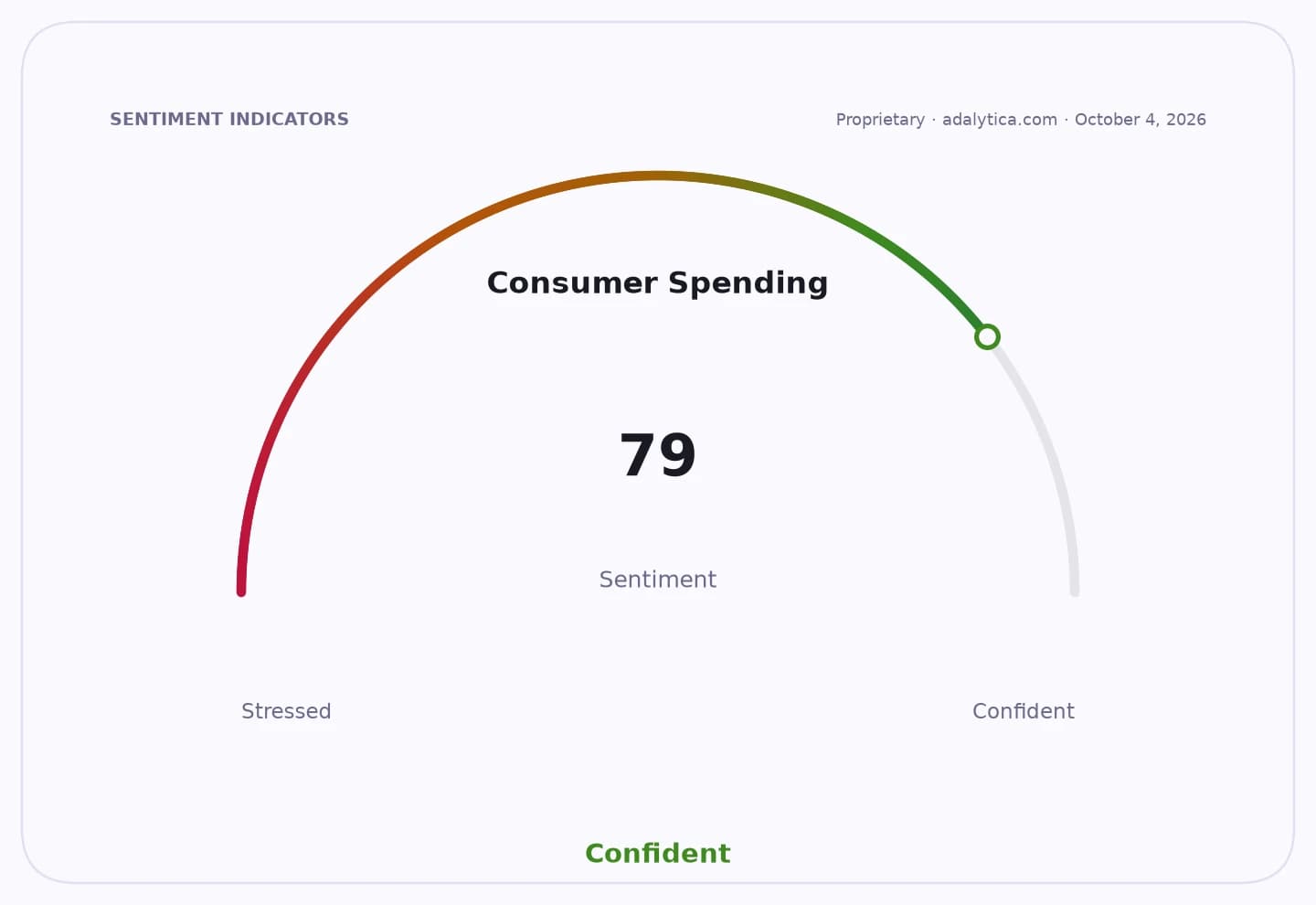
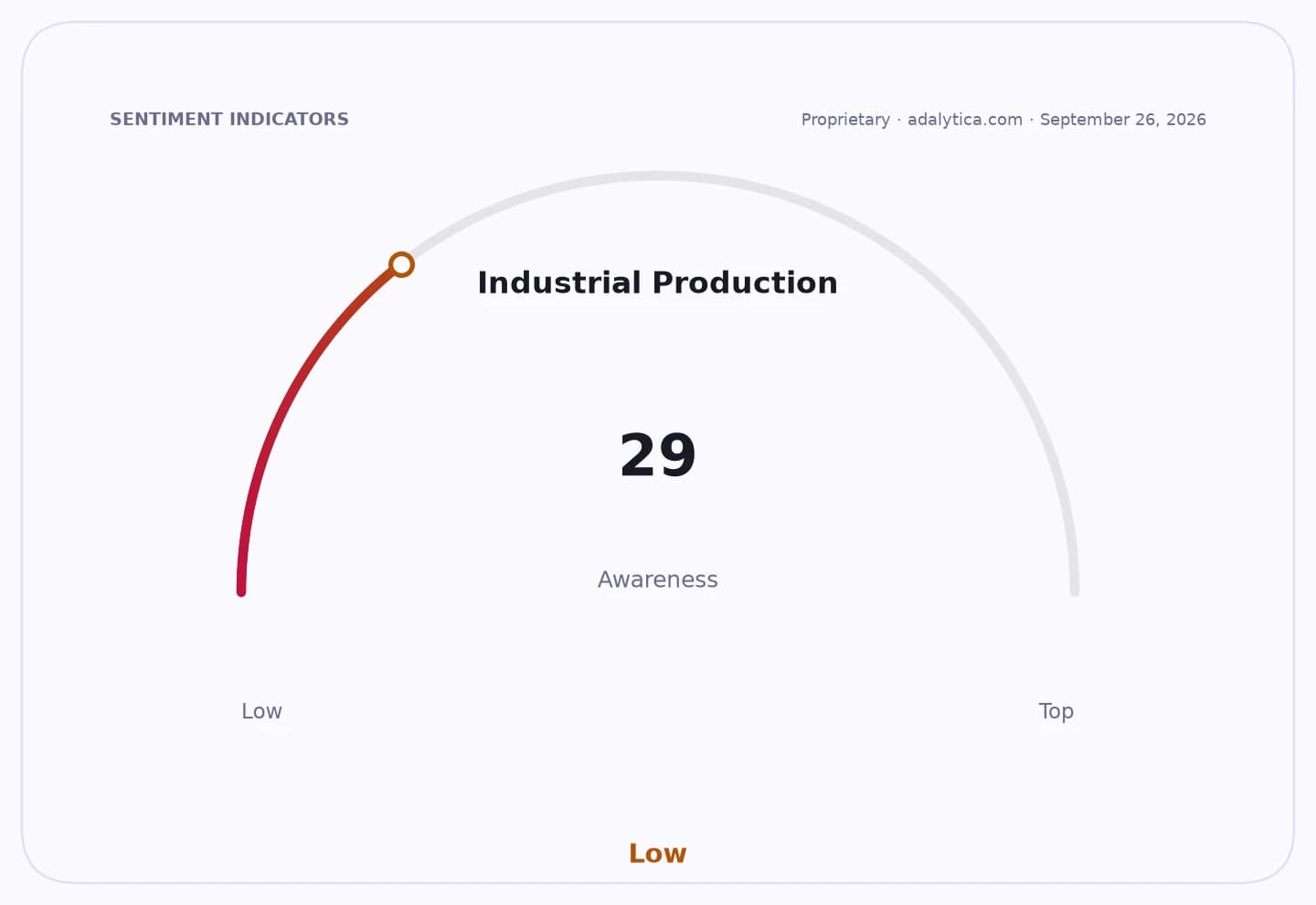
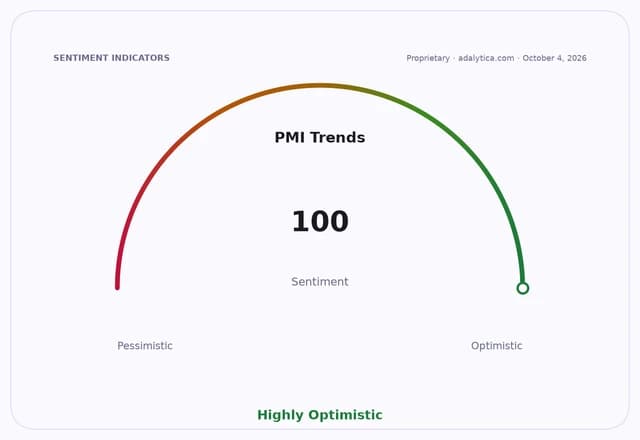
Sentiment IndicatorsⓘProprietary · adalytica.com · October 4, 2026
This is a snapshot — live sentiment, awareness and momentum for 130+ markets update continuously in the dashboard.Open AlphaPulse
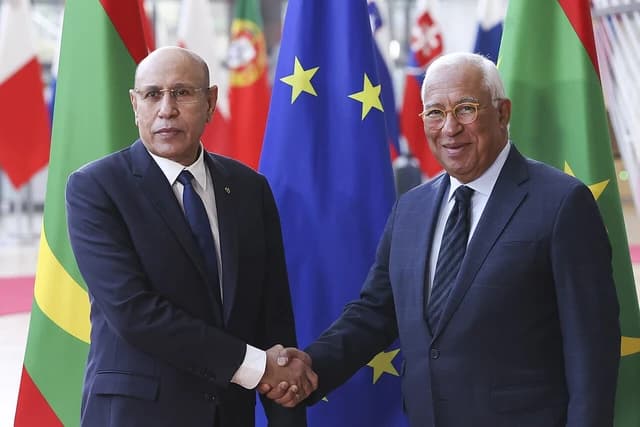
President Abdelmadjid Tebboune said the projects registered with the Algerian Investment Promotion Agency span small, medium and large ventures across the country. He framed the investment surge as evidence that “the Algerian economy is regaining its health” and that confidence was returning, while noting that Algeria has opened investment opportunities to Arab partners as well.
The foreign investment element is important for investors because it suggests the authorities are still trying to broaden the country’s funding base and technology transfer, not just mobilize domestic capital. In a country where state spending has long driven activity, more private and foreign projects could improve productivity and ease the strain on public finances if they are implemented efficiently.
Tebboune also pointed to progress on the integrated phosphate project, one of the country’s most strategic industrial bets. He said work on the railway line linked to the project should be completed by year-end at the latest, with technical testing ending late this month, and that expansion of Annaba port tied to the scheme could be delivered by the end of the first quarter of 2027.
That matters economically because phosphate is one of the clearest routes for Algeria to build a new export industry beyond oil and gas. A functioning rail-port-export chain would determine whether the project becomes a genuine foreign-exchange earner or remains another long-dated infrastructure promise.
For investors, the near-term readthrough is that Algeria is signaling continuity on investment liberalization and industrial policy, but execution remains the key risk. The bullish case is that a broad project pipeline, stronger foreign participation and major transport links could lift industrial output, employment and exports. The bear case is that delays, permitting bottlenecks and infrastructure slippage could keep the headline numbers from translating into cash flow and growth.
The next test will be whether the government can convert registrations into construction starts, equipment installation and export-ready capacity. For now, the story is less about the announcement than about whether Algeria can finally turn investment intent into measurable production.
| Entity | Gains | Losses |
|---|---|---|
| Algerian government | ▲Faster growth narrative | ▼Pressure if projects stall |
| Domestic workers | ▲More jobs | ▼Delayed hiring if execution slips |
| Foreign investors | ▲New entry opportunities | ▼Policy/execution uncertainty |
| Hydrocarbon-dependent economy | ▲Broader export base | ▼Continued concentration risk |