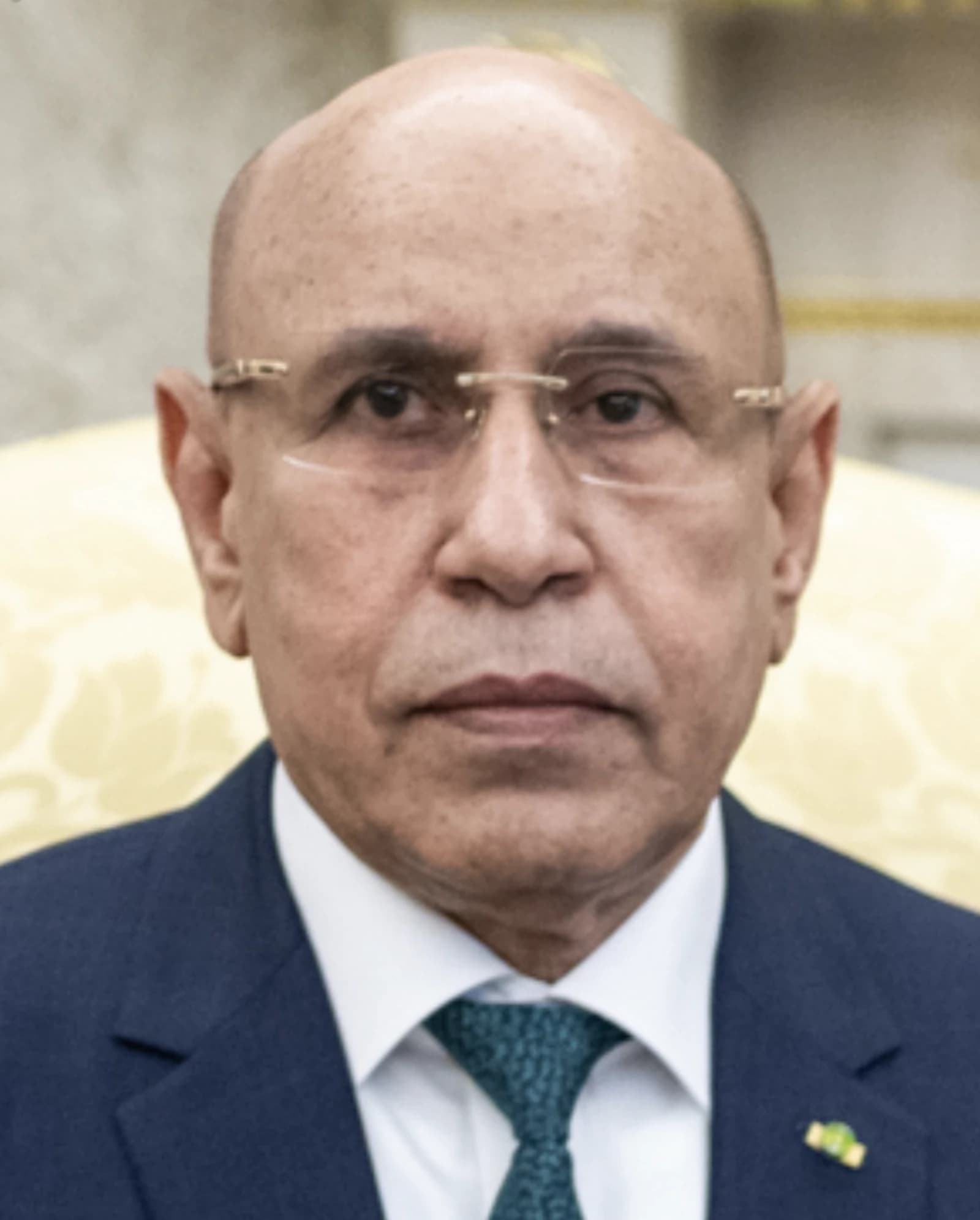
Algeria’s president said the economy will expand faster than the IMF expects, setting a more upbeat tone for growth, reserves and export earnings as the country tries to lean less on imports and more on domestic industry.
Algeria GDP Growth Seen Above IMF Forecast
Abdelmadjid Tebboune said he expects gross domestic product growth of about 4.01% to 4.02%, above the IMF’s 3.8% forecast, and reiterated a goal of reaching a $400 billion economy by the end of 2026 or in the first quarter of 2027. He also said Algeria wants annual external receipts to stay above $50 billion and that the country should have no debt through 2031.
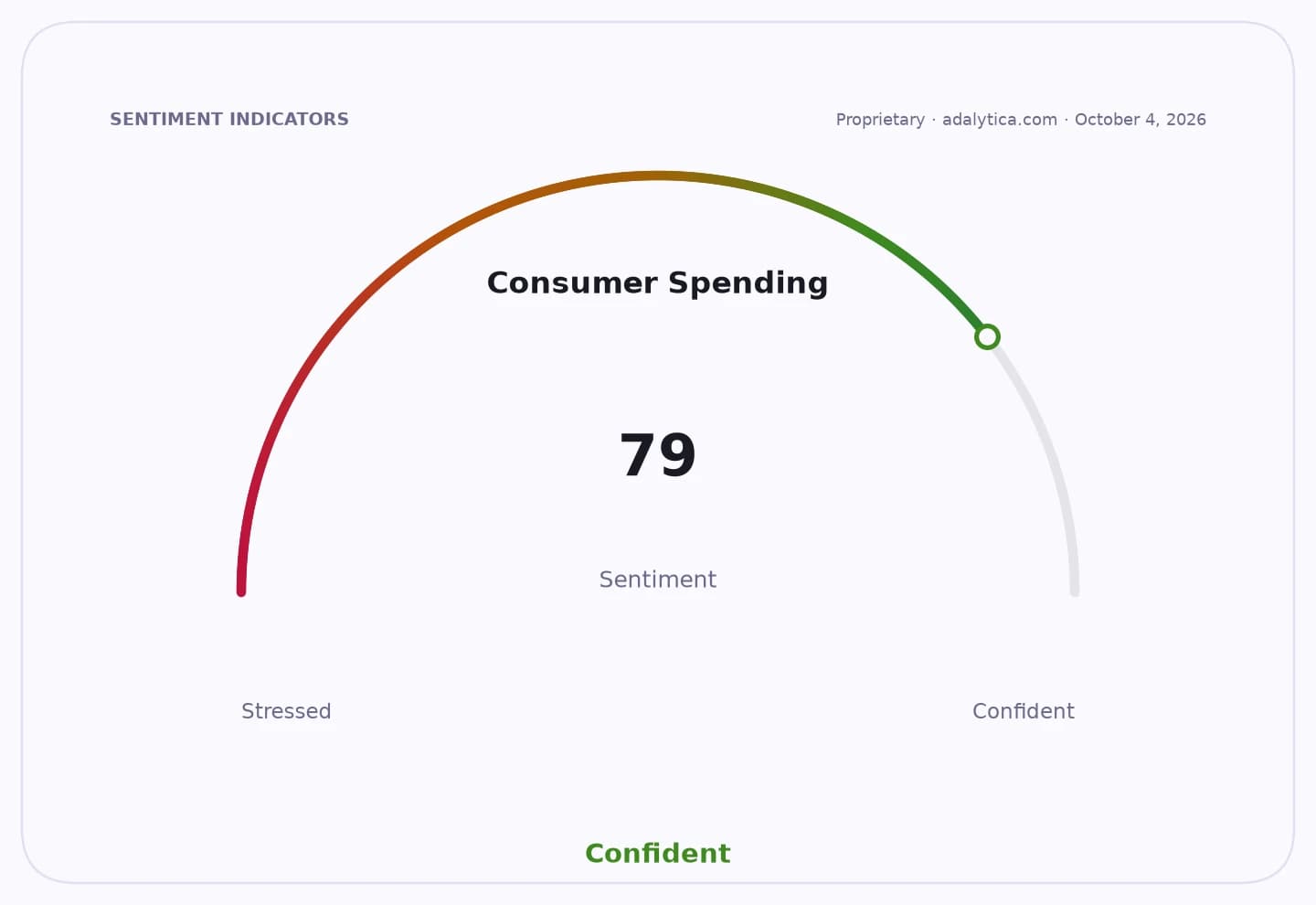
Sentiment IndicatorsⓘProprietary · adalytica.com · October 4, 2026
This is a snapshot — live sentiment, awareness and momentum for 130+ markets update continuously in the dashboard.Open AlphaPulse
The message matters because Algeria is trying to turn a resource-heavy economy into a broader industrial base while protecting foreign-exchange reserves. Tebboune pointed to autos, mining, steel and appliances as new contributors, alongside development of the Gara Djebilet iron deposit and the pharmaceutical sector, in a sign the government wants non-energy production to do more of the work.
For investors, the implied upside is a steadier balance of payments and a stronger local market if the industrial push translates into real output and lower import dependence. But the president also underscored tighter controls on imports through the prévisionnel import program, saying authorities will scrutinize requests that exceed companies’ real needs and that justice will act against irregularities on the digital filing platform.
Energy remains central to the story. Tebboune reiterated Algeria’s role inside OPEC as a “responsible” producer and said the country aims to ease oil-market tensions, while also promoting the Trans-Saharan Gas Pipeline as a strategic project linking Africa and Europe. His remarks suggest the government wants to keep hydrocarbons supportive of growth even as it presses ahead with diversification.
The near-term test is whether Algeria can convert those plans into sustained industrial production without choking trade flows or deterring legitimate importers. Markets will be watching the pace of non-oil investment, export receipts and any signs that tighter controls start to bite before the 2027 growth target comes into view.
| Entity | Gains | Losses |
|---|---|---|
| Algeria government | ▲Stronger growth narrative | ▼Pressure to deliver results |
| Domestic industry | ▲More investment support | ▼Tighter import scrutiny |
| Exporters / hydrocarbon sector | ▲Stable policy backdrop | ▼Less room for price volatility |
| Import-dependent operators | ▲None | ▼Slower approvals, more checks |