Egypt is trying to turn its industrial base from a source of domestic output into a much bigger export engine, with a goal of lifting industrial exports to $100 billion by 2030 and backing that ambition with a wider rollout of factory land, industrial complexes and permitting reform.
Egypt Targets $100 Billion Industrial Exports by 2030
That matters because the strategy is not just about building more plants. It is about deepening local manufacturing, raising value added and keeping more of the supply chain at home, all of which can help Egypt narrow import dependence, create jobs and earn more foreign currency from higher-value goods.
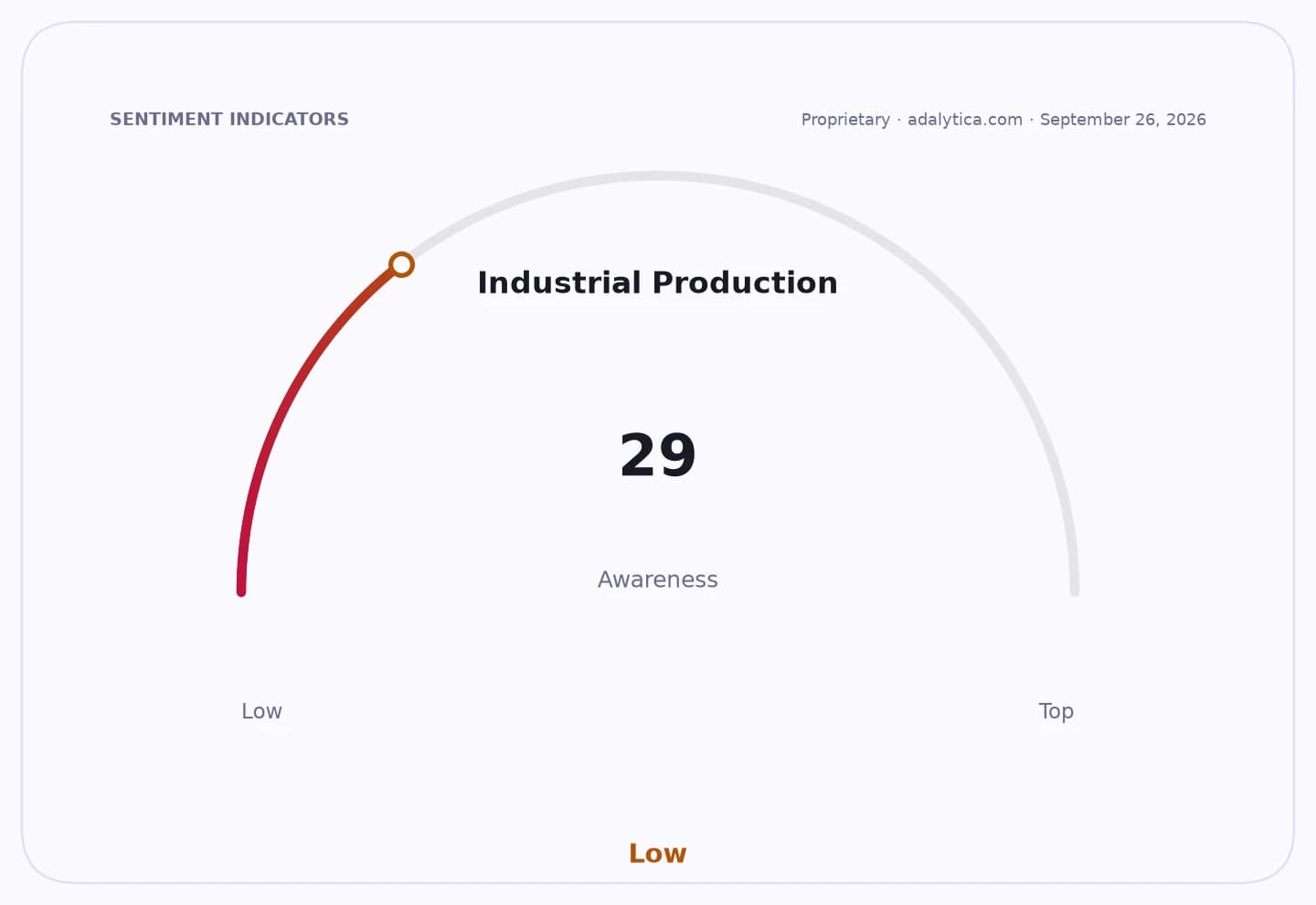
Sentiment IndicatorsⓘProprietary · adalytica.com · September 26, 2026
This is a snapshot — live sentiment, awareness and momentum for 130+ markets update continuously in the dashboard.Open AlphaPulse
The government said industrial production is targeted to rise to 6.8 trillion Egyptian pounds in fiscal 2025/26, up 19% from the previous year, while industrial output is expected to reach 2.9 trillion pounds. It also plans 252.8 billion pounds of investment in manufacturing, with the private sector accounting for about 83% of the total, a reminder that the state is trying to crowd in capital rather than carry the burden alone.
The export goal is part of a broader national push to raise industry’s contribution to gross domestic product to 20% by 2030. In practical terms, that means Egypt wants factories to run harder, not just multiply in number. Non-oil manufacturing growth rose to 7.1% in the first quarter of fiscal 2024/25, while industrial exports climbed to $39.6 billion in 2024/25 from $18.7 billion in 2013/14, according to the figures provided. That is progress, but it also shows the country still has a long way to go before reaching the 2030 target.
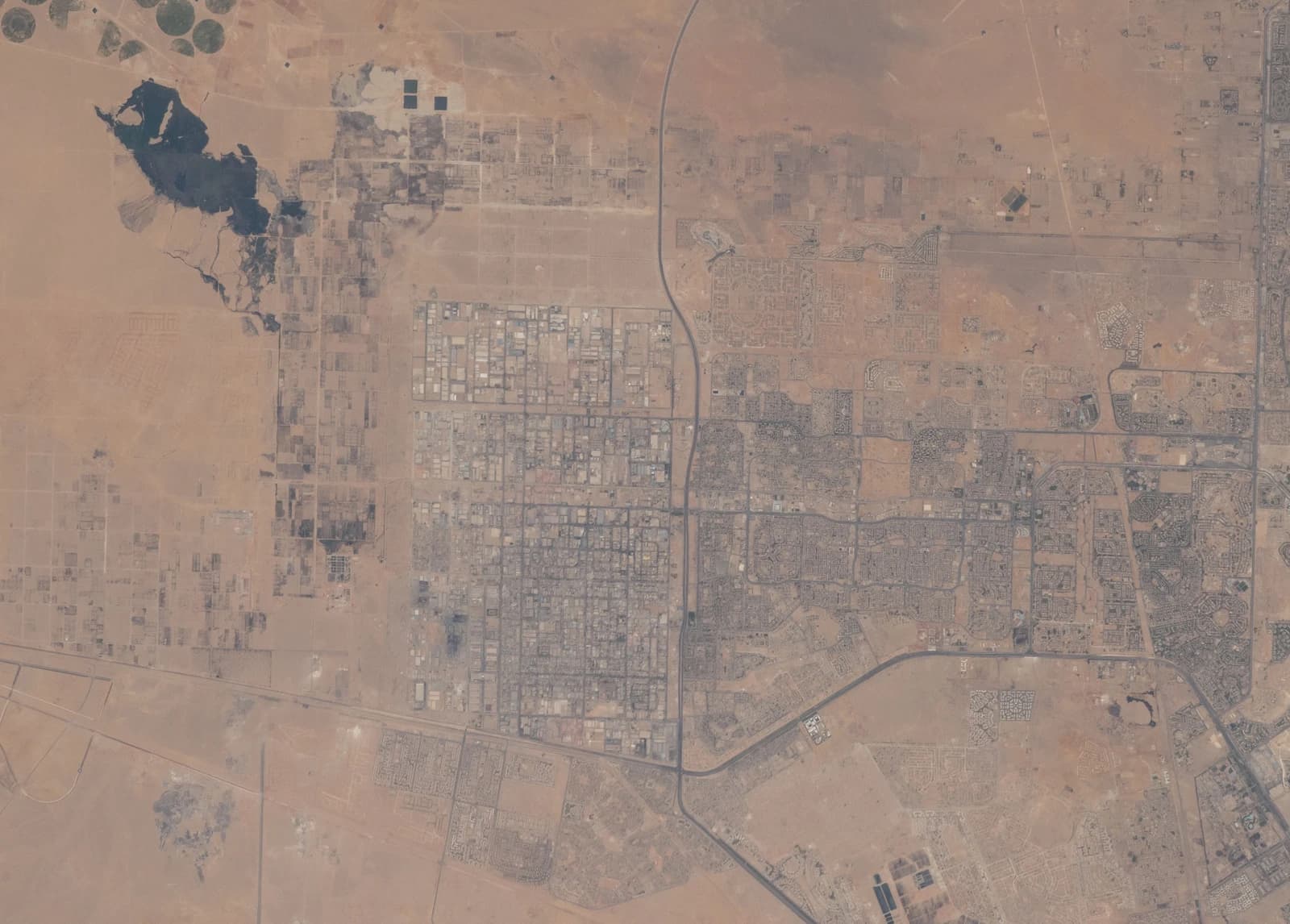
The physical buildout is moving in tandem. Egypt now has 157 industrial zones, including 25 operating under the industrial developer model, and it has established 16 industrial complexes across 15 governorates with 4,808 units. Of those, 3,696 units have already been allocated, suggesting demand for formal industrial space remains strong. The government has also offered 1,272 fully serviced industrial plots across 23 governorates covering 9.78 million square meters, while a separate allocation process has made more than 14.8 million square meters available for new factories.
That land is crucial. For investors, the bottleneck in many emerging markets is not the business idea but the ability to get a factory connected, licensed and producing. Egypt is trying to reduce that friction through its digital industrial platform, faster licensing and rules that make it easier to lease existing factories or transfer industrial assets under defined conditions. The hope is that lower setup costs and faster approvals will bring projects from paper to production more quickly.
There is also a clear emphasis on quality and export readiness. The Industrial Modernization Center provided 19,889 technical services to 3,296 companies, while the standards authority issued thousands of new or updated specifications and expanded quality certification. That matters for investors because export growth is not just about volume; it depends on whether Egyptian goods can meet international standards and enter global value chains without constant rework or delays.
For long-term investors, the story is less about one year’s budget and more about whether Egypt can convert infrastructure spending and policy reform into a durable manufacturing platform. If it does, the winners are likely to be exporters, industrial developers, machinery suppliers and logistics firms. If it does not, the risks are familiar ones: underused land, slow execution and a gap between policy ambition and factory-level profitability.
Still, the direction of travel is constructive. Egypt is not simply chasing a bigger headline number. It is laying out the industrial land, permitting system and support services that make export-led manufacturing possible. For patient investors, that makes the country’s industrial buildout worth watching closely over the next several years.
| Entity | Gains | Losses |
|---|---|---|
| Egyptian manufacturers | ▲More land, permits, export support | ▼Less protection from global competition |
| Private investors | ▲Bigger industrial pipeline | ▼Execution and policy delays |
| Exporters | ▲Higher value-added shipments | ▼Firms unable to meet standards |
| Import-dependent sectors | ▲Local substitution | ▼Foreign suppliers |