Egypt’s labor market just got a small but telling boost: the government is advertising 200 private-sector jobs in Giza with a monthly salary of 9,000 Egyptian pounds, along with social and health insurance, housing, meals and transport support.
Egypt labor ministry advertises 200 jobs in Giza

That matters because Egypt’s real economic challenge is not just creating jobs, but creating formal jobs that can absorb young workers without pushing household finances deeper under pressure. A package that includes insurance, accommodation and three meals a day shows employers are competing on total compensation, not just base pay, in a labor market where wage stability and living costs matter as much as headline salaries.
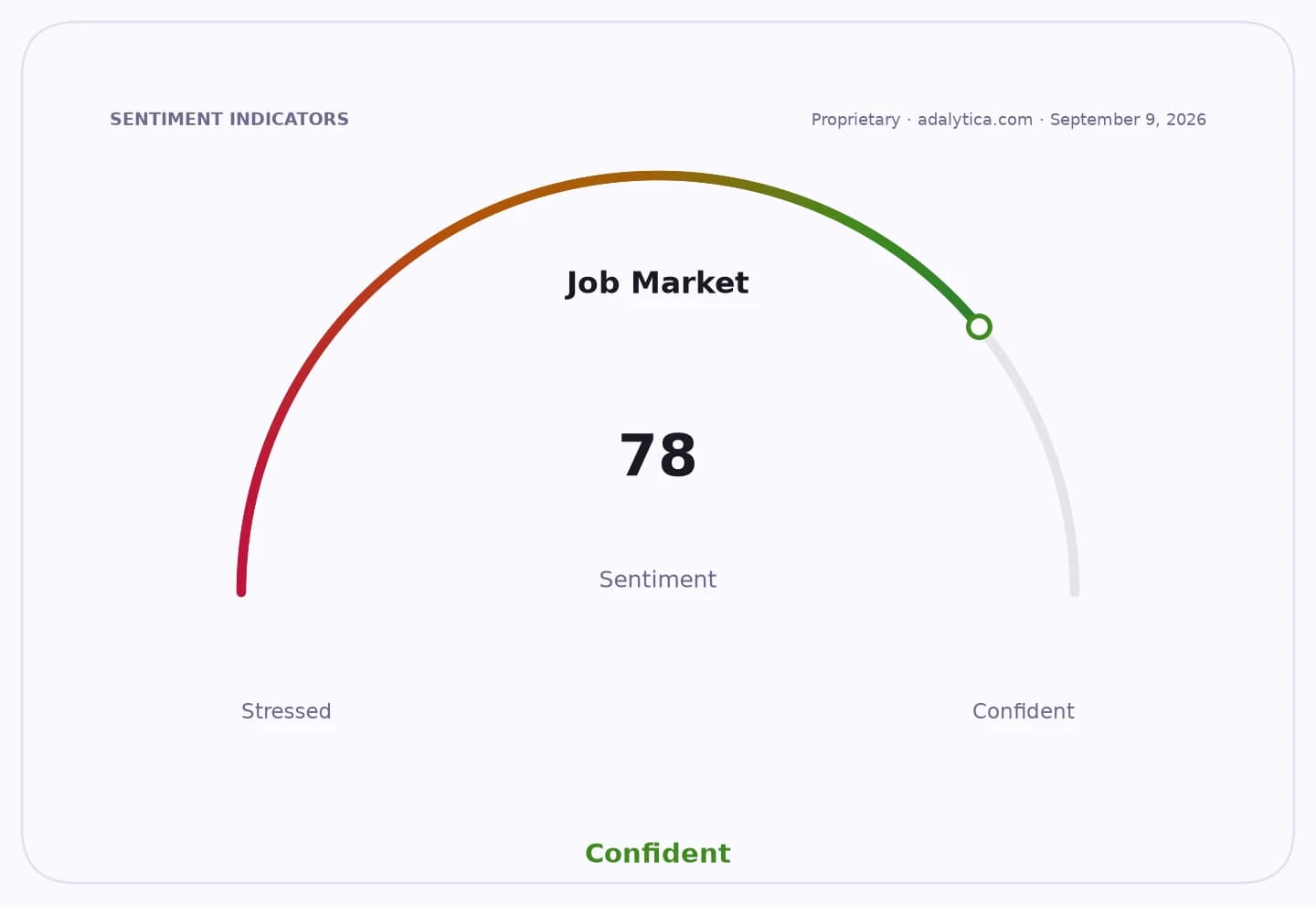
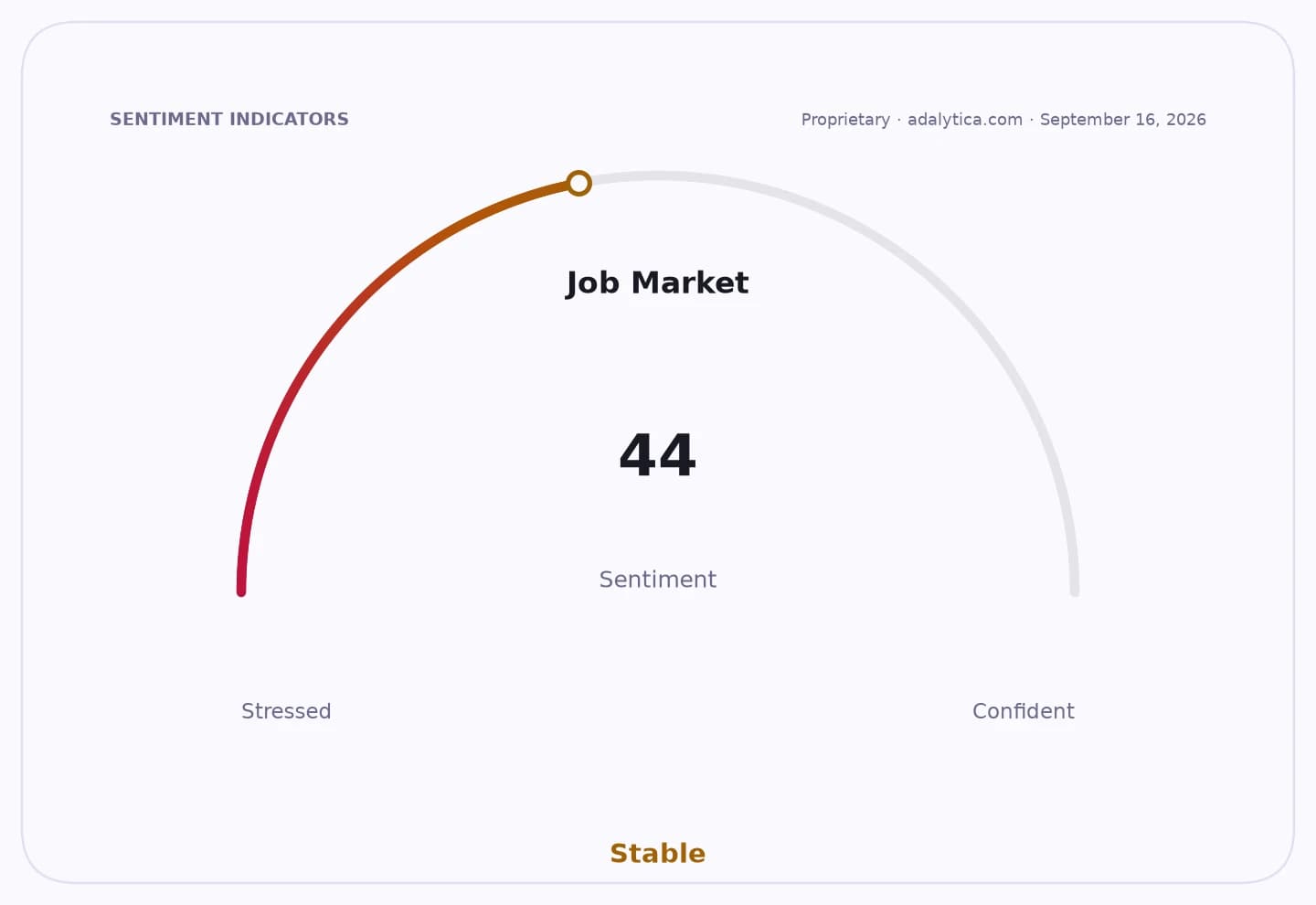
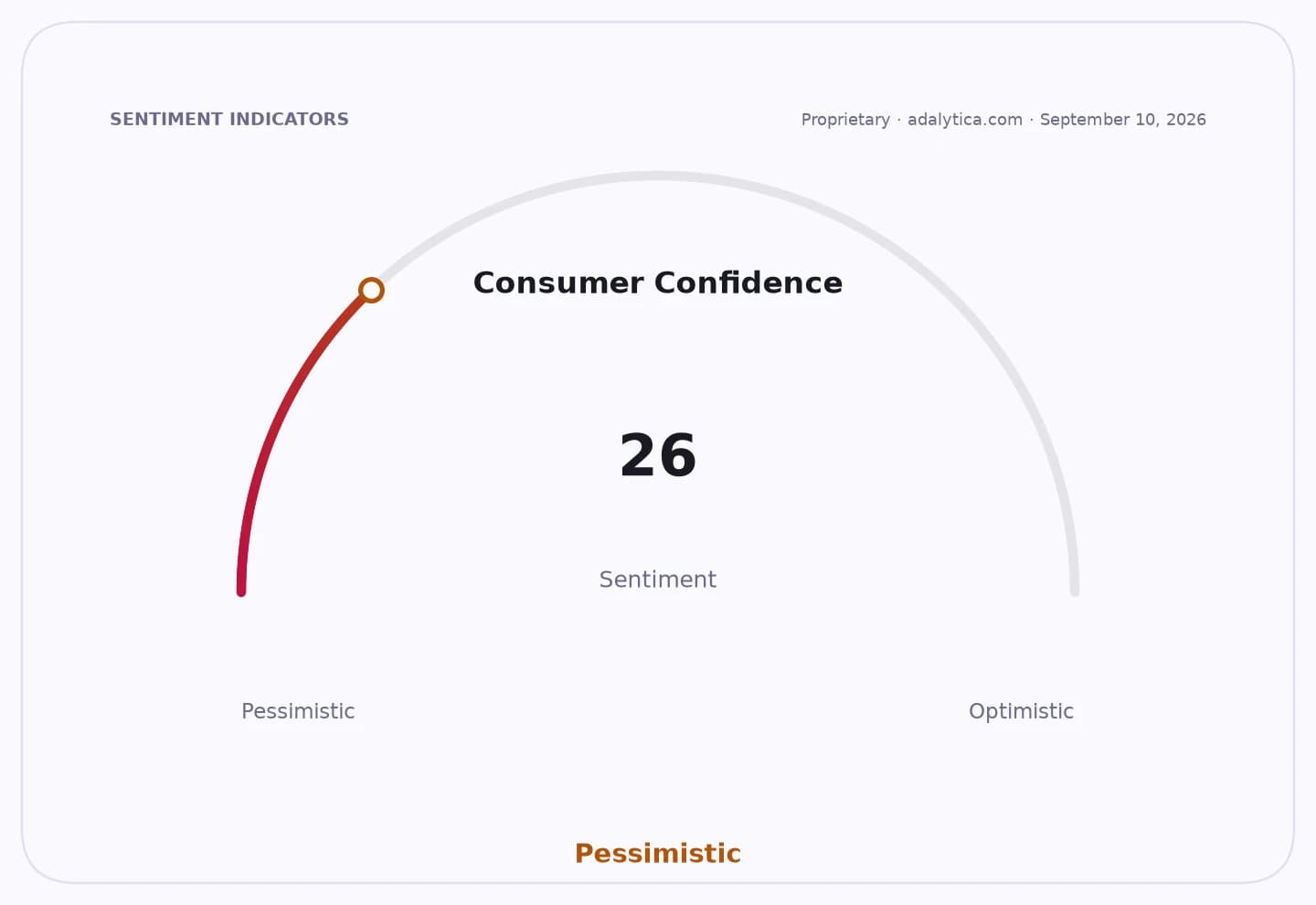
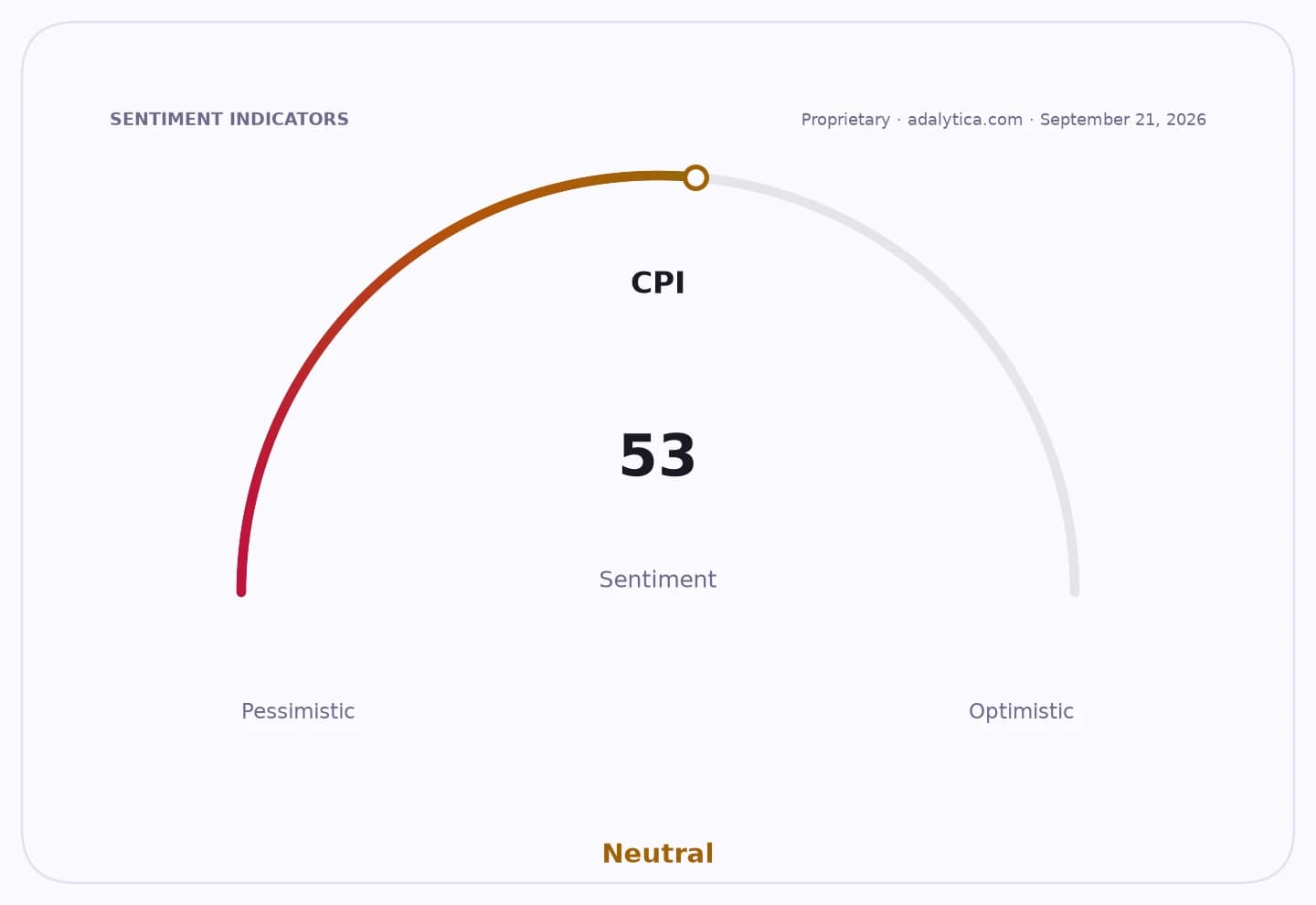
Sentiment IndicatorsⓘProprietary · adalytica.com · September 29, 2026
This is a snapshot — live sentiment, awareness and momentum for 130+ markets update continuously in the dashboard.Open AlphaPulse
The Ministry of Labor said the openings are part of its effort to link job seekers with actual market demand, underlining a broader push to cut unemployment and improve working conditions. The roles offer a seven-hour workday, 23 working days and eight days off, and are open to applicants aged 20 to 40. Annual bonuses can reach the equivalent of four months’ pay, a sign that employers are using incentives to attract and retain workers in sectors still struggling to build a reliable labor pool.
For investors, the story is less about 200 jobs than about what it says on the ground in Egypt: labor is becoming a more visible factor in operating costs, recruitment, and consumer spending power. Companies that can scale formal hiring, provide benefits and manage turnover are better positioned than smaller employers relying on informal labor. At the same time, any improvement in wage income should filter through to local consumption, transport, food and essential services, especially in urban areas like Giza.
The market implication is straightforward. Egypt’s recovery will not be driven by one-off recruitment drives, but by whether formal hiring becomes easier and more durable across private industry. If the Labor Ministry can keep matching workers to employers through its platform, that could gradually support participation, reduce friction in the labor market and help stabilize household income. For now, the 200 openings are a modest number — but they are the kind of signal investors should watch in an economy where employment, consumer demand and social stability are tightly linked.
| Entity | Gains | Losses |
|---|---|---|
| Job seekers in Giza | ▲Formal pay and benefits | ▼Informal work alternatives |
| Employers offering openings | ▲Access to workers | ▼Higher labor costs |
| Egyptian labor market | ▲Better matching, more formalization | ▼Pressure from wage demands |
| Local consumers | ▲More household income | ▼None in the near term |