Syria is trying to turn its battered transport network into a revenue-generating trade corridor, and Lebanon could be a key partner if both sides can move beyond simple transit fees and build a joint production and marketing base.
Syria seeks Lebanon trade corridor, transport upgrade
That is the economic significance of Transport Minister Yarub Badr’s remarks in Beirut, where he said Syrian and Lebanese businesses should broaden cooperation into manufacturing, logistics and export-linked services, not just cross-border trucking. The pitch matters because both economies are short on capital, stressed by years of conflict and political fragmentation, and looking for quicker ways to earn foreign currency. A shared industrial-logistics platform could raise the value of agricultural and industrial output, lower delivery frictions and help the two countries compete in Mediterranean and Gulf markets.
Sentiment IndicatorsⓘProprietary · adalytica.com · September 30, 2026
This is a snapshot — live sentiment, awareness and momentum for 130+ markets update continuously in the dashboard.Open AlphaPulse
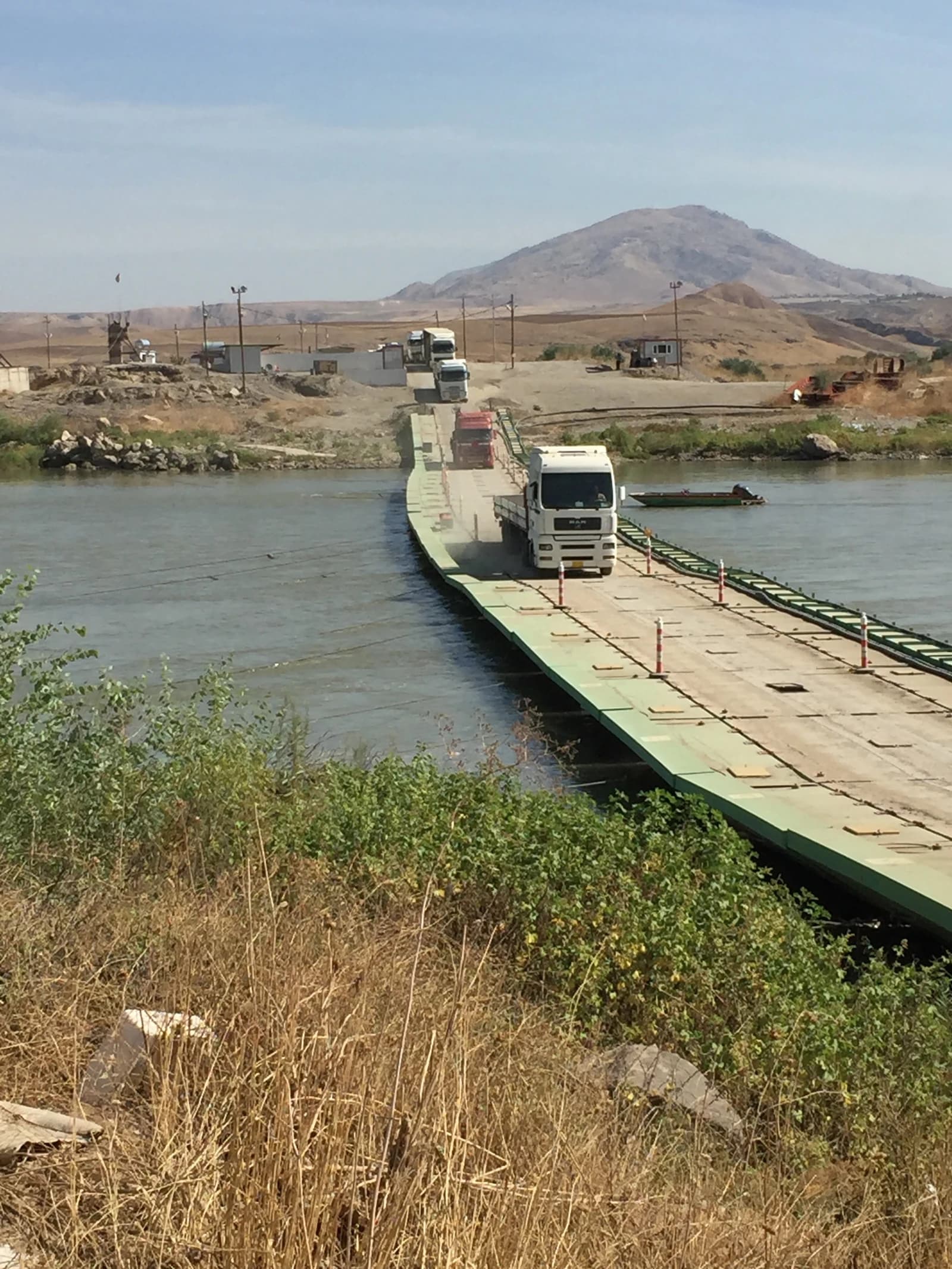
Badr said Syria is putting about $500 million over six years into rehabilitating key roads used by freight and transit traffic, including routes linking Turkey and Europe with the Gulf and Iraq with the Mediterranean. He also pointed to a $200 million World Bank grant to start fixing the railway network, which spans about 2,800 kilometers but has only around 1,000 kilometers operating now. For investors, those figures suggest that Damascus is not just talking about reopening trade; it is trying to create the physical backbone for it.
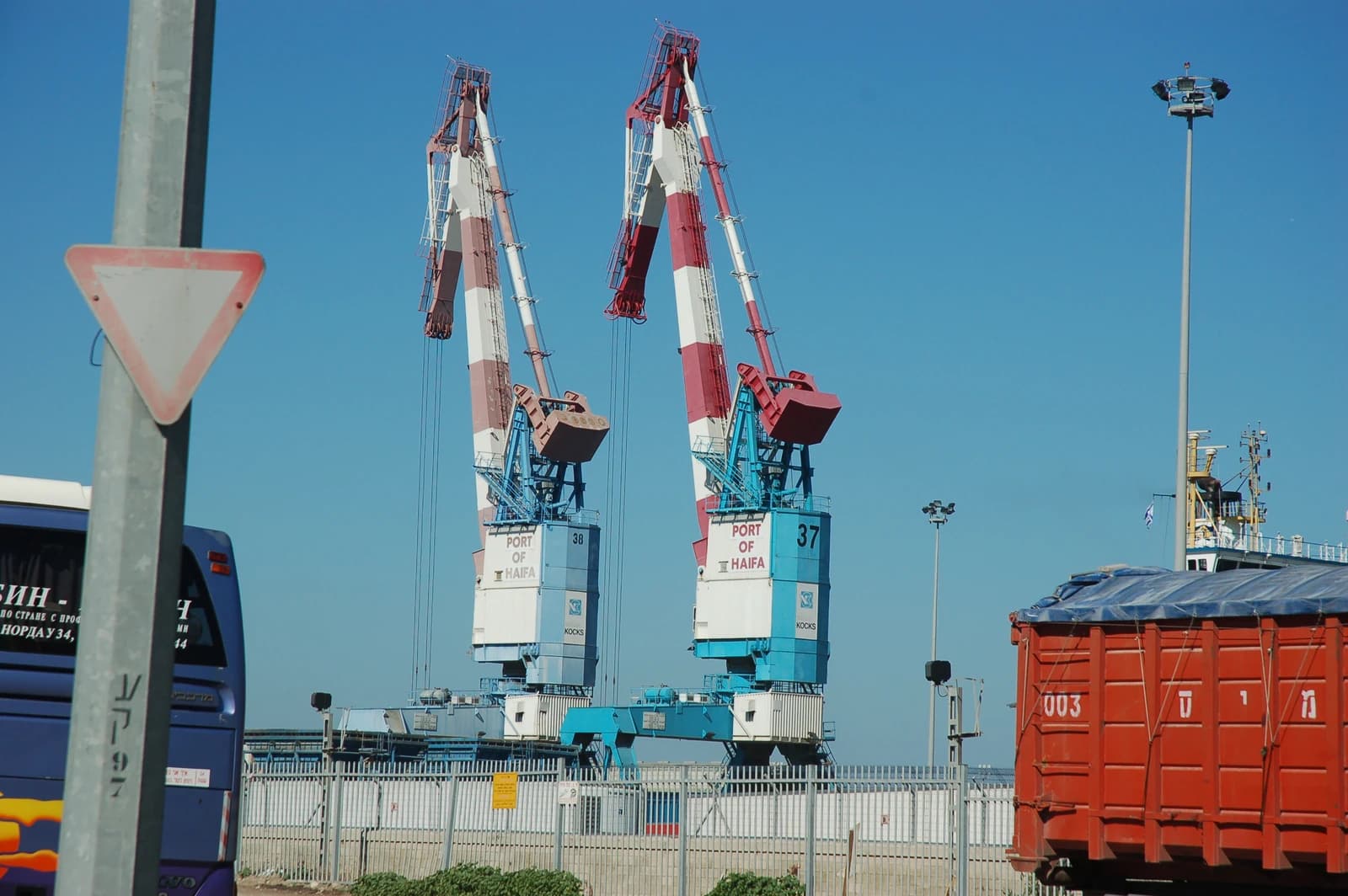
The timing is important. The Syrian-Lebanese investment forum in Beirut drew more than 300 business figures and officials from sectors including reconstruction, energy, agriculture, industry and transport. That breadth matters because the opportunity is not limited to border traffic. Syria’s agricultural output, if processed locally with Lebanese financing, marketing and port access, could capture more margin before reaching export markets. Lebanon, for its part, brings commercial networks, logistics expertise and ports, even as its own economy remains under strain.
The bullish case is that the two countries can create a regional platform that links Syrian raw materials and land with Lebanese capital, ports and trading relationships. That could gradually revive freight volumes, improve farm-gate pricing and support reconstruction-related demand for construction materials and services. The bearish case is that security risk, sanctions exposure, weak institutions and underinvestment continue to slow execution, leaving the plan as a political slogan rather than a bankable pipeline.
For investors, the key question is whether the promised spending translates into bankable contracts, customs reform and reliable border operations. The transport upgrades could benefit logistics firms, contractors, agricultural exporters and port-linked businesses if they are backed by real implementation. But if funding stalls or regional tensions rise, the same projects could remain underutilized and fail to generate the trade flows needed to justify the investment.
| Entity | Gains | Losses |
|---|---|---|
| Syrian exporters | ▲Higher value-added sales | ▼Reliance on low-margin transit |
| Lebanese logistics and financiers | ▲New cross-border business | ▼Exposed to execution risk |
| Road and rail contractors | ▲Potential project pipeline | ▼Delays from weak funding |
| Regional rivals and shippers bypassing the route | ▲Less congestion, alternate access | ▼Loss of corridor rents |