Africa is using a high-profile New York gathering to press a simple investment case: the continent wants to move from being a supplier of raw materials and labor to a creator of jobs, manufacturing and value-added growth.
Africa Investment Shift At UN Gathering
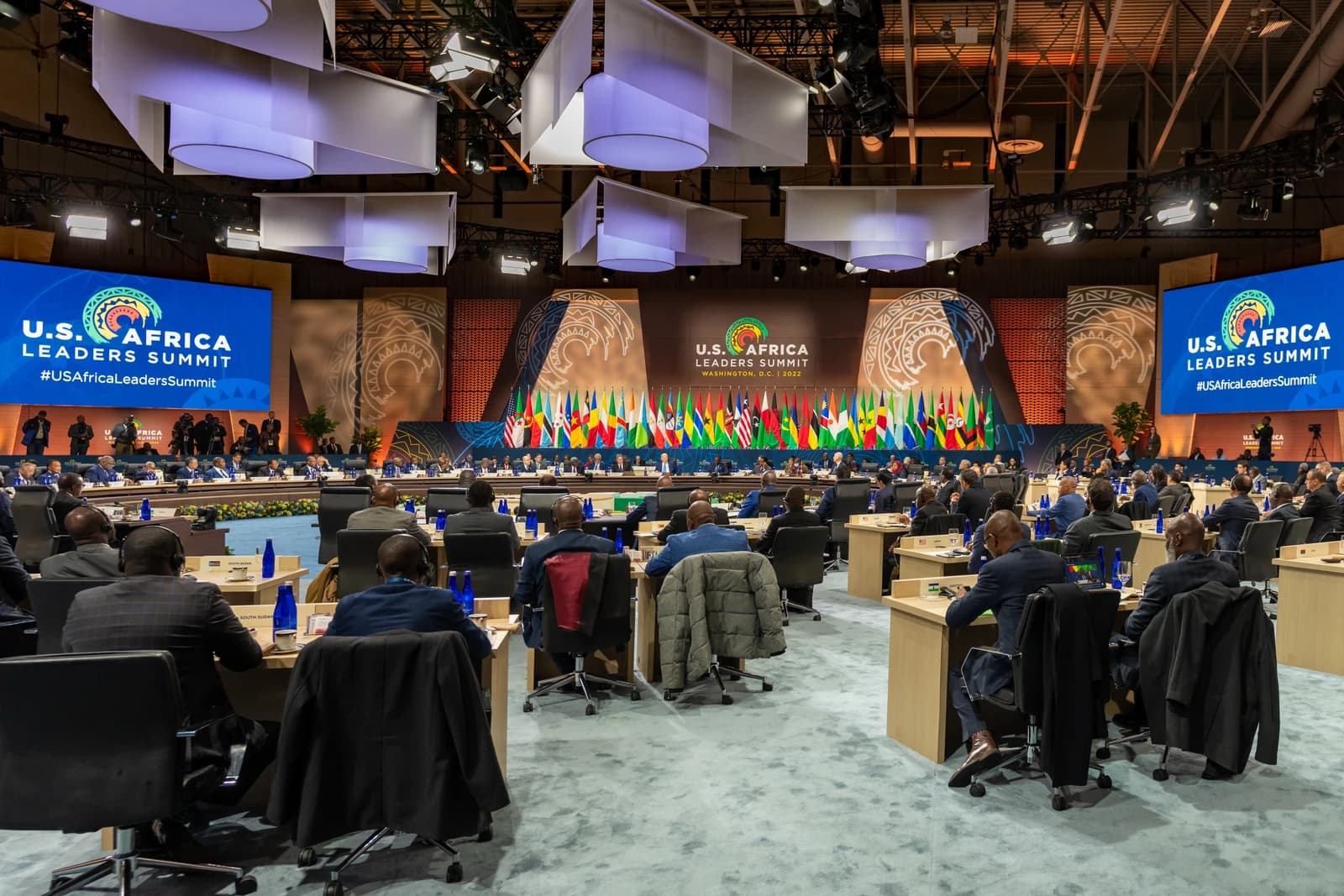
That matters because the shift, if it takes hold, could change how global capital is allocated to Africa over the next decade. Rather than treating the region mainly as a source of commodities and frontier risk, investors may increasingly have to price in rising demand for power, infrastructure, finance, digital services and local industry built around Africa’s 1.5 billion people.
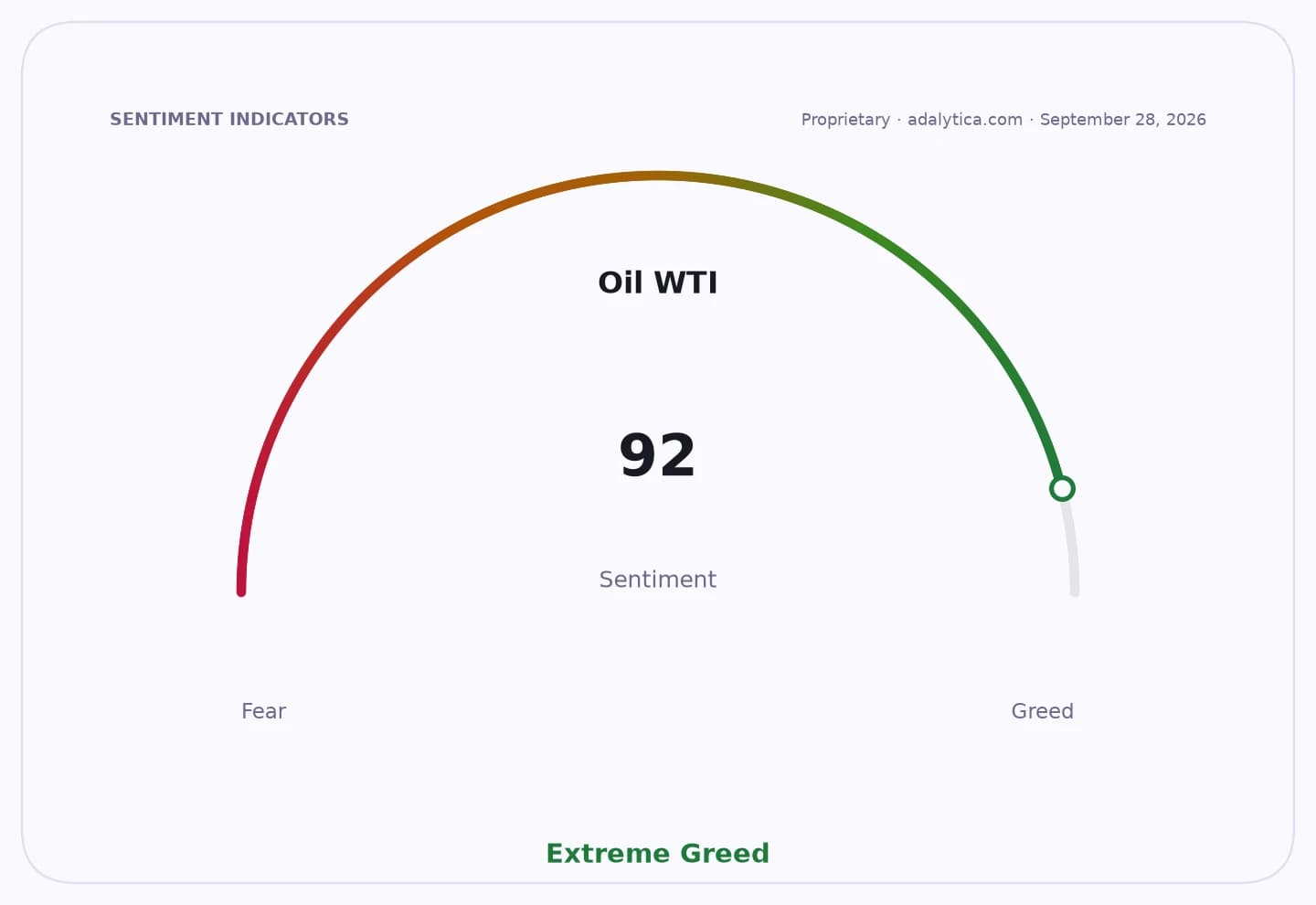
Sentiment IndicatorsⓘProprietary · adalytica.com · September 26, 2026
This is a snapshot — live sentiment, awareness and momentum for 130+ markets update continuously in the dashboard.Open AlphaPulse
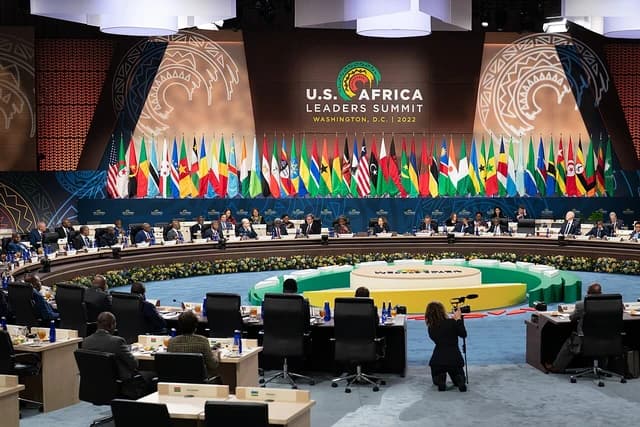
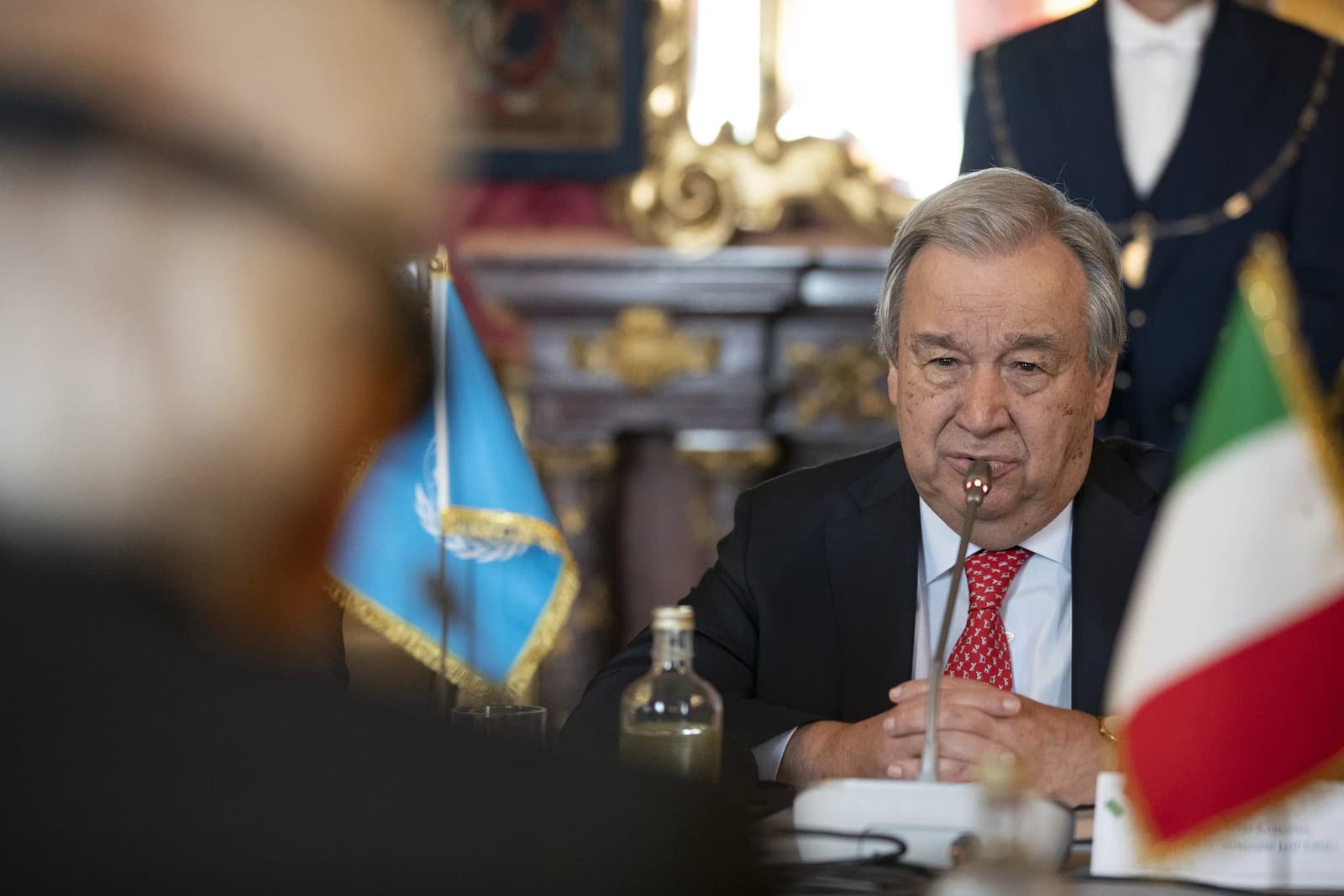
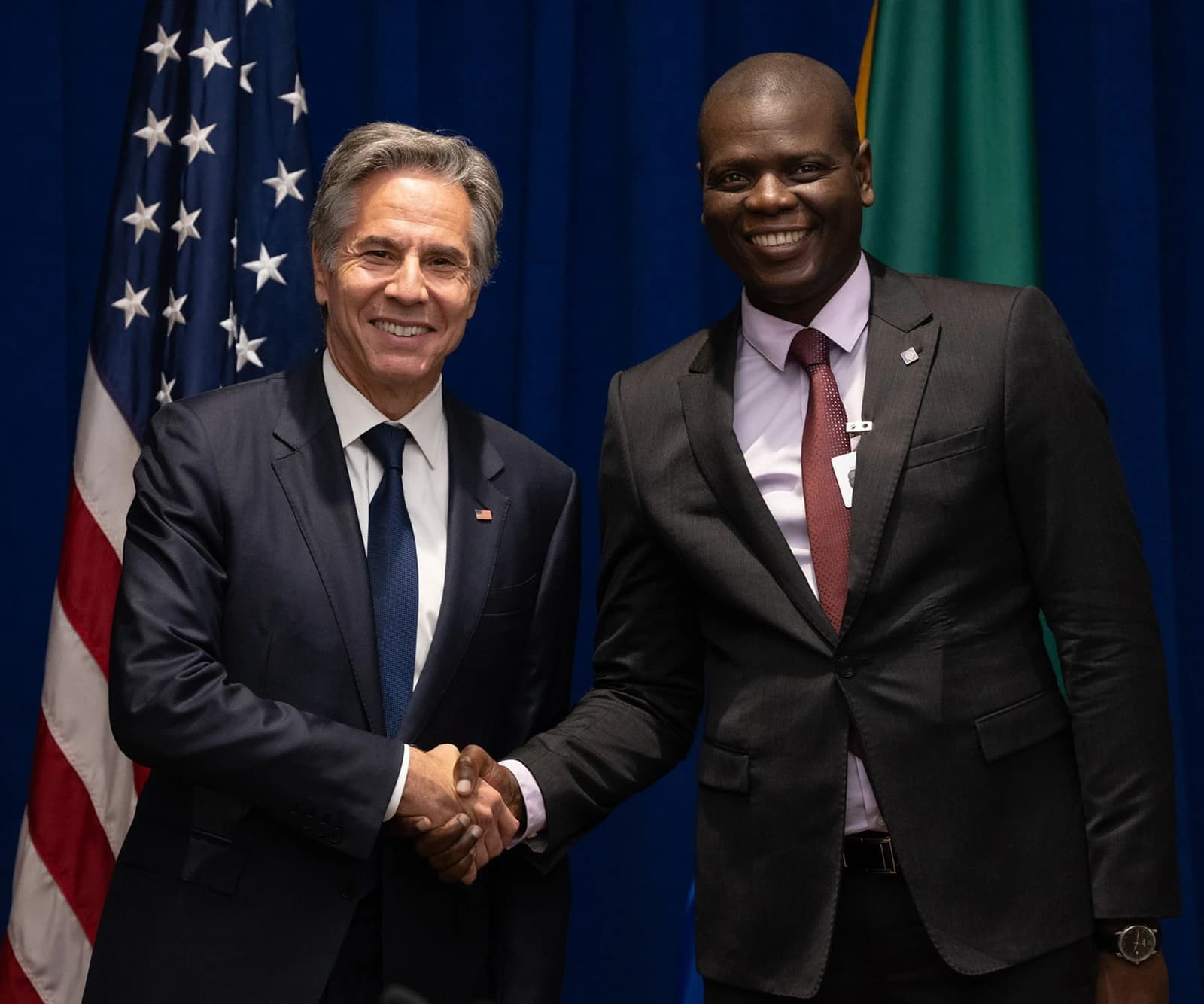
At the center of the pitch was Unstoppable Africa 2026, the Global Africa Business Initiative’s flagship event held alongside the UN General Assembly. The message from UN Secretary-General António Guterres and African Union Commission Chairperson Mahmoud Ali Youssouf was consistent: Africa’s growing economic weight needs to be matched by a stronger voice in global institutions, including a permanent seat on the UN Security Council, and by reforms that let the continent capture more of the value from its natural resources.
For investors, the most important implication is that Africa’s opportunity is becoming more investable in a very specific way. The big themes are no longer just commodity exports and sovereign debt. They are energy access, local processing, logistics, financial infrastructure and industrial policy. Those are the areas where long-term capital can compound if governments can reduce bottlenecks and improve execution.
The economics are straightforward. Africa’s leaders want to stop exporting critical minerals, crude oil and other raw materials in their least profitable form. Instead, they want processing, manufacturing and integrated supply chains to stay on the continent. That would keep more earnings at home, create better-paid jobs and build domestic demand. It would also reduce vulnerability to swings in global commodity prices, which have long distorted growth across the region.
The event underscored that energy remains the biggest practical constraint. One notable announcement was the first close of the $300 million Nigeria Distributed Renewable Energy Fund, which will back decentralized power projects including mini-grids, solar home systems and storage. That is not just a clean-energy story. It is an investment story about unlocking productivity for households and small businesses that cannot grow without reliable electricity.
That is why Mission 300, the push to connect 300 million Africans to electricity by 2030, matters well beyond development circles. Power shortages are one of the biggest drags on African growth, and they also limit the return on capital in almost every other sector. Better electricity access can improve manufacturing, agriculture, telecoms, healthcare and education, making the continent more attractive to private investors over time.
The private sector was front and center as well. Leaders including Aliko Dangote, Samaila Zubairu, Mandy DeFilippo of Standard Chartered, Nonkululeko Nyembezi of Standard Bank and Nolitha Fakude of Anglo American South Africa all pointed to the same conclusion: Africa’s economic future depends on turning resources into industries, not just shipping them out.
There is also a geopolitical layer here. Guterres’ call for a stronger African role in global institutions reflects a world in which supply chains, minerals, energy and trade are increasingly strategic. Africa’s leverage is rising because the world needs its resources, its consumer base and, increasingly, its clean-energy potential. That gives the continent more bargaining power — but only if it can translate scale into governance, infrastructure and policy consistency.
For global investors, that creates both opportunity and selectivity. Countries and companies that can deliver reliable power, stable regulation and local value creation may attract more capital. Those that remain dependent on exporting commodities with limited domestic processing may lag behind. In other words, the prize is real, but it will accrue unevenly.
The long-term takeaway is encouraging. If Africa can turn its demographic growth and natural resource base into productive capacity, the region could become one of the most important growth stories of the next decade. For investors with a multi-year horizon, that makes African infrastructure, energy, finance and industrial platforms worth watching closely — and, where the fundamentals are right, worth holding for the long term.
| Entity | Gains | Losses |
|---|---|---|
| African governments | ▲More investment leverage | ▼Raw-export dependence |
| Local businesses and workers | ▲Jobs and value chains | ▼Commodity-only growth |
| Global investors | ▲New long-term growth themes | ▼Easy commodity-only returns |
| Importers of African raw materials | ▲More stable supply chains | ▼Cheaper unprocessed inputs |