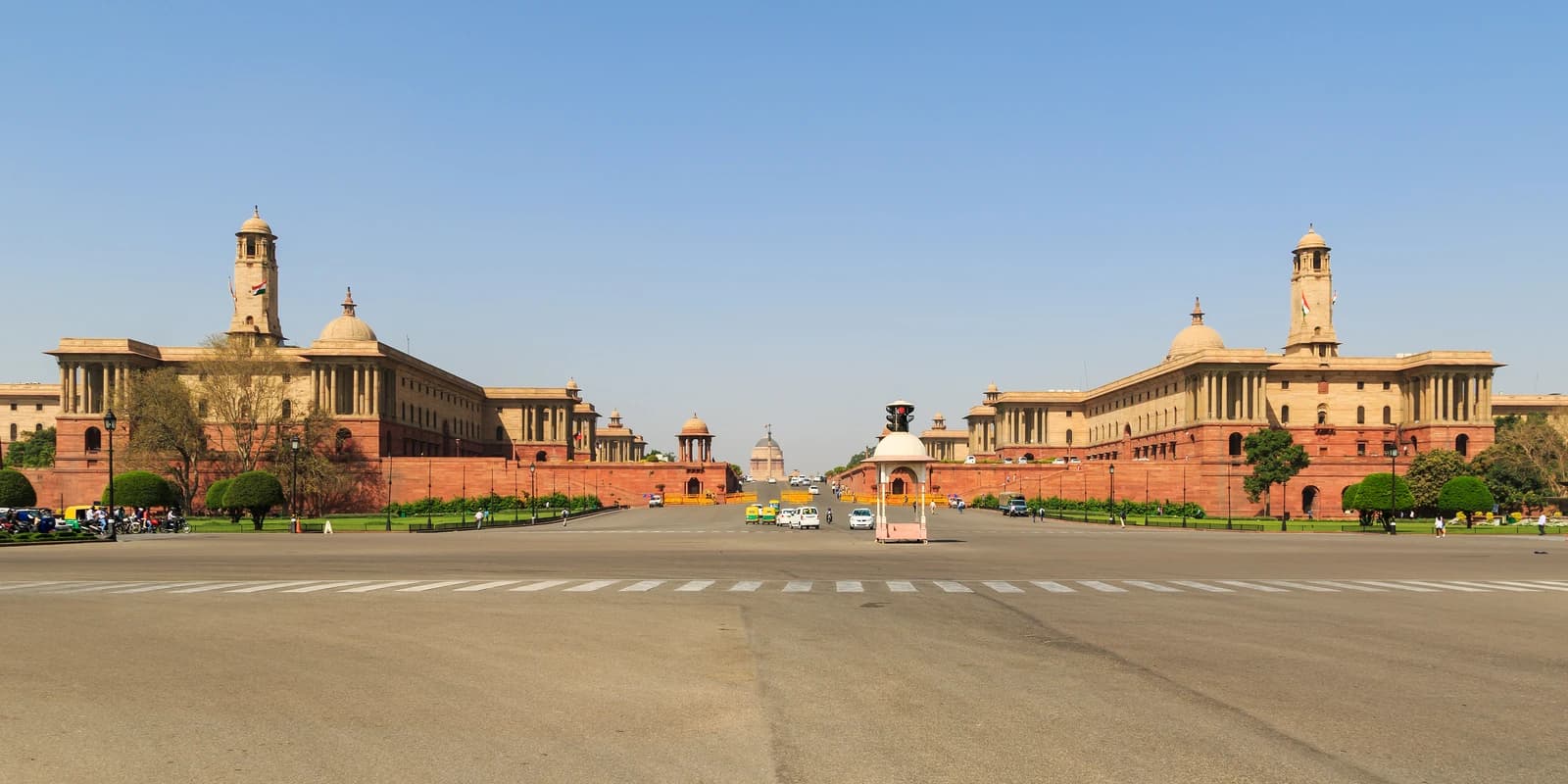
India's growing push into Africa is becoming more than a diplomatic talking point as resource-rich countries from Angola to Zambia court Indian capital for mining and critical minerals, a shift that could redraw trade and investment flows across one of the world’s fastest-growing regions.
India-Africa Minerals Investment Expansion
The economic stakes are significant. Africa holds a large share of the minerals needed for electric vehicles, batteries and industrial metals, while India is looking to secure supply, diversify away from single-source dependencies and lock in long-term access to raw materials for its manufacturing base. That makes investment diplomacy in places such as Angola and Zambia strategically important for New Delhi as it seeks to widen its economic footprint beyond traditional energy and commodity suppliers.
Sentiment IndicatorsⓘProprietary · adalytica.com · September 6, 2026
This is a snapshot — live sentiment, awareness and momentum for 130+ markets update continuously in the dashboard.Open AlphaPulse
For investors, the story sits at the intersection of commodities, infrastructure and emerging-market reallocation. Indian miners, industrial groups and state-backed entities could benefit if new projects open the door to preferential access, local partnerships or downstream processing contracts. African producers, meanwhile, stand to gain from fresh funding, technology transfer and a broader buyer base at a time when many are trying to monetize reserves rather than simply export ore.
The market angle is broader than any single deal. A deeper India-Africa corridor would support demand for shipping, ports, power generation and logistics across both regions, while potentially boosting the valuation case for companies tied to copper, lithium, cobalt and other critical inputs. It also reflects a geopolitical hedge: India is trying to build more resilient supply chains just as global competition for strategic minerals intensifies and Western, Chinese and Gulf capital all chase similar assets.
That helps explain why the subject is resonating beyond policy circles. Africa is being recast by investors not just as a frontier-market story, but as a key supplier in the transition to cleaner energy and higher industrial output. India, for its part, is trying to use trade, investment and historic ties to secure a larger role before rivals lock up the best assets.
The near-term focus will be whether diplomatic interest turns into signed project financing, joint ventures or off-take agreements. If it does, the beneficiaries will be companies and countries positioned to move early on resource development and infrastructure. If it stalls, the story will remain one of potential rather than capital at work.
| Entity | Gains | Losses |
|---|---|---|
| India | ▲Secured mineral supply | ▼Dependence on third-party suppliers |
| African producers | ▲Capital and infrastructure | ▼Bargaining leverage if deals lag |
| Mining/infrastructure firms | ▲New projects and contracts | ▼Firms outside the investment flow |
| Rival commodity buyers | ▲— | ▼Access to scarce critical minerals |