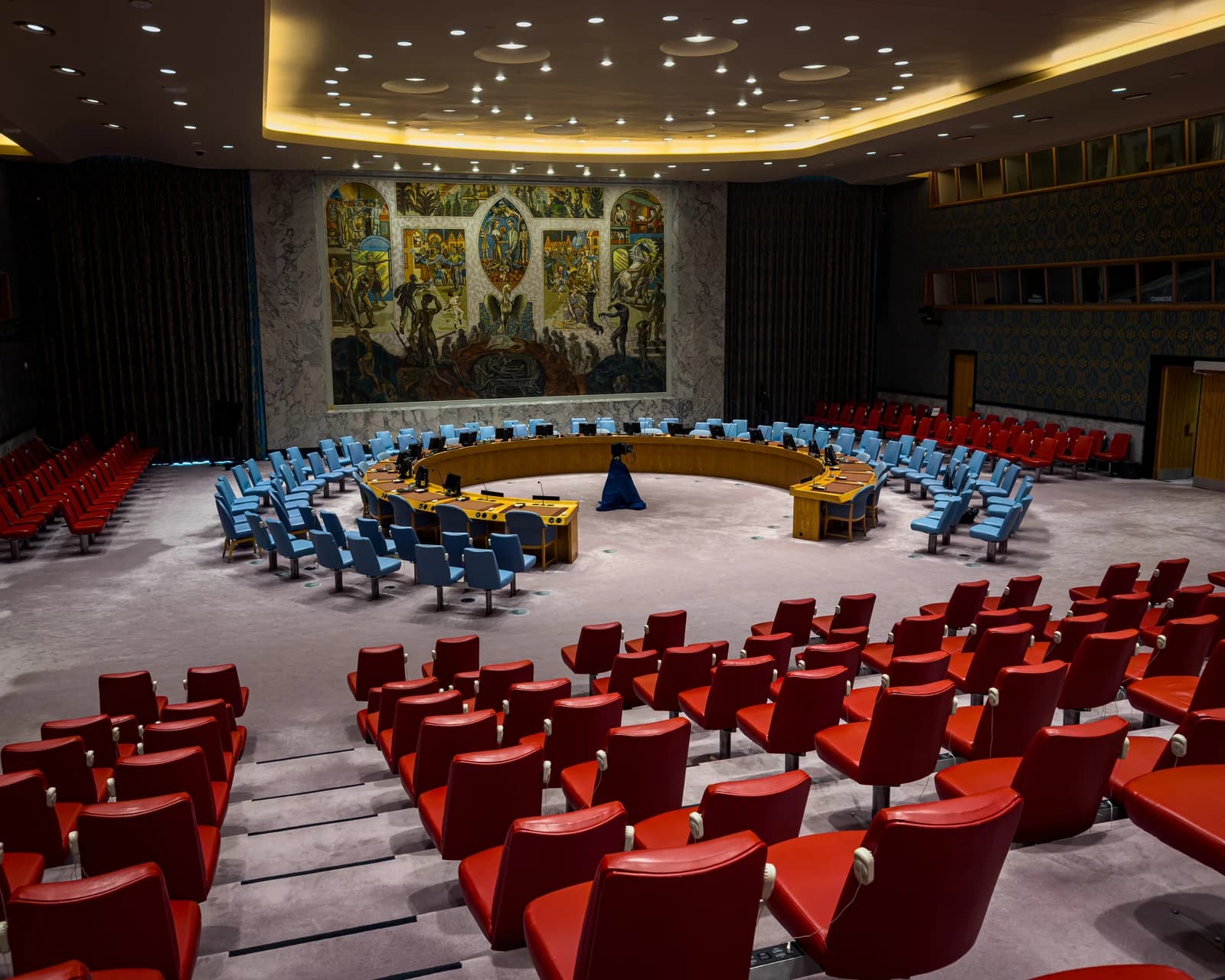
South Africa’s foreign minister is heading to New York with a clear economic stake in the conversation: keep the diplomatic channel with Washington open while defending Pretoria’s multilateral, rights-based foreign policy. That matters because South Africa cannot afford a serious deterioration in US ties at a time when market access, investor confidence and broader trade relations remain crucial to the economy.
South Africa Foreign Minister Heads to New York
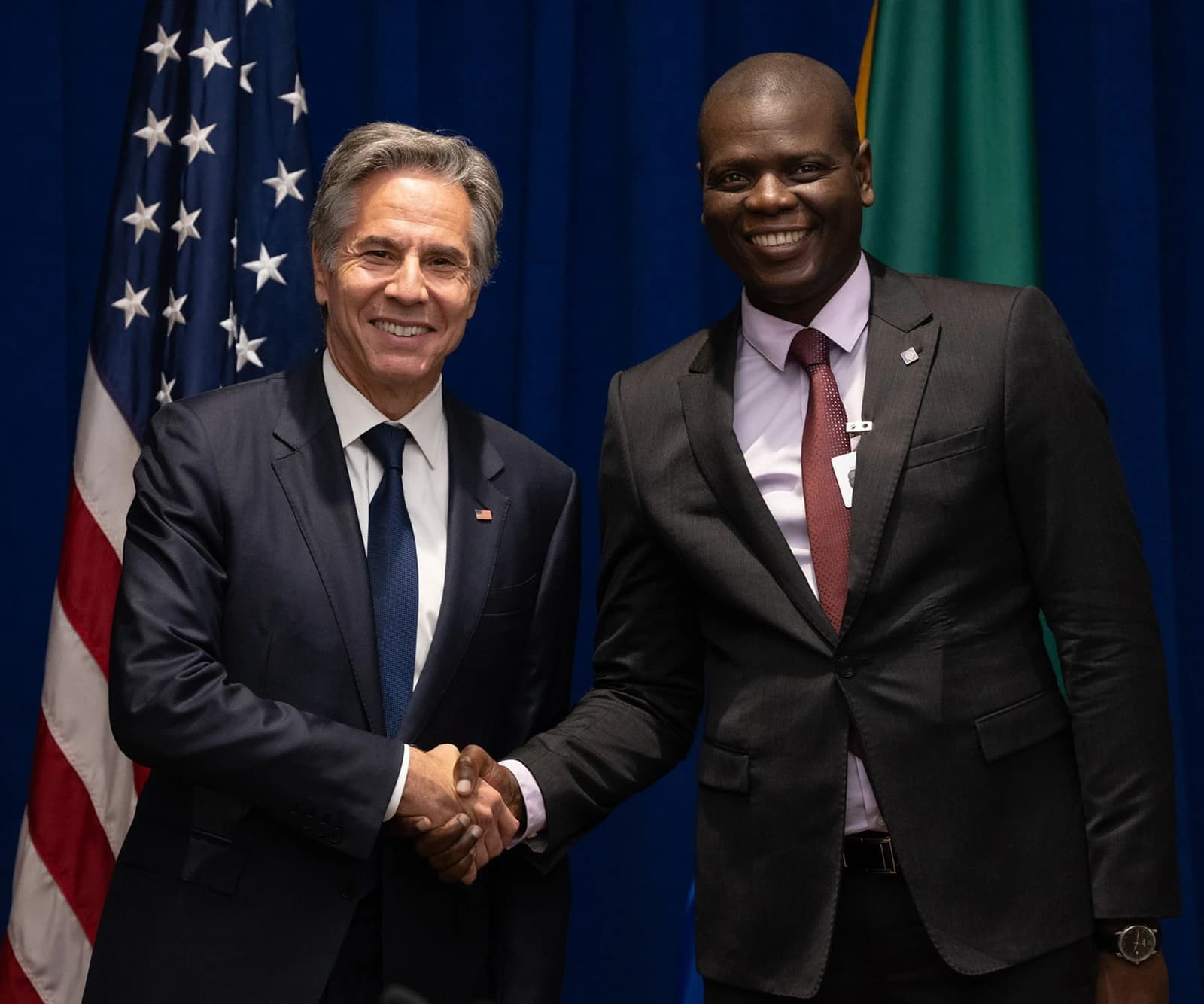
International Relations Minister Ronald Lamola said he will use an engagement with the Council on Foreign Relations to lay out South Africa’s priorities, centering on human rights, multilateralism and the United Nations as the main institution for international law. The setting is important. New York is where South Africa will face questions about its relationship with the United States, a partnership under strain but still economically significant.
Sentiment IndicatorsⓘProprietary · adalytica.com · September 28, 2026
This is a snapshot — live sentiment, awareness and momentum for 130+ markets update continuously in the dashboard.Open AlphaPulse
For investors, the message is less about rhetoric than about risk management. South Africa’s ability to preserve constructive ties with the US helps support access to markets, capital and trade routes that matter for exporters and companies with global supply chains. Any hint of a widening political rift can quickly filter into currency sentiment, risk premia and the valuation of South African assets.
That is especially relevant for sectors tied to foreign demand and policy-sensitive trade arrangements. A stable relationship with Washington helps reduce the odds of fresh uncertainty around commercial links, including the longer-term framework that governs South African exports to the US. At the same time, Lamola is signaling that Pretoria does not intend to trade away its broader diplomatic posture just to smooth tensions in one bilateral relationship.
The broader narrative is straightforward: South Africa is trying to balance principle and pragmatism. It wants to project itself as a defender of multilateral institutions and international law, while also protecting the practical economic benefits that come from being in Washington’s good graces. That balancing act is not just diplomatic theater — it is a real input into how investors judge country risk.
For long-term investors, the key takeaway is that foreign policy can move markets when it touches trade, capital flows and confidence. Lamola’s message suggests Pretoria is trying to lower that temperature, and that is worth watching closely. If South Africa can keep the US relationship stable without abandoning its multilateral stance, that would be a modest but meaningful support for the investment case over time.
| Entity | Gains | Losses |
|---|---|---|
| South Africa | ▲steadier US ties | ▼less diplomatic room |
| US investors/exporters | ▲lower policy risk | ▼fewer leverage points |
| Multilateral institutions | ▲renewed backing | ▼bilateral pragmatists |
| South African assets | ▲reduced risk premium | ▼headline-driven volatility |