Argentina's renewed push over the Falkland Islands matters less as symbolism than as a reminder that sovereignty disputes can still reach into energy projects, cross-border capital flows and investor risk models.
Argentina Falklands dispute raises Sea Lion project risk

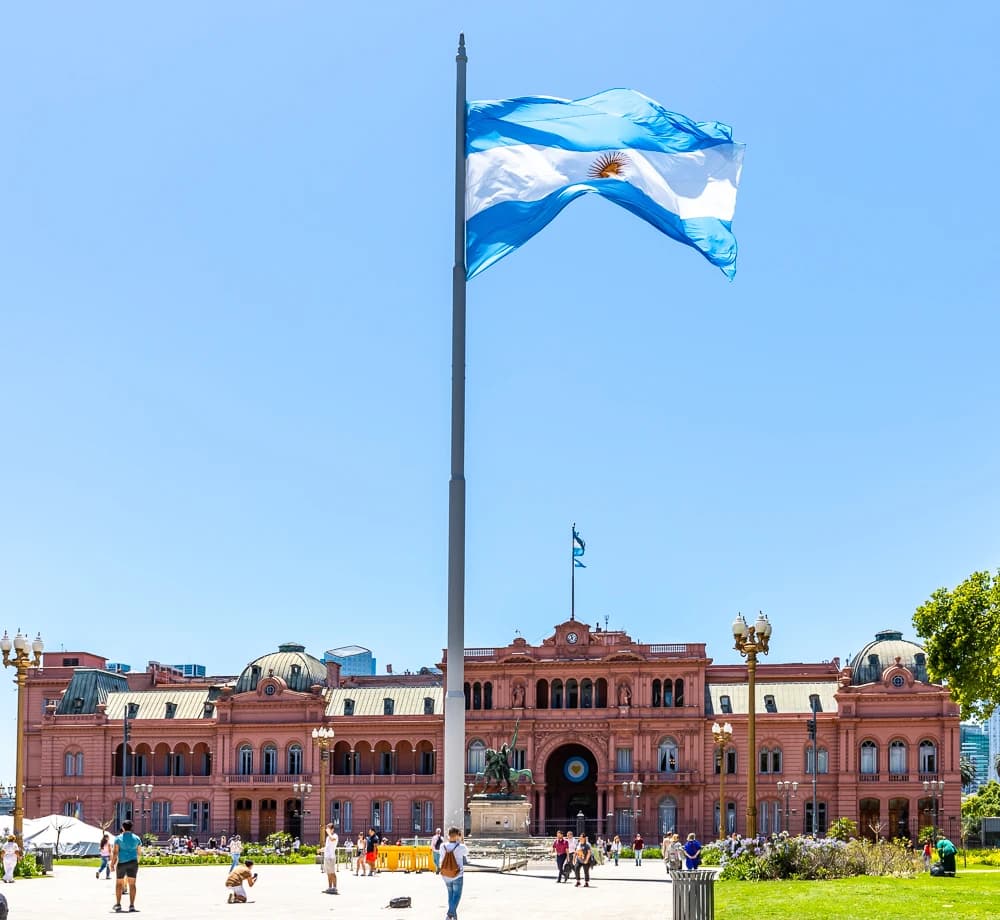
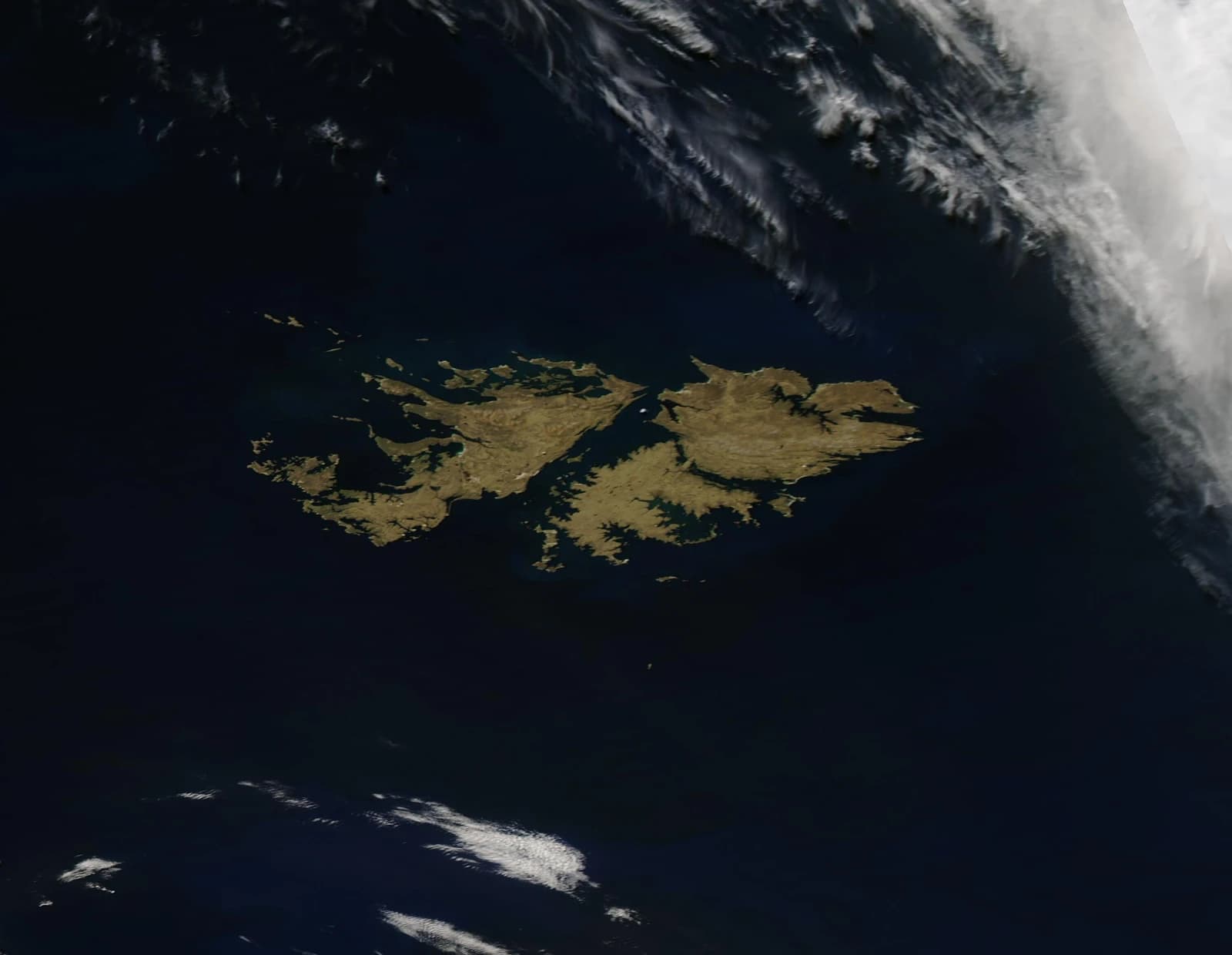
President Javier Milei is using his address to the United Nations General Assembly to harden Buenos Aires' stance against Britain over offshore oil exploration around the islands, where Argentina has already opened sanctions proceedings against more than 60 companies and individuals tied to the Sea Lion project. For investors, the key issue is not whether the territorial dispute is new — it is not — but whether Milei's more aggressive posture turns a long-running political grievance into a real operating risk for drillers, service firms and capital providers involved in the South Atlantic.
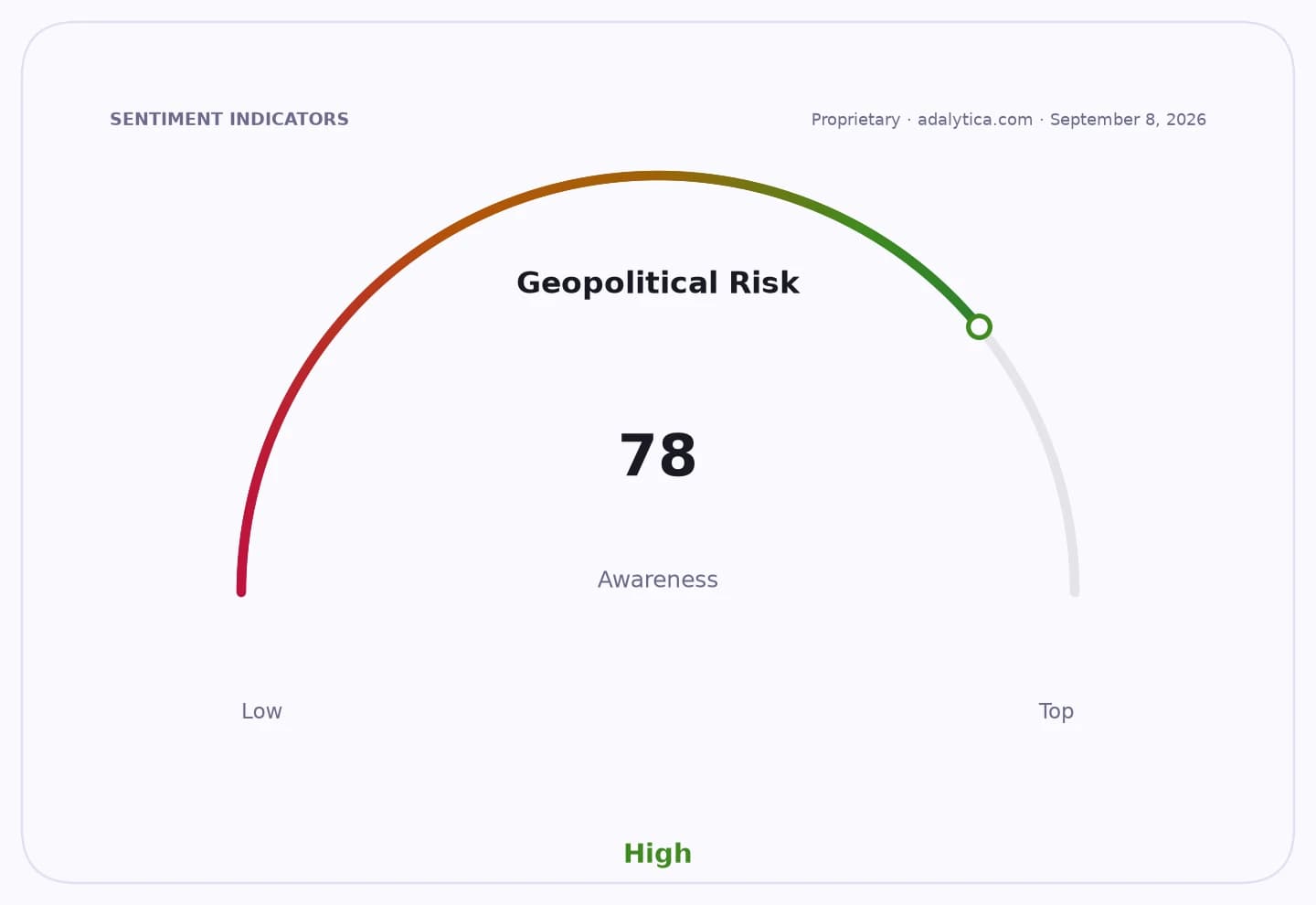
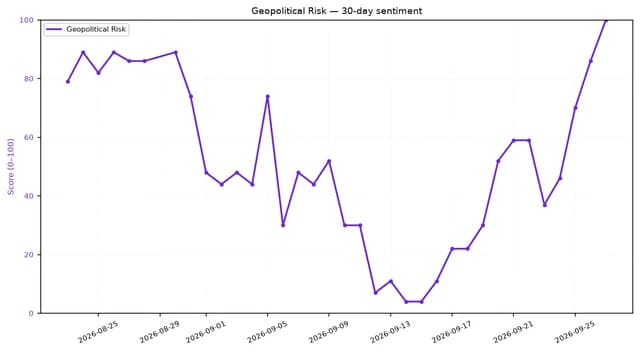
Sentiment IndicatorsⓘProprietary · adalytica.com · September 27, 2026
This is a snapshot — live sentiment, awareness and momentum for 130+ markets update continuously in the dashboard.Open AlphaPulse
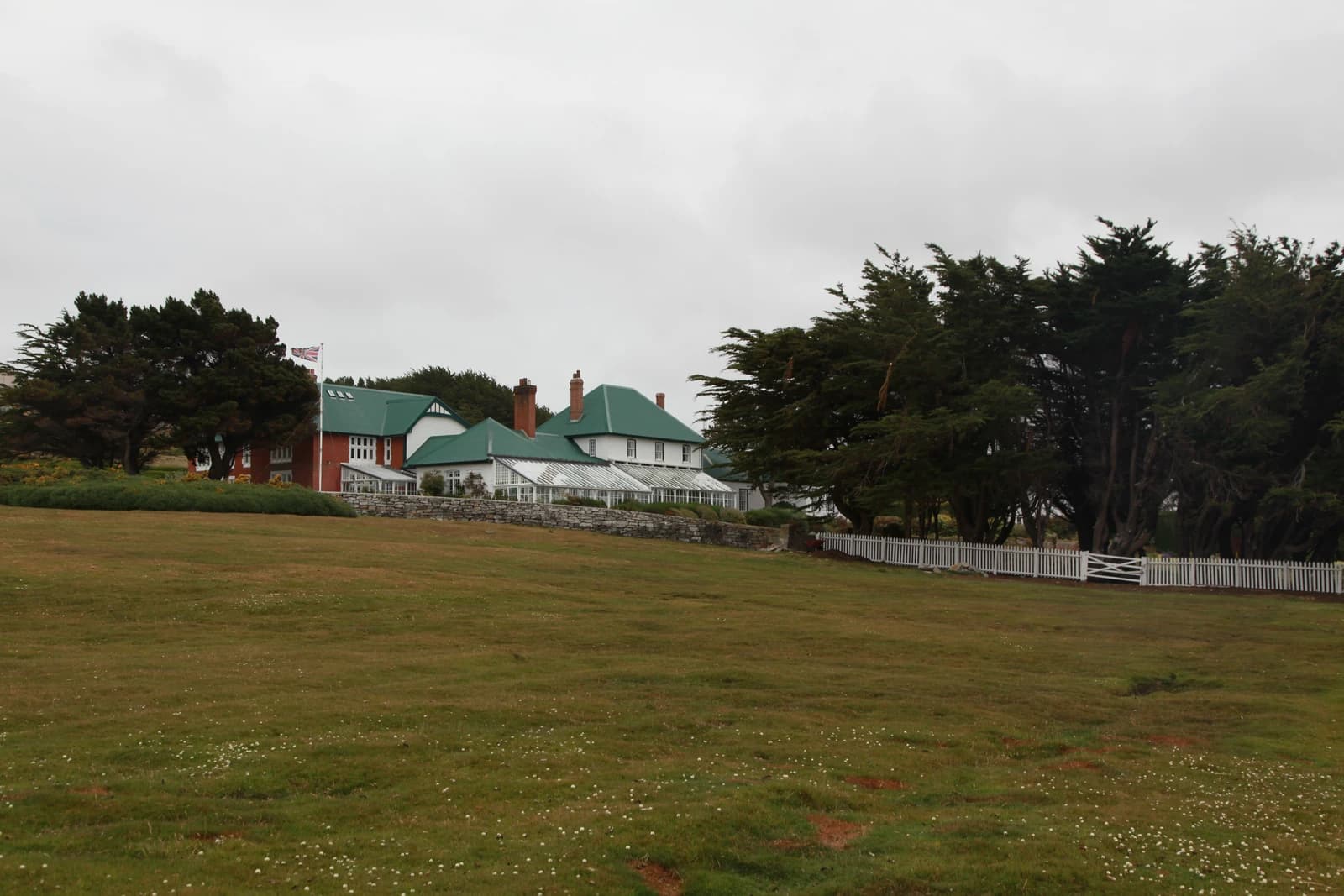
Britain has said Argentina's actions are "unacceptable" and that the Falklands remain British territory with the right to develop their natural resources. That sets up a familiar but economically relevant conflict: one side is asserting sovereignty and legal claims, the other is defending commercial development and resource rights. The result is uncertainty around permitting, financing and timelines for an offshore project that already depends on political tolerance as much as geology.
The Sea Lion project's owners, Navitas Petroleum and Rockhopper Exploration, say they do not expect Milei's moves to derail development. Investors will still take comfort in that. But the bigger lesson is that even if the project continues, the dispute can raise the cost of doing business, complicate insurance, and keep a political discount attached to Falklands-linked assets. In energy markets, that matters because marginal projects often live or die on financing conditions, not just reserves.
Milei's shift is also politically useful at home. Opposition figures say he is trying to "shift the agenda" and boost support ahead of his expected 2027 re-election bid. That makes sense in a country where the Malvinas issue reaches well beyond any one president. For long-term investors in Argentina, though, the more important takeaway is that nationalism can quickly become policy, especially when it intersects with resources and foreign operators.
The timing is notable too. Milei is meeting with Israeli Prime Minister Benjamin Netanyahu, and the Falklands project has Israeli ties, which gives the dispute a broader geopolitical texture. His comments also follow signals from Donald Trump that Washington could revisit its traditionally neutral position, injecting another layer of unpredictability into a file that has usually been managed with diplomatic caution rather than confrontation.
For equity investors, the implications are mixed. Argentina-focused funds such as ARGT and the iShares MSCI Mexico Capped ETF's regional peers are not moving on the dispute alone, but country risk always filters into valuations, especially when sovereign rhetoric spills into regulation. The wider South America risk backdrop remains sensitive as well, with geostrategic tensions making markets more cautious even when macro data are not the main driver.
So the investment lesson is straightforward: this is not a reason to trade the Falklands story as a headline, but it is a reminder to favor businesses with strong balance sheets, diversified geographies and limited dependence on political goodwill. For now, the project may continue. Over a five- to 10-year horizon, what matters is whether Argentina's tougher tone becomes a one-off domestic gesture or a lasting constraint on foreign capital in disputed assets. Worth watching, especially for energy investors with a tolerance for geopolitical risk.
| Entity | Gains | Losses |
|---|---|---|
| Argentina government | ▲Domestic support | ▼Investor confidence |
| Falklands oil developers | ▲Project momentum | ▼Political certainty |
| Britain / Falklands authorities | ▲Resource rights defense | ▼Diplomatic calm |
| Energy investors | ▲Potential upside if project proceeds | ▼Higher risk premium |