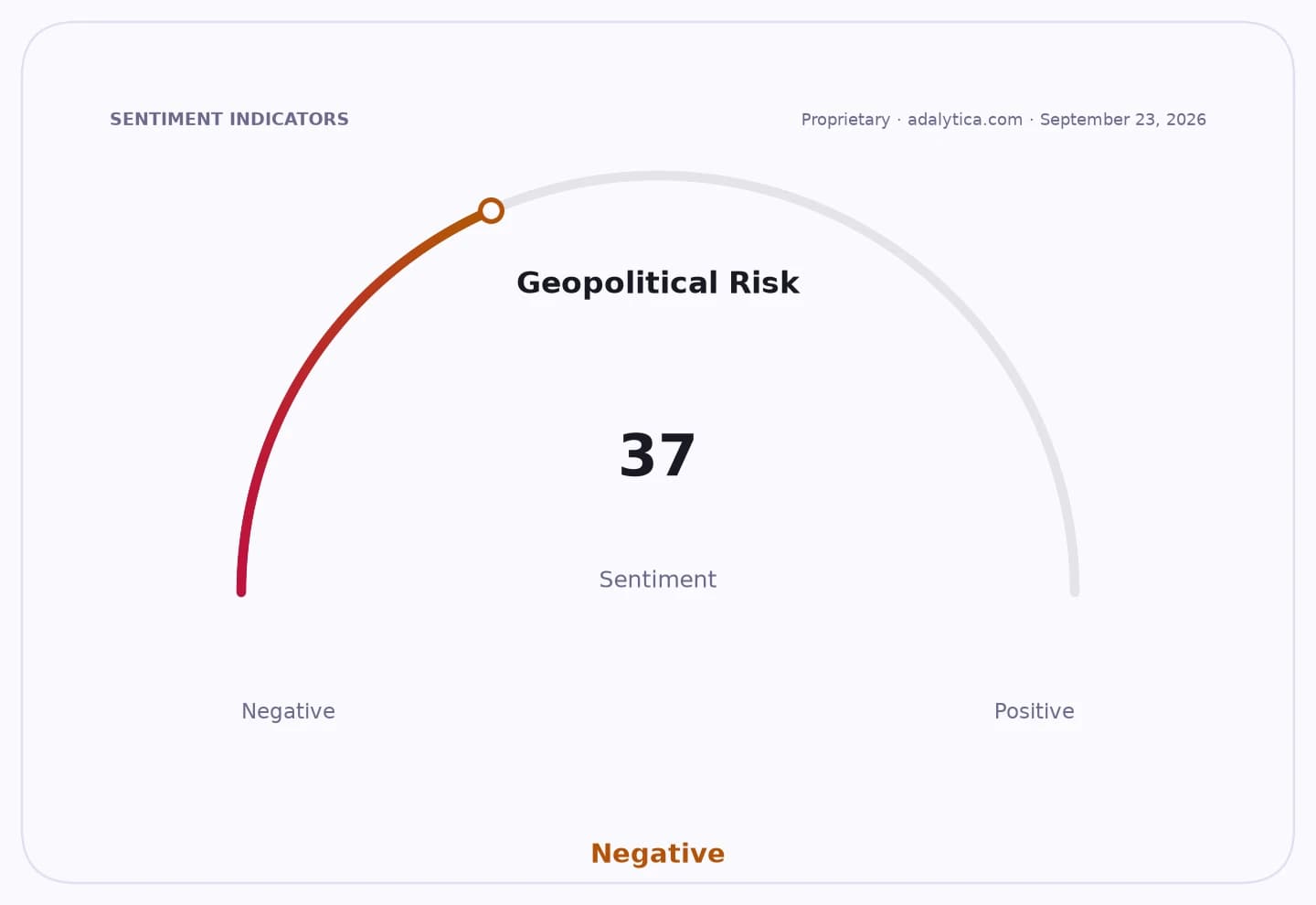
Argentina’s push to repeal its investment treaty with the United Kingdom could tighten the economic front of the Malvinas dispute, adding legal and commercial risk for British-linked firms just as President Javier Milei hardens the country’s stance on offshore energy and fisheries around the islands.
Argentina Move on UK Investment Treaty and Malvinas
The call from Tierra del Fuego official Andrés Dachary matters because it would remove a framework that has long helped govern bilateral investment protection and dispute resolution. In practical terms, that could make the operating environment more uncertain for companies with UK exposure in Argentina, especially in sectors already at the center of the sovereignty fight: oil and gas, fishing and services tied to the South Atlantic.
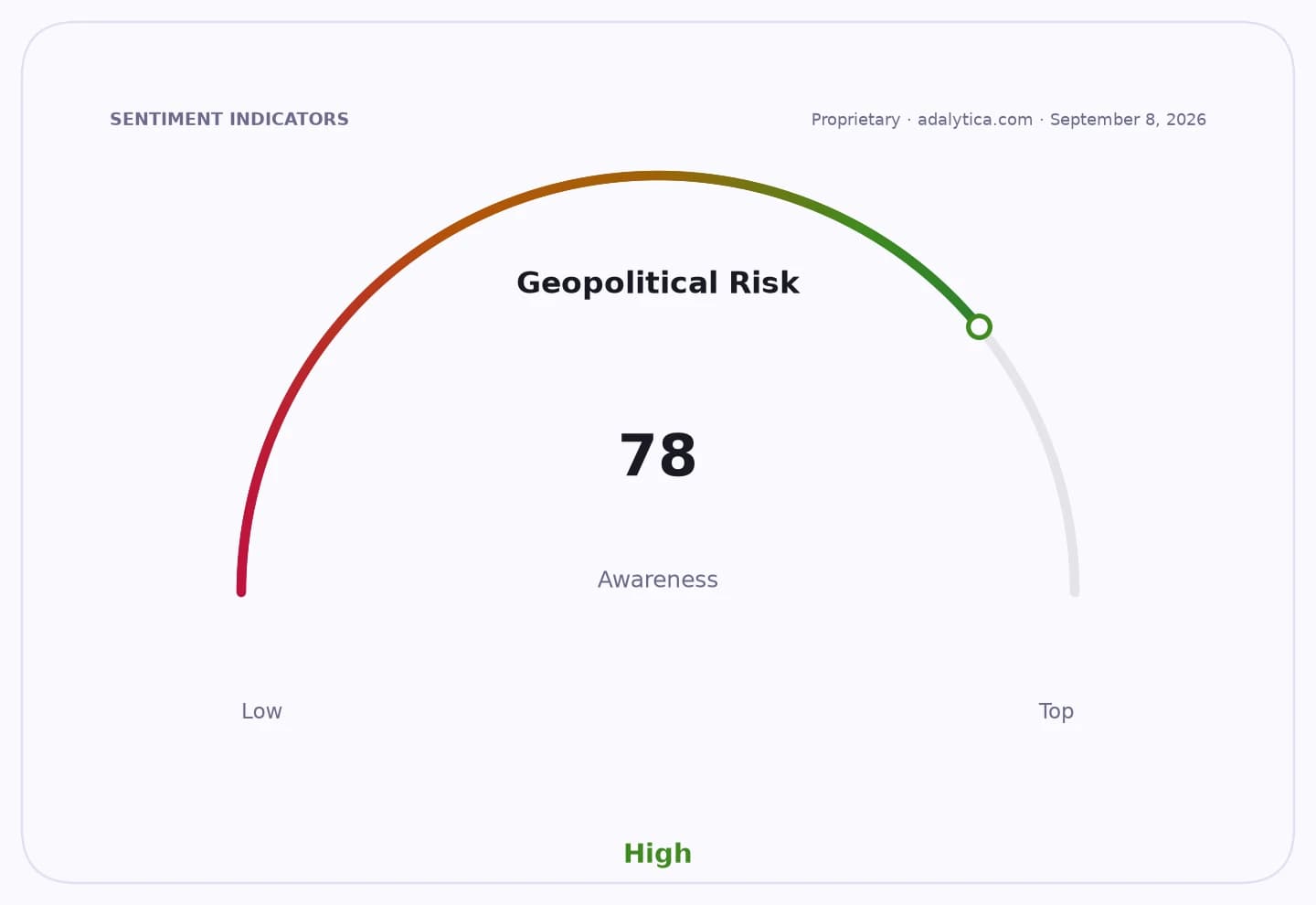
Sentiment IndicatorsⓘProprietary · adalytica.com · September 8, 2026
This is a snapshot — live sentiment, awareness and momentum for 130+ markets update continuously in the dashboard.Open AlphaPulse

Dachary said keeping the accord is a “geopolitical error” because it grants most-favoured-nation treatment and cedes jurisdiction to the same state Argentina accuses of “usurping” the territory. He urged the repeal of Law 24.184, which ratified the treaty in the 1990s. His comments followed Milei’s national address last week, in which the president said defense spending would rise to support an Integrated Naval Base in Tierra del Fuego and that sanctions on international oil companies operating around the archipelago without Argentine authorization would be tightened.
That sequence is important for investors because it suggests the sovereignty dispute is moving from rhetoric into policy tools with direct economic consequences. A treaty repeal would not automatically sever all commercial ties, but it would weaken legal protections and raise the cost of capital for firms considering Argentine or South Atlantic exposure. For energy groups, the risk is not just penalties but the possibility of more aggressive enforcement and a more hostile regulatory backdrop. For fishing and logistics companies, the concern is similar: more ambiguity around licensing, jurisdiction and asset security.
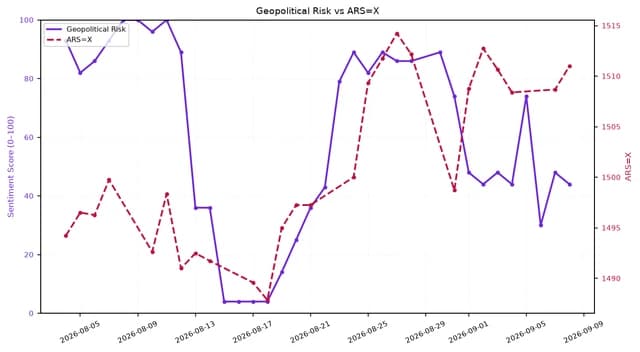
The move also exposes a contradiction in Argentina’s current strategy. On one hand, Milei is seeking to project strength on Malvinas and rally domestic support around sovereignty. On the other, the government has tried to present itself as more market-friendly to foreign investors. Repealing an investment treaty with a major G7 economy could reinforce the message that geopolitical priorities now outrank legal predictability. That may play well politically in Tierra del Fuego and with hard-line nationalists, but it risks unsettling investors who prize treaty protection in frontier markets.
Governor Gustavo Melella’s support for the federal government’s tougher line underscores how politically broad the issue has become inside Argentina. He called for turning the announcements into budgeted action, deadlines and a lasting state policy, suggesting the Malvinas file is becoming one of the few issues that can bridge domestic divides. Still, the economic effects are likely to be asymmetric: companies operating near the islands face higher political risk, while Argentina may gain little in immediate fiscal terms from escalating the dispute.
For markets, the key question is whether the government follows the rhetoric with formal legal action. If it does, the repeal could become another signal that Argentina is willing to subordinate investment protections to strategic claims, a stance that may complicate efforts to attract capital into energy and infrastructure. If it does not, the proposal may remain a political warning shot. Either way, the treaty debate is now part of a broader hardening of Argentina’s Malvinas policy, with investors watching for further restrictions on foreign operators and any spillover into the country’s wider legal treatment of overseas capital.
| Entity | Gains | Losses |
|---|---|---|
| Tierra del Fuego government | ▲Political leverage | ▼Investment certainty |
| Argentine government | ▲Sovereignty messaging | ▼Treaty credibility |
| UK-linked investors | ▲None | ▼Legal protection |
| Oil and fishing firms | ▲None | ▼Operating flexibility |