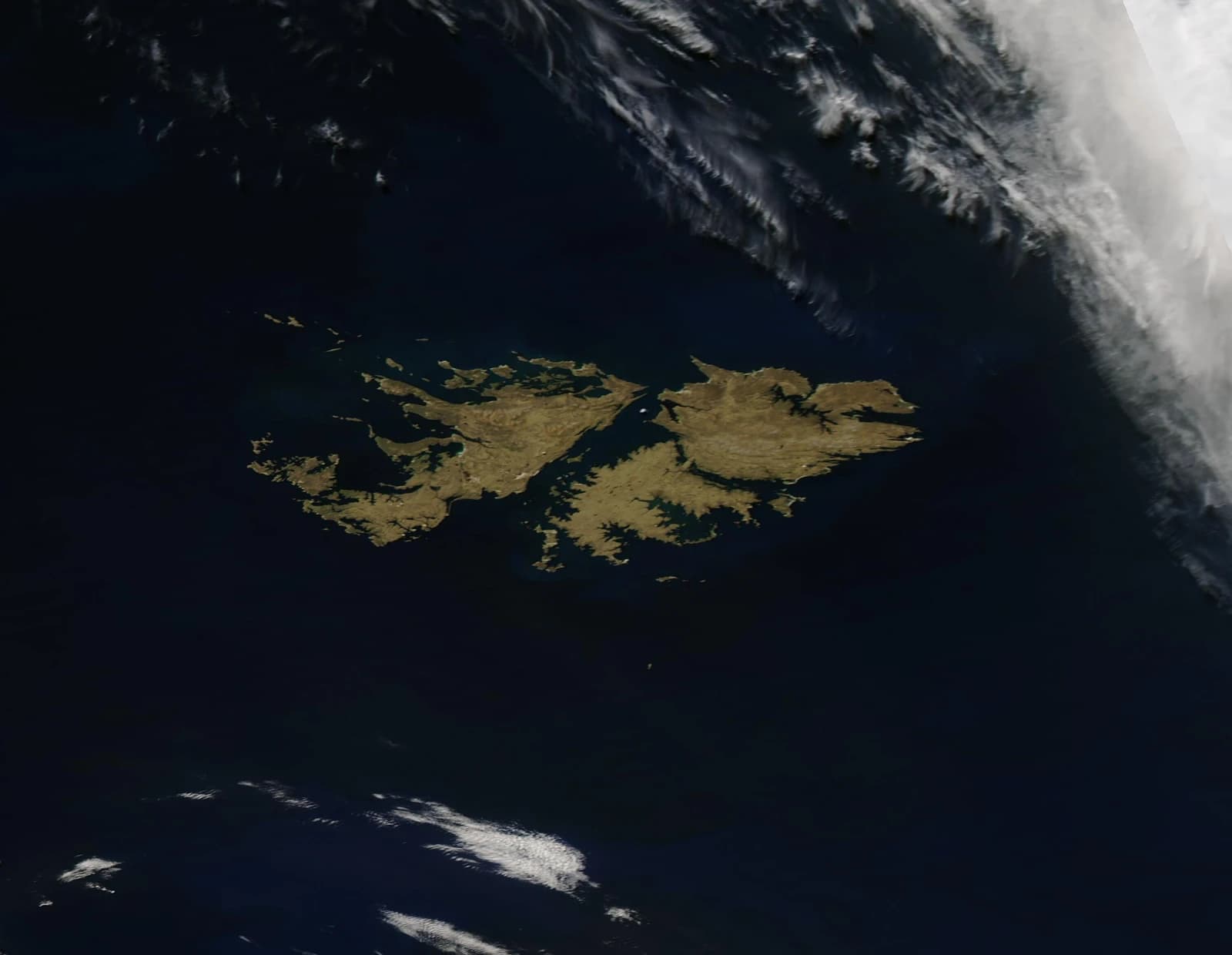
Argentina's President Javier Milei has sent Congress a bill that would sharply toughen penalties for unauthorized resource exploitation around the Malvinas, a move that raises the stakes in Buenos Aires' sovereignty dispute with Britain and the companies operating in the islands.
Argentina Tightens Malvinas Resource Penalties
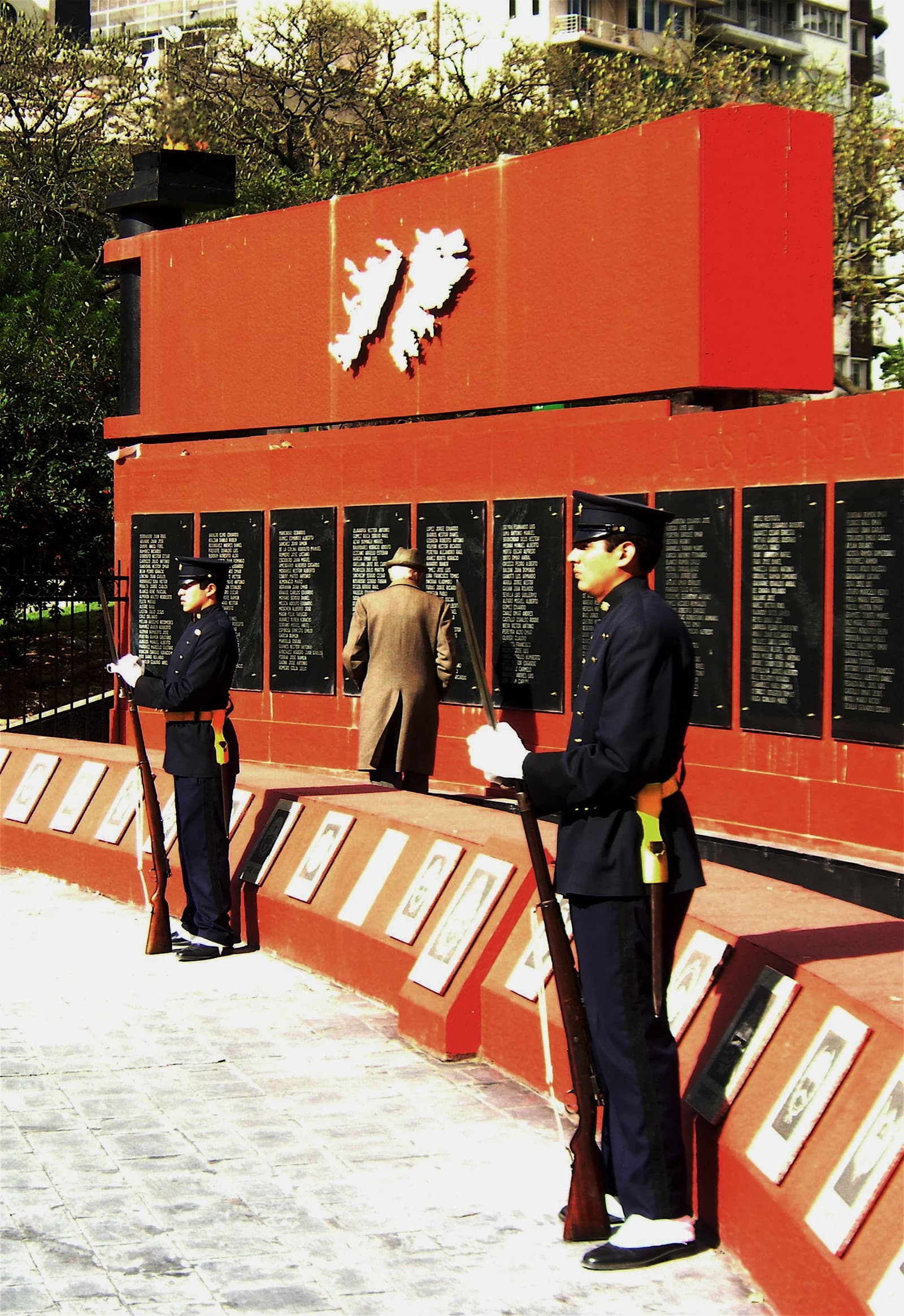
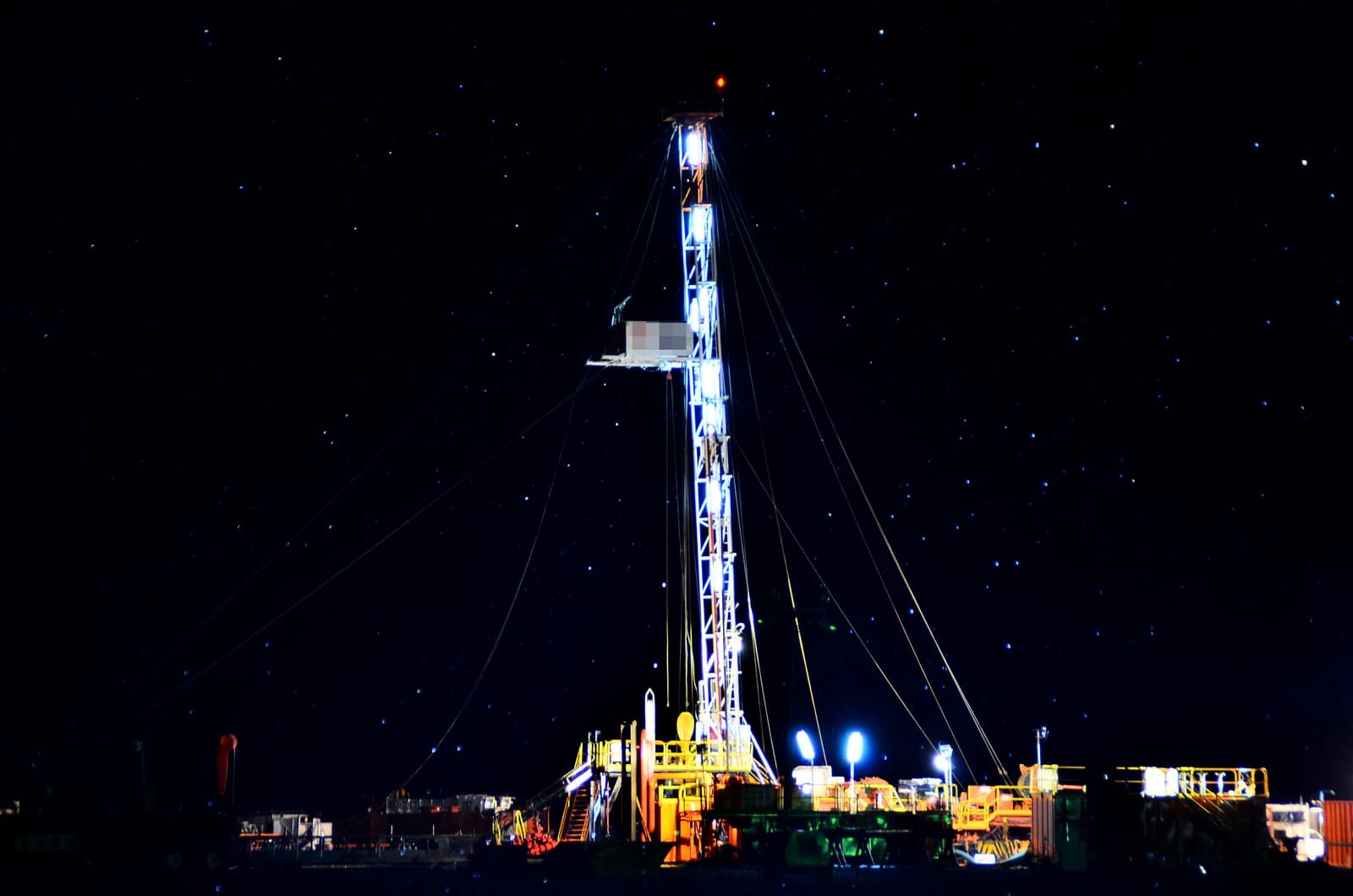
The proposal matters economically because it targets fishing, hydrocarbon activity and other extraction in the South Atlantic, where access to resources has long been entangled with geopolitics. By widening the law beyond oil and gas to renewable and non-renewable resources in the islands, surrounding waters and Argentina's continental shelf, Milei is signaling that enforcement — not just rhetoric — will be used to deter investment linked to the disputed territory.
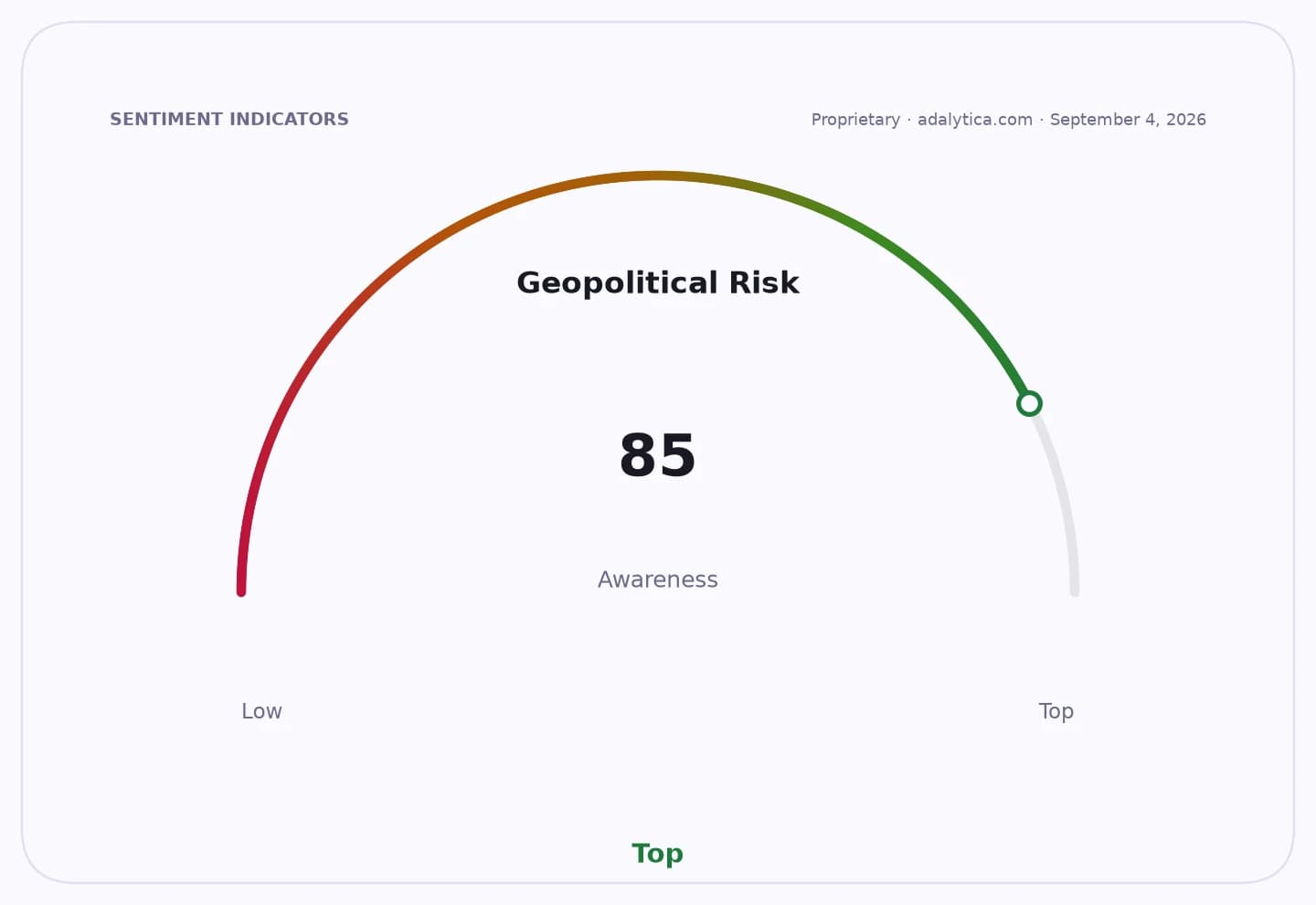
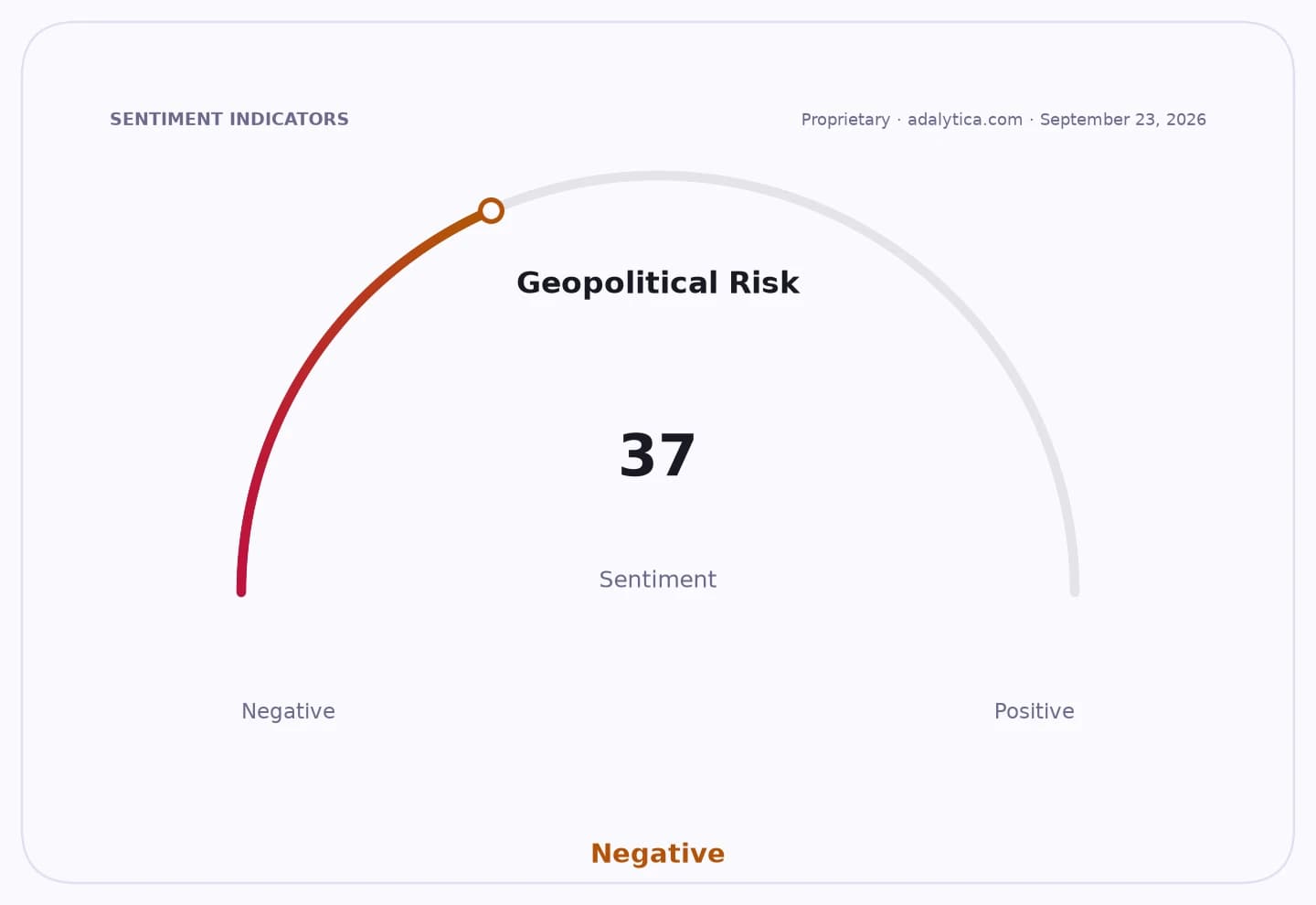
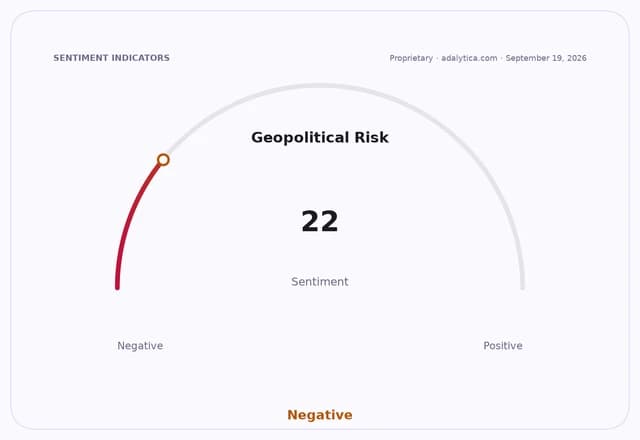
Sentiment IndicatorsⓘProprietary · adalytica.com · September 19, 2026
This is a snapshot — live sentiment, awareness and momentum for 130+ markets update continuously in the dashboard.Open AlphaPulse

Under the draft, unauthorized prospecting and exploration would carry prison terms of 12 to 15 years, up from five to 10 years. Penalties for extraction, transport and storage would rise to 15 to 20 years from 10 to 15, while the bill also adds sanctions for participation in activities such as fishing.
The government called the initiative a milestone in the recovery process for the Malvinas, South Georgia and the South Sandwich Islands, and urged lawmakers to give it "maximum priority." It would repeal Law 26,659, in force since 2011, and replace it with a broader sovereignty-defense regime that also creates a national security system and protections for critical infrastructure.
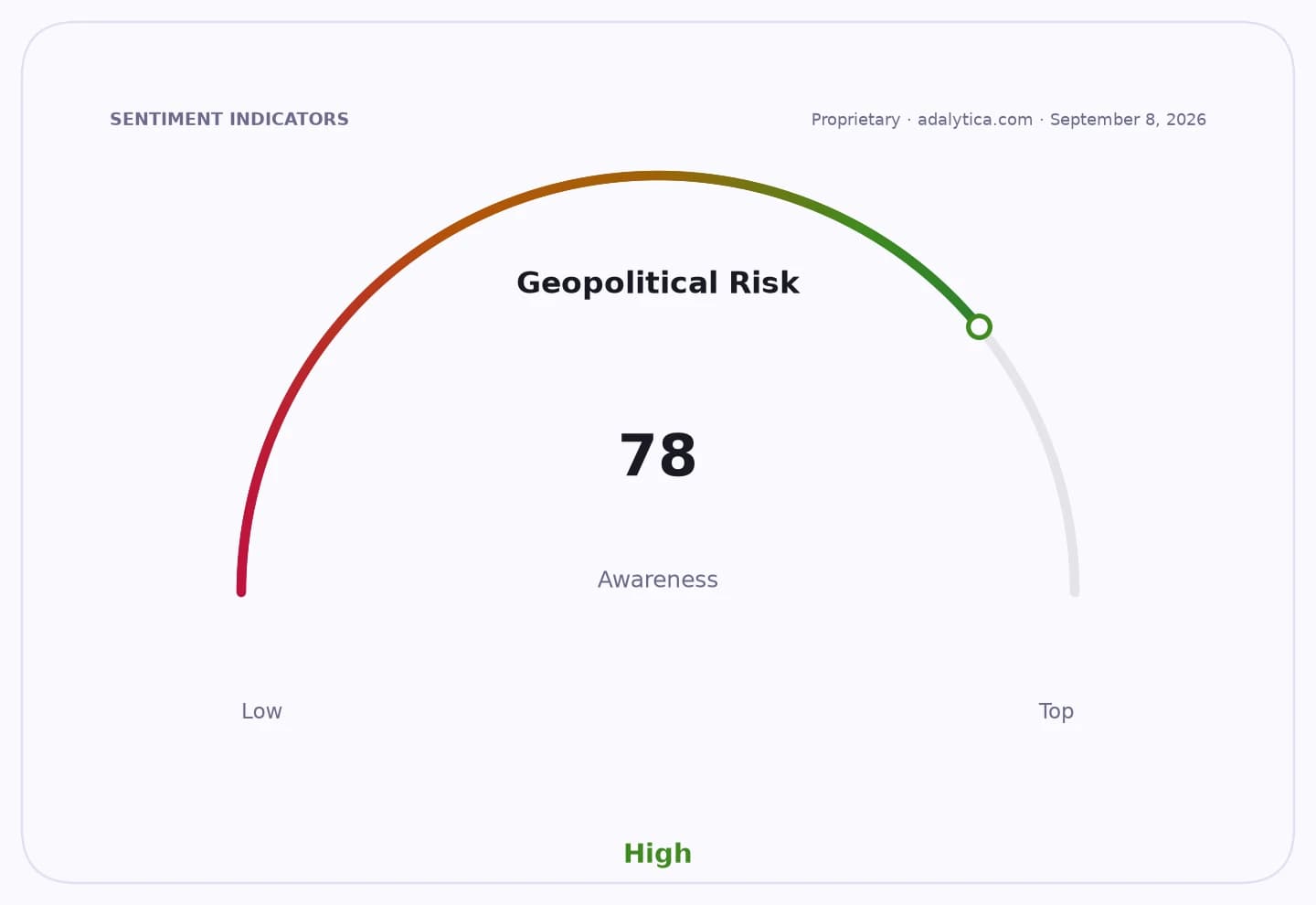
Geopolitical Risk vs ARGTadalytica.com
Explore this data interactively — full history, time series and cross-market comparisons.Open AlphaPulse
For investors, the immediate issue is legal and operational risk for any company exposed to offshore projects in the region, including oil explorers and fishing interests. Argentina said it has already issued nearly 180 warnings, opened 60 investigations and filed three criminal complaints tied to activities on the islands, a sign that the bill would formalize an increasingly aggressive enforcement posture.
The move also fits a wider pattern of diplomatic and legal pressure on British-linked projects near the islands, including lawsuits by veterans' groups and environmental activists against a major oil venture. Milei, who once drew criticism for admiring Margaret Thatcher, is now leaning harder into nationalist messaging ahead of the 2027 election cycle.
The next catalyst is congressional treatment of the bill and whether the government pairs it with fresh enforcement actions or international lobbying, both of which could keep tensions with the UK elevated and add uncertainty for energy and resource investors in the South Atlantic.
| Entity | Gains | Losses |
|---|---|---|
| Argentine government | ▲sovereignty leverage | ▼legal ambiguity if challenged |
| UK-linked operators | ▲limited | ▼higher sanctions risk |
| Fisheries and oil firms | ▲none | ▼tougher penalties |
| Argentine nationalists | ▲political momentum | ▼heightened diplomacy costs |