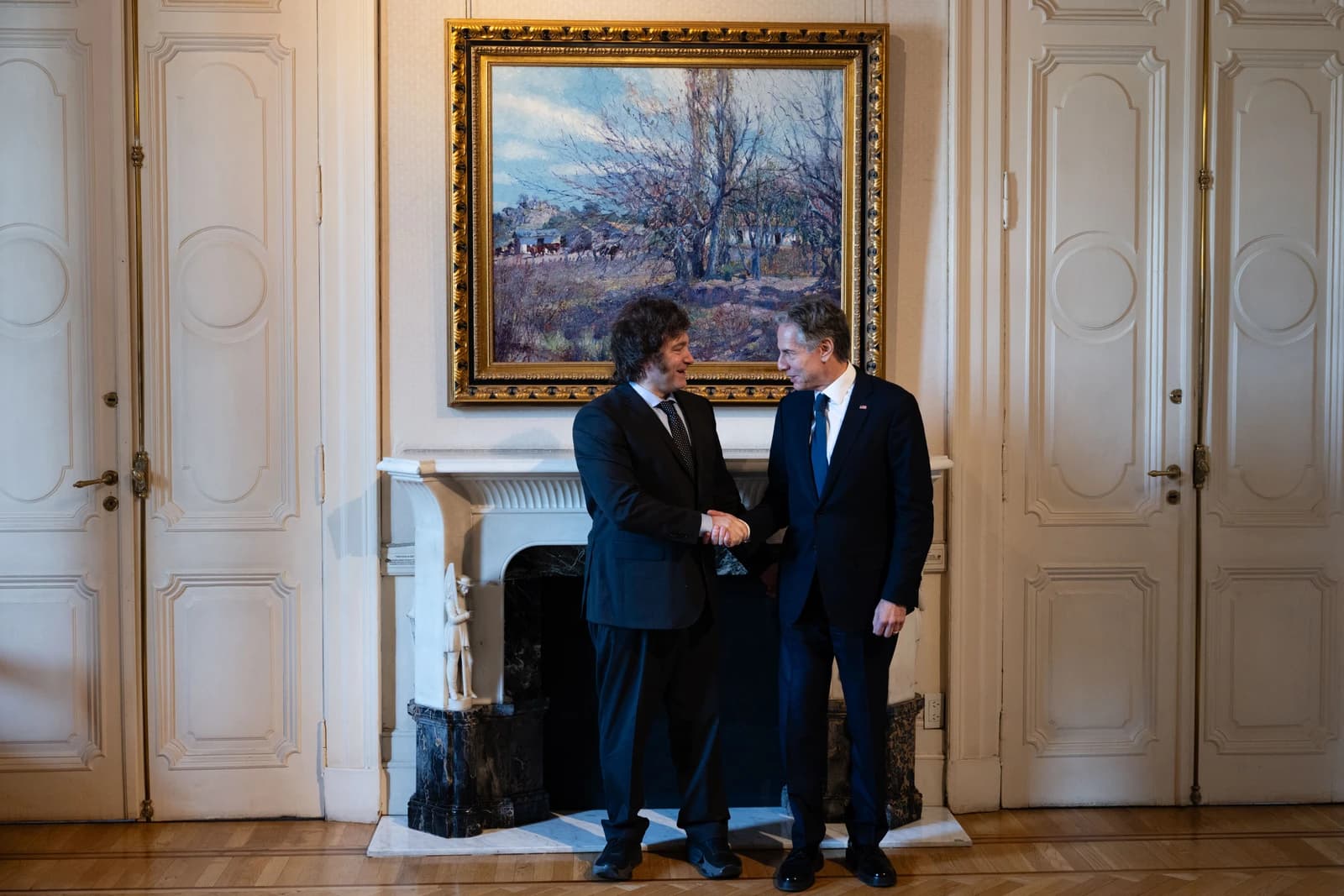
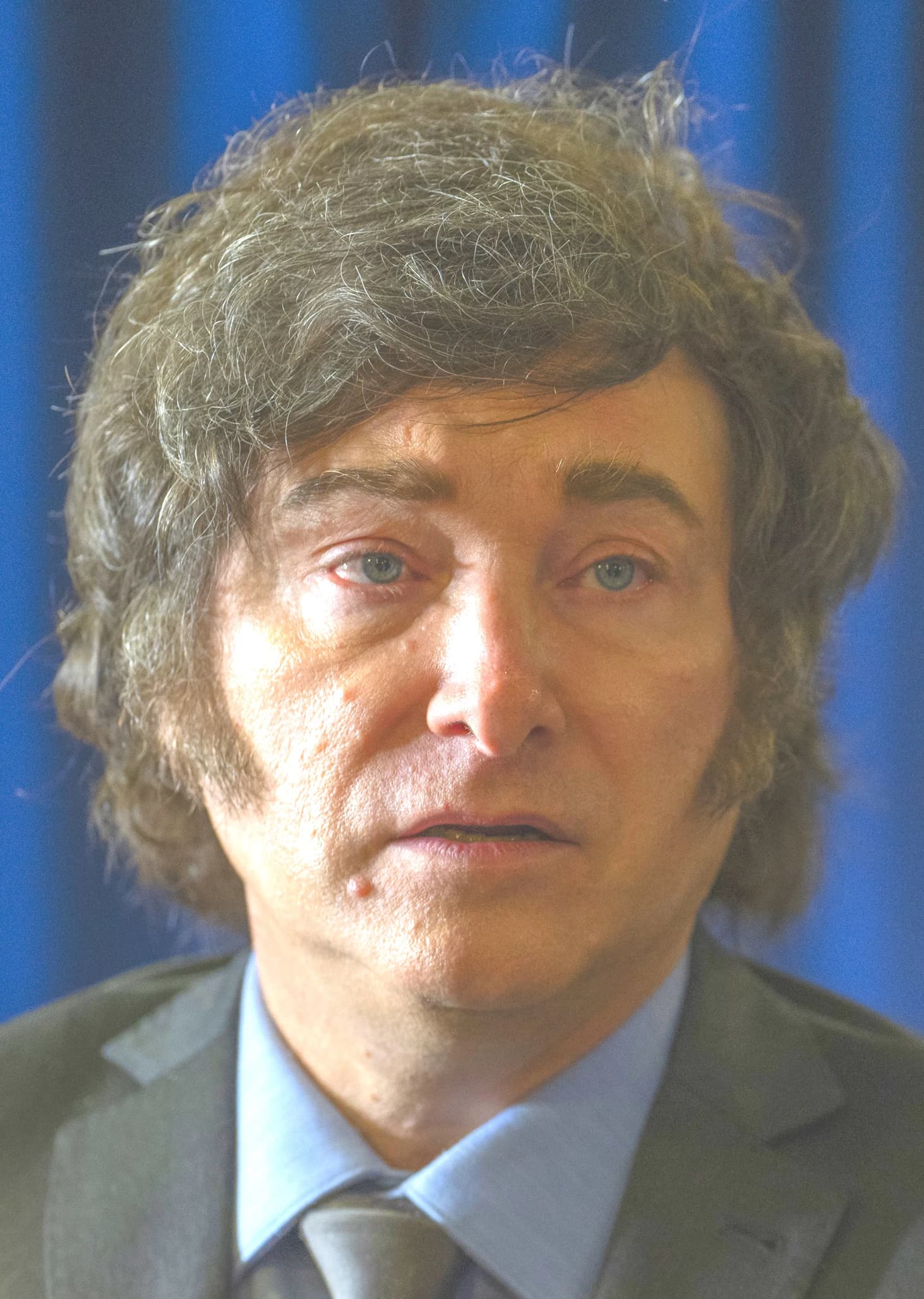
Javier Milei’s trip to Paris with 12 governors is a political and economic pitch designed to do one thing: convince foreign investors that Argentina can deliver policy continuity, provincial backing and enough governability to unlock capital.
Argentina Milei Paris Trip Courts Foreign Investors
That matters because Argentina does not need another photo opportunity in Europe; it needs money into mining, energy and infrastructure now. The delegation is meant to show that Milei’s reform push is not just a Buenos Aires project, but a broader national coalition with provincial power brokers who can help clear the path for projects in lithium, copper, oil and gas. For investors, that is the difference between a compelling reform story and one that can actually turn into cash flows.
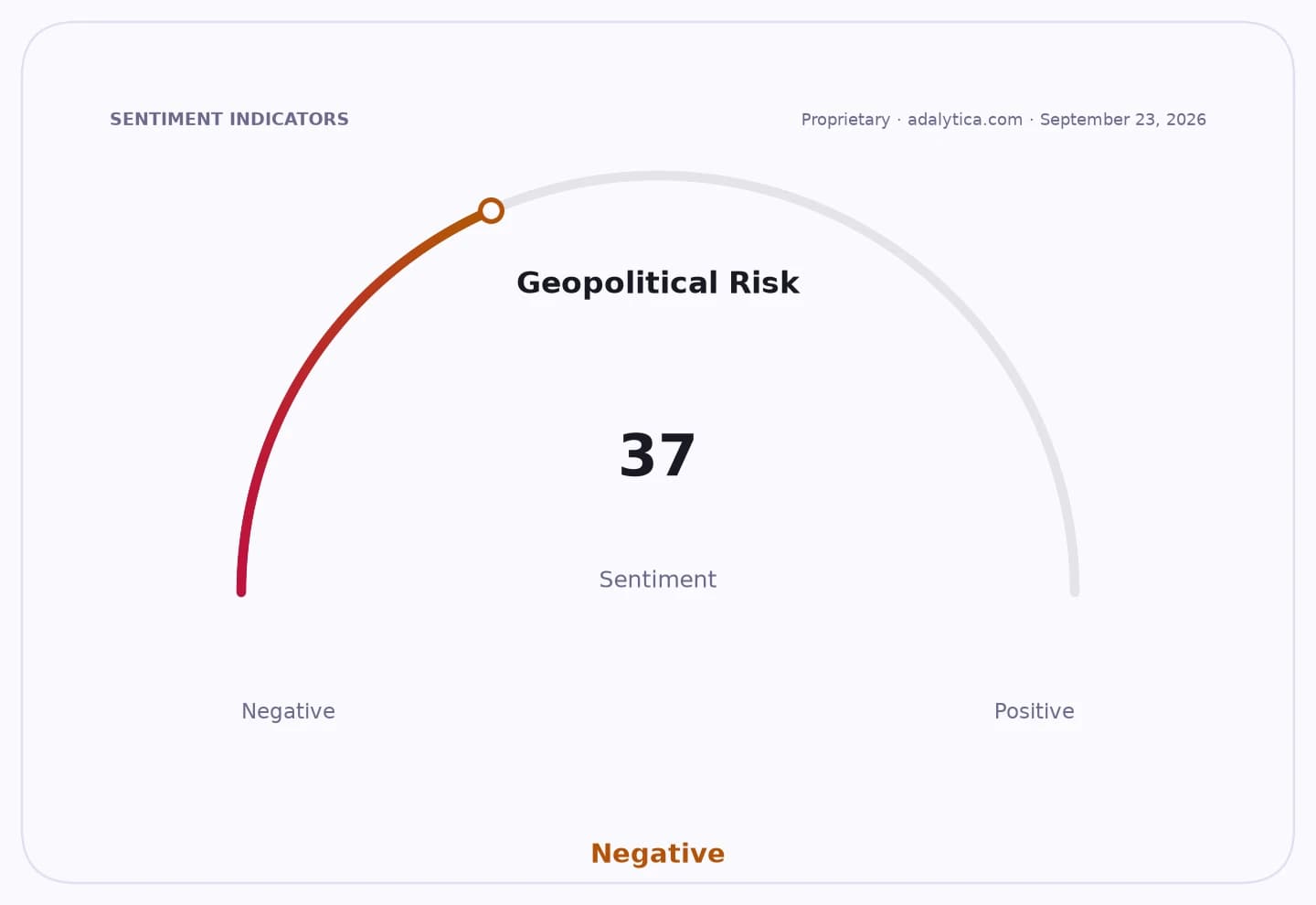
Sentiment IndicatorsⓘProprietary · adalytica.com · September 23, 2026
This is a snapshot — live sentiment, awareness and momentum for 130+ markets update continuously in the dashboard.Open AlphaPulse
The government is planning to use the Argentina Week event in Paris, running from Sept. 30 to Oct. 2, to court European business leaders after a similar pitch in Manhattan in March. The message is straightforward: the administration wants to prove that its economic program has political support beyond the presidency, especially as it negotiates key measures in Congress including the budget and the suspension of primary elections.
That political backdrop is crucial. In Argentina, market confidence often turns less on the headline reform package than on whether the government can keep Congress, governors and ministries aligned long enough to execute. By bringing in provincial leaders such as Mendoza’s Alfredo Cornejo, San Juan’s Marcelo Orrego, Neuquén’s Rolando Figueroa and others, Milei is trying to show that the provinces most tied to extractive investment are on board. Mendoza, in particular, wants to use the trip to reinforce its push on mining and energy, with the possible participation of environment and energy minister Jimena Latorre underscoring that agenda.
For investors, this is where the asymmetry lies. The big upside is not in the Paris event itself, but in what it could unlock: a steadier pipeline of foreign direct investment into Argentina’s hardest-currency sectors. Mining and energy projects can generate export revenues, local employment and infrastructure spending, while giving the peso economy a stronger external anchor. That is exactly the kind of second-order benefit global funds look for when they are deciding whether Argentina’s turnaround is real or just another cycle.
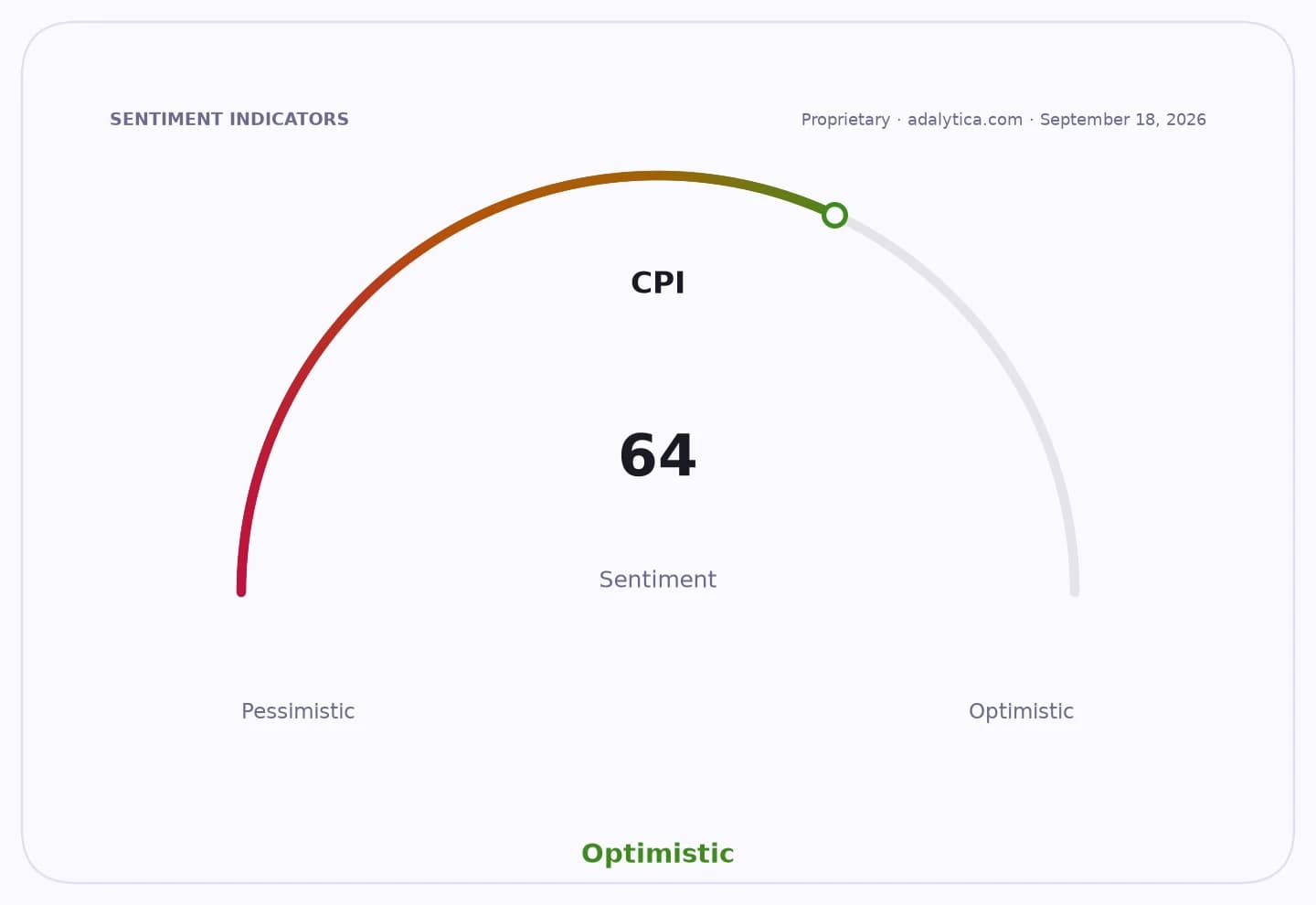
The market backdrop also helps explain why this trip matters now. Argentina risk assets are still trading with skepticism, and the broader global mood on stability has cooled sharply, even as the U.S. dollar has strengthened. In that kind of environment, countries need credibility, not slogans. A show of provincial unity can lower the perceived political risk premium just enough to keep capital interested in long-duration projects that would otherwise sit on the sidelines.
The takeaway for investors is simple: watch the Paris trip as a signal of execution, not ceremony. If Milei can convert this diplomatic roadshow into concrete investment commitments, the winners are likely to be Argentina’s province-linked energy, mining and infrastructure plays, while the losers are the skeptics betting the reform coalition cannot hold. The market may not price that outcome immediately, but if the government keeps stitching together political support, Argentina’s next major rerating could come from the sectors tied to exports, not the headline index alone.
| Entity | Gains | Losses |
|---|---|---|
| Milei government | ▲Credibility boost | ▼Reform skeptics |
| Mendoza and other provinces | ▲Investment outreach | ▼Isolated local economies |
| Mining and energy projects | ▲Capital inflows | ▼Delayed developers |
| Argentina risk assets | ▲Lower political premium | ▼Short sellers |