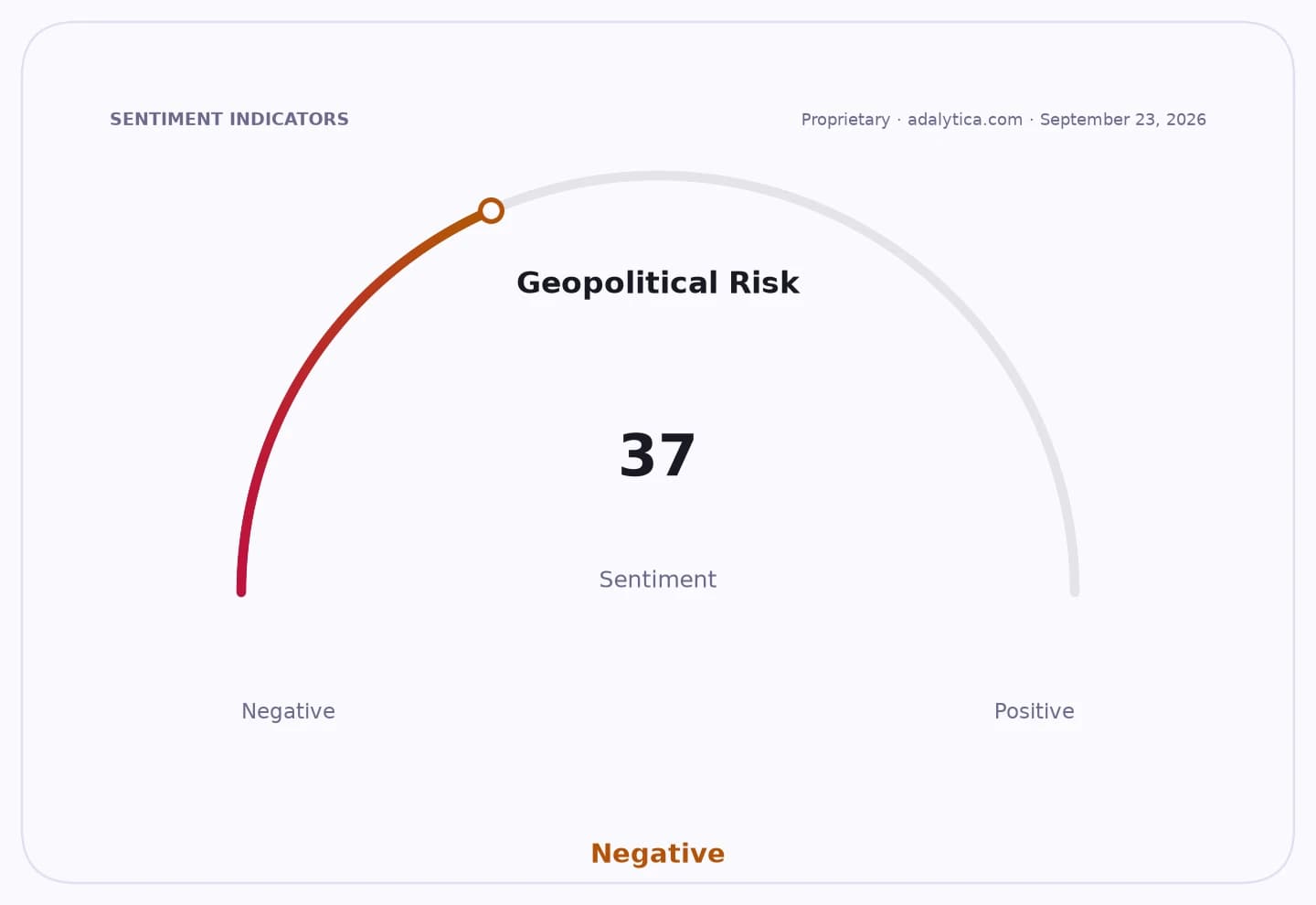
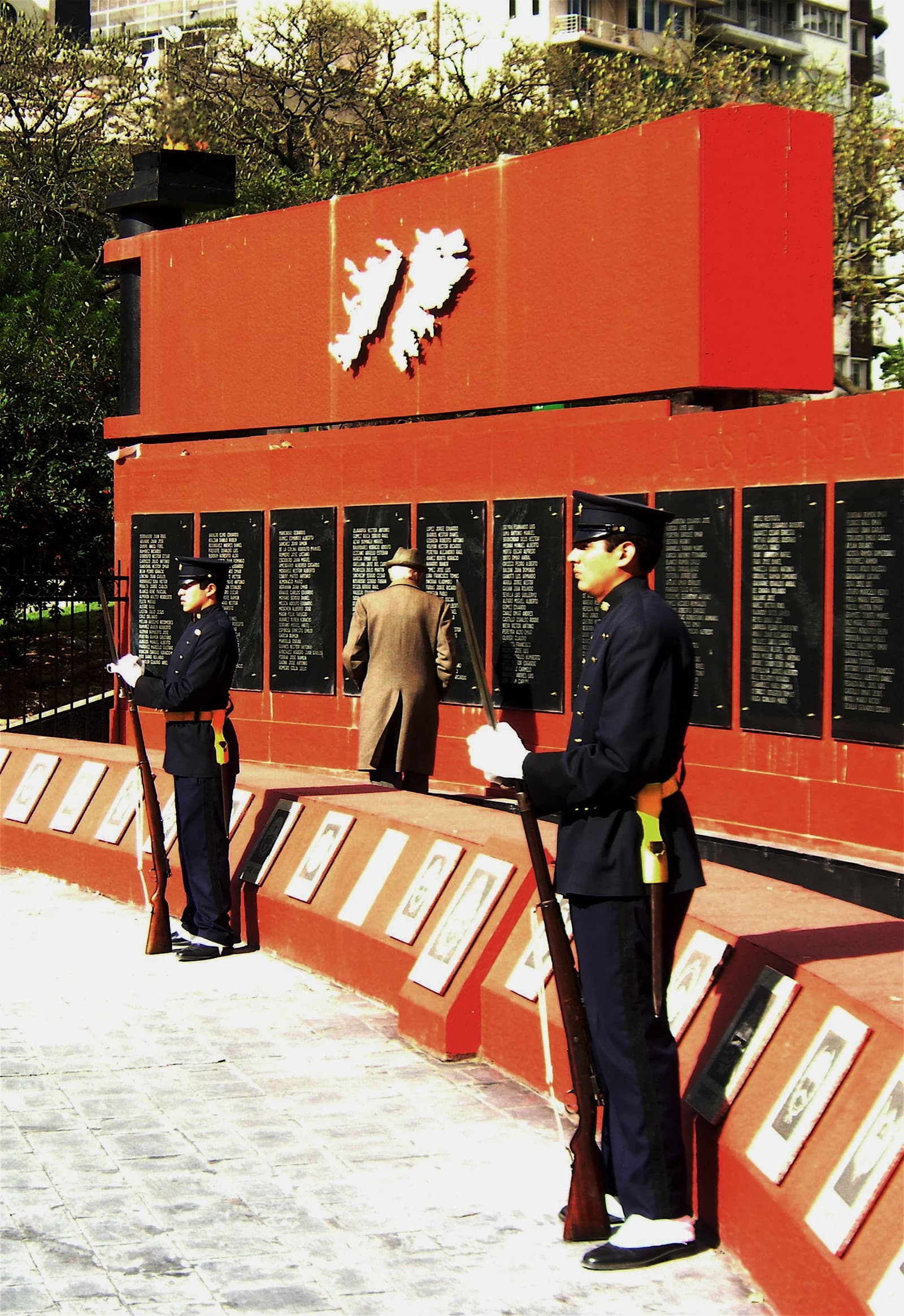
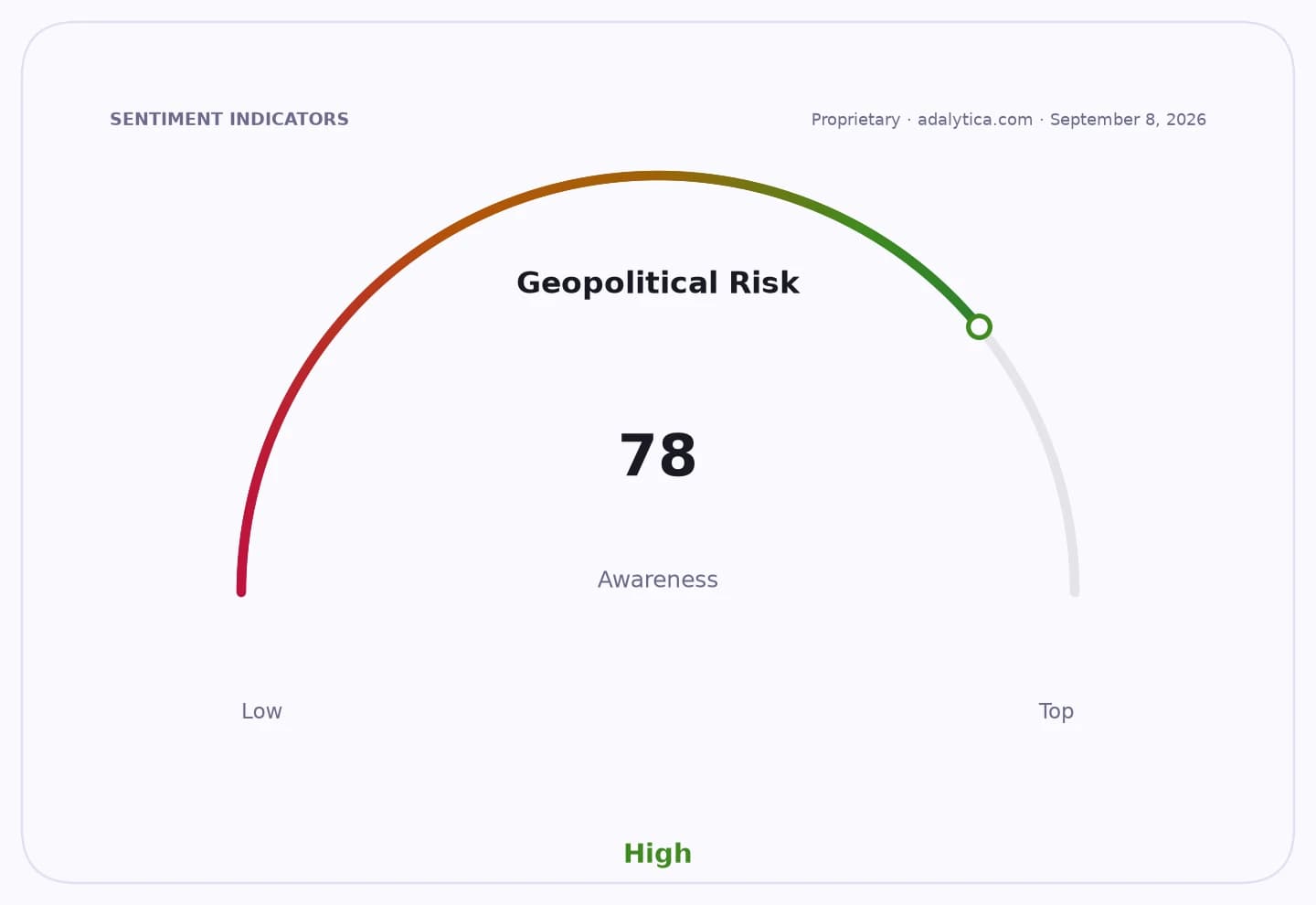
Argentina’s government is moving to open a broad congressional debate on the sovereignty of the Malvinas Islands, pairing the diplomatic push with tougher legal and fiscal pressure on companies linked to offshore oil activity around the disputed territory.
Argentina debates Malvinas law, targets offshore firms
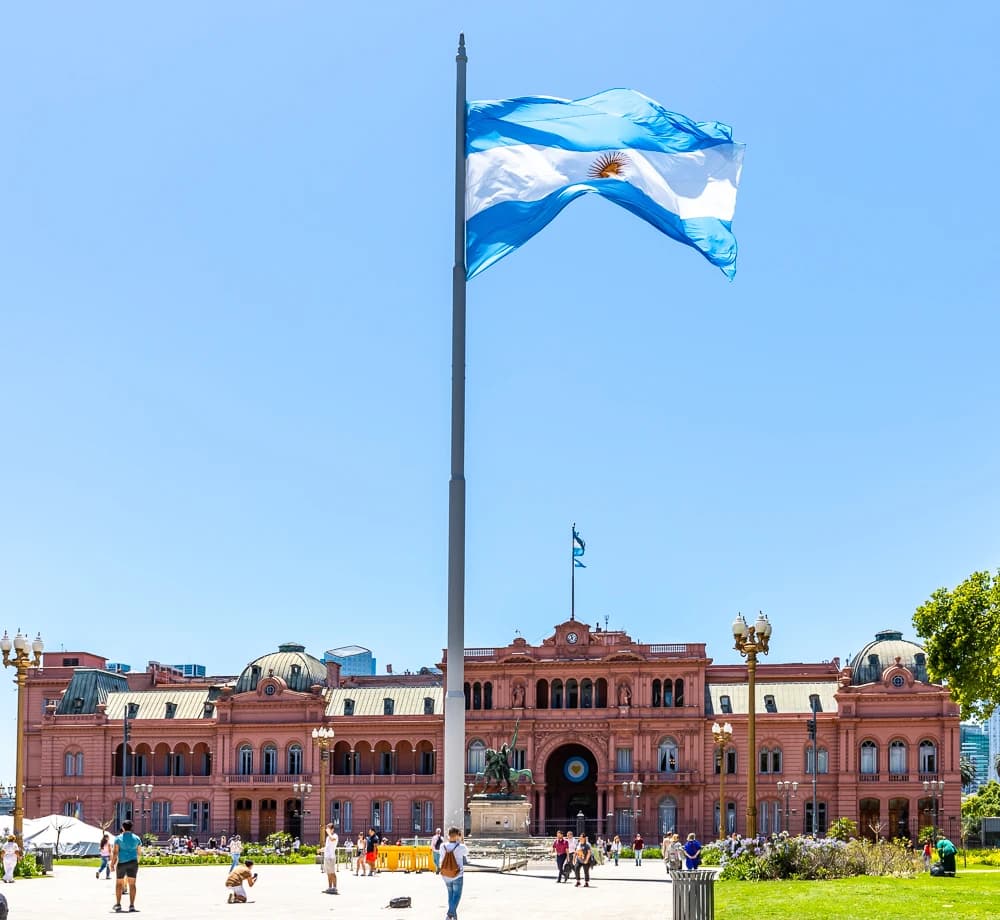
The significance is less about symbolism than about risk. By seeking to harden penalties not only for hydrocarbon producers but also for suppliers and service providers, President Javier Milei is trying to raise the cost of participating in projects that Buenos Aires sees as exploiting sovereign resources. That matters for investors because it can affect project economics, financing, insurance, contracting and eventual exit risk for firms exposed to the Sea Lion development and related work in the South Atlantic.
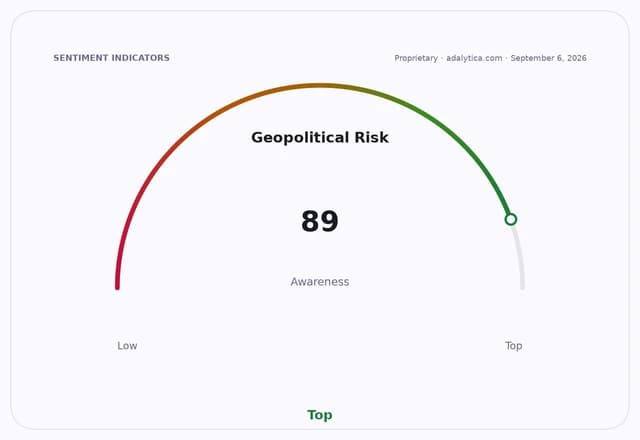
Sentiment IndicatorsⓘProprietary · adalytica.com · September 6, 2026
This is a snapshot — live sentiment, awareness and momentum for 130+ markets update continuously in the dashboard.Open AlphaPulse
The proposal comes as lawmakers prepare to receive the government’s measures, which opposition parties say are politically timed but are still likely to advance to debate. The administration wants Congress to back a stricter legal framework that would bar infringers from contracting in Argentina with either the state or the private sector and allow trials in absentia. The scope would also extend beyond oil to other activities in the islands tied to natural resources.
The immediate commercial target is the Sea Lion project, promoted by Navitas Petroleum and Rockhopper Exploration, where any move from planning toward production would be viewed in Buenos Aires as deepening the dispute over resource rights. For the companies involved, the risk is not only diplomatic friction but also a broader compliance overhang in a region where sovereignty claims can translate into sanctions-style restrictions on counterparties, logistics and local market access.
Milei’s package also includes budget reallocations for defense that would help fund the Integrated Naval Base in Tierra del Fuego and strengthen communications capacity, part of a wider effort to turn the southern hub into a logistics platform for the South Atlantic and a projection point toward Antarctica. That matters economically because it ties sovereignty policy to infrastructure spending and security posture, with potential spillovers for construction, defense procurement and regional transport activity.
The political path may be relatively smooth. The joint congressional committee that will examine the decree has 11 members aligned with the government and its allies, versus five for Peronism, suggesting an easier passage in committee before the measure reaches the chambers. Even so, the opposition is expected to use the debate to press for officials from the executive branch to testify, keeping the issue alive in parliament and in the public market narrative.
For investors, the key question is whether the government’s tougher posture becomes enforceable friction or stays largely declaratory. A more aggressive legal regime could discourage counterparties from engaging in South Atlantic projects and complicate supply chains for companies with exposure to the area. But the bull case for Milei’s move is that it reinforces Argentina’s negotiating position and signals a more coherent state strategy around Malvinas, potentially strengthening domestic political support without immediately changing the underlying balance on the islands.
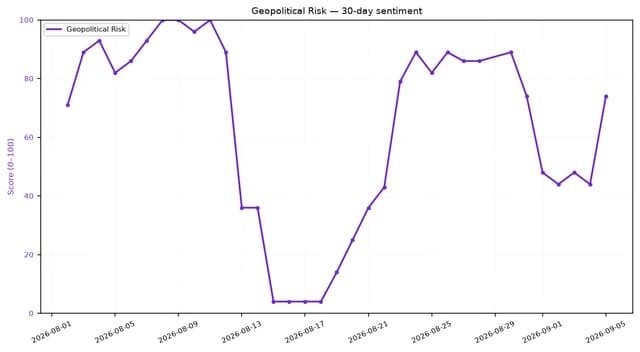
The backdrop is a market still sensitive to geopolitical risk and energy-policy intervention. Any escalation around disputed offshore resources can change valuations for explorers and service providers far beyond Argentina, especially when legal uncertainty intersects with capital-intensive projects. The congressional debate will now test whether Milei’s government can turn a sovereignty message into durable policy, or whether the initiative becomes another round of political theater around one of Argentina’s oldest territorial disputes.
| Entity | Gains | Losses |
|---|---|---|
| Argentine government | ▲Sovereignty narrative | ▼Policy credibility if diluted |
| Navitas Petroleum & Rockhopper | ▲None | ▼Contract and legal risk |
| Defense contractors & Tierra del Fuego projects | ▲More funding prospects | ▼Budget diversion risk |
| Offshore suppliers/counterparties | ▲None | ▼Possible contracting bans |