Venezuela is pressing for a larger African presence on the U.N. Security Council, joining a broader diplomatic push at a CELAC-African Union ministerial meeting to reshape multilateral institutions around what Caracas calls equity, legitimacy and historical justice.
Venezuela Pushes for Africa on U.N. Security Council
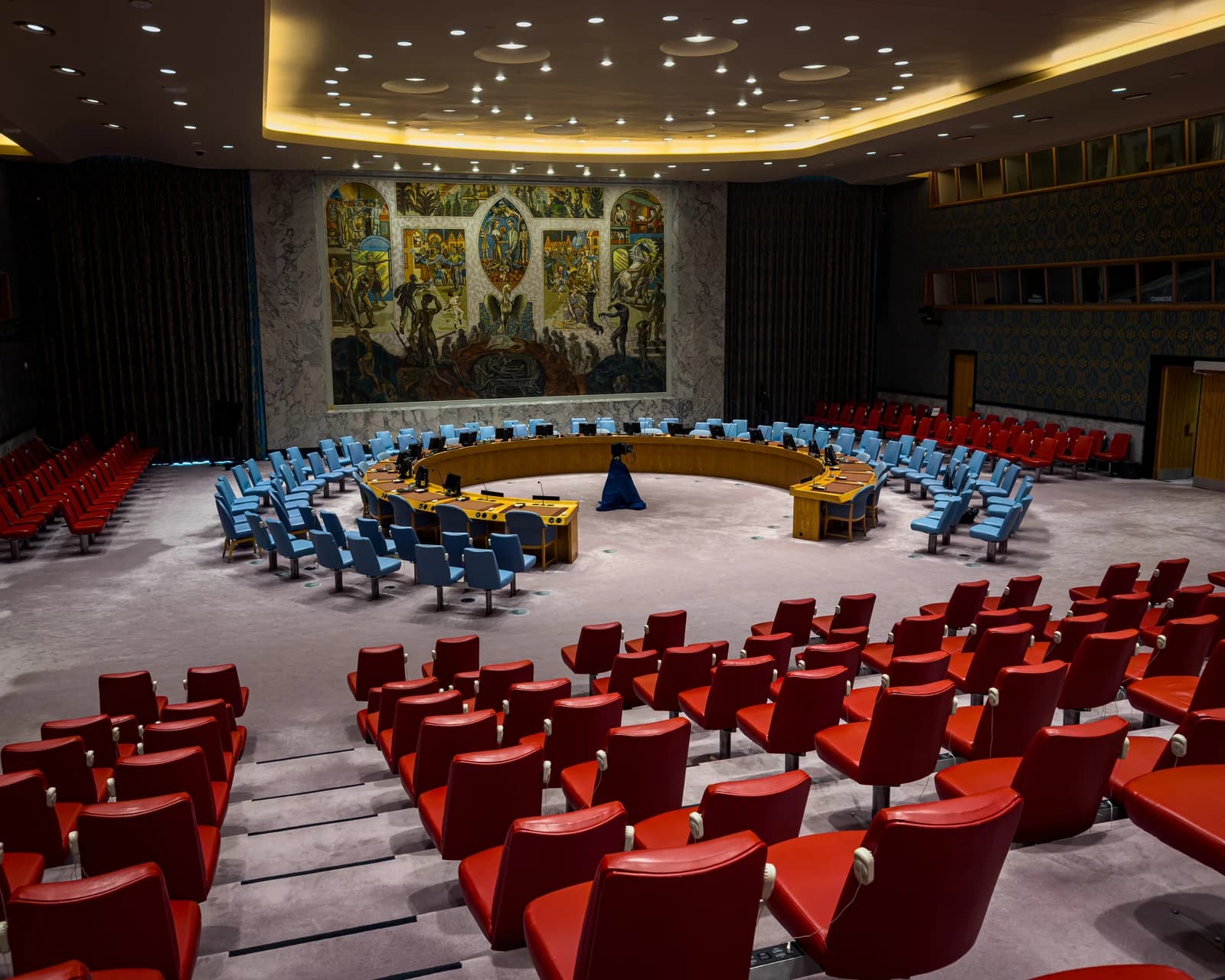
The intervention, delivered by Venezuelan deputy foreign minister for Africa Yuri Pimentel, puts Security Council reform back into focus at a time when emerging markets are seeking more influence in global decision-making. For investors, the significance is less about an immediate market move than about the political direction of South-South cooperation, which can affect trade alignment, resource diplomacy and voting blocs in multilateral forums.
Sentiment IndicatorsⓘProprietary · adalytica.com · September 27, 2026
This is a snapshot — live sentiment, awareness and momentum for 130+ markets update continuously in the dashboard.Open AlphaPulse
Pimentel said the last few years have brought gradual progress in ties between the Community of Latin American and Caribbean States and the African Union, and argued the relationship can now be taken to a “new strategic level.” He also said Africa should be the main driver of its own development, tied to its priorities and Agenda 2063, with that vision translated into concrete cooperation projects.
The message fits a wider effort by developing economies to argue that postwar institutions no longer reflect the balance of power or the economic weight of the Global South. A stronger African voice on the Security Council would support calls for permanent representation or at least a more durable role in setting global security policy, an issue that has long divided U.N. members and stalled previous reform drives.
For markets, the immediate read-through is mainly geopolitical: deeper CELAC-Africa coordination could support future trade, energy and commodity partnerships, especially if it evolves into more structured cooperation on industrial capacity and value-added production. It also reinforces a narrative of regional blocs trying to build leverage outside the U.S.-Europe-China axis.
That leaves the reform debate likely to remain slow-moving, but politically alive. Any concrete follow-up from CELAC and the African Union on institutional reform or economic cooperation would be the next catalyst for investors watching sovereign diplomacy, commodity flows and emerging-market alignment.
| Entity | Gains | Losses |
|---|---|---|
| African Union | ▲Greater global representation | ▼Marginal status quo |
| CELAC countries | ▲Stronger South-South ties | ▼Limited multilateral leverage |
| Reform supporters | ▲Momentum for U.N. change | ▼Institutional inertia |
| Security Council incumbents | ▲— | ▼Pressure to cede influence |