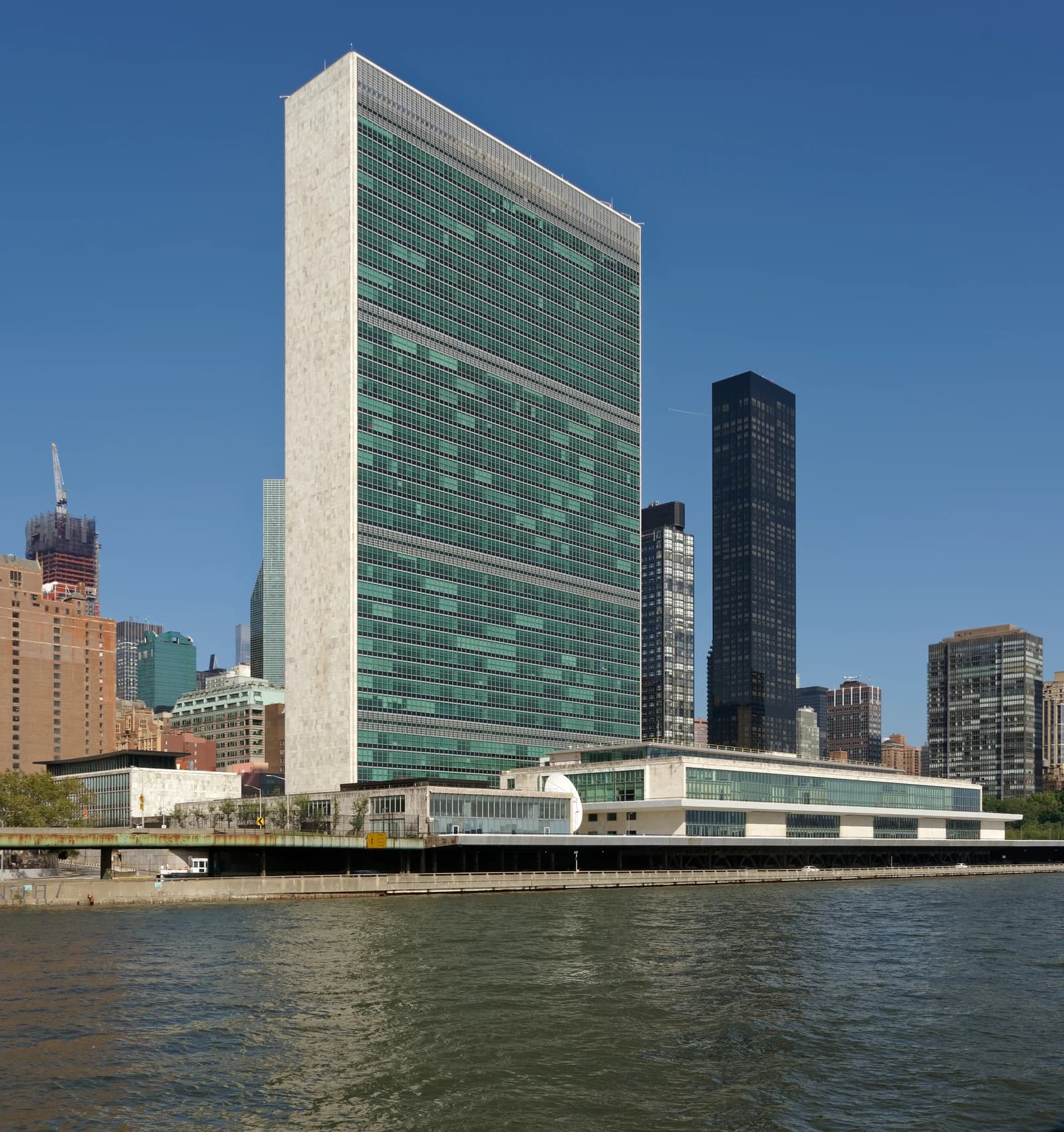
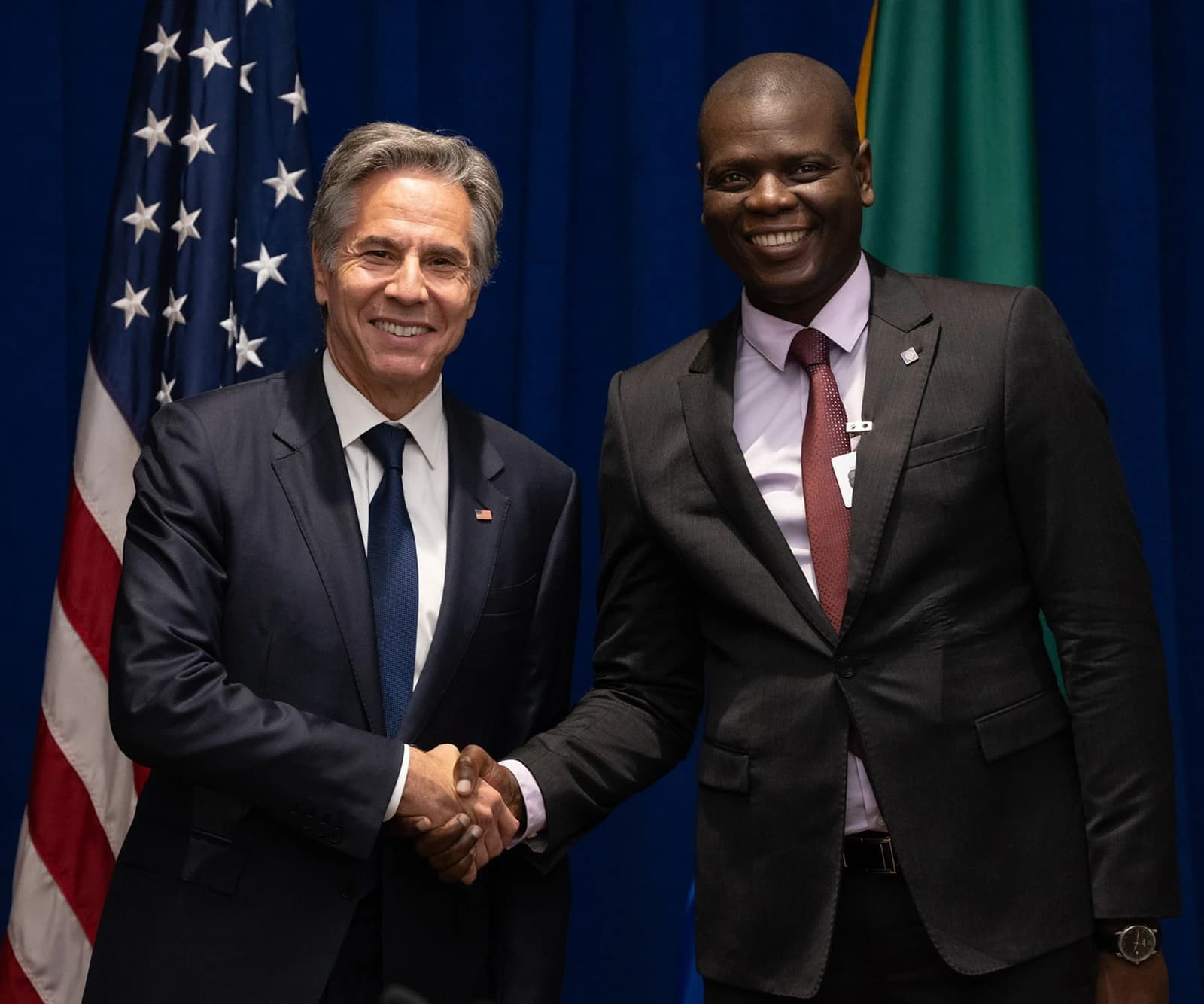
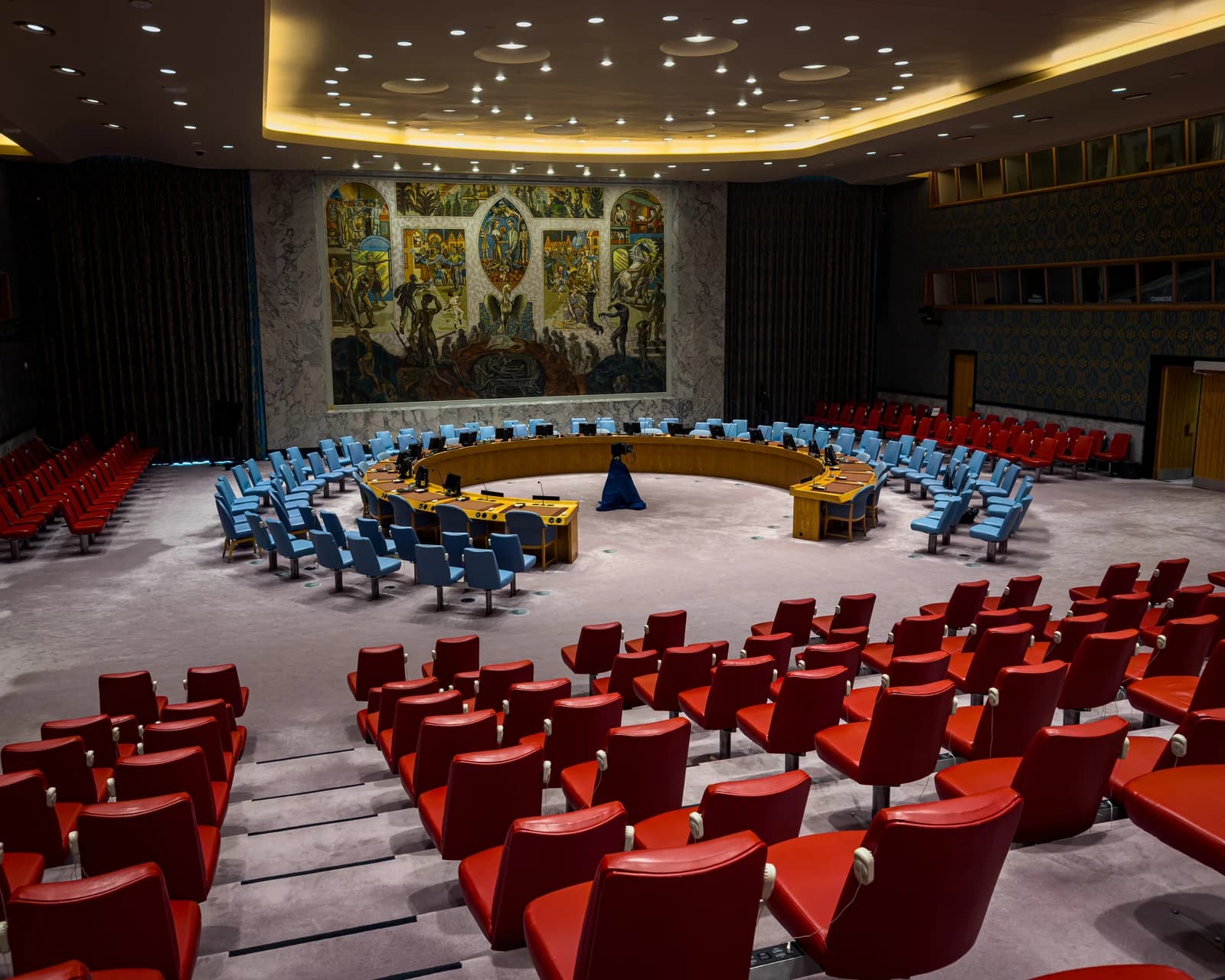
India is using this year’s United Nations General Assembly to press for changes to global institutions and to keep cross-border terrorism at the center of its diplomatic agenda, sharpening a message that matters well beyond New York because it ties security, development and the balance of power in the multilateral system.
India Pushes UN Reform and Counterterrorism at UNGA
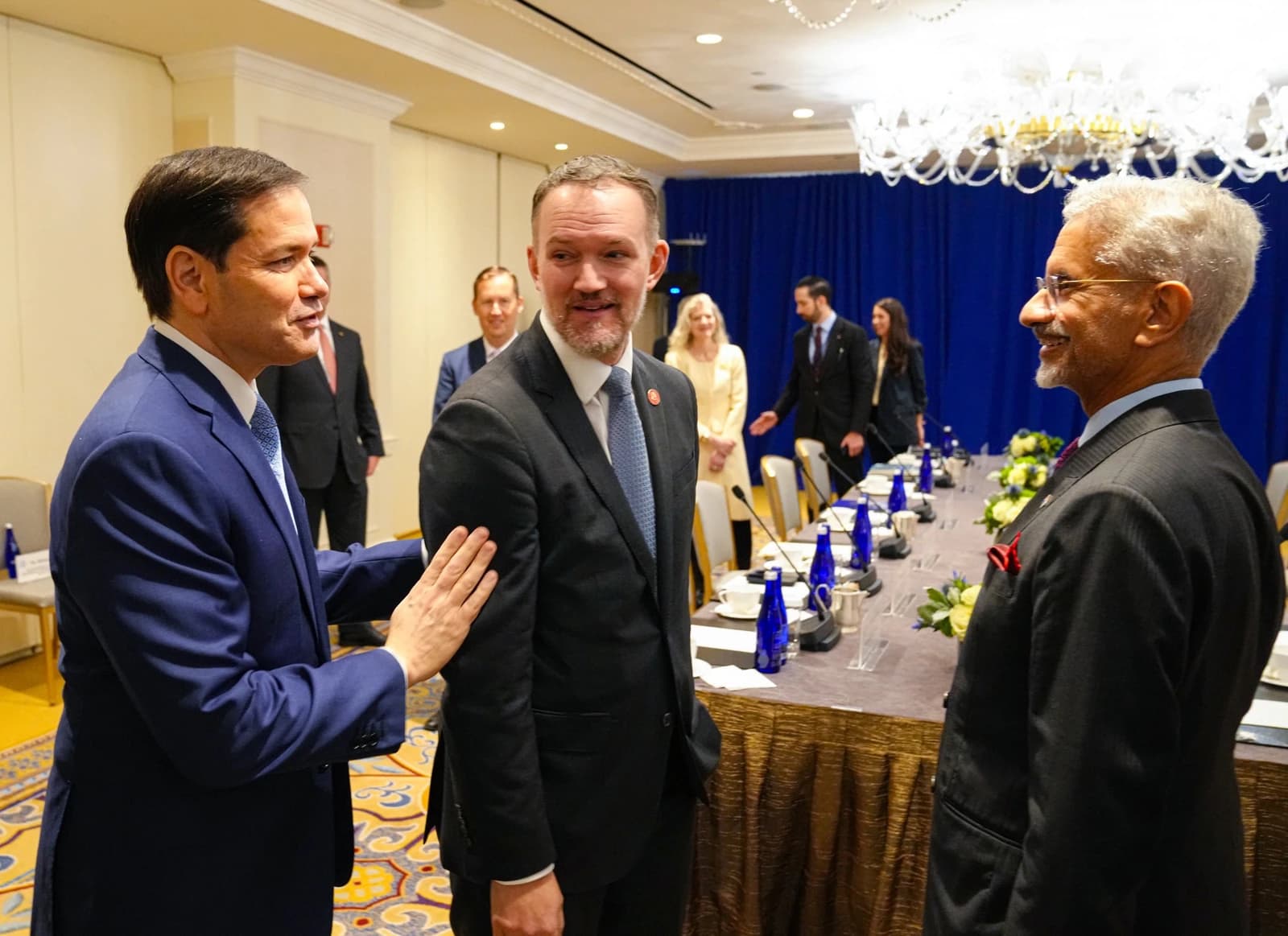
With wars, humanitarian crises and economic strain dominating the world backdrop, New Delhi is positioning itself as a spokesman for the Global South and a critic of institutions it says no longer reflect current geopolitical and economic realities. That argument has direct economic relevance: the shape of global rule-making affects everything from peacekeeping to climate finance, technology governance and development funding, all of which influence capital flows and risk premia for emerging markets.
Sentiment IndicatorsⓘProprietary · adalytica.com · September 27, 2026
This is a snapshot — live sentiment, awareness and momentum for 130+ markets update continuously in the dashboard.Open AlphaPulse
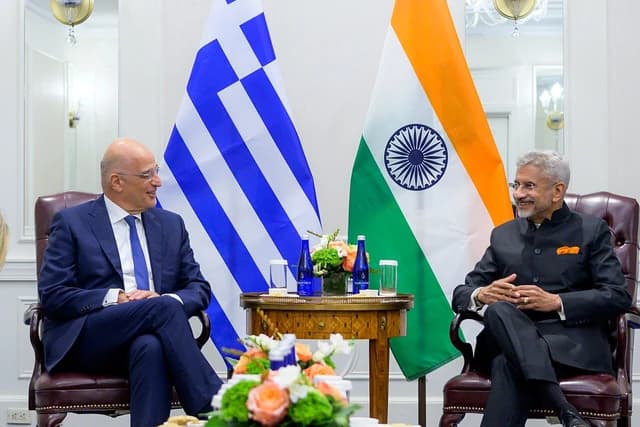
India’s formal intervention is expected to renew its call for reform of the UN and other international bodies, including greater representation for developing countries in institutions that make decisions on peace, finance, development and technology. The message dovetails with broader efforts by India to present itself as a larger stakeholder in global governance at a time when investors are reassessing the durability of the postwar order.
The security dimension remains equally important. In a Security Council meeting on Afghanistan ahead of the General Debate, India warned that al-Qaeda’s “terrorist ecosystem” has extended beyond Afghanistan’s borders, and argued that the same permissive environment that sheltered the 9/11 architects continued to give space to affiliated groups. India said more than 20 terrorist groups remain active in Afghanistan, underscoring why terrorism remains central to its UN diplomacy and why New Delhi keeps linking regional security to global counterterrorism coordination.
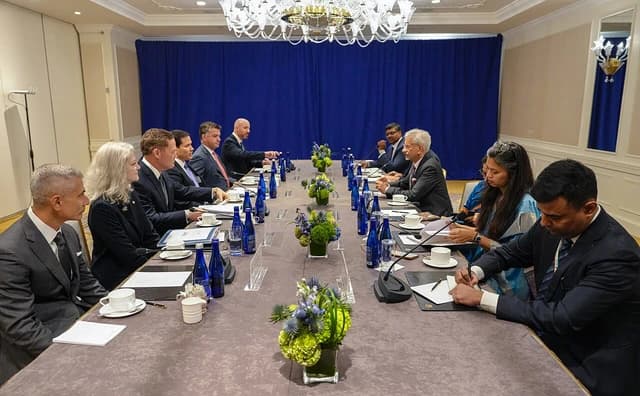
Those comments also signal that India will continue to use the UN stage to isolate Pakistan on terrorism, a theme External Affairs Minister S. Jaishankar has already pushed forcefully in New York. That stance carries little immediate market impact on its own, but it reinforces the geopolitical risk premium around South Asia and shapes how investors assess the stability of trade, energy routes and cross-border supply chains.
India also used a separate Security Council debate on peacekeeping to argue that countries that provide troops and police should have a stronger voice before mandates are set or reviewed. That is a practical institutional demand, not just rhetoric: peacekeeping remains one of the UN’s largest operational tools, and contributors want more say over missions that can affect conflict dynamics, aid access and local political settlements.
For investors, the broader significance is that India is trying to convert diplomatic weight into institutional influence at a moment when emerging markets are seeking more say in a fractured global system. If that push gains traction, it could strengthen India’s standing in negotiations over climate, pandemic preparedness, sustainable development and maritime issues — all themes on this year’s UNGA agenda that have consequences for funding, policy coordination and sovereign risk.
The bull case is that India’s activism enhances its profile as a stable, reform-minded power and deepens its leadership of the Global South. The bear case is that the UN remains resistant to real change, leaving India with rhetorical gains but limited policy leverage. For markets, the key question is whether this diplomatic campaign helps improve predictability in a world already marked by geopolitical fragmentation — or simply highlights how little the multilateral order can still deliver.
| Entity | Gains | Losses |
|---|---|---|
| India | ▲Global diplomatic stature | ▼Limited UN reform progress |
| Pakistan | ▲— | ▼Renewed terrorism pressure |
| Global South nations | ▲Greater representation push | ▼Continued underrepresentation |
| UN system | ▲Reform debate momentum | ▼Credibility gap widens |