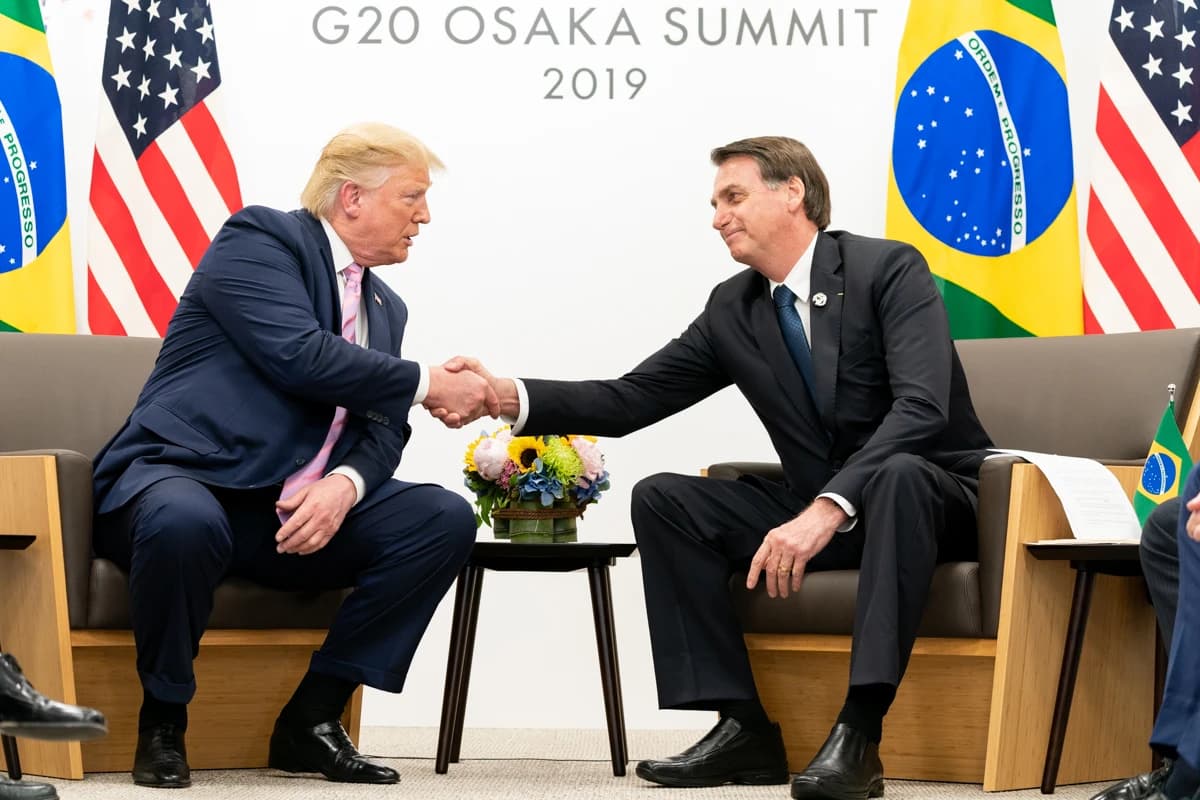
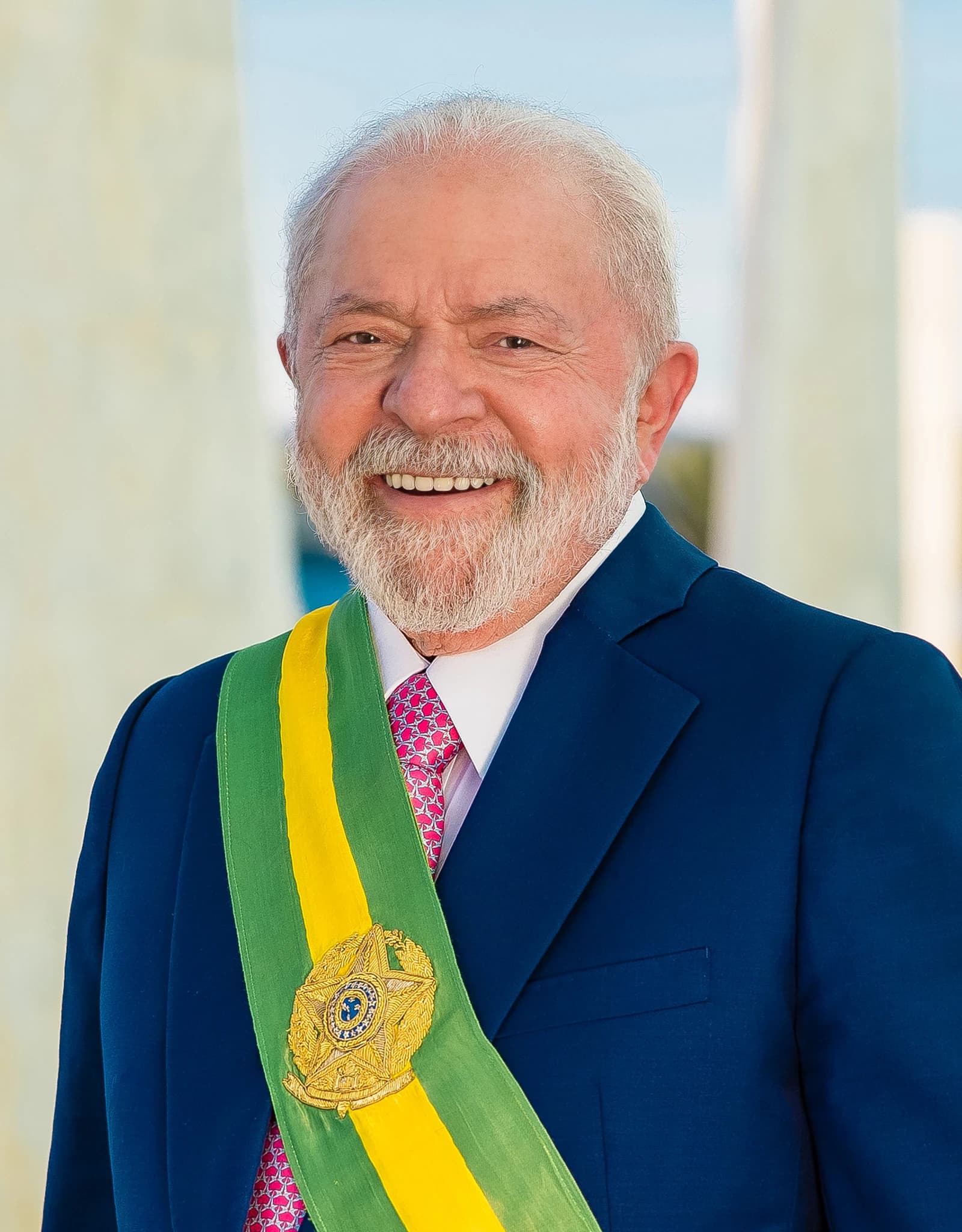
Lula used his UN platform to warn that foreign meddling in Brazil’s electoral process is back on the table, turning a speech on multilateralism into a direct message to Washington and a signal that Brazil’s campaign will be fought as much over sovereignty as over domestic policy.
Lula UN Speech Targets U.S. Brazil Sovereignty
The political significance is immediate. By telling the General Assembly that “Brazil does not fit in anyone’s backyard,” the president is casting the election as a test of national autonomy at a moment when relations with the U.S. are strained by tariffs, security disputes and Donald Trump’s return to the White House. For markets, that matters because foreign policy friction can quickly spill into trade, energy cooperation and risk appetite toward Brazilian assets.
Sentiment IndicatorsⓘProprietary · adalytica.com · September 26, 2026
This is a snapshot — live sentiment, awareness and momentum for 130+ markets update continuously in the dashboard.Open AlphaPulse
Lula’s remarks also sharpen the backdrop for a vote already shaped by concerns over electoral integrity and polarization. He said “we have once again witnessed external interference in electoral processes,” framing the issue as a broader democratic challenge rather than a bilateral dispute. That language is aimed at consolidating his political base, but it also raises the temperature around the campaign by inviting a sovereignty narrative that opposition forces will struggle to ignore.
The U.S. dimension is especially sensitive. Lula has repeatedly criticized Washington’s approach, including its decision to classify the PCC and CV criminal factions as terrorist groups, which Brasília sees as an overreach. He also pushed back against the U.S. presence in Latin America, saying Brazil does not need “aircraft carriers patrolling our waters” and instead wants cooperation against arms and money flows feeding organized crime. The message is that Brazil wants security partnerships on its own terms, not as an extension of U.S. power.
For investors, the speech lands against a mixed but still constructive backdrop for Brazilian assets. The iShares MSCI Brazil ETF, EWZ, has been volatile but remains above its 50-day and 200-day moving averages, with the latest close at $36.82, while Petrobras remains near recent highs at $20.37. That suggests markets are still willing to price in Brazil’s growth and commodity exposure, but political noise could add a risk premium if the campaign becomes more openly confrontational with the U.S. or if rhetoric spills into trade and regulation.
Technical readings point to a market that has eased from overbought levels rather than broken down. EWZ’s relative strength index has cooled to 40.8 from 88.2 earlier this month, while Petrobras’ RSI sits near neutral at 52.7 after a strong rally. That leaves room for either a stabilization if the political messaging stays rhetorical, or a deeper pullback if investors decide the election campaign is becoming a source of policy uncertainty.
The broader narrative is that Lula is trying to fuse foreign policy, sovereignty and domestic politics into one campaign message: Brazil is not subordinate to any outside power, and the election should be decided at home. That may play well politically, but it also matters economically because sustained tension with the U.S. could complicate trade, capital flows and cross-border cooperation just as investors are looking for stability ahead of the vote.
| Entity | Gains | Losses |
|---|---|---|
| Lula / PT | ▲nationalist backing | ▼moderates seeking calm |
| Brazilian voters | ▲sovereignty debate | ▼policy clarity |
| EWZ investors | ▲if tensions fade | ▼if trade noise rises |
| U.S. policymakers | ▲leverage on security issues | ▼influence in Brasília |