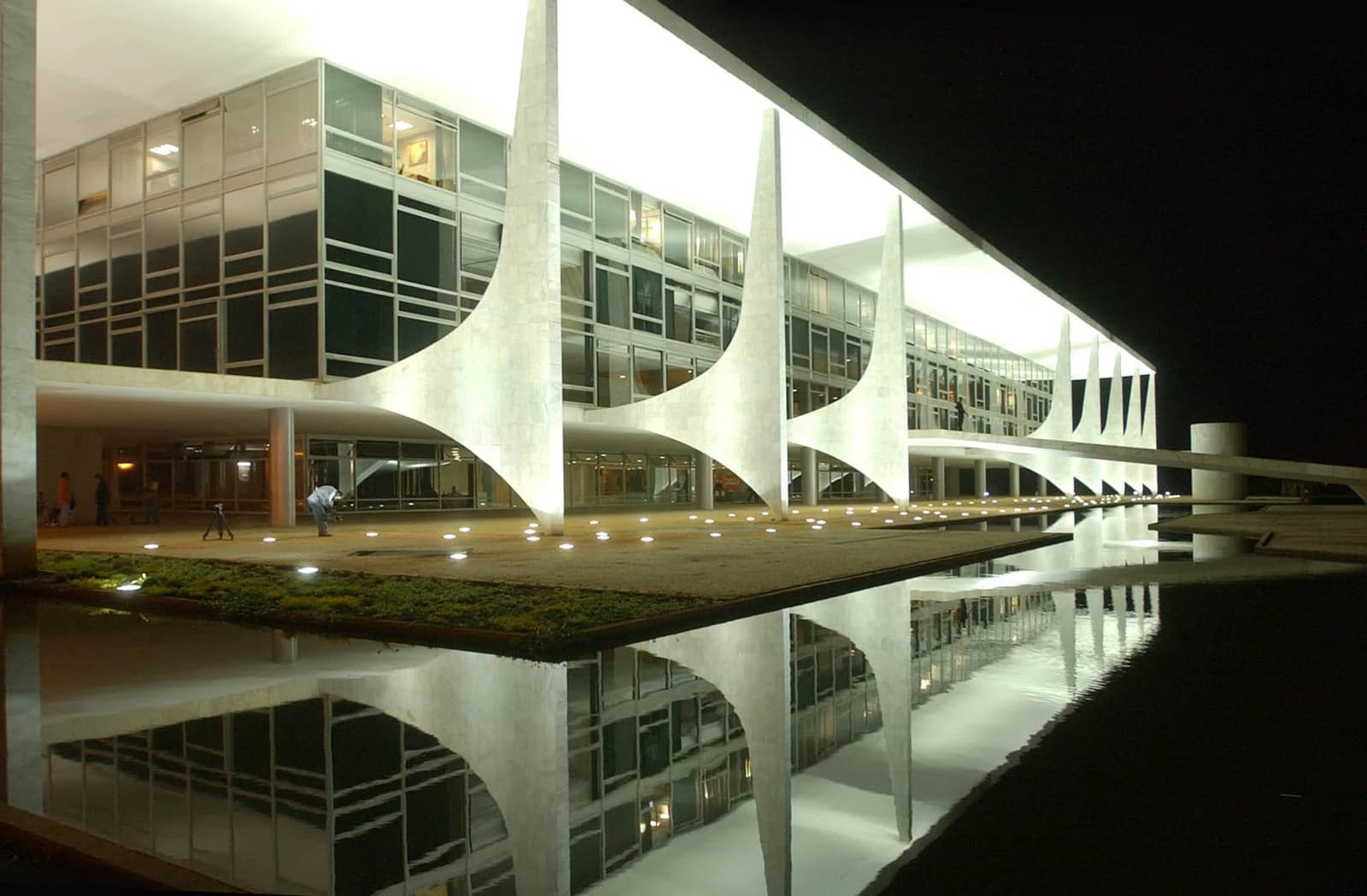
The Trump administration is escalating pressure on Brazil over organized crime, accusing Brasília of failing to confront the PCC and Comando Vermelho and urging “aggressive measures” after designating both groups foreign terrorist organizations in May.
Brazil Faces U.S. Pressure Over PCC, Comando Vermelho
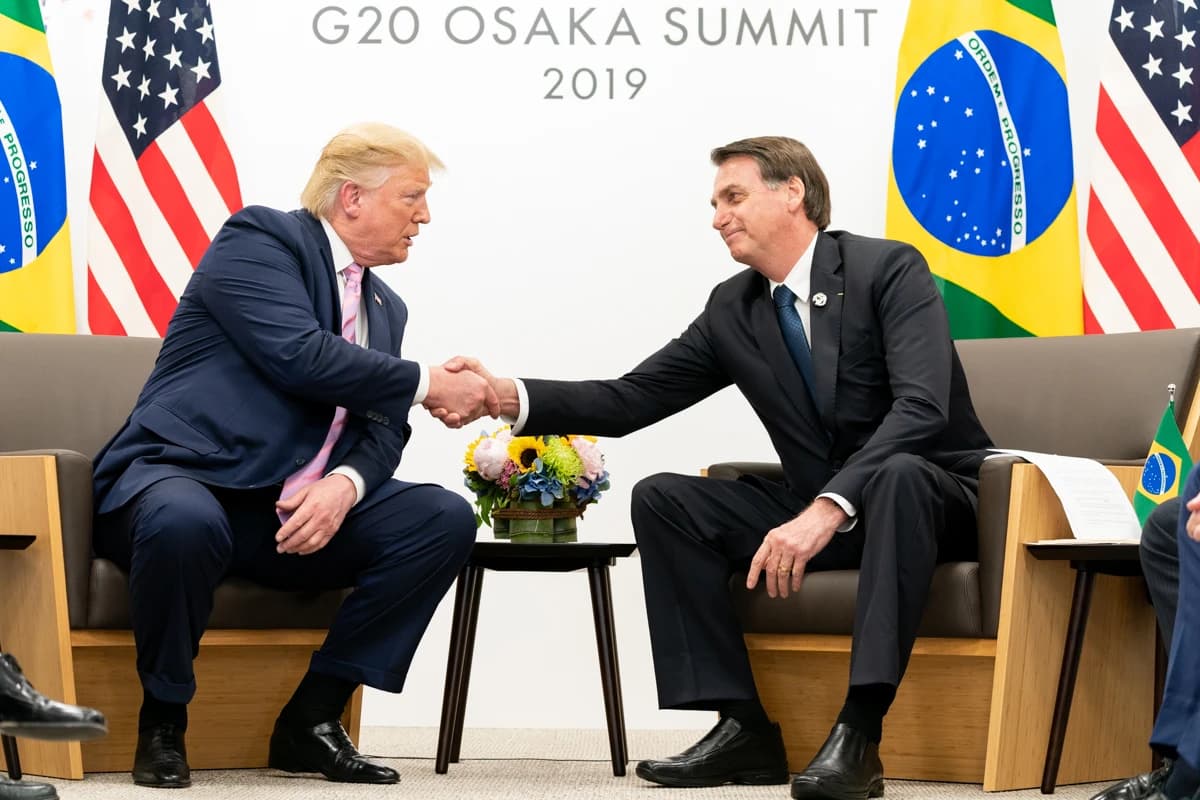
The warning matters because it broadens the fight against Brazil’s drug gangs from a domestic security issue into a geopolitical and law-enforcement flashpoint between the two largest economies in the Americas. Washington is now framing the PCC and CV as a growing threat to international peace and security, a step that can expand U.S. options against their finances, logistics and members.
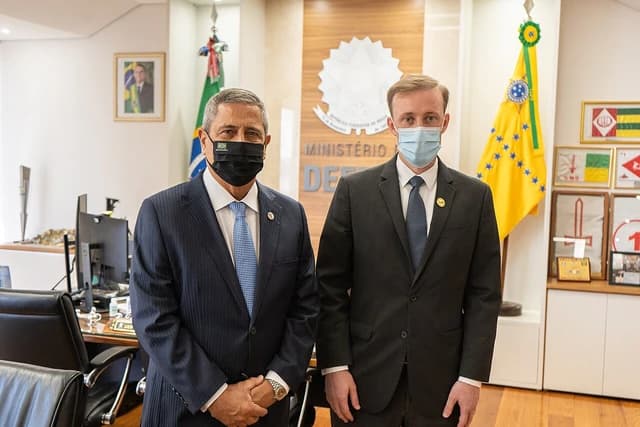
In a document sent to Congress, the administration said the two factions have turned Brazil into a hub in the global cocaine trade. It argued that, unlike several other Latin American governments it praised, Brazil has not done enough to disrupt the groups’ reach.
The contrast is notable: Trump’s team singled out Bolivia, Colombia, Venezuela, Peru, Argentina, Ecuador and El Salvador as examples of allies taking tougher action against narcotics networks, while Brazil was left on the defensive. That raises the political stakes for Lula’s government, which has emphasized sovereignty and resisted U.S. pressure in other areas.
For investors, the issue is less about an immediate market move than about policy risk. A sharper U.S.-Brazil security dispute could spill into trade, diplomacy and enforcement cooperation, with potential knock-on effects for Brazilian assets, including the iShares MSCI Brazil ETF, and for state-linked names such as Petrobras as global risk appetite turns more cautious.
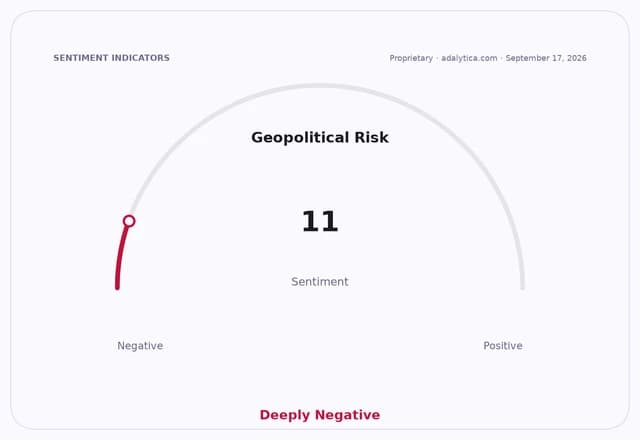
Brazil’s market backdrop is already fragile. The Adalytica Global Stability Sentiment gauge is at 11, or “Extreme Fear,” underscoring how quickly geopolitical shocks can feed volatility across emerging markets even when the catalyst is not directly economic.
Brazil is not among the 23 nations formally identified by Washington as major illicit-drug transit or production countries, but the new language suggests the White House is prepared to treat the PCC and CV as an international security issue regardless. The next test is whether Brasília responds with a tougher operational crackdown or whether the dispute widens into another point of friction in U.S.-Brazil relations.
| Entity | Gains | Losses |
|---|---|---|
| U.S. administration | ▲Leverage over Brazil | ▼Diplomatic friction risk |
| Brazil government | ▲Sovereignty narrative | ▼U.S. criticism on security |
| PCC and Comando Vermelho | ▲None | ▼U.S. terror-designation pressure |
| Brazil assets / EWZ | ▲None | ▼Geopolitical risk premium |