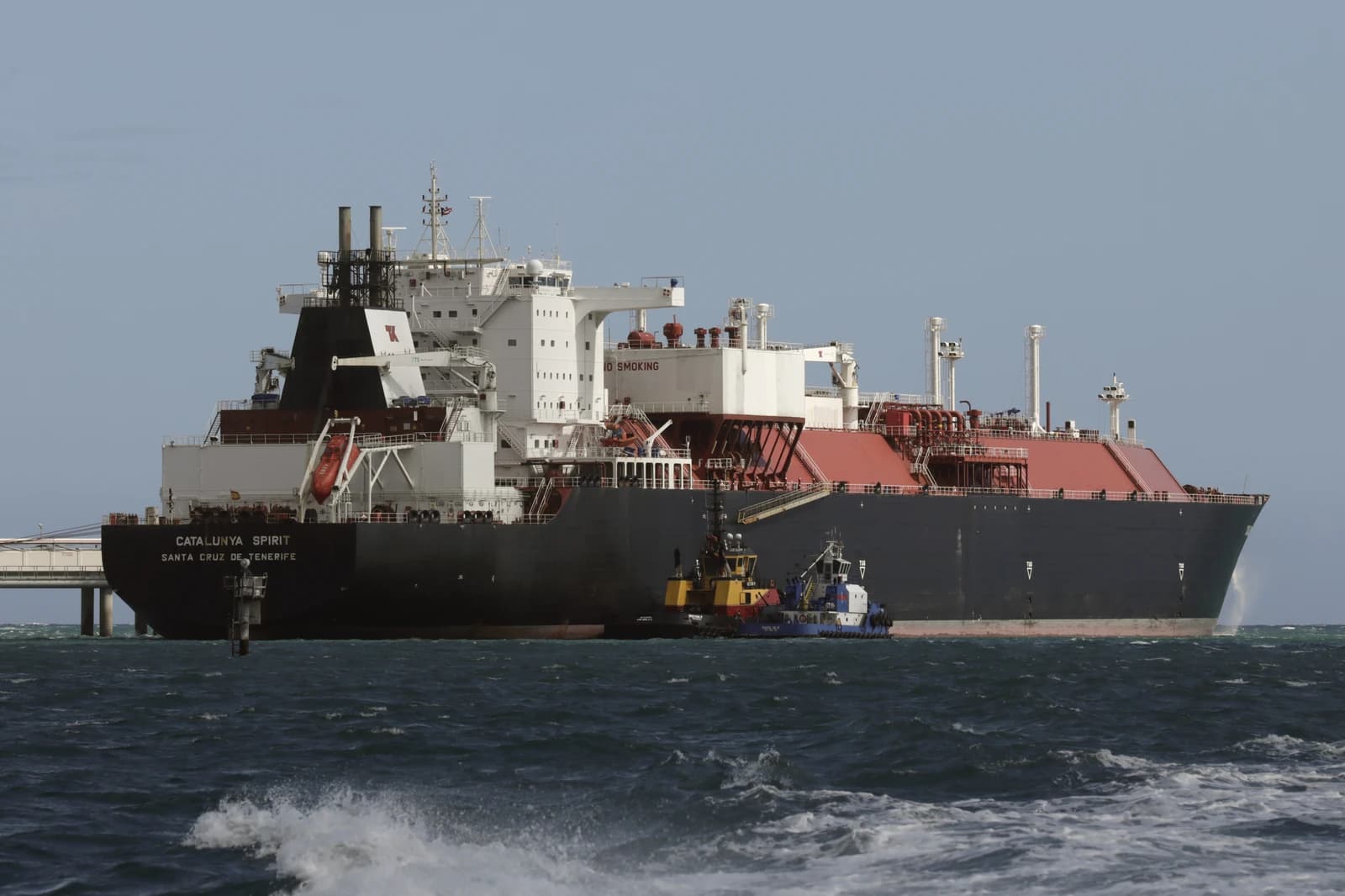
Pakistan has received its first liquefied natural gas cargo for October, a crucial stopgap that underscores how dependent the country remains on imported fuel to keep homes and industry supplied as winter demand rises.
Pakistan receives first October LNG cargo
The shipment matters because Pakistan is entering the colder months with persistent gas shortages and a fragile energy balance. LNG is the fastest way for the government to plug the gap, and the approval of nine cargoes signals officials are prioritizing supply security over tighter spending discipline in the short term. That is economically important in a country where energy constraints can quickly feed into industrial output, inflation and power reliability.
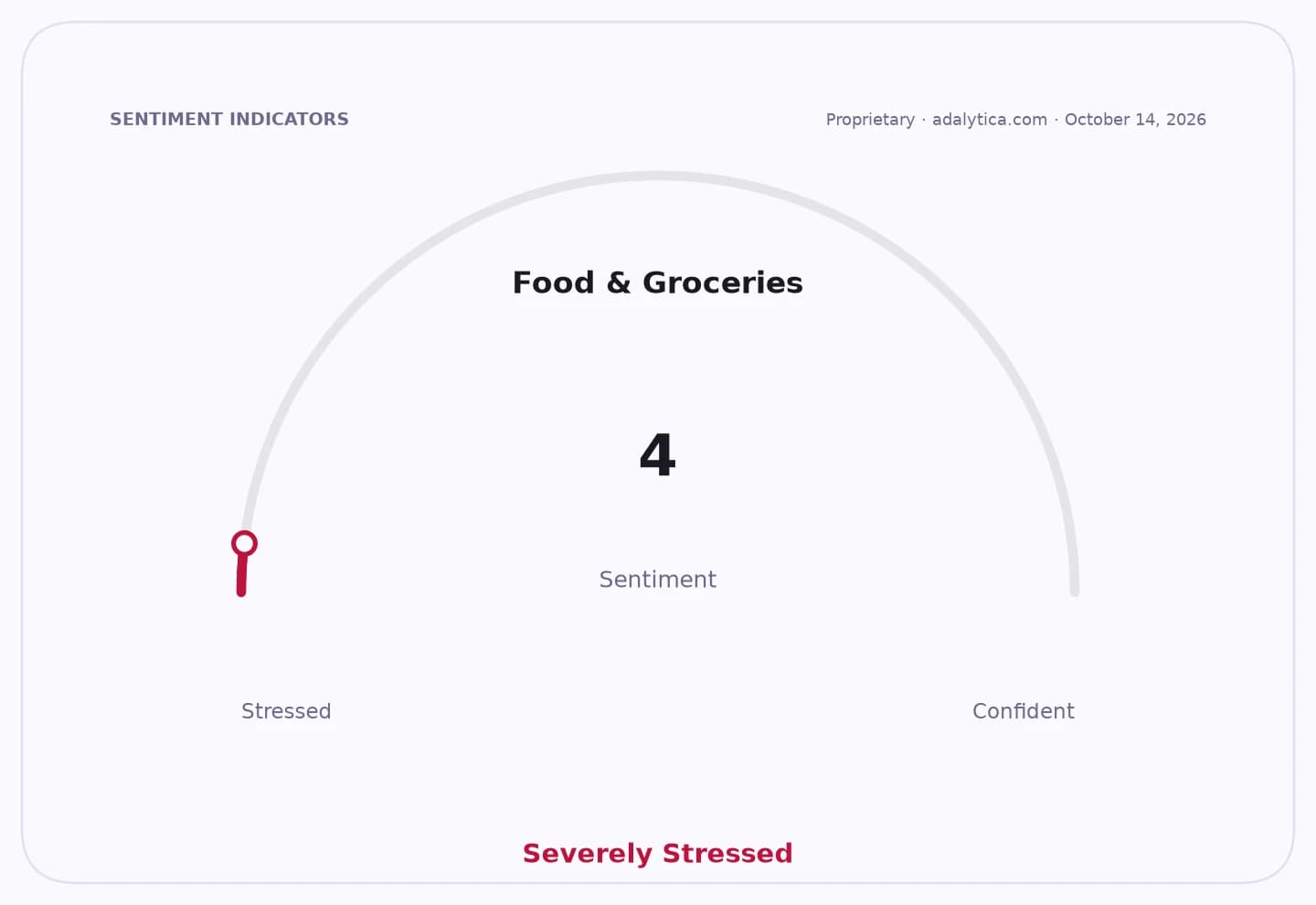
Sentiment IndicatorsⓘProprietary · adalytica.com · October 15, 2026
This is a snapshot — live sentiment, awareness and momentum for 130+ markets update continuously in the dashboard.Open AlphaPulse
For investors, the message is that Pakistan’s gas market is still being managed cargo by cargo, leaving the country exposed to global LNG prices, shipping costs and dollar funding needs. Any sustained increase in imported gas volumes improves the outlook for utilities and power generation, but it also raises pressure on the current account and on state finances if domestic tariffs do not fully recover the cost. In other words, every cargo reduces immediate shortage risk while deepening the country’s dependence on external energy markets.
The decision to drop plans for the Kutubjom terminal also shows how limited Pakistan’s room is for a longer-term infrastructure fix. Without new import capacity, the system remains vulnerable to seasonal spikes in demand and any disruption in supply. That keeps the country tied to spot and short-term contracting at a time when LNG markets can tighten quickly.
The wider backdrop still favors LNG as a strategic fuel. Global trade remains active, with new supply deals being signed and producers pushing to expand portfolios, but that does not remove the structural risk for importers like Pakistan. If winter demand picks up and spot prices firm, the costs of maintaining supply will rise fast.
For now, the first October cargo buys time. The real question is whether Pakistan can secure enough LNG through winter without forcing a bigger hit to foreign exchange reserves and fiscal accounts. The next few cargoes will tell investors whether the country is stabilizing its energy system or simply postponing a broader squeeze.
| Entity | Gains | Losses |
|---|---|---|
| Pakistan government | ▲Short-term supply relief | ▼Higher import bill |
| LNG suppliers | ▲Steadier cargo demand | ▼— |
| Domestic industry | ▲Lower outage risk | ▼Still exposed to shortages |
| Taxpayers/current account | ▲— | ▼More FX and fiscal pressure |