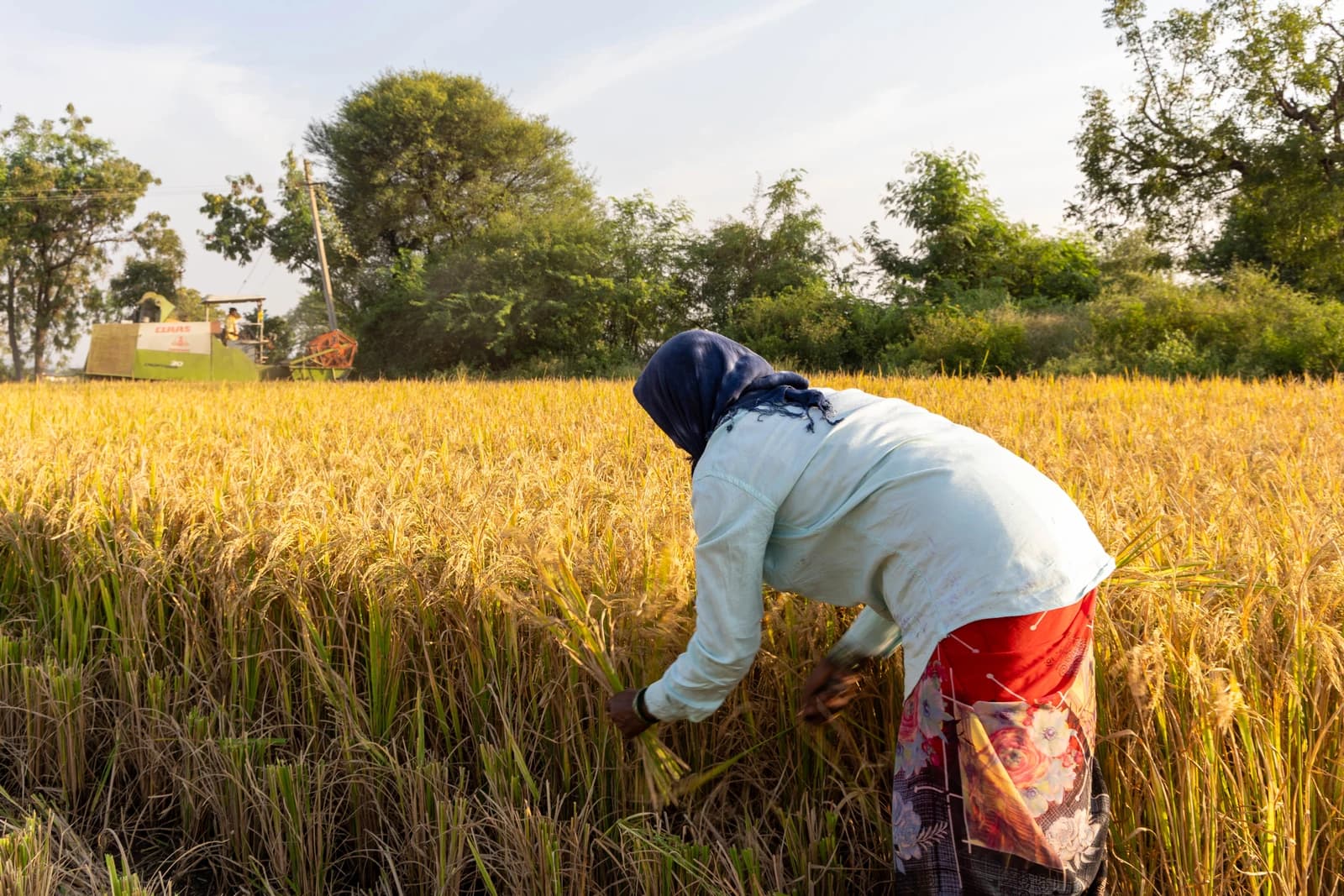
Pakistan’s decision to push ahead with wheat imports for the 2026-27 food year matters because it is really about one thing investors and consumers care about most: price stability. Deputy Prime Minister Ishaq Dar said enough supplies had been arranged to meet provincial demand, with the first shipment due in Karachi before the end of the month, a sign the government is trying to get ahead of domestic shortages and inflationary pressure before they spread.
Pakistan plans wheat imports for 2026-27 food year
For Pakistan, wheat is not just another commodity. It is the backbone of the food basket, and any disruption in supply quickly shows up in household budgets, provincial procurement plans and politics. Dar’s message that imported wheat stocks, together with PASSCO inventories already allocated to the provinces, should be used to keep prices stable suggests authorities are focused less on trade optics and more on preventing a repeat of food-cost spikes that can squeeze lower-income consumers and strain fiscal management.
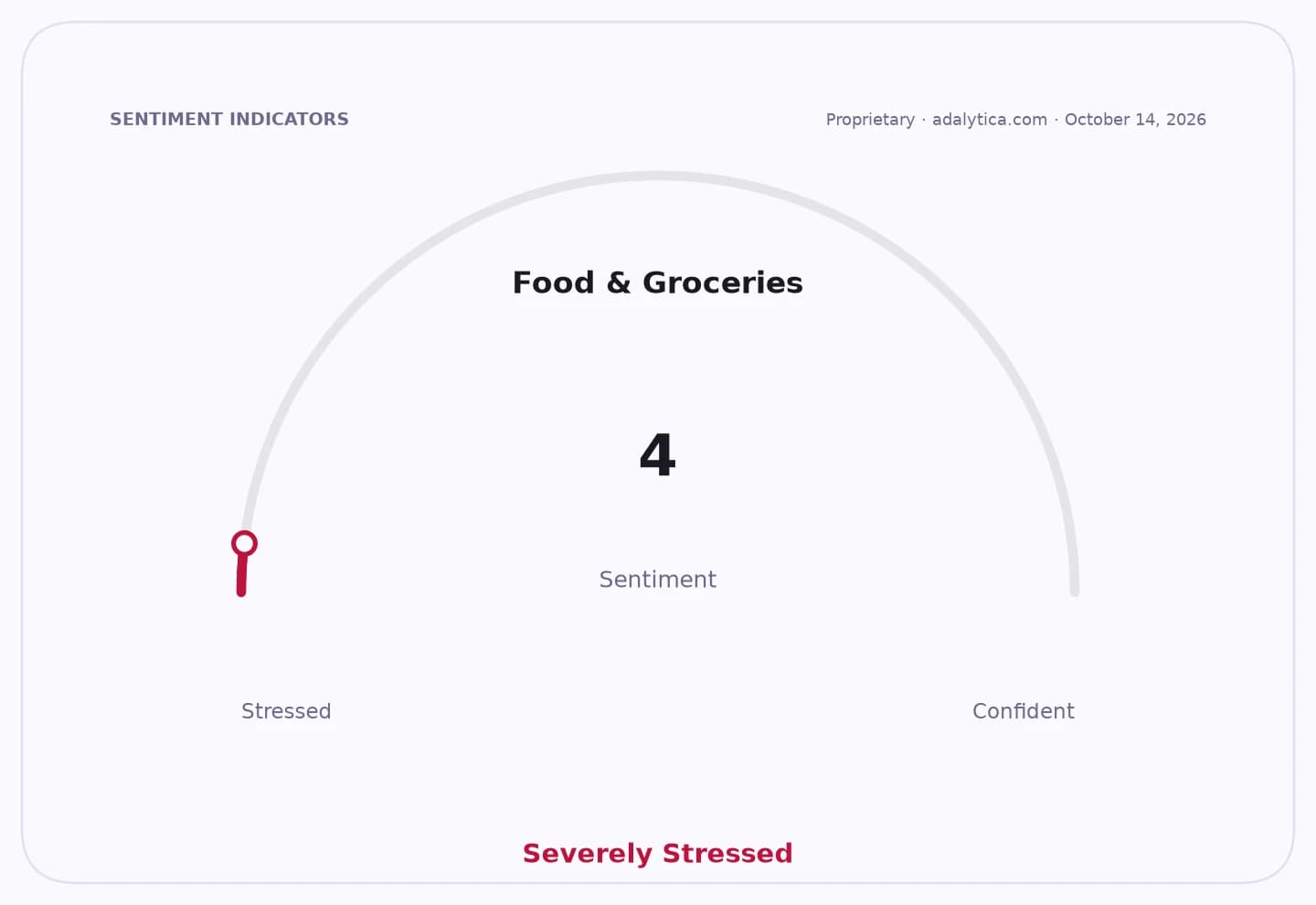
Sentiment IndicatorsⓘProprietary · adalytica.com · October 14, 2026
This is a snapshot — live sentiment, awareness and momentum for 130+ markets update continuously in the dashboard.Open AlphaPulse
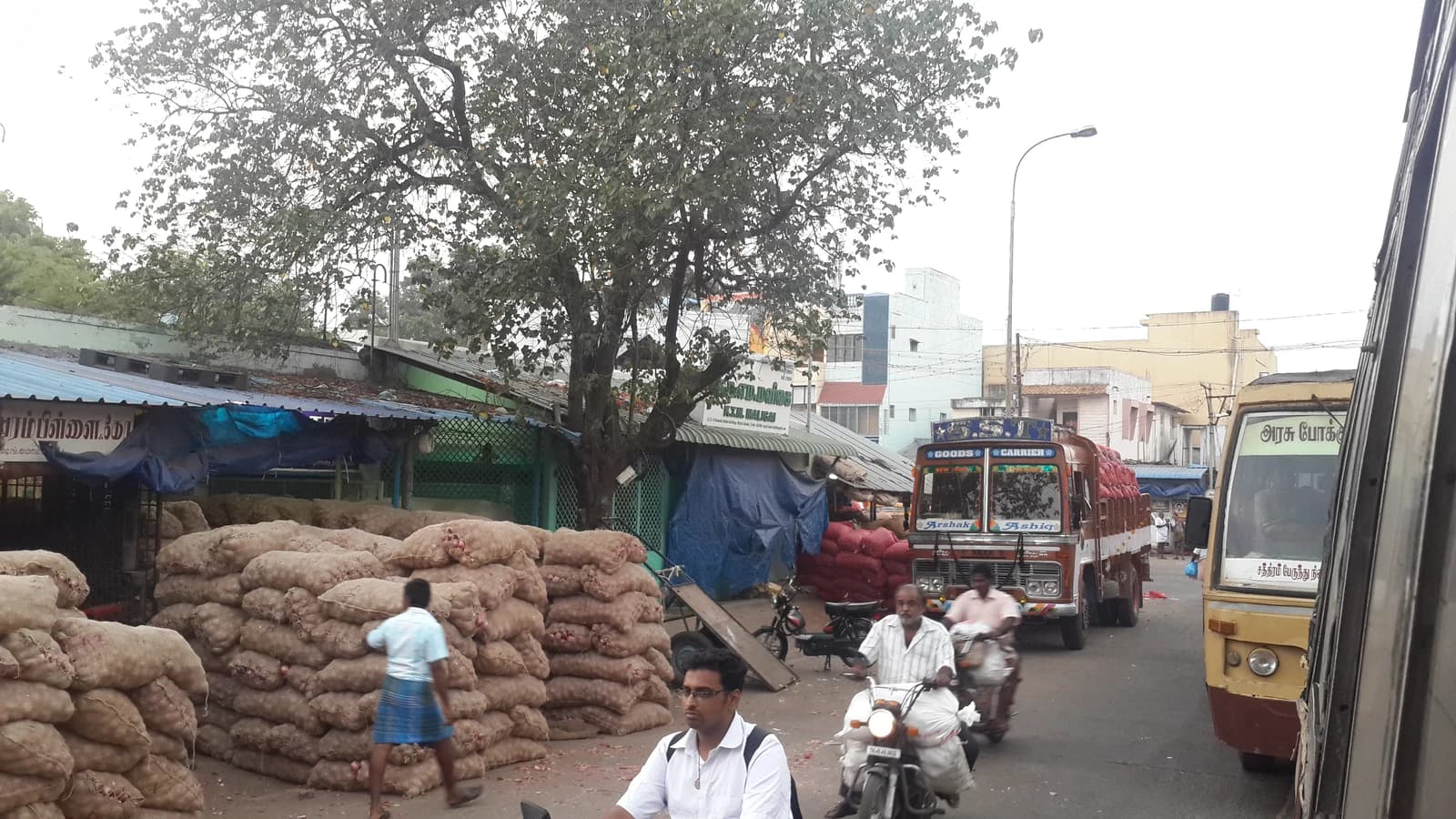
The timing also matters. Global wheat markets remain sensitive to weather shocks, harvest shortfalls and trade disruptions, and buyers around the world have been leaning more heavily on imports. That keeps the cost of securing supply from turning into a purely administrative exercise. When a government has to source grain externally, it becomes exposed to freight costs, currency moves and international price swings — all of which can feed into inflation if procurement is delayed or poorly coordinated.
For investors, the significance is broader than Pakistan’s grain balance sheet. Stable wheat supplies can help cool food inflation, which in turn supports consumer spending and gives policymakers a little more room to manage the economy without resorting to emergency interventions. It also signals that the state is still actively involved in essential commodity management, which matters for any business tied to food distribution, storage, milling and logistics.
The latest wheat move also fits a wider pattern in global agriculture: countries are increasingly forced to treat staple grains as strategic assets, not just tradable goods. That supports the long-term case for diversified exposure to agricultural supply chains, from grain merchants and shippers to fertilizer and farm-input companies, even if near-term pricing can remain volatile.
For long-term investors, the takeaway is straightforward: food security is becoming a recurring macro theme, not a one-off headline. Pakistan’s import push may calm local prices in the months ahead, but it also underscores how weather, production costs and trade flows can reshape demand for agricultural commodities. Worth watching for anyone who invests with a multi-year horizon.
| Entity | Gains | Losses |
|---|---|---|
| Pakistani consumers | ▲Better wheat availability | ▼Less protection from price spikes if imports slip |
| Provincial governments | ▲More predictable supply | ▼Greater reliance on central coordination |
| Wheat exporters | ▲New buying demand | ▼Lower leverage if Pakistan secures supply early |
| Domestic grain hoarders | ▲Tighter official stock control | ▼Weaker chance to profit from shortages |