Pakistan’s weekly inflation gauge stayed elevated at almost 12% year on year in the week ended Oct. 8, underscoring how food and fuel costs are still filtering through to consumers even as broader price pressures ease from earlier peaks.
Pakistan weekly inflation stays near 12% in October
The Sensitive Price Indicator rose 0.57% from the previous week and 11.97% from a year earlier, according to Pakistan Bureau of Statistics data. That leaves the short-term price barometer well above the pace of the country’s broader consumer inflation trend and points to persistent stress on lower- and middle-income households, where spending on staples and transport absorbs a larger share of income.
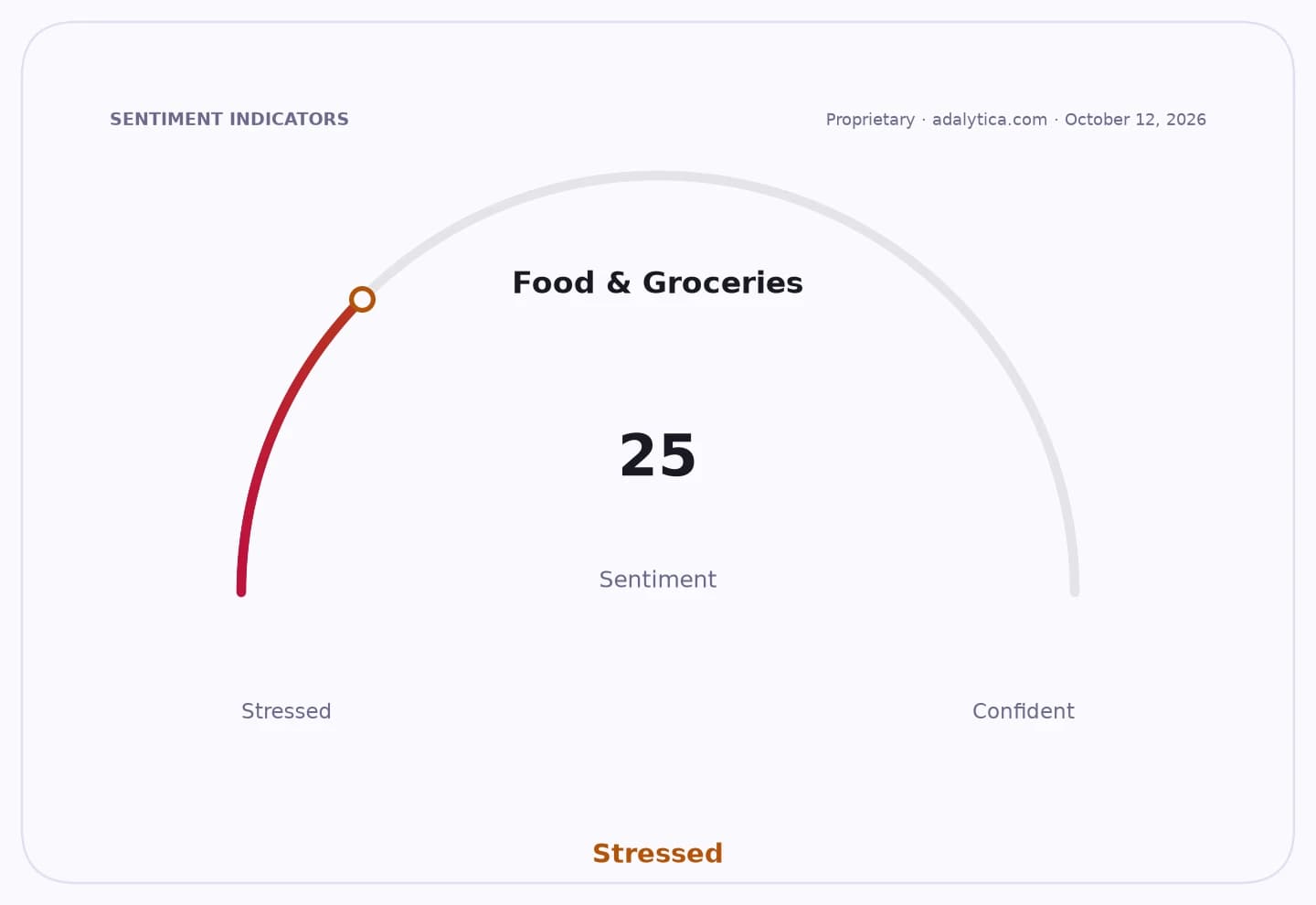
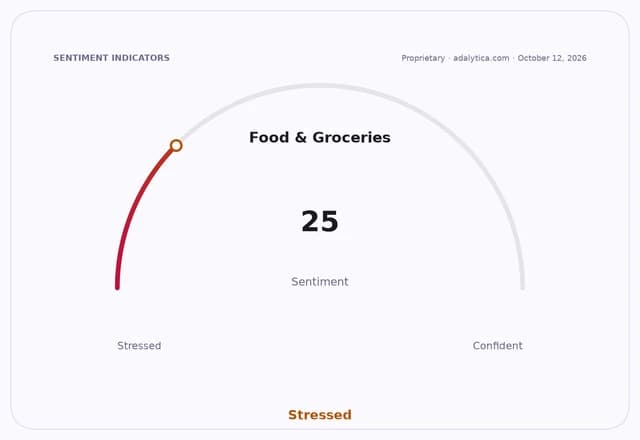
Sentiment IndicatorsⓘProprietary · adalytica.com · October 12, 2026
This is a snapshot — live sentiment, awareness and momentum for 130+ markets update continuously in the dashboard.Open AlphaPulse
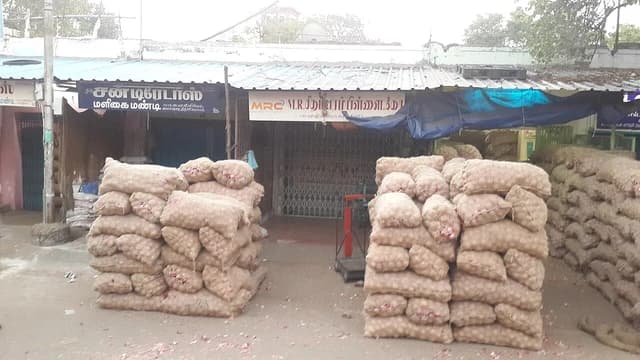
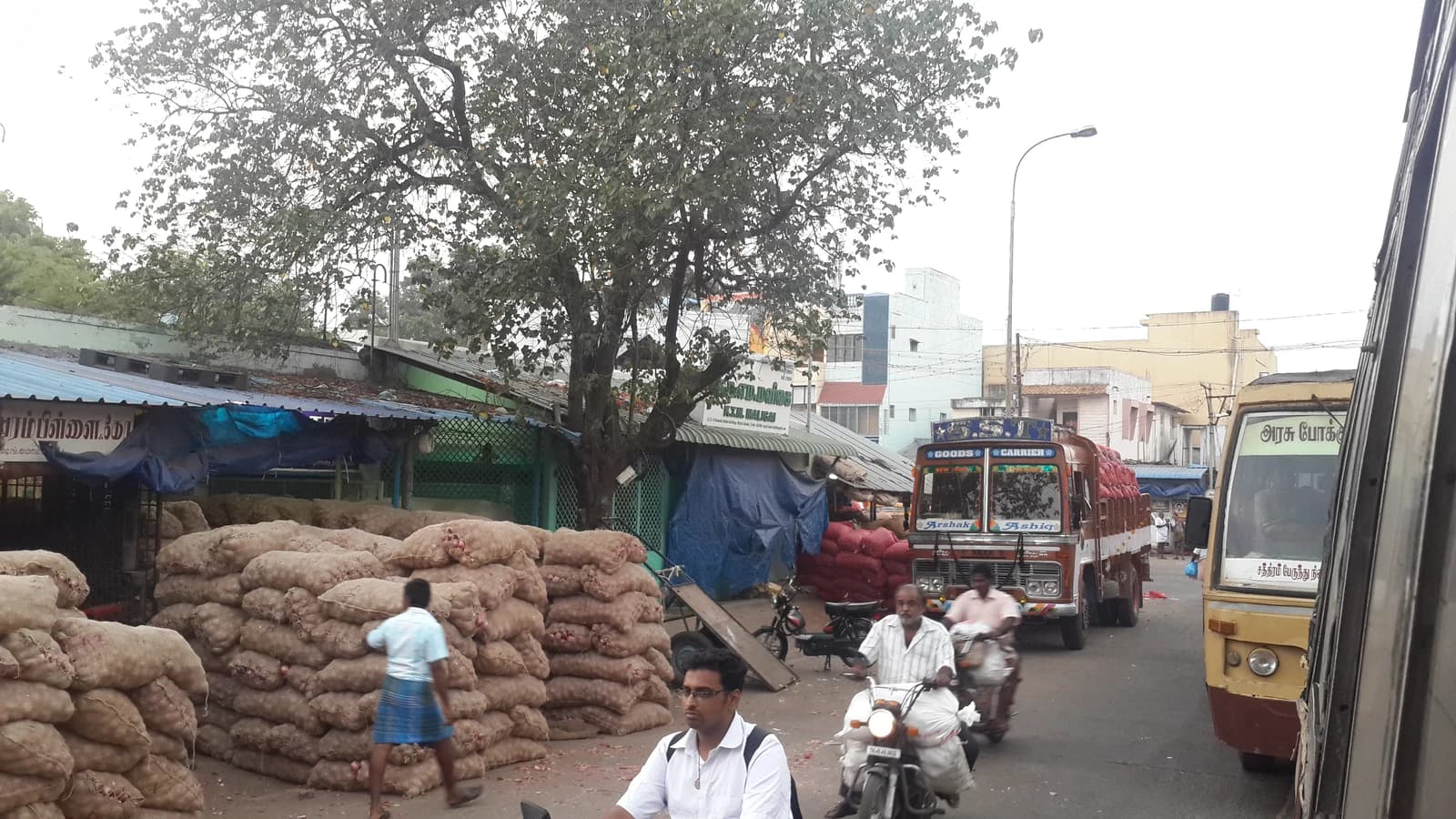
The latest increase was led by wheat flour, chicken and petrol. A 20-kilogram bag of flour climbed 5.69% in the week to Rs2,851, while chicken rose 4.93% to Rs383 a kilogram and petrol averaged Rs398.87 a litre after rising 2.4%. Tomatoes also gained 2.4%, while gram pulse, prepared tea and several lentils posted smaller increases.
The bigger issue is the year-on-year picture. Onion prices more than doubled from a year earlier, jumping 100.24% to Rs190 a kilogram, while LPG rose 68.55%, electricity charges for Q1 increased 58.59%, petrol gained 47.52% and diesel 42.52%. Wheat flour was up 32.6%. Those moves matter because they feed directly into household budgets and can keep inflation expectations elevated even when monthly momentum cools.
The SPI reading also reinforces the message from the more comprehensive consumer price index, which rose 11.1% year on year in August after 9.2% in July. Rural inflation remains higher than urban inflation, and the burden is uneven: the SPI for the highest-consumption quintile increased 12.48% from a year earlier, compared with 9.41% for the lowest. That gap suggests price pressure is not only broad-based but also hitting more affluent consumers harder in nominal terms, while poorer households remain exposed to the fastest increases in essentials.
For investors, the main relevance is on policy and demand. Sticky food and fuel inflation reduces room for the State Bank of Pakistan to ease aggressively, particularly if the pass-through from transport, utilities and imported energy persists. It also raises the risk of weaker real consumption, especially in discretionary retail and consumer staples segments, while supporting pricing power for upstream food producers and import-linked businesses if they can manage supply costs.
There is some offset in the weekly data: potatoes, sugar and eggs were cheaper than a year ago, and diesel fell 1.37% from the prior week. But the market-moving narrative is still one of stubborn staple inflation, with global energy volatility and domestic supply frictions keeping Pakistan’s most visible price gauge pinned near double digits. Unless food arrivals improve and fuel costs retreat more decisively, the SPI is likely to remain a political as well as an economic pressure point into the next policy cycle.
| Entity | Gains | Losses |
|---|---|---|
| Food suppliers with pricing power | ▲Higher selling prices | ▼Consumer demand sensitivity |
| Low-income households | ▲Some cheaper items | ▼Heavier staple burden |
| Fuel retailers/importers | ▲Higher nominal turnover | ▼Buyers facing transport inflation |
| Pakistani policymakers | ▲Inflation urgency may justify action | ▼Less room for rate cuts |