Rice prices are still climbing despite the new harvest, underscoring that the market is being driven less by fresh supply and more by weather damage, regional shortages and policy intervention.
Rice Prices Rise Despite New Harvest in Asia
For consumers and food makers, that matters because rice remains a staple in much of Asia and a key input in processed food and household budgets. When prices do not soften into harvest season, it signals that inventories are tight enough to keep traders defensive, processors under pressure and governments leaning on emergency sales or price controls. The result is broader food inflation at a time when central banks are already trying to gauge how much commodity volatility will feed through to headline inflation.
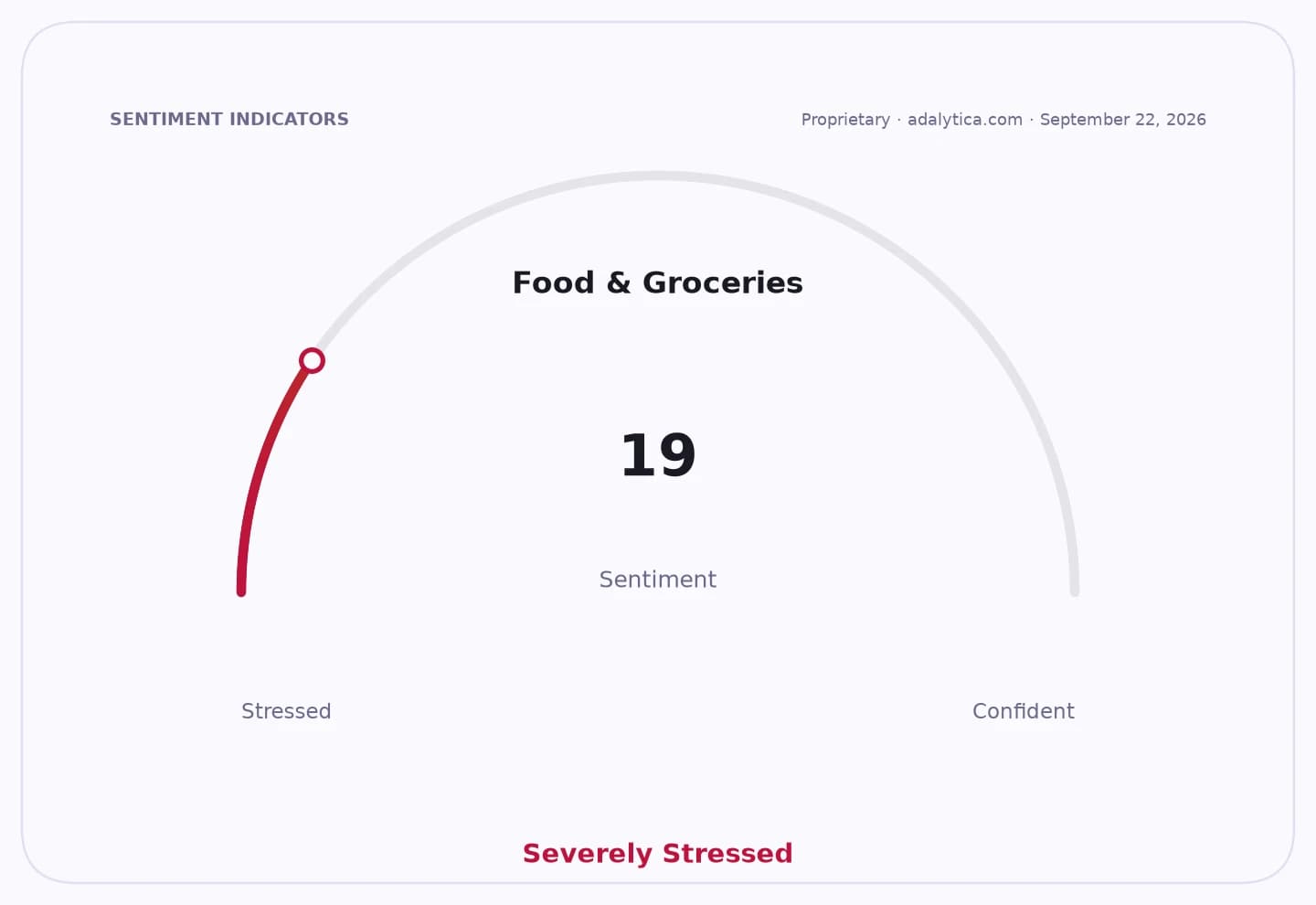
Sentiment IndicatorsⓘProprietary · adalytica.com · October 15, 2026
This is a snapshot — live sentiment, awareness and momentum for 130+ markets update continuously in the dashboard.Open AlphaPulse
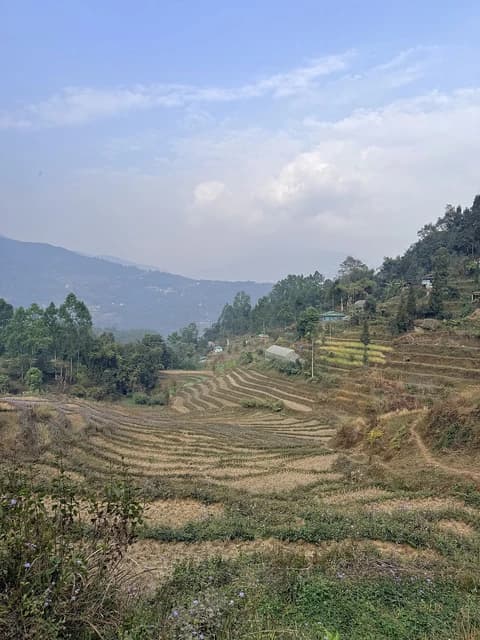
The latest market picture shows only a modest move in Vietnam’s CL555 rice to 8,800-8,850 dong per kilogram on Oct. 15, but the broader message is firmer prices across the region. Tamil Nadu has seen the highest prices, prompting the state government to sell small rice at 50 rupees, a move welcomed by consumers but also a sign that retail stress has become politically sensitive. In Thailand, flooding has added to earlier drought worries tied to El Niño, while reduced domestic raw rice exports and cautious Asian export markets have failed to relieve the squeeze.
That combination helps explain why the market has not calmed after the harvest. The issue is not simply crop timing; it is that supply conditions remain uneven, milling and raw-rice pricing are still disputed, and traders are being accused of hoarding and price manipulation. When supply is fragmented in this way, the usual seasonal drop in prices can be delayed or even reversed, especially if exporters hesitate and domestic buyers chase limited available grain.
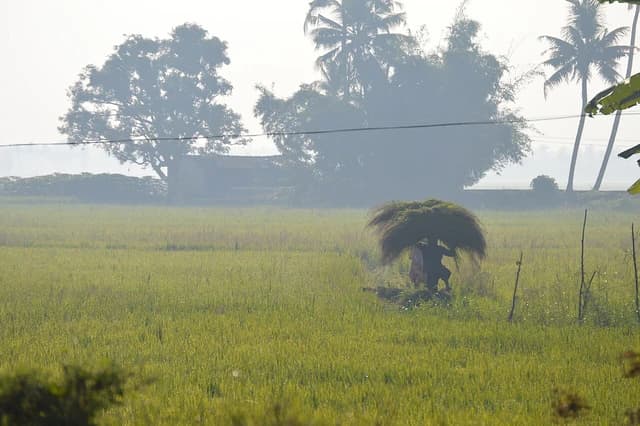
Investors should care because food inflation has a habit of spreading. Higher rice prices can lift the cost base for packaged-food companies, restaurants and consumer staples producers, while also strengthening the case for government intervention. That creates a more difficult operating backdrop for companies exposed to grains and ingredient costs, even as some traders and agribusiness firms can benefit from wider margins if they hold inventory or capture pricing power. U.S. food groups including Campbell Soup and General Mills have already flagged volatile commodity and supply-chain costs in recent filings, reflecting how localized crop shocks can ripple through global consumer markets.
The risk for the months ahead is that weather and policy keep overpowering the usual harvest relief. If Thailand’s weather disruption persists, if exporters remain cautious and if authorities continue to intervene in domestic markets, rice could stay elevated well into the next quarter. For markets, that means the story is not just about one staple grain; it is about a persistent food-inflation pulse that can outlast the harvest and keep pressure on households, processors and policymakers alike.
| Entity | Gains | Losses |
|---|---|---|
| Rice farmers/traders | ▲Higher selling prices | ▼Accusations of hoarding |
| Consumers | ▲Government subsidy sales | ▼Higher staple costs |
| Food makers/processors | ▲None | ▼Rising input costs |
| Governments | ▲Political leverage from intervention | ▼Inflation pressure and subsidies |