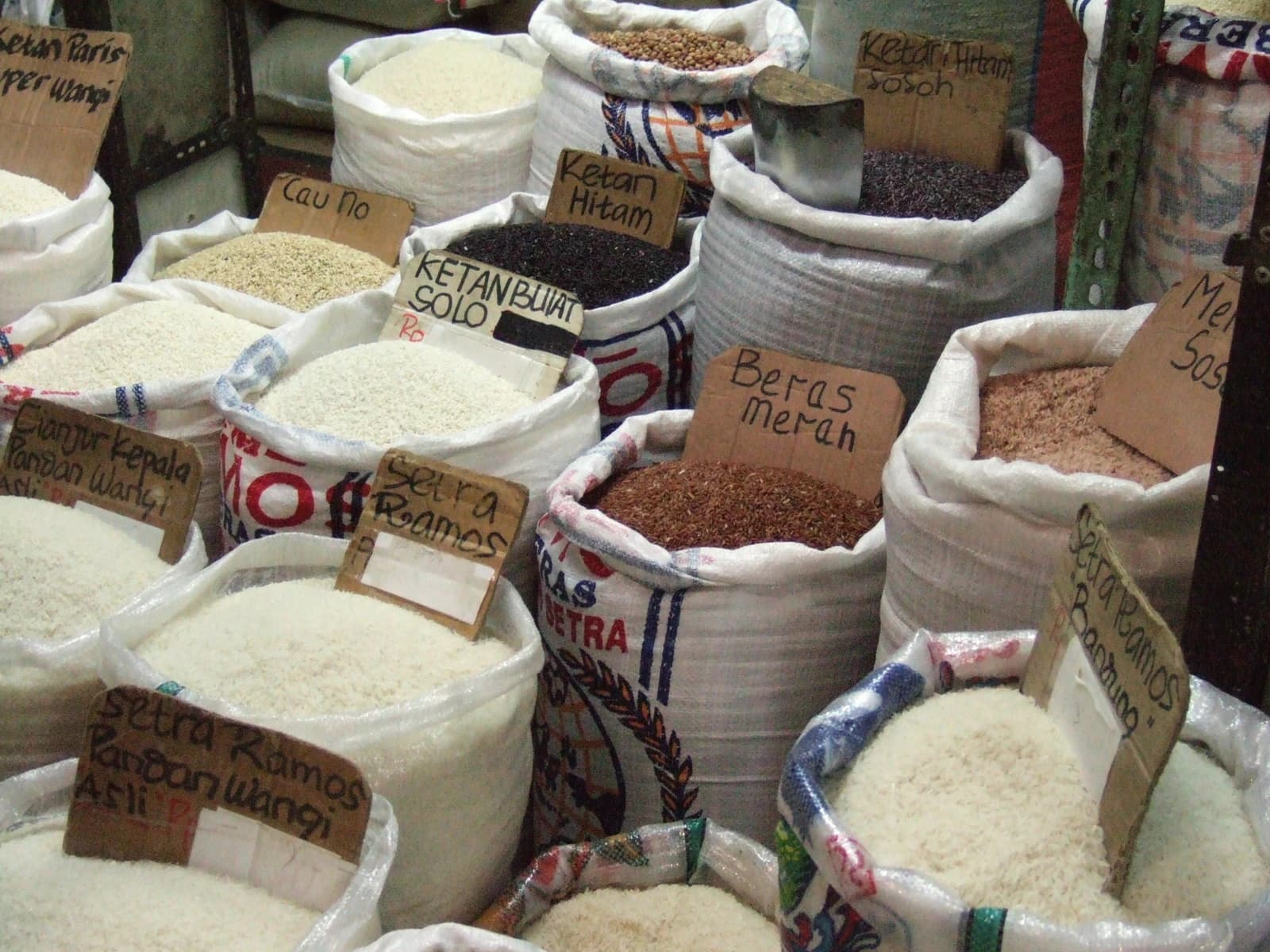
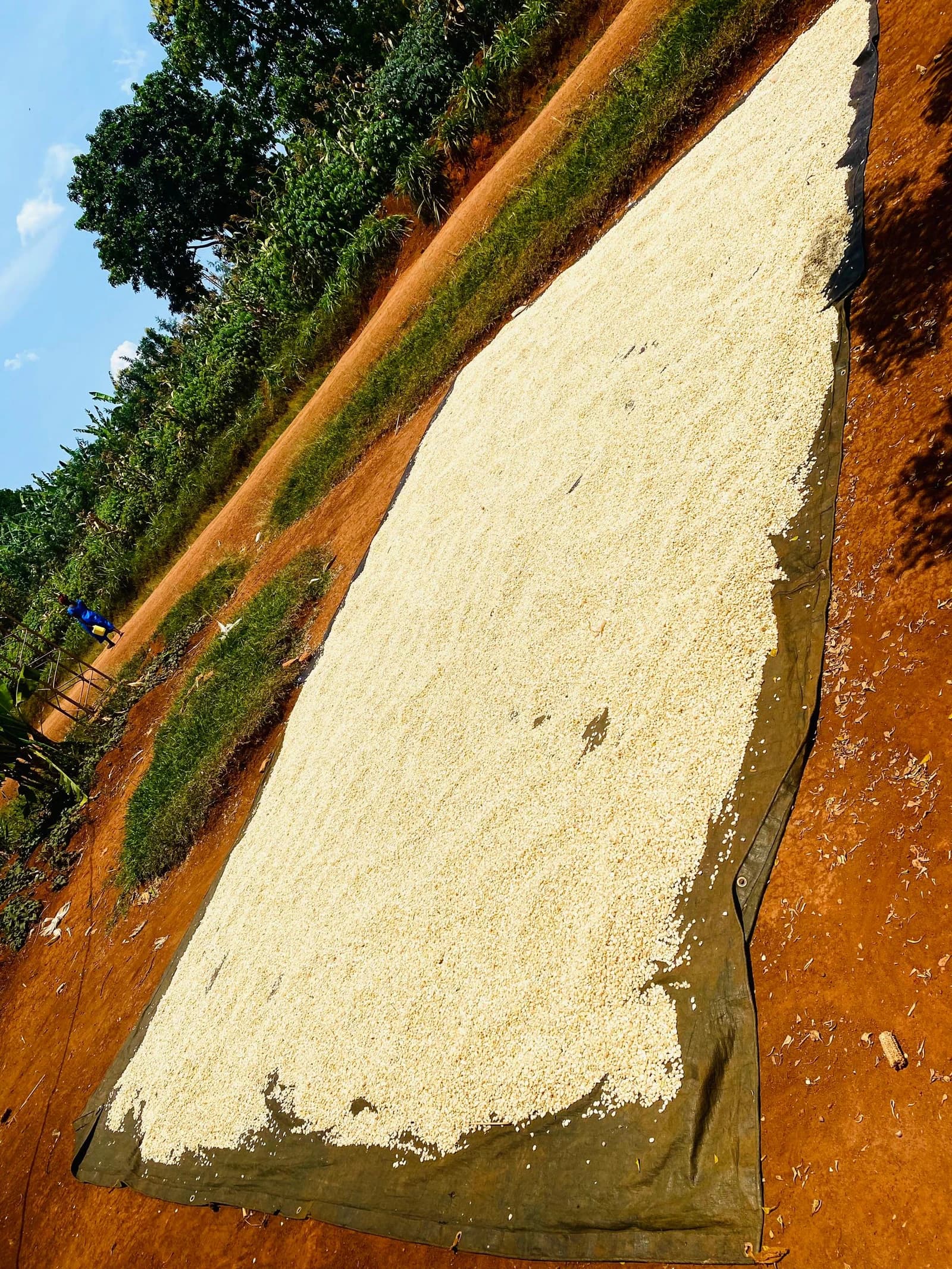
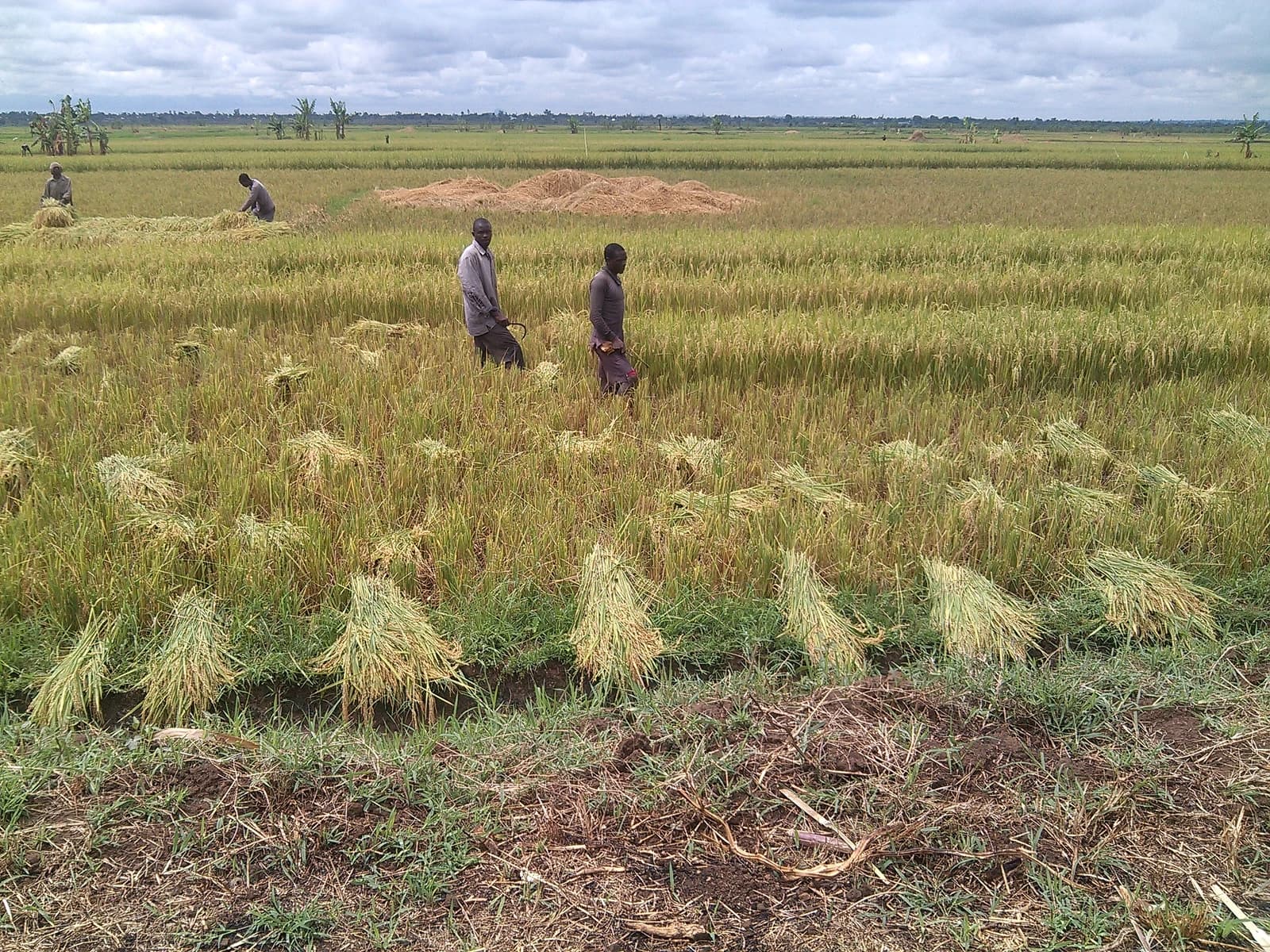
Indonesia’s rice market is entering a tighter seasonal window, and state buyer Bulog’s decision to prepare 300,000 tons of commercial rice through December underscores that policymakers are trying to lean against further price pressure before it spreads beyond premium grades.
Indonesia Rice Prices, Bulog Adds 300000 Tons
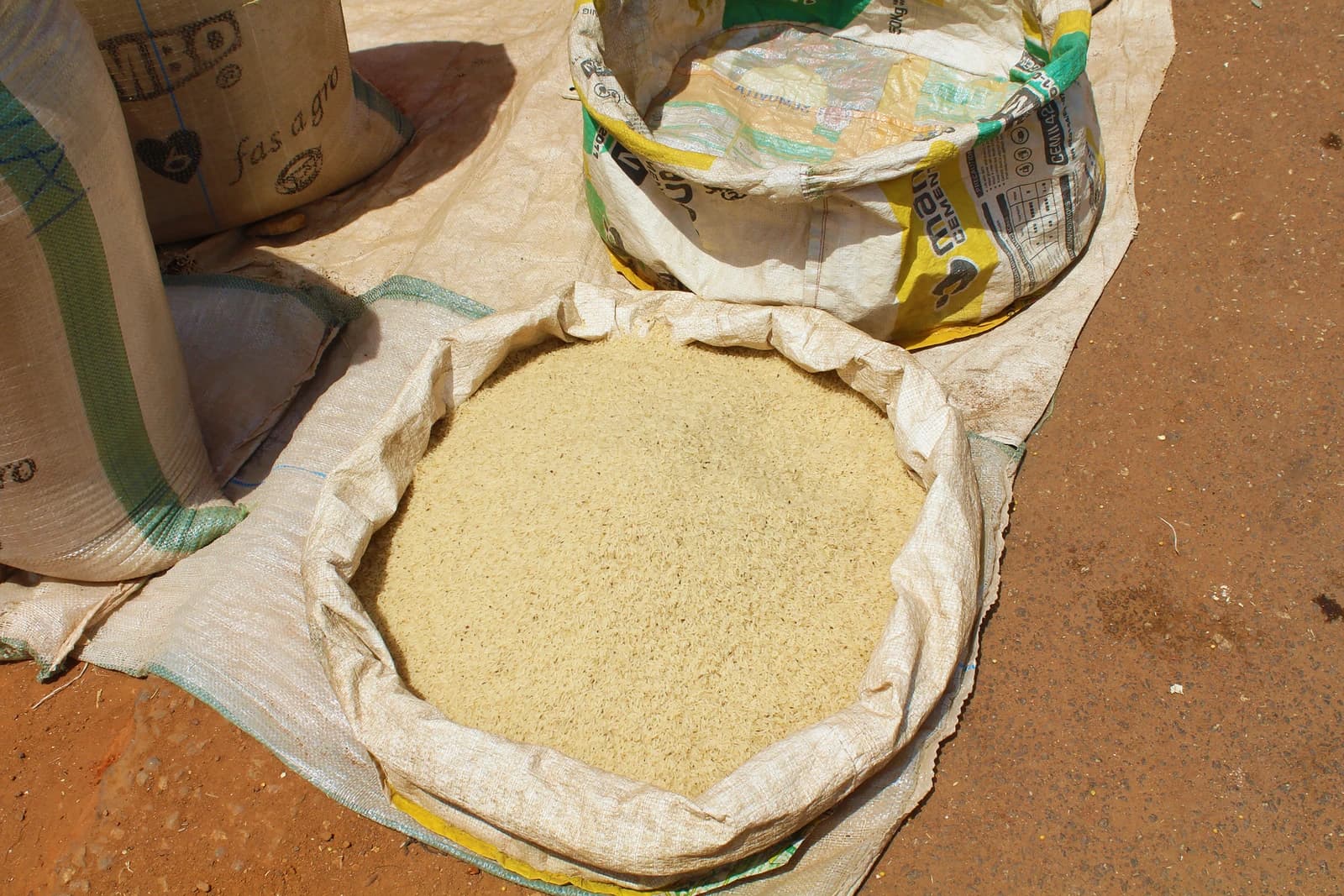
Bulog chief Ahmad Rizal Ramdhani said the September-October price increase was expected because the period is not a harvest season, and he argued the move higher has not been significant based on official statistics from the Central Statistics Agency. The key economic point is not the size of the rise, but the timing: when inventories are no longer being replenished by the harvest, the market becomes more vulnerable to price swings, especially in higher-quality rice that Bulog handles less directly.
Sentiment IndicatorsⓘProprietary · adalytica.com · October 13, 2026
This is a snapshot — live sentiment, awareness and momentum for 130+ markets update continuously in the dashboard.Open AlphaPulse
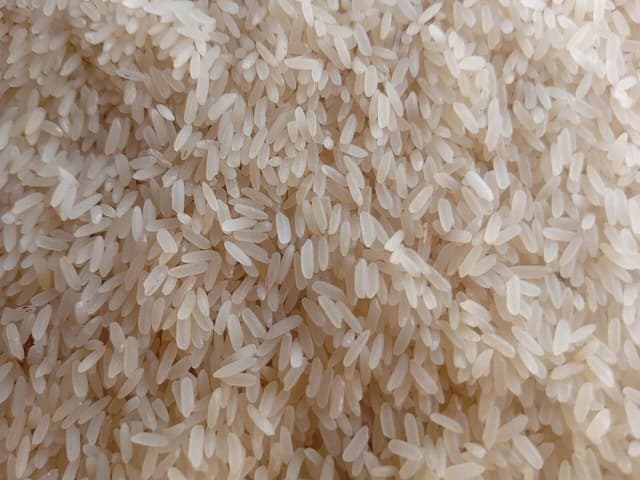
That matters because rice is one of Indonesia’s most politically sensitive staples and a core driver of household inflation. Even a modest increase can feed through to consumer expectations, complicate monetary policy, and force the government to choose between protecting farmers with higher farm-gate prices and protecting urban consumers from food inflation. Bulog’s role is central to that balancing act. The agency mainly manages medium-grade rice under government assignment to stabilize supply, while premium rice is largely left to commercial channels where Bulog’s footprint is smaller.
The stock-building order from Agriculture Minister Andi Amran Sulaiman is a clear signal that Jakarta wants more ammunition in the system before shortages tighten the market further. In practice, that creates a state-backed buffer for a commodity that can move inflation almost overnight if supply thins. For investors, the message is broader than Indonesia alone: food inflation is becoming a recurring macro trade again, and governments across Asia are more likely to intervene aggressively when rice prices start to rise.
That is why the story matters beyond local headline risk. Higher rice prices can support farm incomes and state procurement volumes, but they also pressure importers, retailers and food manufacturers while forcing central banks to watch a politically explosive inflation component. In a market where grain prices and agricultural policy are increasingly linked to weather, logistics and state reserves, the best opportunities often sit with the companies and funds that control storage, distribution and food supply chains rather than with the commodity consumer.
For now, Bulog’s message is that the price move is seasonal, manageable and being met with fresh stock. But if the dry-season squeeze lasts longer than expected, the next leg of the story will be about who has inventory, who has pricing power, and who is exposed to another round of government intervention. For investors, that is the real setup to watch.
| Entity | Gains | Losses |
|---|---|---|
| Bulog | ▲Bigger role in price stabilization | ▼Pressure to add inventory |
| Indonesian farmers | ▲Better selling prices | ▼If intervention caps upside |
| Rice consumers | ▲Relief from stock support | ▼Higher premium rice prices |
| Importers/food buyers | ▲Stable supply if stock builds | ▼Margin pressure from tighter market |