Indonesia is considering fresh support for soybean buyers after the trade ministry said domestic prices have risen about 10% to around Rp13,200 a kilogram, squeezing the millions of small producers that turn the bean into tofu and tempe.
Indonesia weighs soybean subsidies as prices rise
The move matters because soybeans are not a niche crop in Indonesia’s food system; they are a core input for one of the country’s cheapest and most widely consumed protein sources. When soybean costs rise, the pressure is quickly passed through to small processors, many of which operate on razor-thin margins and cannot easily reprice their products in a market where household purchasing power remains subdued. That makes the issue both an inflation risk and a livelihoods problem.
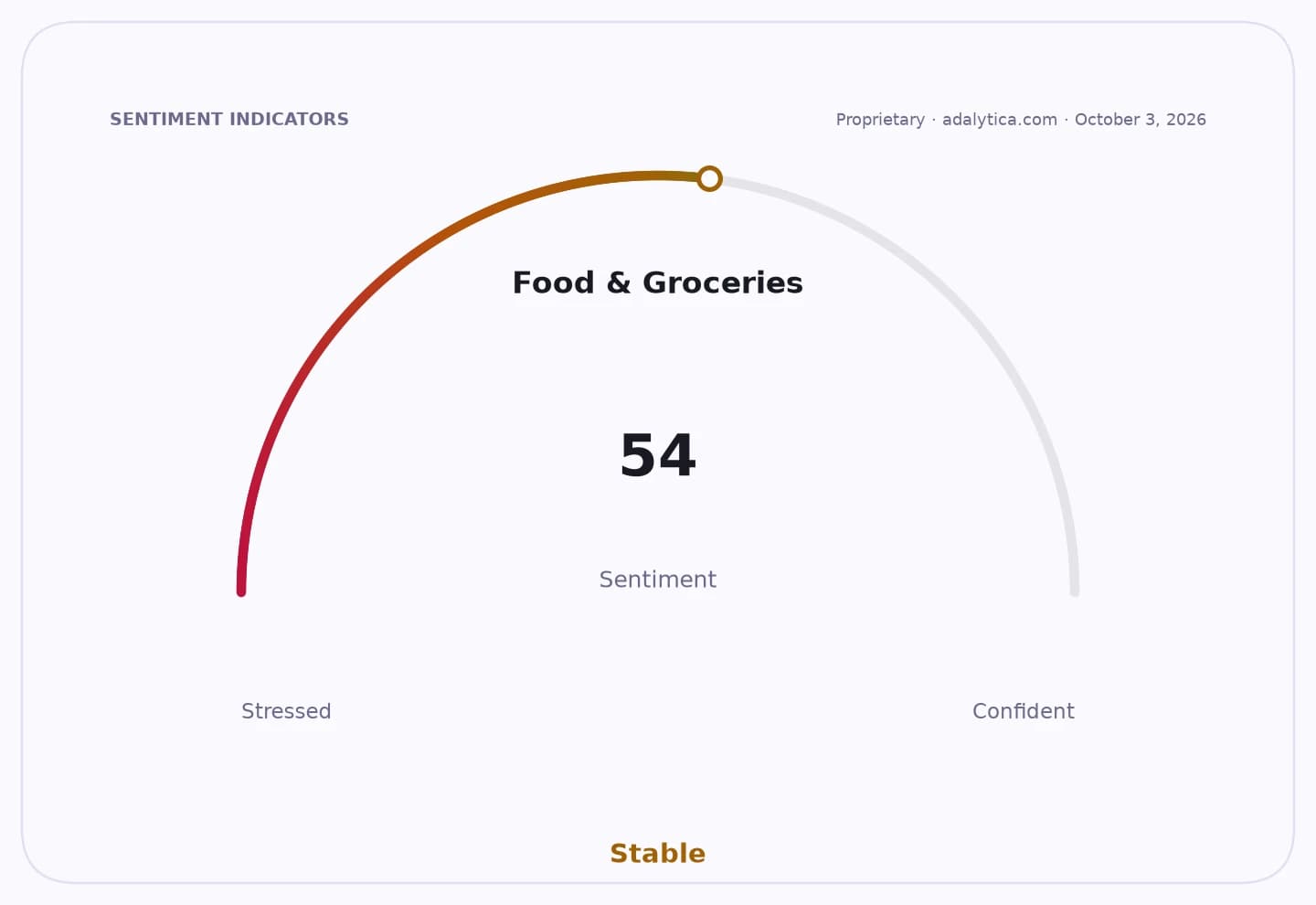
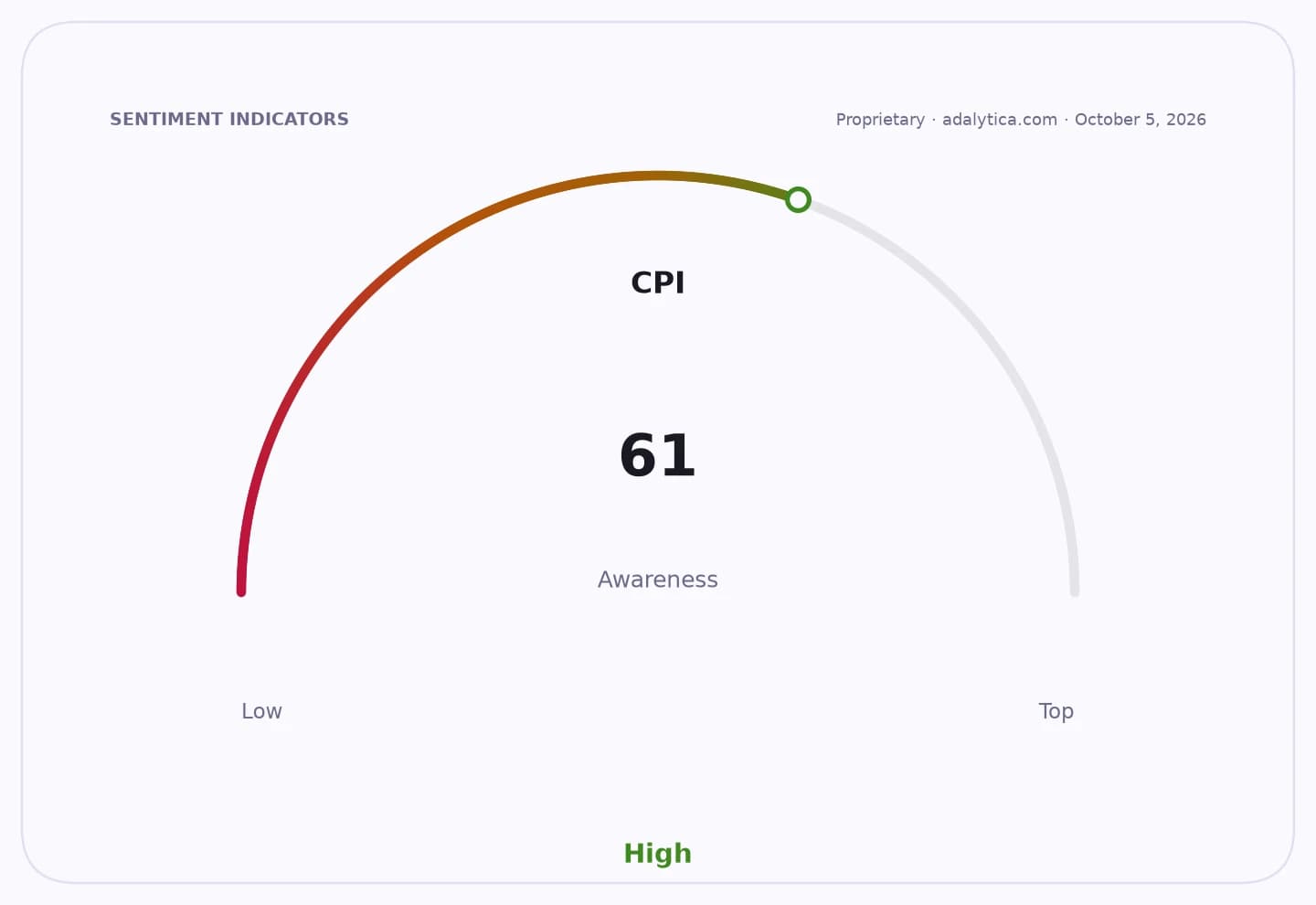
Sentiment IndicatorsⓘProprietary · adalytica.com · October 6, 2026
This is a snapshot — live sentiment, awareness and momentum for 130+ markets update continuously in the dashboard.Open AlphaPulse
Trade Minister Budi Santoso said the increase reflects global commodity dynamics, including swings in world oil prices, and that the government is in talks with the food coordinating ministry over a possible response. Officials are considering subsidies, a policy Indonesia has used before. The benchmark price cited by the ministry has climbed from around Rp12,000 a kilogram, while producer groups say some regions have already seen prices move from Rp9,500 to as much as Rp12,000, forcing makers to shrink product size, reduce output or, in some cases, halt production.
The economic significance extends beyond soybeans. Higher oil prices can feed into agricultural costs through transport, packaging and input inflation, creating a wider squeeze on food processors. For Indonesia, that raises the risk of second-round price pressures in a category that tends to be politically sensitive because tofu and tempe are everyday staples for lower-income consumers. A subsidy could cushion producers and slow pass-through to retail prices, but it would also add to budget pressure and could be difficult to target if the government wants to avoid leakages.
For investors, the story is a reminder that food inflation in emerging markets can be driven by a mix of imported commodity costs, logistics and policy response rather than by domestic supply alone. The soybean market itself remains under support globally: soybean ETF SOYB has risen to $27.73, above its 50-day and 200-day moving averages, even as its RSI has eased from overbought levels, suggesting the market is still pricing tightness but with less near-term momentum. Corn and broader agriculture prices have also firmed, with DBA near $28.85, while Adalytica’s corn and CPI sentiment gauges sit at “Extreme Greed,” underscoring how fast traders have leaned into the inflation trade.
That broader backdrop matters because soybeans are being pulled in different directions across regions. U.S. farmers are facing weak demand from China and geopolitical friction, while Brazil is expanding crushing capacity, reinforcing the competitive and price-sensitive nature of the global oilseeds market. For Indonesia, the immediate question is whether policymakers absorb part of the shock or allow higher input prices to filter through to consumers. Either way, the government’s response will shape margins for small food makers, near-term food inflation and the tone of the domestic cost-of-living debate.
| Entity | Gains | Losses |
|---|---|---|
| Indonesian soybean importers | ▲Policy support, possible subsidies | ▼Higher procurement costs |
| Tofu and tempe producers | ▲Lower input burden if aid arrives | ▼Thin margins, output cuts |
| Consumers | ▲Stable prices if subsidies work | ▼Higher retail food costs without aid |
| Global soybean sellers | ▲Firmer demand at higher prices | ▼Risk of demand destruction if subsidies or rationing bite |