Indonesia’s home affairs ministry is pressing regional governments to step up food-price controls after rice and chili emerged as the main drivers of inflation, a reminder that household staples still have the power to shape growth, purchasing power and policy across the economy.
Indonesia presses regions to curb rice, chili inflation
That matters because food inflation is not just a statistical nuisance in Indonesia. It hits the part of the budget that families notice first, and it feeds directly into consumer demand, wage expectations and political pressure on local officials. When prices of rice, red chili and cayenne pepper keep rising in the same towns and districts, the impact is felt far beyond the market stall.
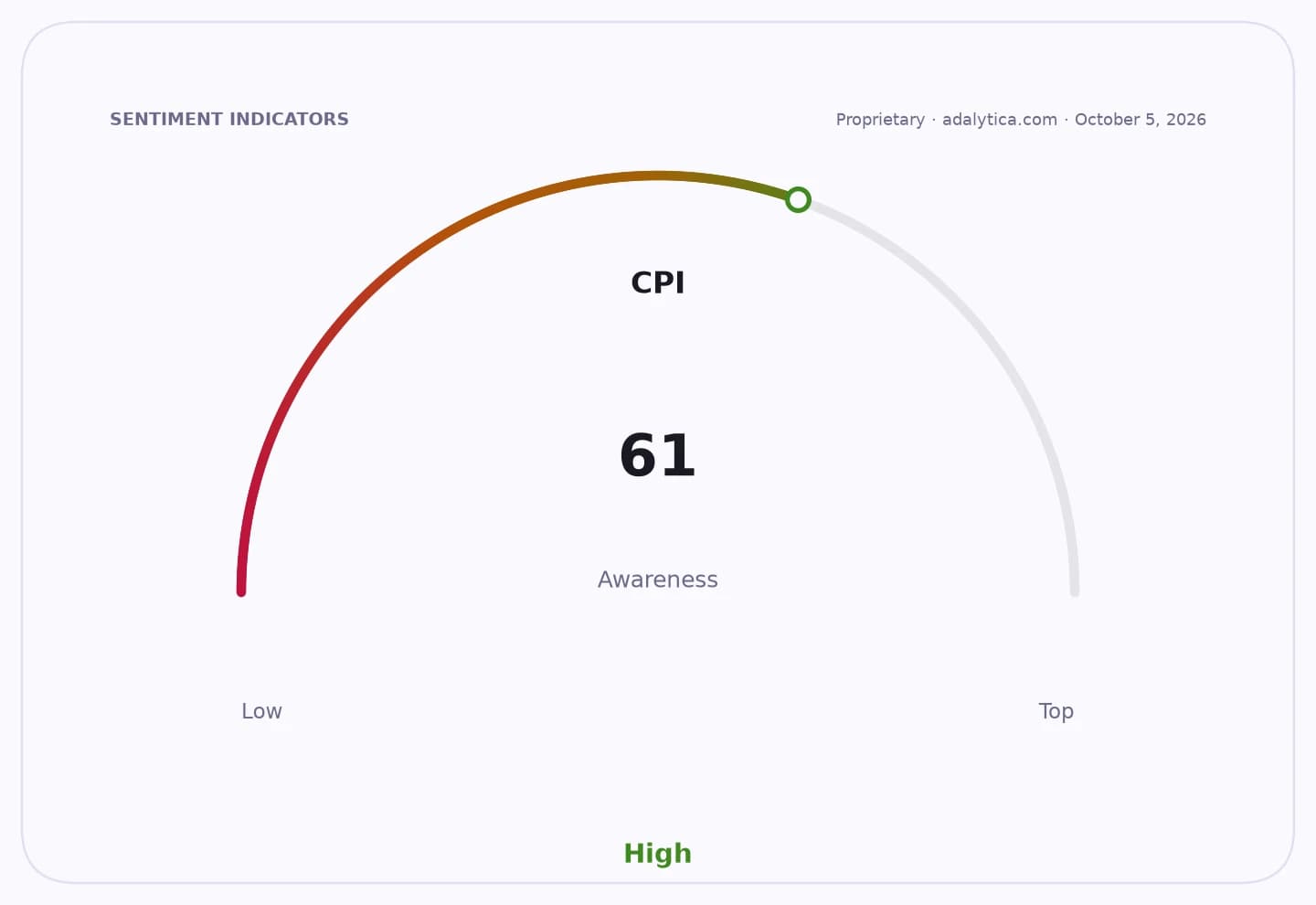
Sentiment IndicatorsⓘProprietary · adalytica.com · October 5, 2026
This is a snapshot — live sentiment, awareness and momentum for 130+ markets update continuously in the dashboard.Open AlphaPulse
Secretary General Tomsi Tohir said local governments need to tailor interventions to conditions in each region rather than repeat broad measures that may no longer work. He made the remarks at a meeting on regional inflation control in Jakarta on Monday, pointing to fresh data showing that inflation in September reached 0.30% month on month and 3.28% year on year, with food items doing most of the damage.
The list of pressure points is familiar but important: cayenne pepper, red chili, broiler chicken, rice, eggs and fresh fish were among the biggest monthly contributors to inflation, according to Indonesia’s statistics bureau. The pressure has not faded in early October either. The bureau said 259 regencies and cities saw higher cayenne pepper price indexes, 292 recorded increases in red chili prices and 116 saw rice prices rise.
For investors, the story is bigger than groceries. Persistent food inflation can keep the central bank cautious, even when headline inflation looks manageable. It can also squeeze margins for consumer companies, restaurants, grocers and food distributors if they cannot pass through higher costs quickly enough. At the same time, it supports producers and traders with exposure to agricultural supply chains, storage, logistics and distribution.
The government is trying to respond on both the supply and administrative sides. The agriculture ministry has already provided seeds, fertilizer and pilot projects in several districts, but Tomsi’s message was that local governments must convert those efforts into concrete action on the ground. In practice, that means better coordination on production, distribution, market monitoring and price intervention before seasonal demand spikes hit at year-end.
That year-end warning matters. Even with inflation still relatively contained, food markets in Indonesia can turn quickly when weather, logistics or supply shortfalls hit at the same time. If regional governments can actually dampen rice and chili volatility, they help preserve household spending power and reduce the odds of a broader inflation flare-up. If they cannot, the burden falls back on consumers — and on policymakers watching the next data print.
| Entity | Gains | Losses |
|---|---|---|
| Regional governments | ▲stronger local control | ▼pressure to deliver quickly |
| Households | ▲lower food prices | ▼weaker purchasing power |
| Food producers/distributors | ▲policy support and demand | ▼margin pressure from interventions |
| Consumer-facing businesses | ▲stabler demand | ▼higher input costs |