Rice prices have climbed sharply over the past four months, with parboiled grain now trading at Rs.65 to Rs.83 a kilogram and even lower-quality rice above Rs.60, a jump that is feeding into food inflation and squeezing households across producing and consuming markets.
Rice Prices Rise as Asia Supply Tightens
The move matters because rice is a staple, not a discretionary item. When the price of a basic food rises by roughly 20% to 50% in a matter of months, consumers absorb the cost immediately and policymakers are left with fewer options than with most other commodities. For low-income households, the increase is especially painful because rice takes up a large share of daily spending, forcing cutbacks elsewhere and worsening broader cost-of-living pressure.
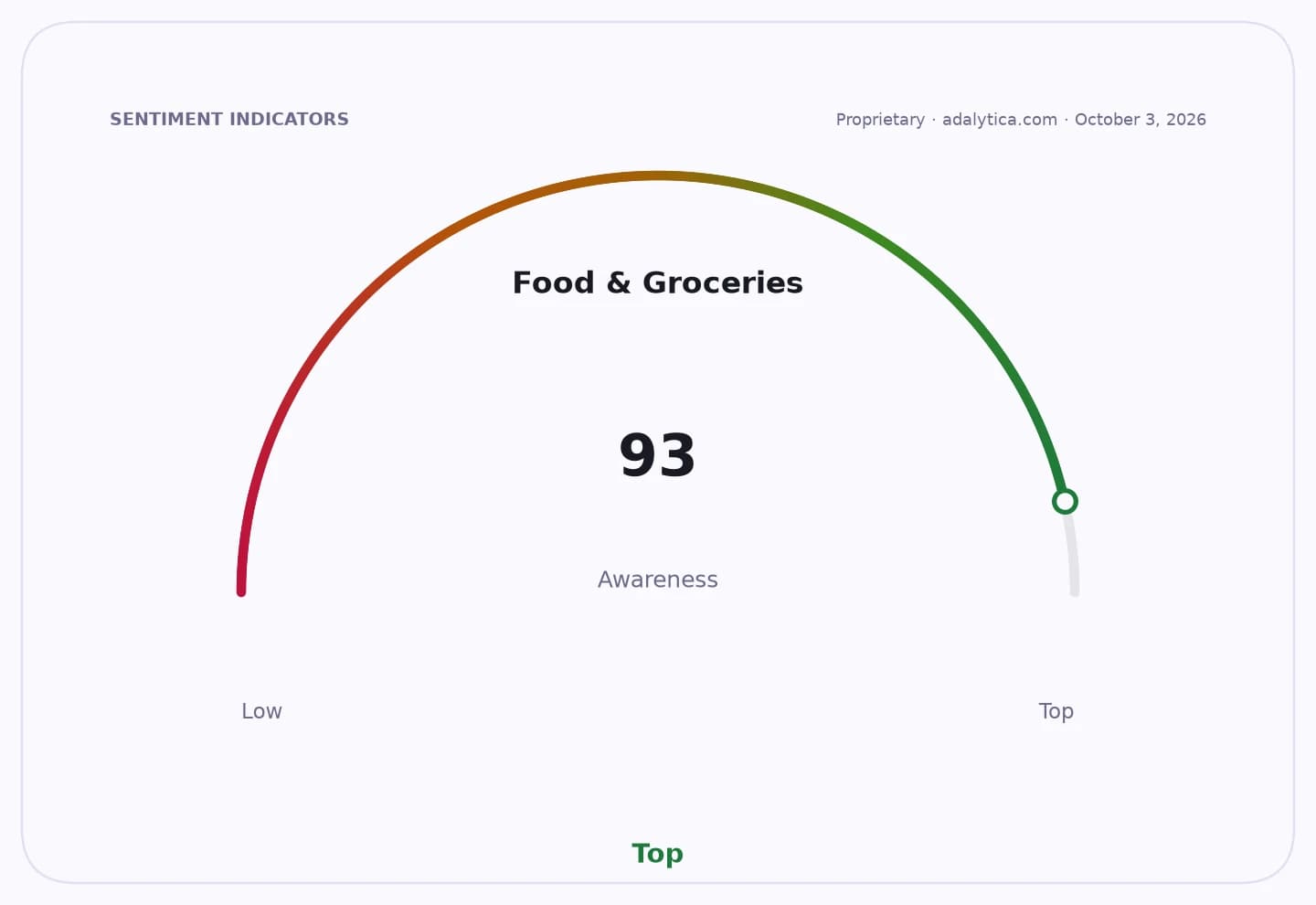
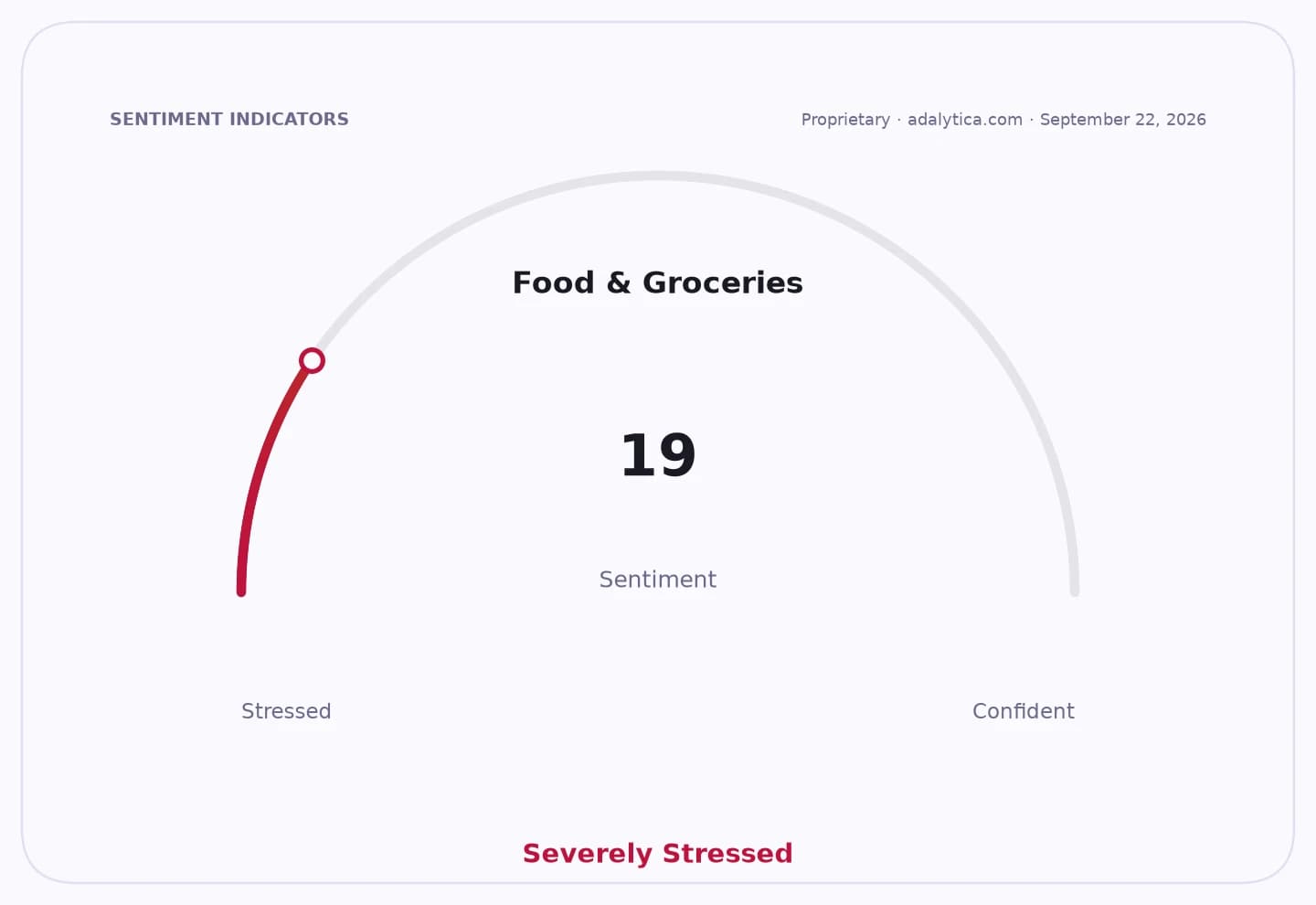
Sentiment IndicatorsⓘProprietary · adalytica.com · October 5, 2026
This is a snapshot — live sentiment, awareness and momentum for 130+ markets update continuously in the dashboard.Open AlphaPulse
The rally reflects a supply backdrop that remains fragile despite harvest activity in some regions. News context points to crop disruption in major Asian producers, including weather-related stress after a dry spell followed by floods, as well as elevated export prices in India, while Indonesia has seen record-high local prices. That combination suggests the problem is not a single local shortage but a wider market tightening across key suppliers.
For investors, the rise has implications beyond farm economics. Higher rice prices can keep food inflation sticky, complicating central bank decisions and limiting room for easier policy if broader price pressures remain elevated. It can also lift working capital needs for traders, millers and retailers that must finance more expensive inventories, while pressuring margins if consumers resist further price pass-through. Food retailers and staples companies may benefit if they can reprice quickly, but volume could soften if households trade down or cut purchases.
The latest U.S. inflation and producer-price data in the supplied context underscore the broader point: commodity shocks can reappear even when headline inflation looks contained. Rice is especially sensitive because production is concentrated geographically and demand is inelastic. When weather or logistics disrupts supply, prices can move fast and stay elevated longer than expected.
The near-term outlook hinges on whether harvests improve in Asia and whether export restrictions or import demand intensify. Until then, rice markets look vulnerable to further spikes, with the burden falling most heavily on consumers and on governments trying to keep food inflation under control.
| Entity | Gains | Losses |
|---|---|---|
| Rice farmers | ▲Higher farm-gate prices | ▼Input-cost pressure |
| Traders and millers | ▲Inventory gains | ▼Inventory financing costs |
| Consumers | ▲— | ▼Higher food bills |
| Food retailers/staples firms | ▲Pricing power | ▼Volume pressure |