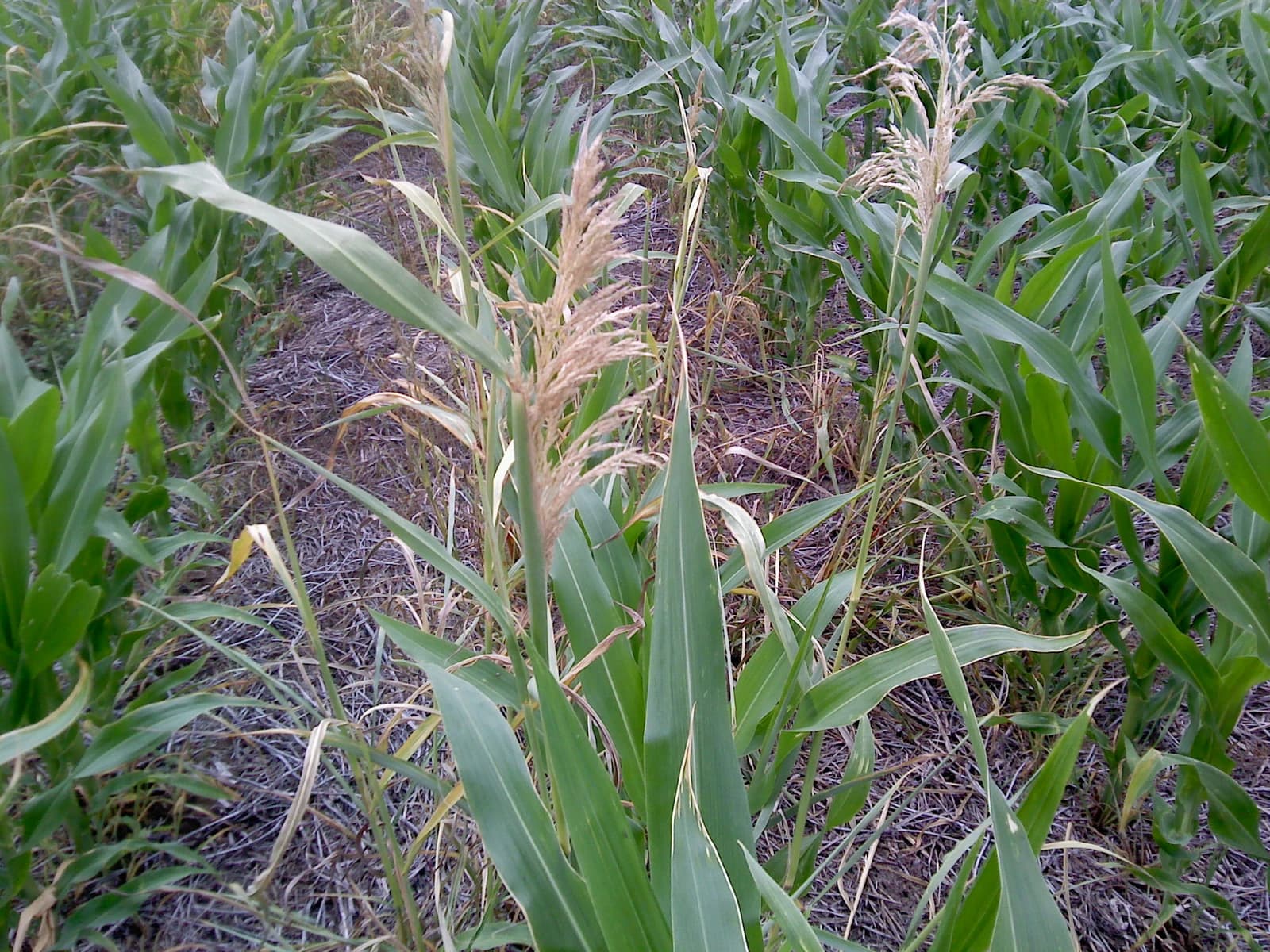
Soybean producers in Argentina are heading into October with more than 20 million tons still unsold, a supply overhang that could push cash prices toward new-crop levels and give growers a window to sell before the market weakens further.
Argentina Soybean Producers Face October Selling Window
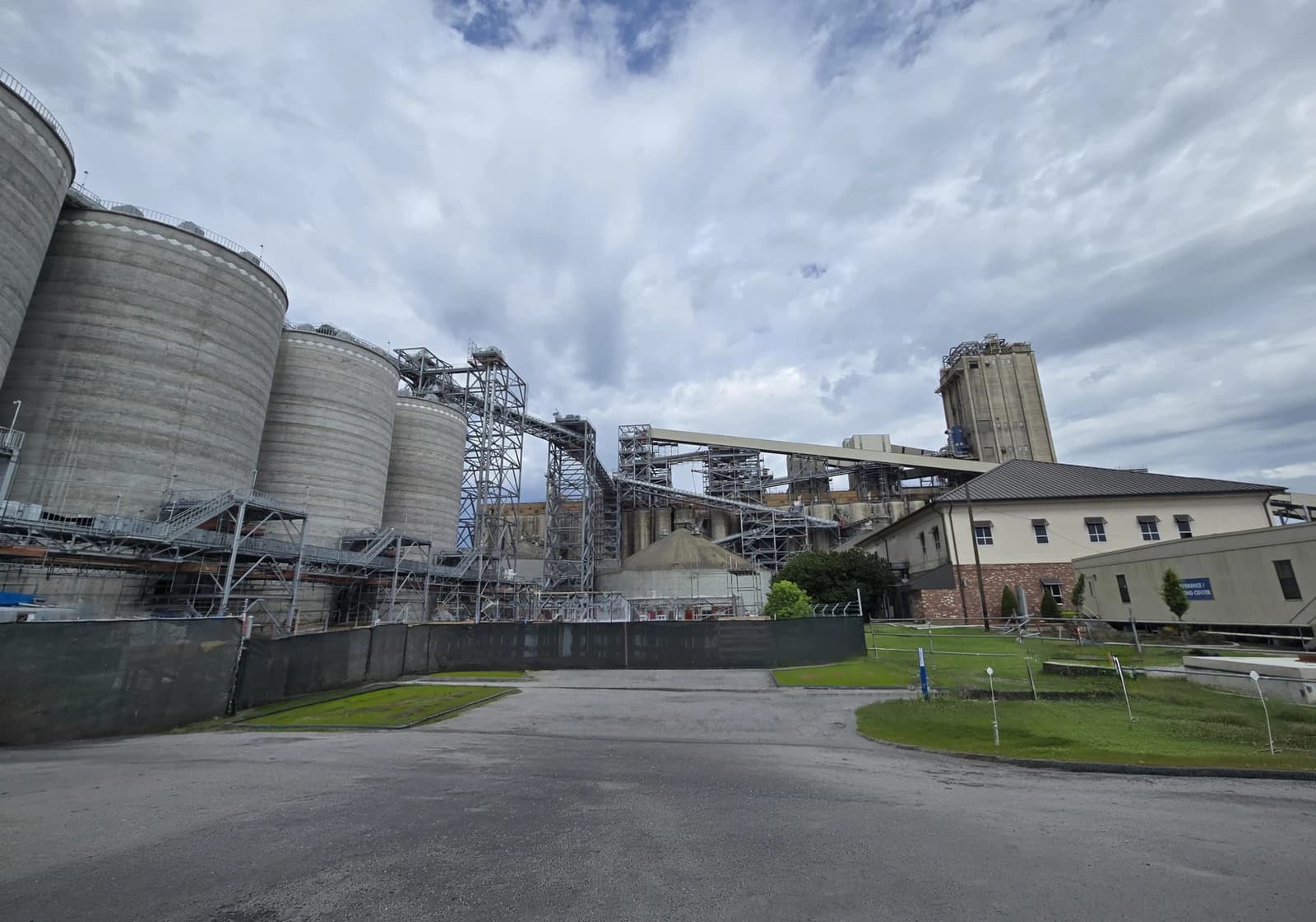
The timing matters because the old-crop market is already trading below the next harvest, while Chicago soybean futures have fallen and the domestic A3 forward curve points to a persistent discount of about $15 to $20 a ton between nearby and later positions. That gap suggests the market is pricing in more downside as the 2026 crop approaches and as U.S. harvest pressure keeps weighing on global benchmarks.
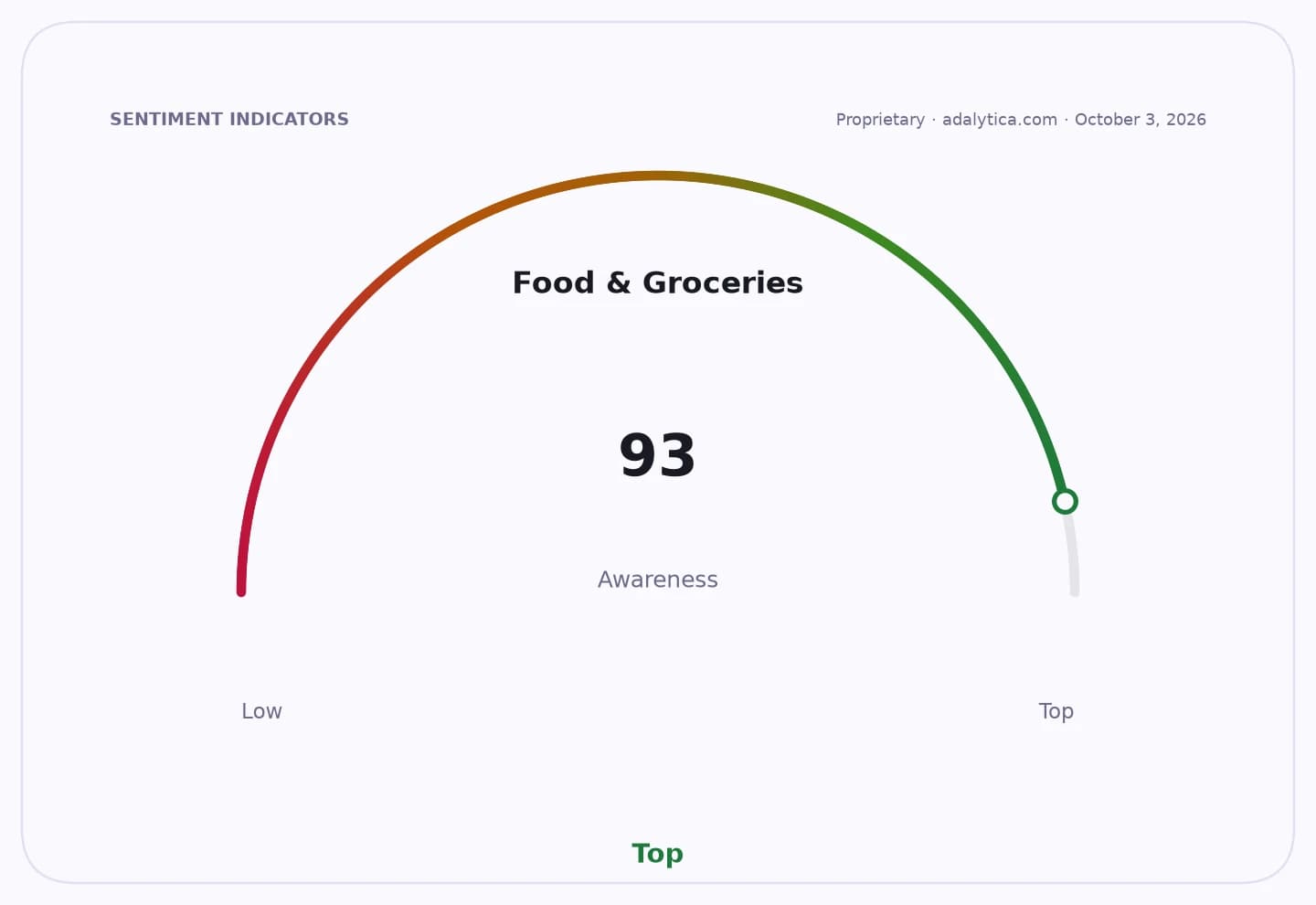
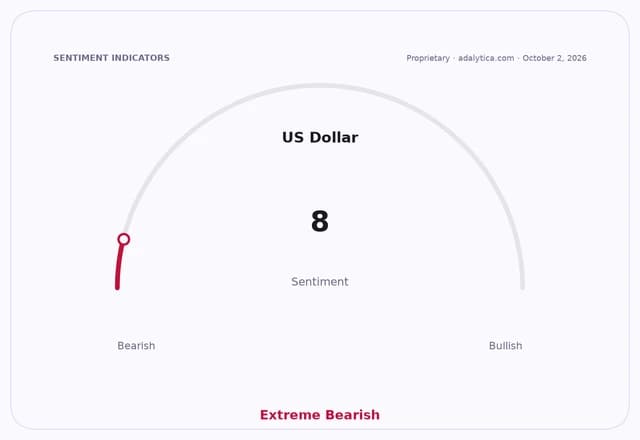
Sentiment IndicatorsⓘProprietary · adalytica.com · October 2, 2026
This is a snapshot — live sentiment, awareness and momentum for 130+ markets update continuously in the dashboard.Open AlphaPulse
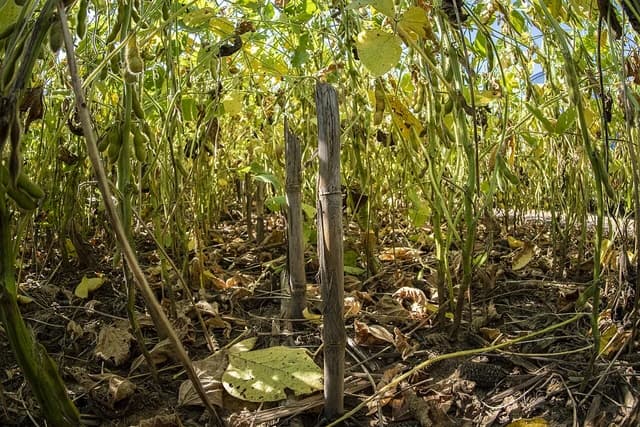
Exporters still need to buy 1.1 million tons of soybeans, but they have seven months to cover those sales, which limits the urgency to bid up prices. In practice, that leaves the balance of power with growers holding unsold beans against an industry that can wait and a market that is already leaning lower.
Chicago has reinforced that tone. November soybean futures slipped $12 a ton from Sept. 10 to Sept. 30, to $478 a ton from $490, a move tied mainly to the advance of the U.S. harvest. With only Brazil and the United States able to supply the export market now, Argentina’s absence from the FOB bean trade until May 2027 removes one source of near-term pressure, but not enough to offset the seasonal slide.
For investors and traders, the bigger issue is that domestic Argentine crushers will need to keep buying available soybeans to make meal and oil for export, especially into the European Union starting in early 2027. That demand could support nearby values, but it is competing against a large stock of producer-held beans and a market that is expected to drift lower as the next crop gets closer.
A second price factor is regulatory, not just seasonal. Argentina’s Visec traceability system is becoming more important because it helps certify soybeans as deforestation-free for the European Union, which requires proof that cargoes were not produced on land deforested after Dec. 31, 2020. Producers who do not join the platform risk being treated as “unknown” deliveries and could receive a discount at the port or crusher.
That makes October a critical month for selling decisions. Farmers still sitting on beans may find better pricing now than later, especially if they are not yet registered in Visec and could face penalties as crushers and exporters prepare for EU-bound shipments in 2027.
| Entity | Gains | Losses |
|---|---|---|
| Producers with unsold soybeans | ▲Better October pricing window | ▼Lower prices later |
| Crushers and exporters | ▲Cheaper near-term bean supply | ▼Less margin if they overpay now |
| Visec-registered farmers | ▲Access to EU-compliant pricing | ▼None |
| Non-registered farmers | ▲None | ▼Potential price discounts |