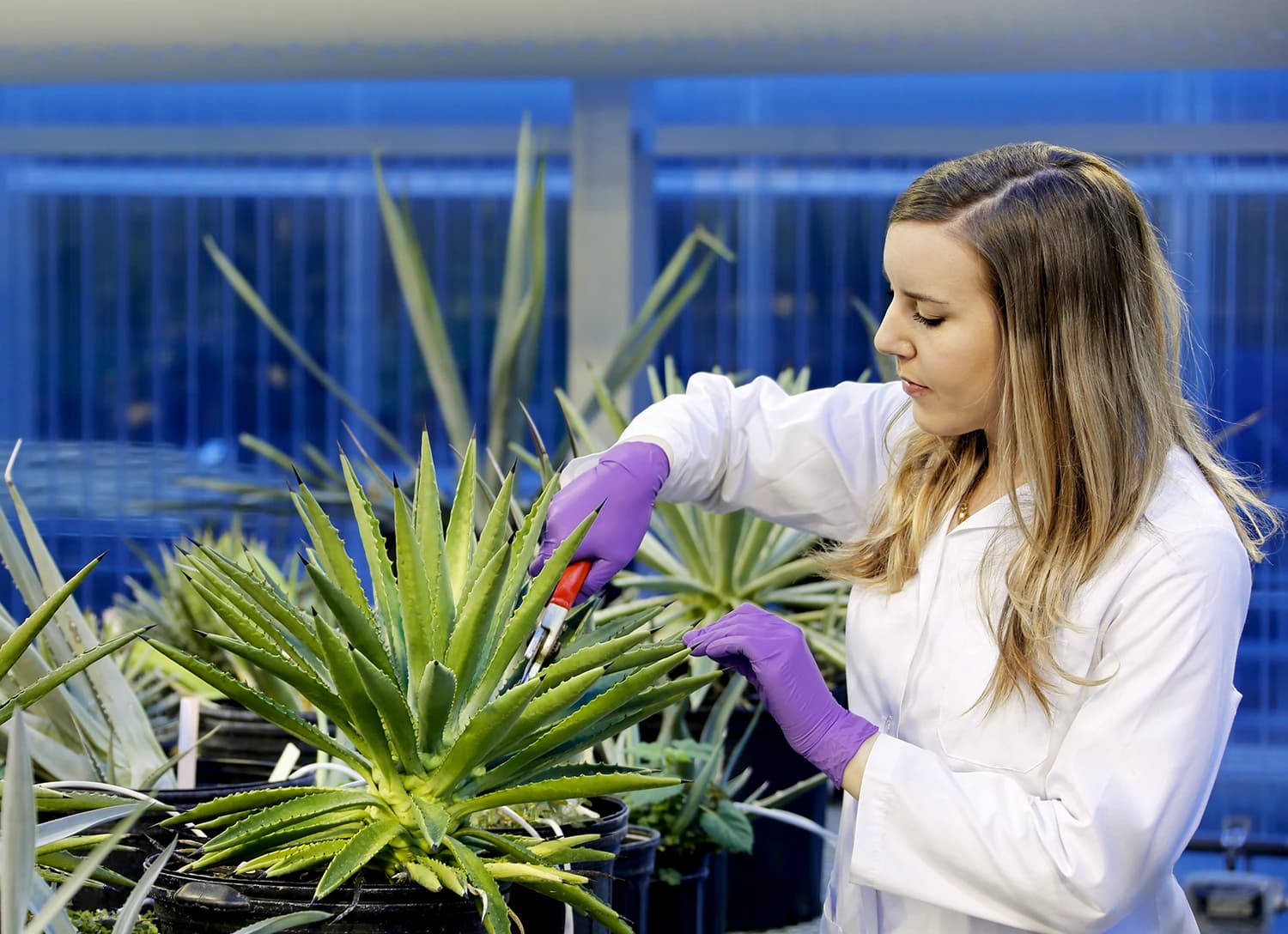
Bayer is moving to compress seed development from years to months, and Argentina’s corn growers may be among the first to benefit as the German group rolls out low-stature maize and other biotech products that could reshape farm economics in the region.
Bayer launches low-stature corn in Argentina
The company said its AI-led precision breeding platform and gene-editing tools are cutting the time needed to improve seed lines from about five years to four months, while also speeding crop-protection development. That matters because faster breeding cycles can translate into quicker yield gains, better drought and lodging tolerance and, ultimately, higher returns per hectare at a time when farmers are facing volatile weather, tighter margins and rising pressure to raise productivity without expanding acreage.
Sentiment IndicatorsⓘProprietary · adalytica.com · September 5, 2026
This is a snapshot — live sentiment, awareness and momentum for 130+ markets update continuously in the dashboard.Open AlphaPulse
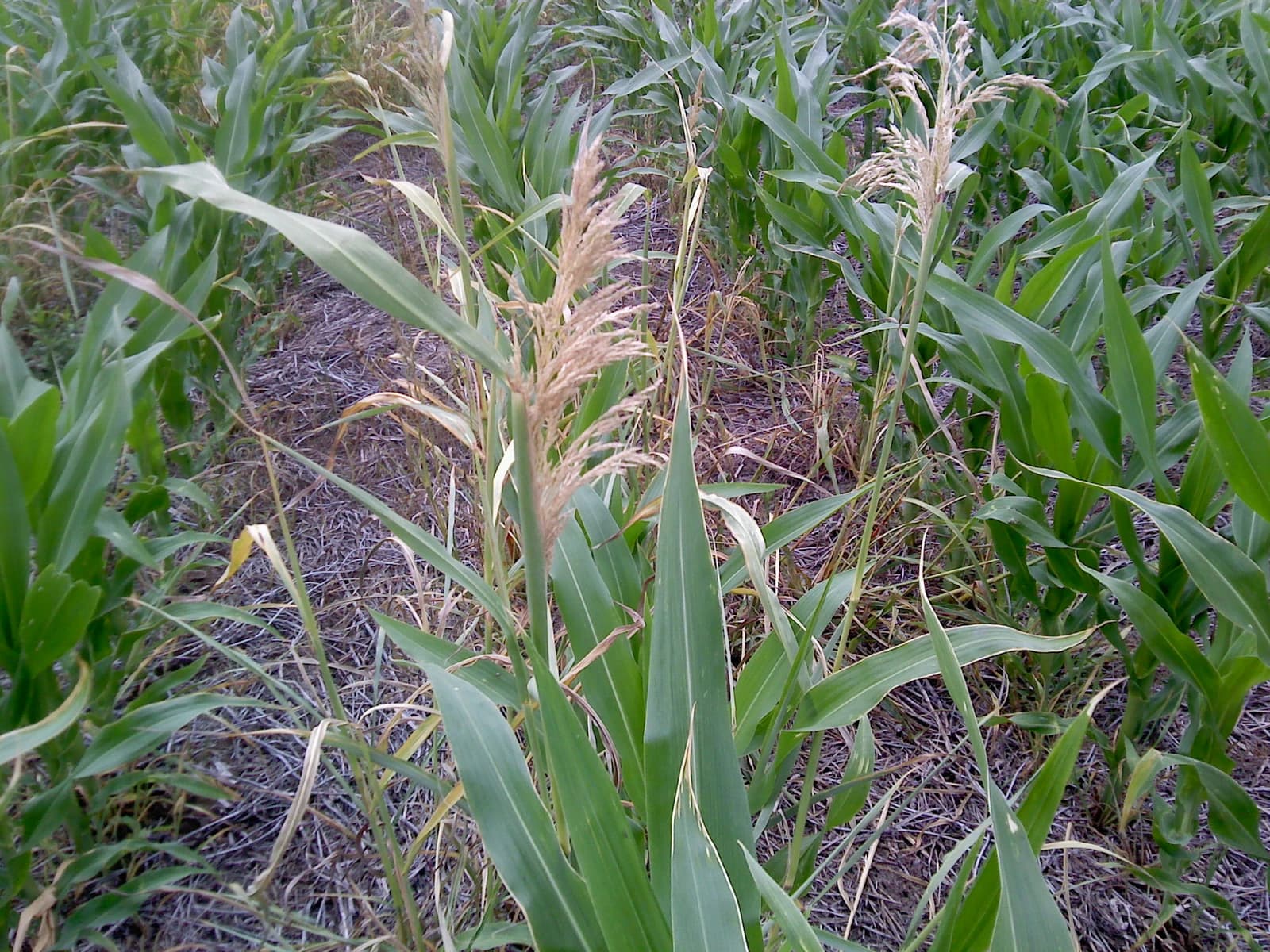
For Argentina, the most immediate implication is in corn. Bayer said its Preceon low-stature maize is launching in the country this year, before Brazil, reflecting the strength of local breeding work and the view that Argentina can be a global leader in corn if intellectual-property protections are enforceable. The hybrids are also a test of whether a more modern seed-market framework can unlock investment in a crop where the country has an agronomic edge.
That contrast is especially sharp in soybeans. Bayer said it exited Argentina’s soybean technology market five years ago after frustration over weak enforcement of seed rights, including on-farm seed reuse. The company said better intellectual-property rules could add as much as $3 billion a year to Argentina’s economy, a reminder that the issue is not only corporate but macroeconomic: more reliable technology adoption means better yields, more exportable surplus and stronger farm incomes in one of the country’s key foreign-exchange earners.
The stakes extend beyond Argentina. Bayer is pitching a pipeline that includes Vyconic soybeans for the US and Canada next year, Intacta 5+ for Brazil in 2027/28, a new insecticide with up to 75% less active ingredient, and Icafolin, a herbicide it sees as a potential €750 million product by the mid-2030s. It is also developing hybrid wheat and new cover crops tied to renewable diesel and sustainable aviation fuel, showing how seed genetics, chemicals and digital tools are converging into a single agronomy platform.
For investors, the story is about Bayer’s effort to turn a mixed crop-science franchise into a growth engine after years of pressure on legacy agrochemical margins. If the company can commercialize more “blockbuster” products faster, it can defend pricing power and rebuild confidence in Crop Science. If it cannot, the heavy R&D spend and long regulatory timelines could keep the unit under strain.
Corn prices and crop-equity sentiment have already been firming, with conventional technical indicators on Corn ETF pricing showing the market trading above both its 50-day and 200-day moving averages. That suggests investors are already paying attention to supply-side innovation and yield expectations. For Argentina, the key question is whether policy will allow the country to capture the productivity gains now being built in the lab.
| Entity | Gains | Losses |
|---|---|---|
| Bayer | ▲Faster product launches | ▼Fewer R&D bottlenecks |
| Argentine corn growers | ▲Better yields and resilience | ▼Higher dependence on licensed tech |
| Argentine soy growers | ▲Access to new biotech | ▼Limited innovation without IP reform |
| Seed rivals | ▲Industry validation | ▼Pressure to keep pace |