Acre’s grain exports held near 46,100 tons in the first eight months of 2026, but soybean sales fell 17.03% from a year earlier, underscoring a softer start to the state’s key agricultural trade.
Acre soybean exports fall 17% through August
The drop matters because soybeans still account for 97.6% of Acre’s grain export volume, so even a relatively modest decline in shipments has an outsized effect on revenue, farm income and local logistics. The state sold 45,009.5 tons of soybeans abroad from January through August, down from 54,250.2 tons in the same period of 2025, according to a technical bulletin from the Acre agriculture federation based on federal Comex Stat data.
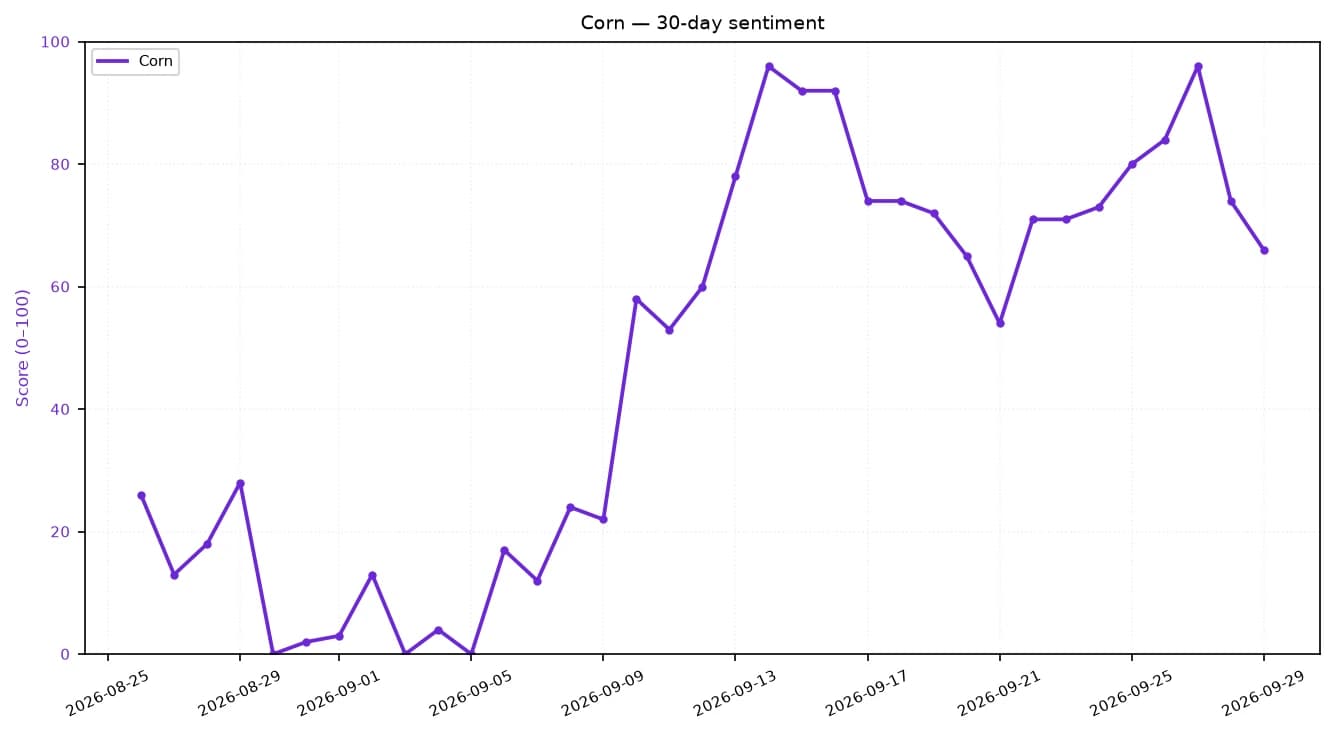
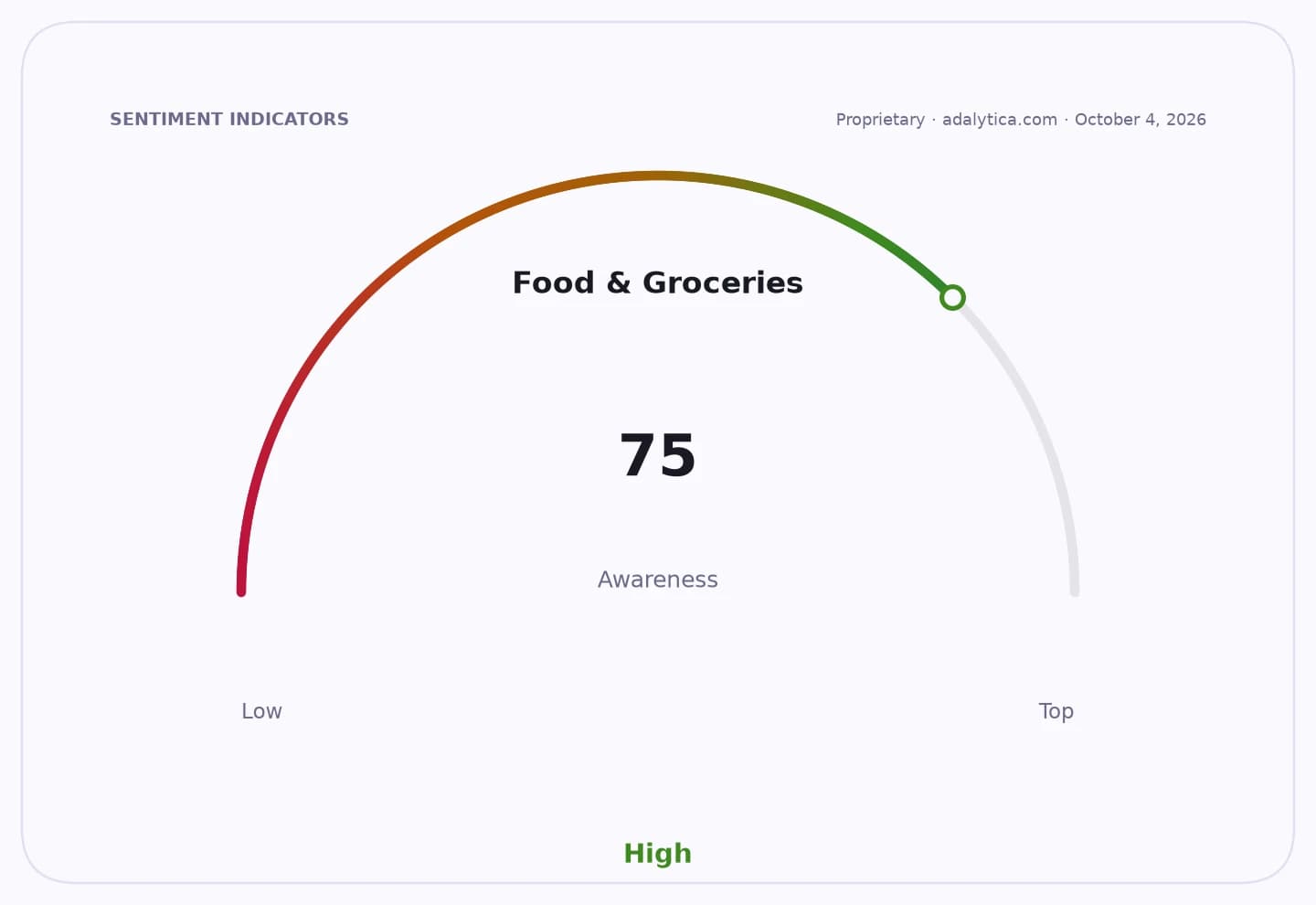
Sentiment IndicatorsⓘProprietary · adalytica.com · September 28, 2026
This is a snapshot — live sentiment, awareness and momentum for 130+ markets update continuously in the dashboard.Open AlphaPulse
Export revenue from soybeans also slipped, though less sharply than volume. Receipts fell to $18.50 million from $20.32 million a year earlier, a decline of 8.96%, suggesting prices partly cushioned the hit to cash flow even as tonnage weakened.
The monthly pattern points to a seasonal pullback rather than a broad collapse in demand. May was the strongest month of 2026, with about 17,600 tons of grains shipped, after which outbound volumes tapered as the soybean harvest wound down and shipments shifted mainly to second-crop corn.
Corn provided only limited relief. Export volume rose 2.81% to 1,090.5 tons between January and August, but revenue dipped 0.96% to $207,000, leaving soybeans overwhelmingly dominant in the state’s grain trade.
For investors and commodity traders, the Acre figures are a small but useful read-through on Brazil’s interior supply chain: when soybean export volumes soften, local elevators, transport operators and farm suppliers feel the pressure first, while processors and exporters adjust around narrower margins. With Acre’s grain season now past its peak, the next catalyst is whether late-year shipments stabilize or whether weaker soybean demand continues to filter through to regional agricultural revenues.
| Entity | Gains | Losses |
|---|---|---|
| Acre grain exporters | ▲Seasonally steady shipments | ▼Lower soybean volumes |
| Soybean buyers/processors | ▲Softer supply pressure | ▼— |
| Corn growers in Acre | ▲Slightly higher export volume | ▼Weak pricing |
| Local logistics and farm services | ▲Peak-season activity in May | ▼Slower post-harvest flows |