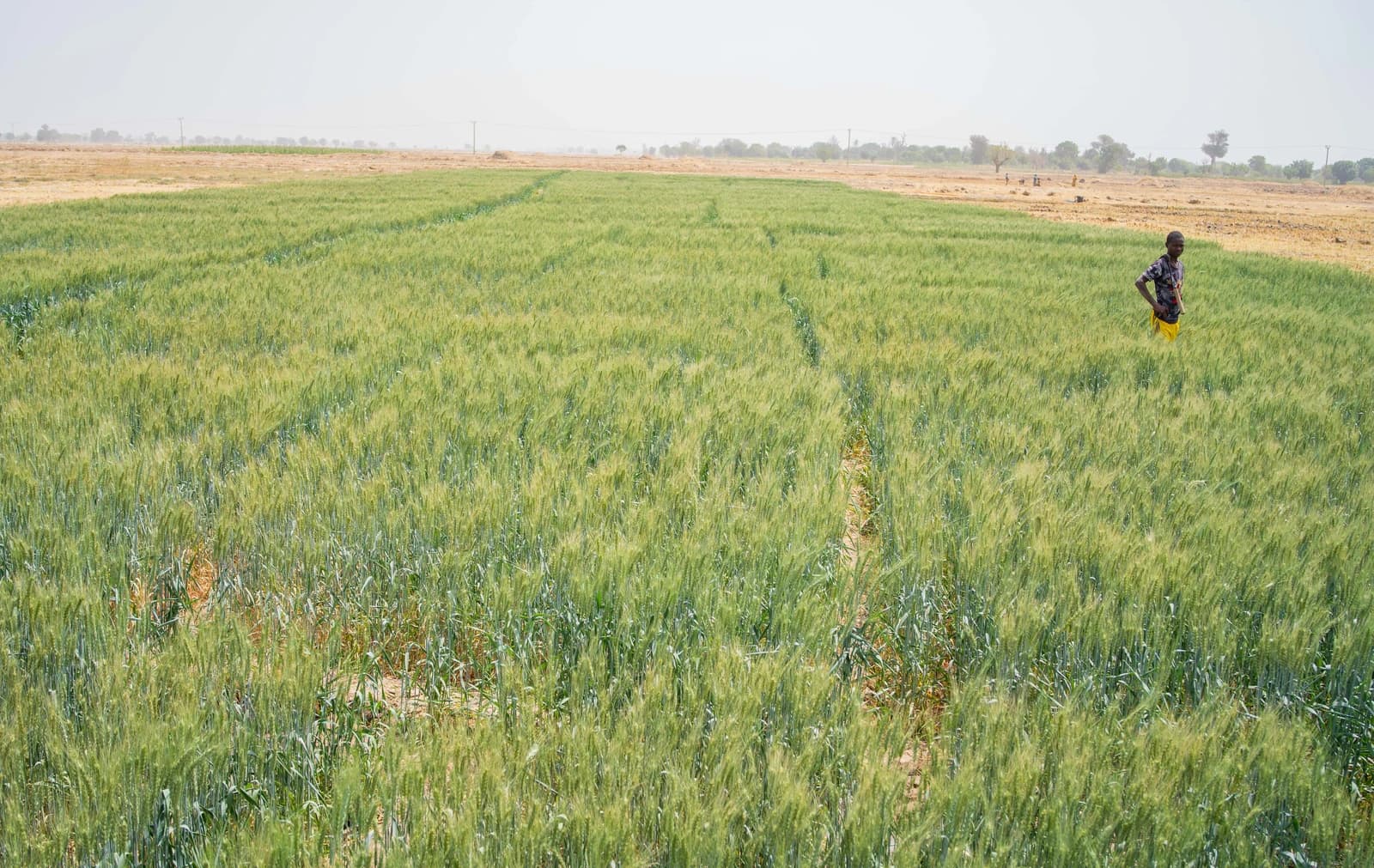
Guárico has begun harvesting more than 17,000 hectares of corn, a crop officials say could yield 68 million kilos and bolster Venezuela’s effort to cut food imports and deepen local supply chains.
Venezuela Guárico starts 17,000-hectare corn harvest
The launch matters economically because corn remains a staple input for food, feed and industrial processing, making any lift in domestic output important in a country still battling supply fragility and foreign-exchange constraints. Authorities said the first-year plan reached 70 communes and 275 community councils across nine municipalities, involving more than 1,600 small producers, a sign the government is trying to broaden agricultural production beyond large commercial farms.
Agriculture Minister Ángel Prado and Governor Donald Donaire presented the harvest as part of the communal agro-food plan, with seeds sourced regionally and production concentrated in Zaraza and the Socialist Commune Agua Negra. Prado said the crop supports “food sovereignty,” a recurring policy goal for President Nicolás Maduro’s government as it seeks to reduce dependence on imported staples and protect consumers from price swings.
For investors, the immediate relevance is less about a listed company than about the broader grain complex and inflation outlook. More domestic corn production can ease pressure on local feed costs, support livestock producers and improve availability for milling and food manufacturers, while also offering a modest signal that Venezuela’s decentralized farm model is still being expanded.
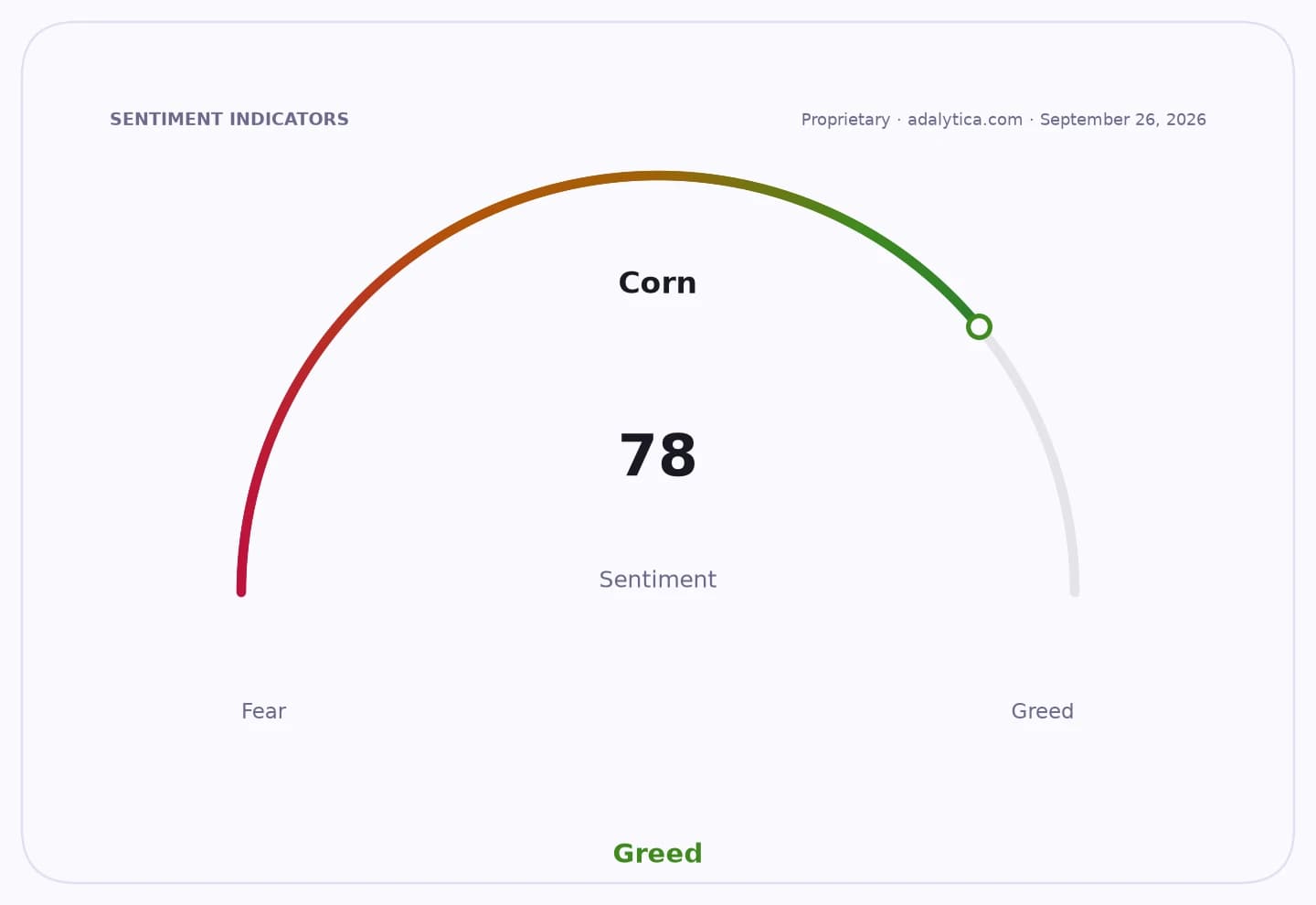
The timing also lands as global grain markets remain sensitive to weather, planting shifts and export policy. Corn futures have traded with elevated volatility, while wheat and broader agricultural funds have moved on supply and technical factors; in that backdrop, any evidence of stronger South American output can add to the bearish supply narrative if harvests scale as planned.
The key test now is execution: whether the crop reaches the estimated 68 million kilos and whether the communal production model can hold up through the rest of the season. If it does, Guárico could become a reference point for Venezuela’s push to rebuild domestic food production; if not, the gap between policy ambition and actual output will remain the market’s bigger story.
| Entity | Gains | Losses |
|---|---|---|
| Guárico small producers | ▲Higher output and visibility | ▼Execution risk if yields disappoint |
| Venezuelan government | ▲Food-sovereignty narrative | ▼Pressure if import dependence persists |
| Feed and food processors | ▲More local corn supply | ▼Higher costs if harvest falls short |
| Corn importers | ▲Less urgent demand | ▼Potentially weaker trade volumes |