Río Negro is pushing a major irrigation buildout to eliminate a 103,000-ton corn deficit that forces livestock producers to buy feed from outside the province and drains about $22 million a year in grain and freight costs.
Río Negro Plans Irrigation to Cut Corn Deficit
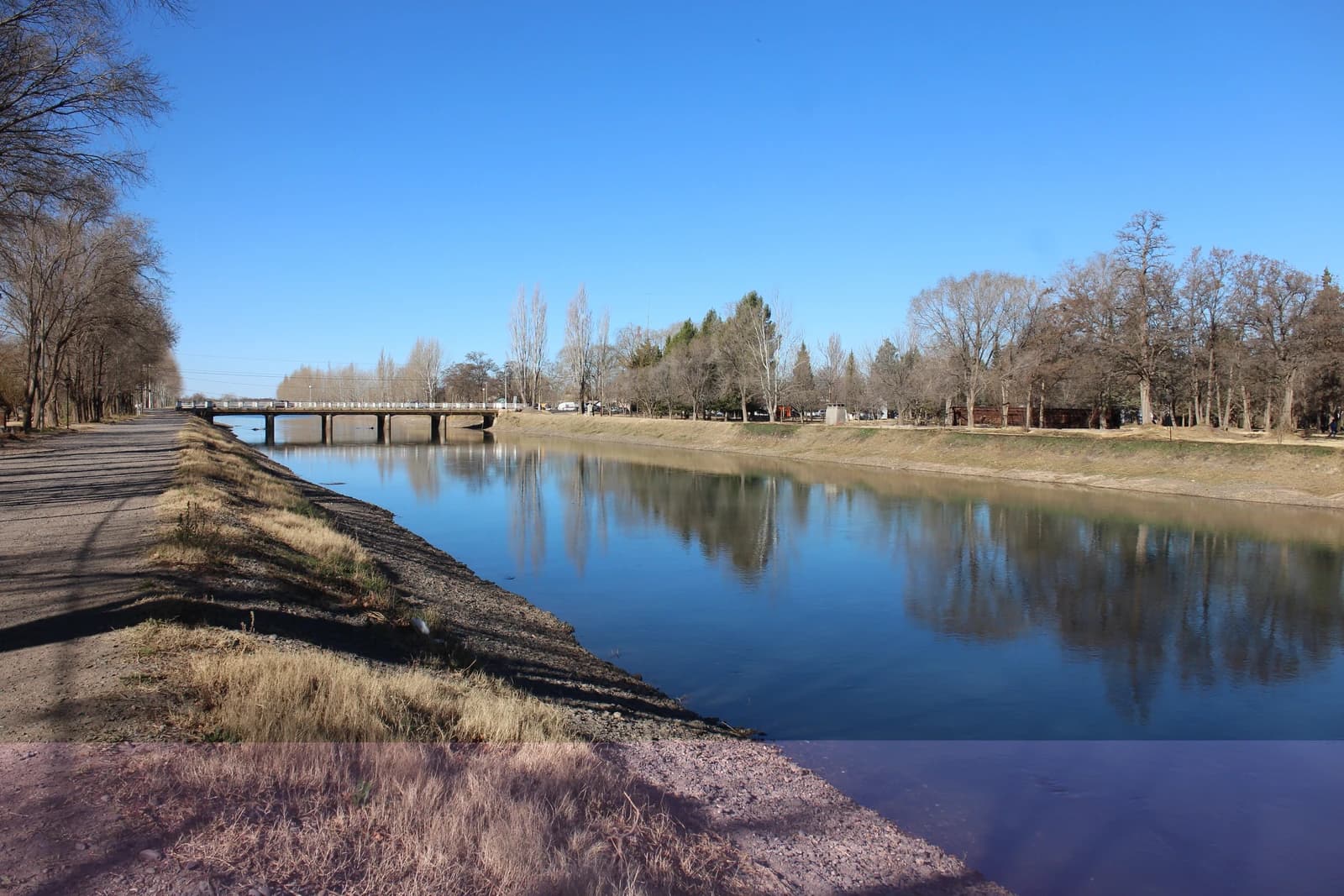
That gap is economically important because it shows how a fast-growing cattle and feedlot industry can outpace local grain supply, turning what should be a domestic value chain into a leakage of cash north of the Colorado River. Provincial officials say Río Negro harvests about 250,000 tons of corn annually, but livestock demand is closer to 353,000 tons, leaving the province dependent on outside suppliers and exposing ranchers to higher logistics costs in a country where inflation and transport expenses already strain margins.
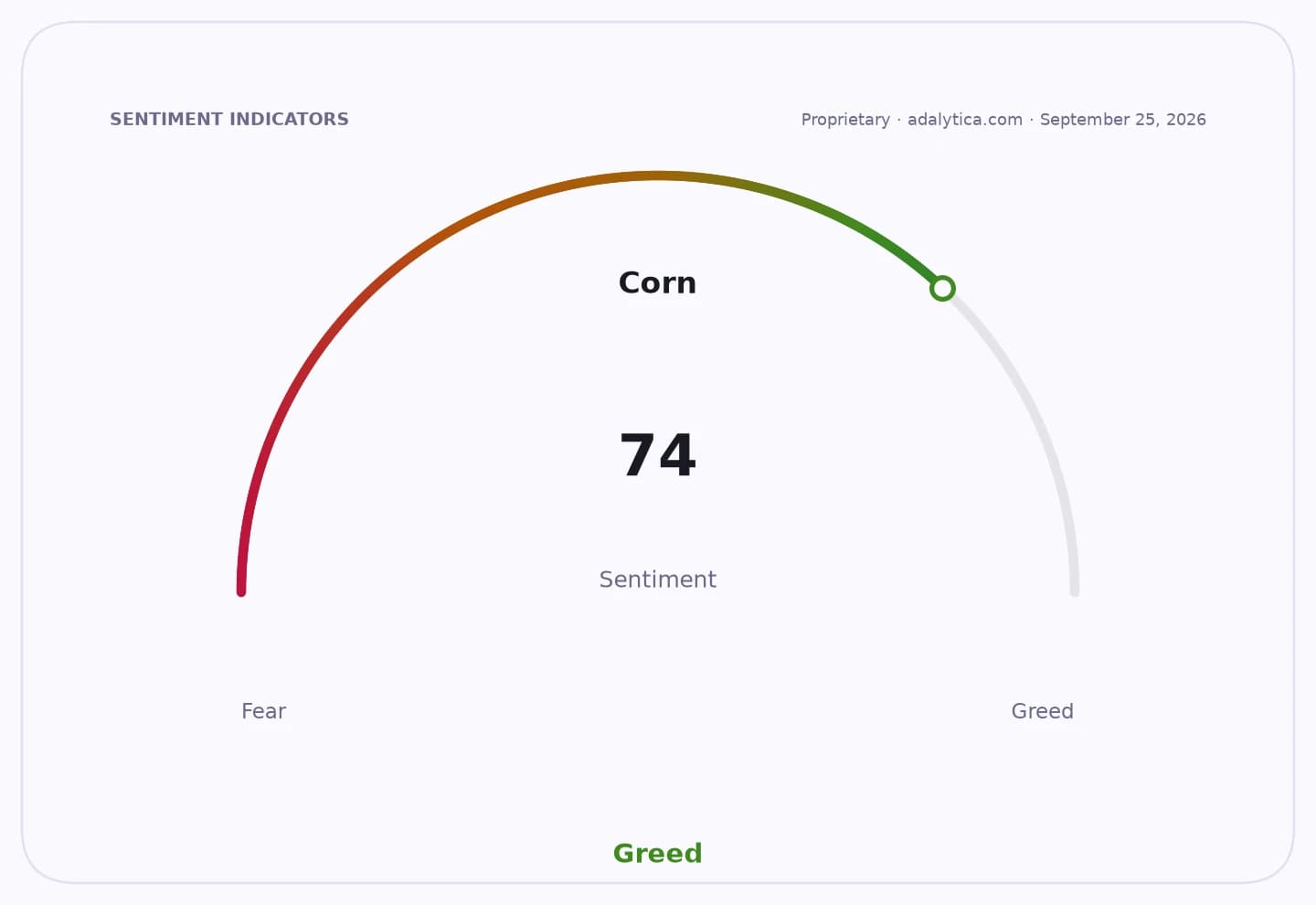
Sentiment IndicatorsⓘProprietary · adalytica.com · September 26, 2026
This is a snapshot — live sentiment, awareness and momentum for 130+ markets update continuously in the dashboard.Open AlphaPulse
The plan presented to rural leaders in General Conesa centers on adding roughly 20,000 hectares under irrigation along the Río Negro’s northern bank, with another 12,000 hectares in an initial phase at Negro Muerto. Officials say the expansion would allow the province to add about 10,000 hectares of dedicated corn and build enough pasture to cover local feed demand, reducing the need to import grain and keeping more working capital inside the regional economy.
The investment case is not just agricultural, but infrastructural. Río Negro is relying on earlier power works under the Plan Castello — more than 145 kilometers of high-voltage lines and the El Solito and General Conesa substations — to support pumping systems for irrigation. The next phase depends on financing from the Inter-American Development Bank for electrification on the north bank, linking General Conesa with Guardia Mitre. In practical terms, the project ties energy, water and farm output into one development model, which is why provincial authorities are presenting it as a structural fix rather than a subsidy or one-off support measure.
For livestock producers, the upside is lower feed costs and more predictable supply. For the province, the prize is value capture: turning corn grown elsewhere into corn grown locally, while supporting a cattle herd that has risen from 400,000 to 700,000 head and now sends roughly 170,000 animals to slaughter a year. That scale matters because feed availability is increasingly the bottleneck for further expansion in the regional beef complex.
Investors should read the initiative as a bet on regional agricultural productivity, not a direct market-moving event for grain prices. But it does matter to suppliers of irrigation, power equipment, agricultural credit and logistics, and it reinforces a broader theme across Argentina’s farm belt: where water and financing are available, producers are looking to replace imported inputs with local production. If the province can convert public infrastructure into private planting decisions, it could alter land values, strengthen cattle margins and support a more integrated farm economy in Patagonia.
The risk is execution. Irrigation schemes require capital, reliable energy, water management and a pace of private adoption that often lags official announcements. But if Río Negro delivers even part of the promised acreage, the province could narrow a costly feed deficit, reduce freight dependence and create one of the more durable agricultural growth stories in southern Argentina.
| Entity | Gains | Losses |
|---|---|---|
| Río Negro province | ▲Local investment and tax base | ▼Feed import dependence |
| Cattle and feedlot operators | ▲Lower feed costs | ▼Outside grain suppliers |
| Corn growers in Río Negro | ▲New irrigated acreage | ▼Transport-linked suppliers north of the river |
| Infrastructure lenders and contractors | ▲Financing and construction work | ▼Status quo logistics firms |