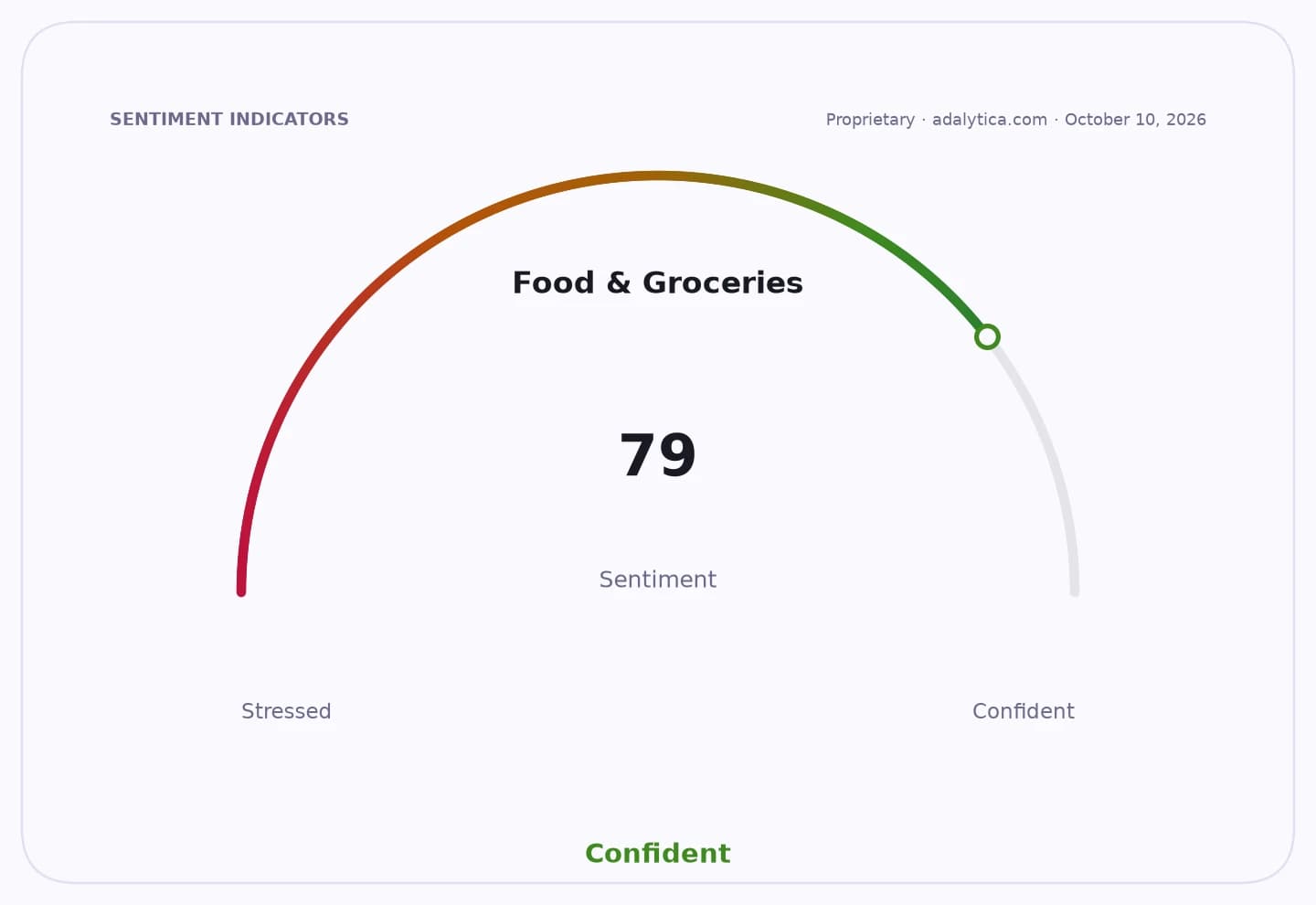
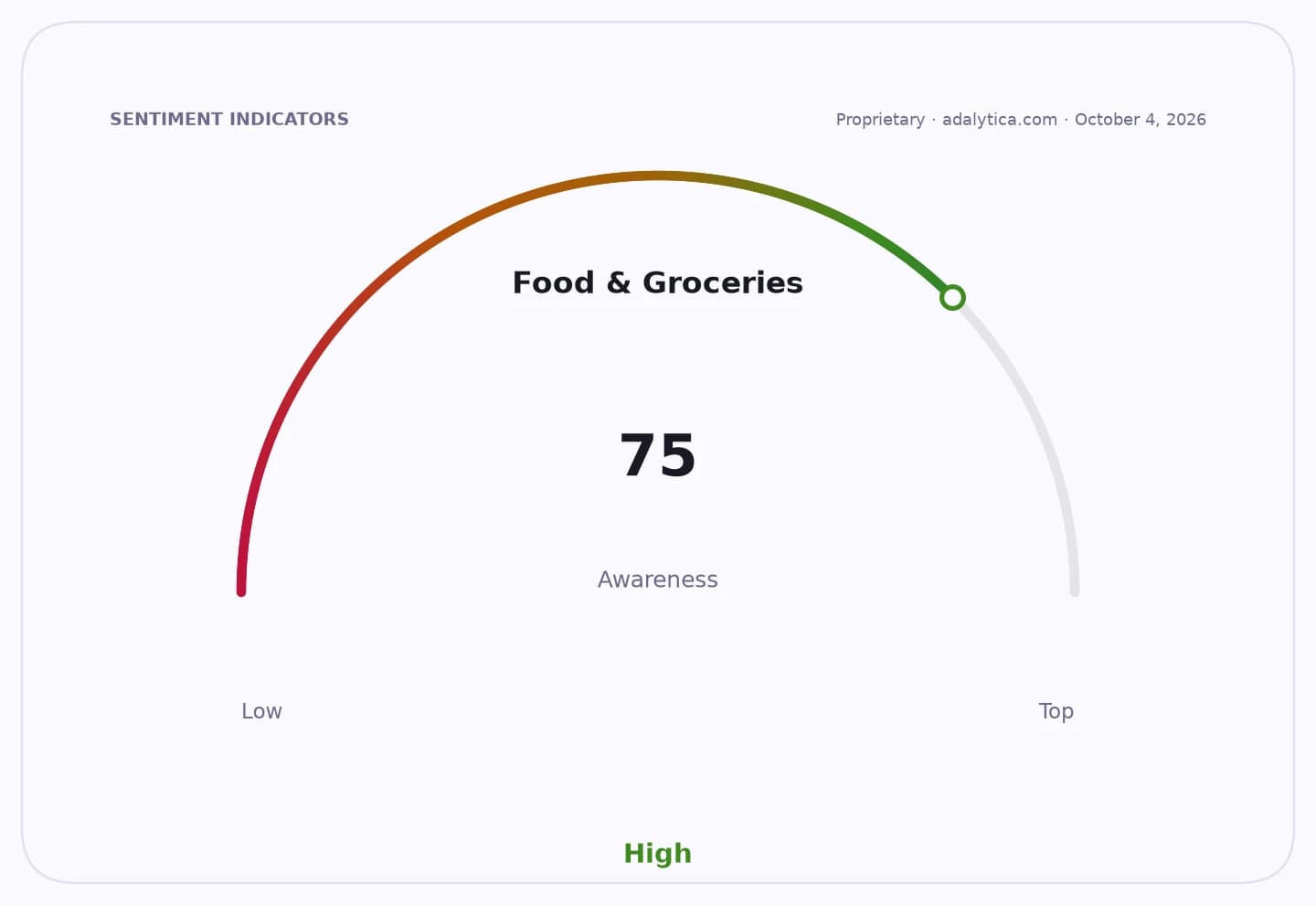
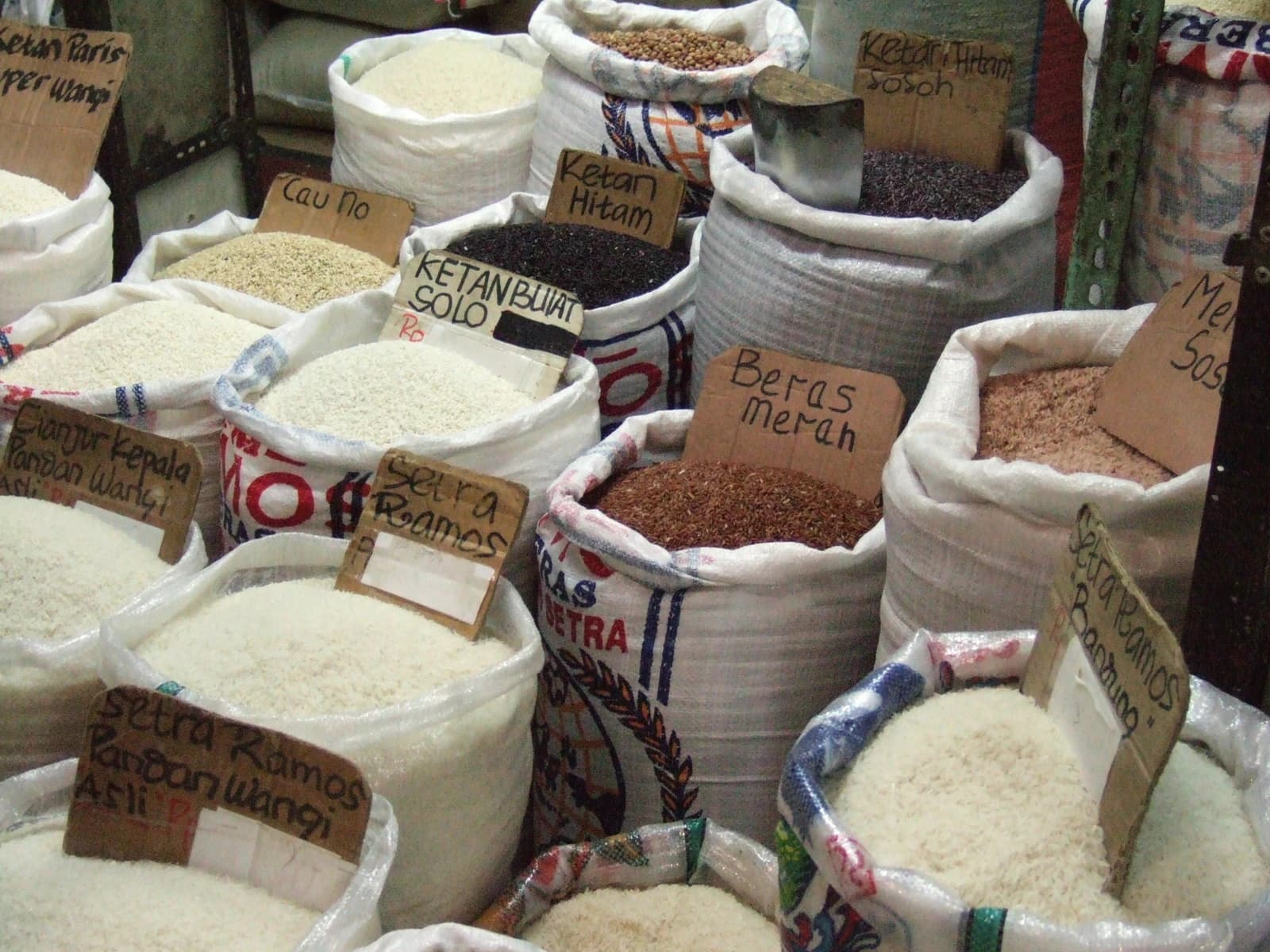
BULOG has stepped up distribution of subsidized feed corn to 76.7% of its 2026 allocation, a move aimed at keeping Indonesia’s national supply ample and feed costs contained for poultry and small livestock farmers.
BULOG Steps Up Subsidized Corn Distribution
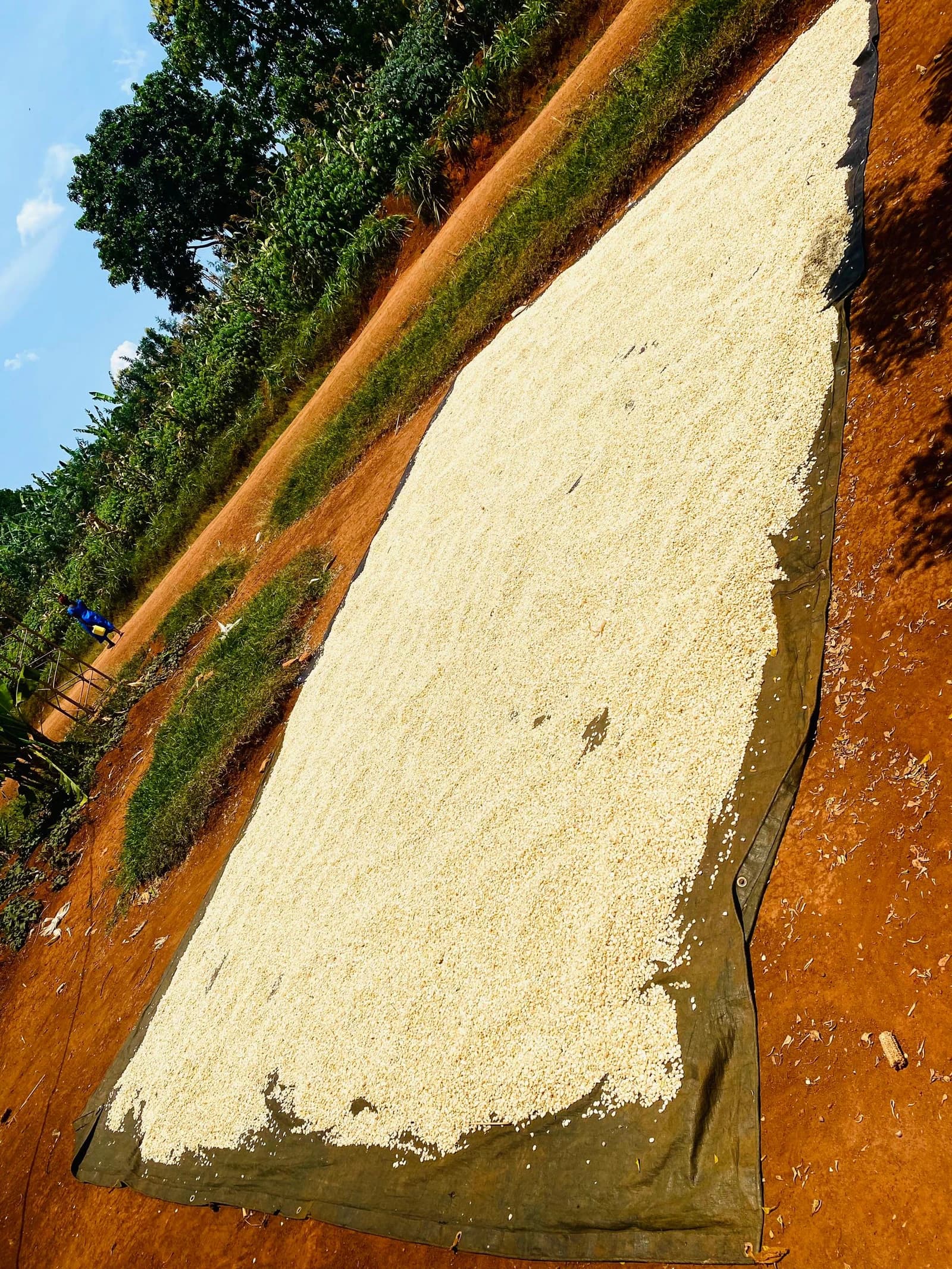
The state logistics agency said as of Oct. 7 it had disbursed 185,699 metric tons from an annual quota of about 241,972 tons under the government’s food price-stabilization program, known as SPHP. For micro farmers, deliveries reached 112,205.78 tons, or 74.71% of a 150,171.75-ton target.
The corn is being sold at 5,000 rupiah per kilogram, a price BULOG says is intended to secure affordable raw material for feed mills and farmers while supporting the broader livestock industry. That matters economically because feed is one of the biggest input costs in animal production, and lower feed prices can help protect margins, keep supply flowing and limit pass-through into meat and egg prices.
BULOG said the acceleration is part of its mandate to absorb domestic farm output and release stocks through the stabilisation program. The agency’s chief executive, Ahmad Rizal Ramdhani, said the group is working across its distribution network to make sure corn is available “in various regions” at the government-set price.
For investors, the key takeaway is that the state is actively suppressing near-term feed inflation risk, which can ease pressure on Indonesian food producers and retailers. That may also temper volatility in agricultural commodities tied to poultry economics, even as it points to continued government involvement in pricing and supply management.
The stock position remains the market’s focal point: the faster BULOG moves corn into the channel, the lower the odds of a regional shortage or sudden feed-cost spike. The next catalyst is whether the agency can maintain this pace through the rest of the year while keeping supplies sufficient as demand from livestock farmers stays firm.
| Entity | Gains | Losses |
|---|---|---|
| Poultry and micro farmers | ▲Lower feed costs | ▼Less exposure to corn shortages |
| Consumers of eggs and meat | ▲Reduced price pressure | ▼Fewer disinflation benefits if supply tightens |
| BULOG / Indonesian government | ▲Stronger food-security control | ▼Higher distribution burden |
| Private feed suppliers / traders | ▲More stable market flows | ▼Less room for price spikes |