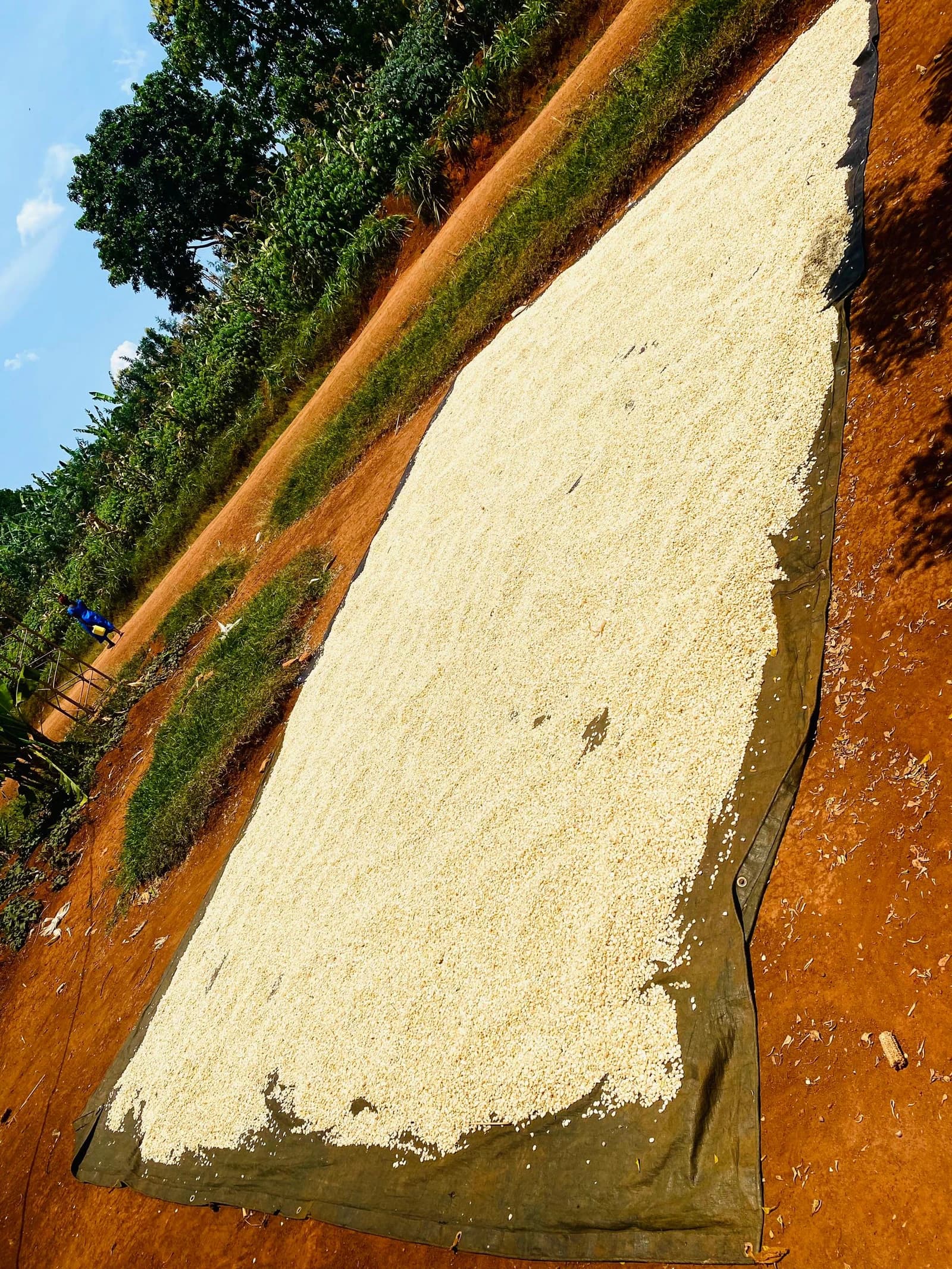
Imported soybean prices are climbing in Indonesia, adding fresh pressure to tofu and tempeh makers who depend on the bean as a core input and have little room to pass on higher costs.
Indonesia Soybean Prices Rise Pressure Tofu Makers
The average national price of imported soybeans has risen to Rp13,733 per kilogram, according to the Trade Ministry’s SP2KP data cited by local reports, underscoring how a relatively small move in a staple commodity can quickly ripple through one of the country’s most price-sensitive food industries.
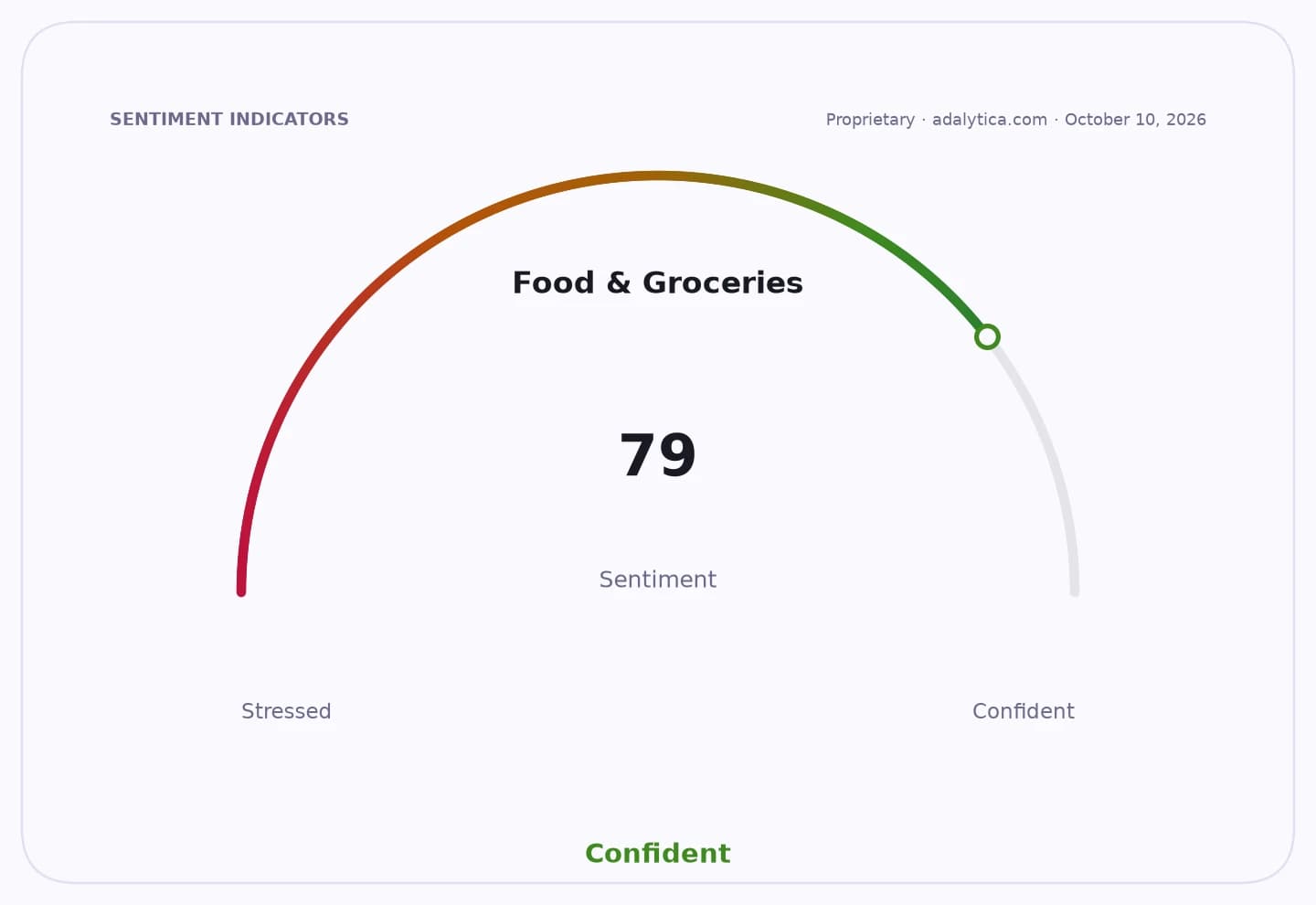
Sentiment IndicatorsⓘProprietary · adalytica.com · October 10, 2026
This is a snapshot — live sentiment, awareness and momentum for 130+ markets update continuously in the dashboard.Open AlphaPulse
For artisans, soybeans are not just another ingredient but the main cost driver in products bought daily by lower- and middle-income households. That makes the current price level economically important well beyond the sector itself: if raw material costs keep rising, producers either absorb the hit to margins, trim output or push up retail prices. Any of those outcomes matters in an economy where tofu and tempeh are cheap protein sources and a key part of the consumer basket.
The pressure also comes at a time when broader agricultural markets remain firm. Soy-related exposure through the SOYB fund has been trading above both its 50-day and 200-day moving averages, while the relative strength index has remained elevated, pointing to a market that has been technically strong rather than oversupplied. Corn, another major feed and food input, has also shown persistent volatility, with its recent pullback coming after a sharp run-up. For importers and food processors, that combination suggests input-cost relief may not arrive quickly.
The macro backdrop adds another layer. The U.S. dollar gauge tracked by Adalytica shows neutral sentiment but high awareness, which matters because a stronger dollar tends to lift the local-currency cost of imported commodities. For Indonesian buyers, that can amplify any global grain rally and leave artisans exposed to both international price moves and exchange-rate pressure.
Bullish argument for producers is limited but not absent: if soybean prices stabilize or the rupiah firms, the cost squeeze could ease. The bear case is that import dependence keeps the sector vulnerable to a renewed advance in global grain prices or a weaker currency, leaving margins compressed and forcing either price increases or lower volumes.
For investors, the story is a reminder that commodity inflation can move from global futures markets into local consumer industries with little delay. The next point to watch is whether the current soybean increase persists long enough to force retail price adjustments, which would affect food inflation, small-business profitability and household spending power.
| Entity | Gains | Losses |
|---|---|---|
| Soybean exporters | ▲Higher selling prices | ▼Buyers facing tighter margins |
| Indonesian tofu/tempeh artisans | ▲Little to none | ▼Higher input costs |
| Consumers | ▲None if prices rise | ▼Cheaper protein options |
| Commodity traders | ▲Price volatility opportunities | ▼Short sellers if rally extends |