Soybean prices in Ukraine are sitting at 15,500-17,000 hryvnia a ton at the farmgate and processor level, while world futures are under pressure from expectations of a much larger harvest in the U.S. and South America, weaker Chinese buying and softer U.S. crushing demand.
Soybean Prices Fall on Bigger Crop Outlook
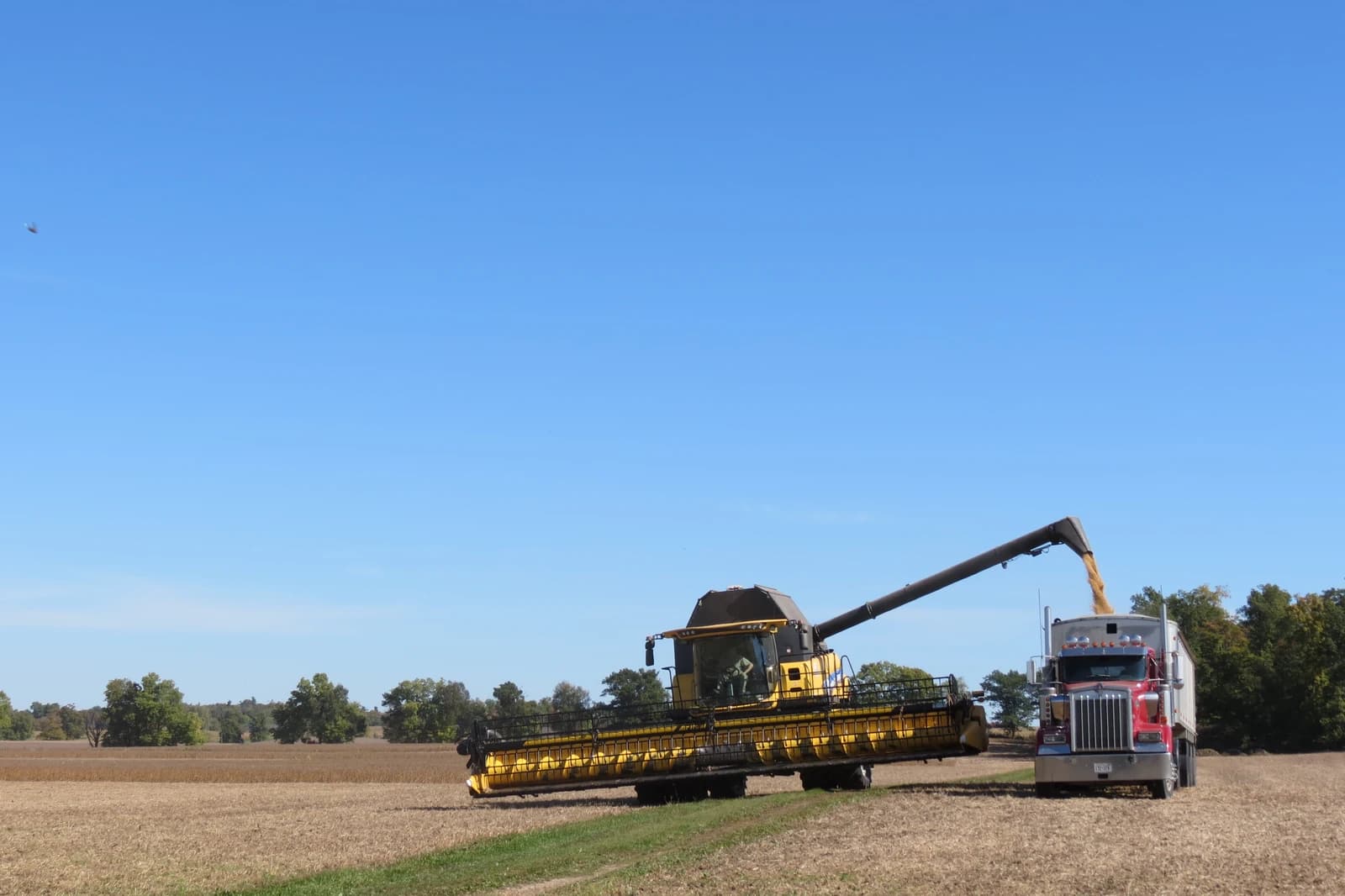
That spread matters because Ukraine is entering the peak of its harvest and export season just as Chicago soybean futures retreat, squeezing growers’ bargaining power and shaping margins for local processors and exporters. For investors in agriculture, grain handling and oilseed processing, the message is that global supply is abundant enough to cap prices even as regional demand patterns keep export channels open.
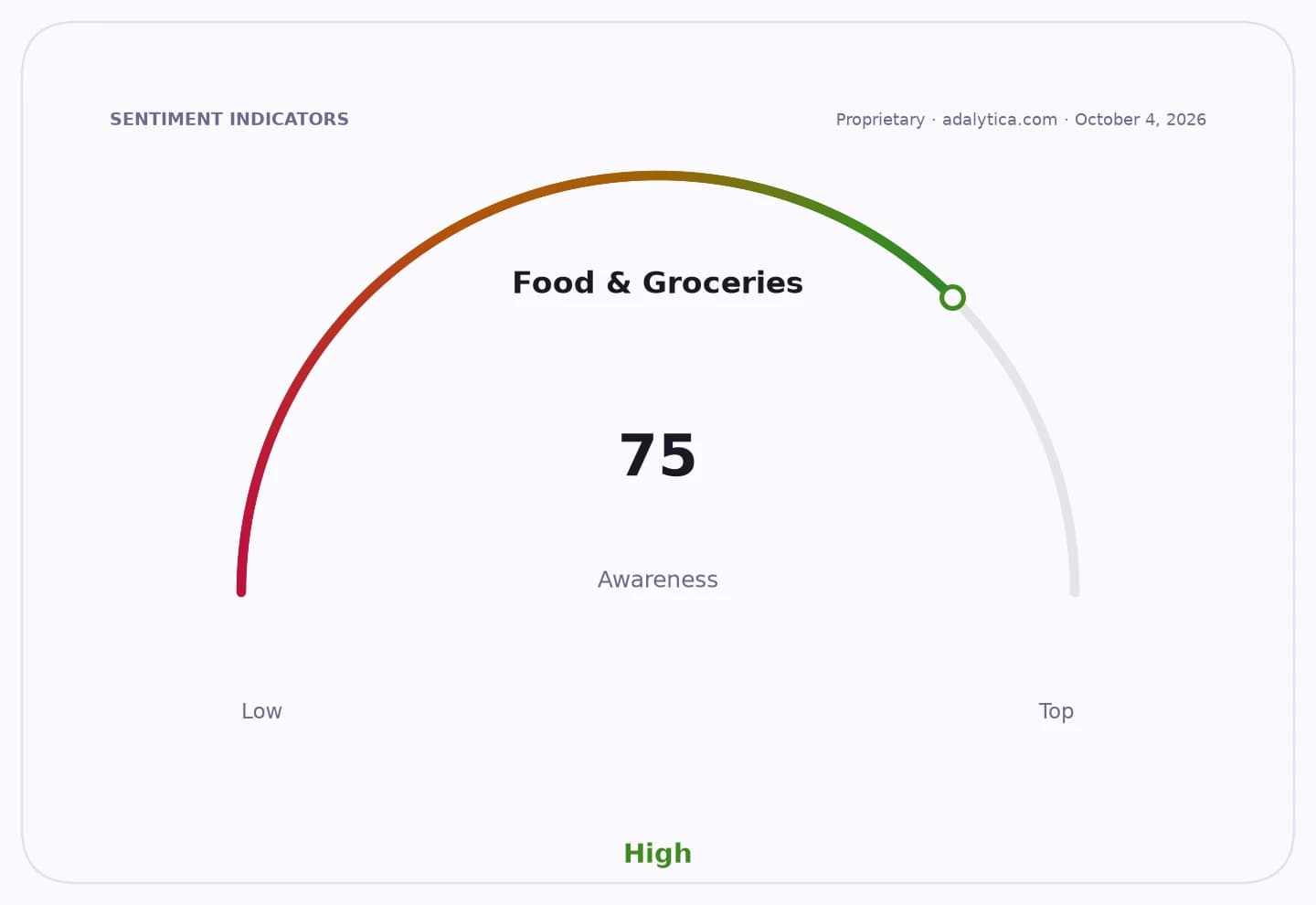
Sentiment IndicatorsⓘProprietary · adalytica.com · October 7, 2026
This is a snapshot — live sentiment, awareness and momentum for 130+ markets update continuously in the dashboard.Open AlphaPulse
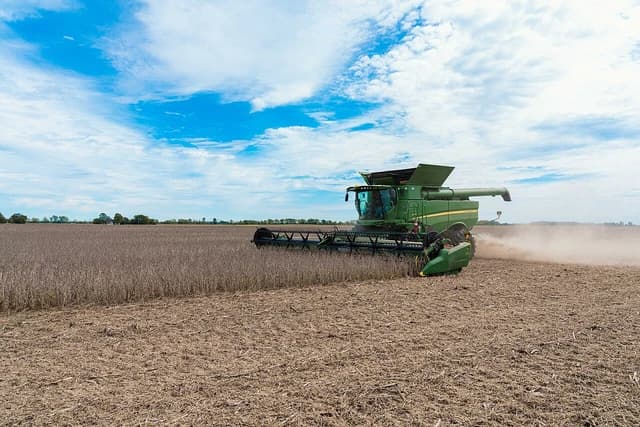
On the world market, November soybean futures have fallen 2.6% over the past week to $471.8 a ton and are down 2% for the month, though they remain 20% higher year on year. StoneX lifted its U.S. crop estimate to 126.5 million tons from USDA’s August view of 123.4 million tons, while Brazil’s 2026/27 crop is projected at 183.36 million tons versus 180.5 million tons a year earlier as rains support planting.
The bearish tone is being reinforced by China’s muted appetite for U.S. beans and by signs of slower domestic processing in America. U.S. processors crushed 5.7 million tons in August, down 5.5% from July and below market expectations, adding to concerns that supply is outrunning near-term demand.
Ukraine is still moving product. Farmers had harvested 1.215 million tons from 571,000 hectares by the end of September, about 36% of the projected area, with average yields of 2.13 tons per hectare. September exports rose 24.3% from August to 36,200 tons, and more of that trade is shifting toward the European Union.
Domestic pricing reflects those pressures. As of Oct. 6, soybeans fetched 16,650 hryvnia a ton at EXW elevator, 17,000 hryvnia at CPT processor and 15,500 hryvnia under FCA terms, with the benchmark losing 165 hryvnia in a day. Export references were quoted at $450 a ton DAF and $490 a ton CIF, underscoring how foreign buyers still anchor Ukrainian trade even as the global market softens.
For investors, the setup favors buyers and crushers over growers if global supply keeps expanding, but it also leaves room for volatility if Chinese demand improves or South American weather shifts. The next catalyst is likely to come from harvest progress in Ukraine and the U.S. crop and trade data that will test whether the current price slide deepens or stabilizes.
| Entity | Gains | Losses |
|---|---|---|
| Ukrainian crushers | ▲Cheaper bean input costs | ▼Farmers’ margins |
| Importers / EU buyers | ▲Lower procurement prices | ▼Sellers’ pricing power |
| U.S. and Brazilian growers | ▲Higher global output volume | ▼Soybean prices |
| Soybean ETF holders / longs | ▲Potential upside from year-on-year gains | ▼Near-term price momentum |