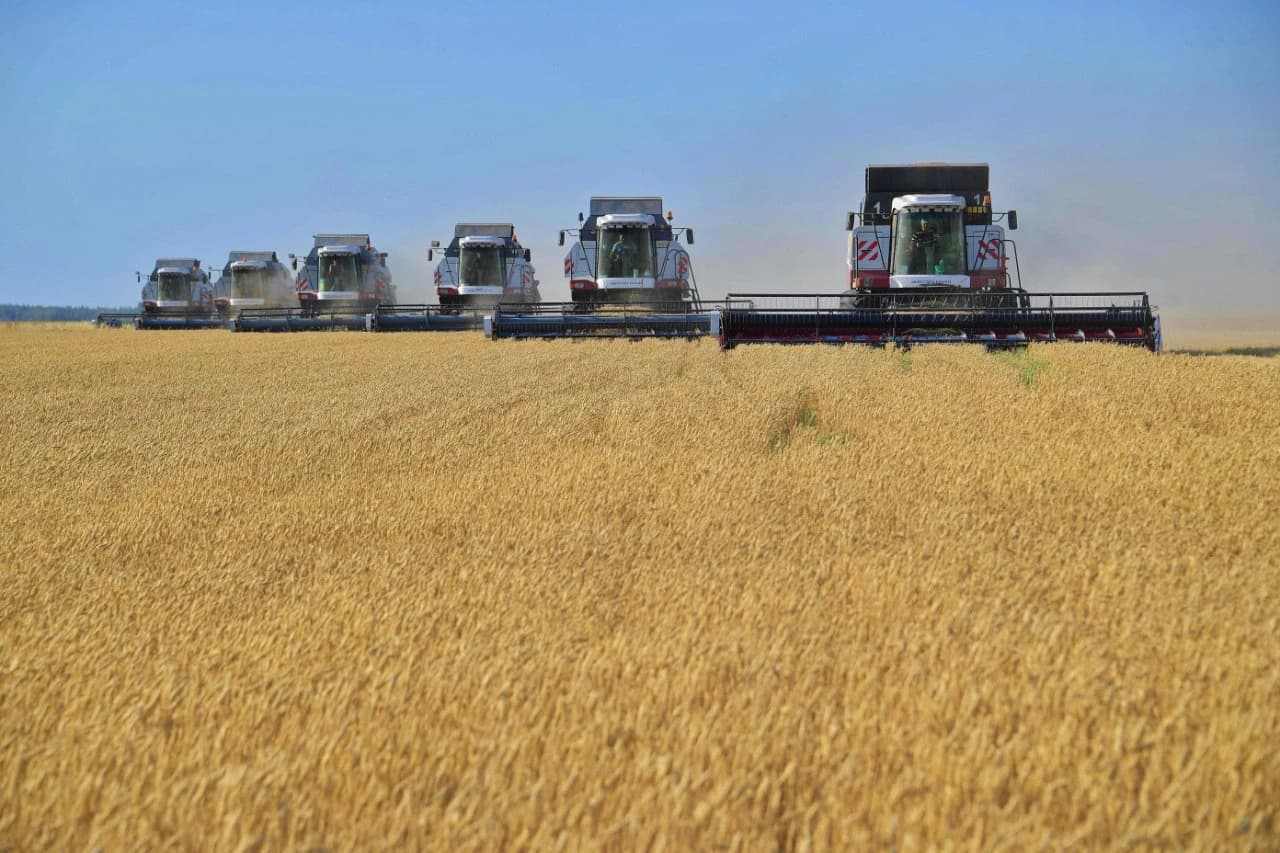
Belarus has threshed 9.533 million tons of grain, including rapeseed and corn, a harvest that points to ample domestic supply and steadier feedstock availability for the country’s livestock and food industries.
Belarus reports 9.533 million tons of grain harvested
The scale of the crop matters economically because it helps cushion Belarus against food inflation, supports exportable surplus in a year when grain markets remain sensitive to weather and policy shocks, and reinforces farm incomes after a prolonged period of high input costs. For a country that leans heavily on agriculture as a hard-currency earner and as a pillar of rural employment, the size and pace of the harvest also shape near-term state purchasing, storage demand and transport flows.
Ministry data cited by state news agency BelTA showed the harvest includes rapeseed and corn and was gathered across Belarus’s farm organizations and private holdings. Minsk region led with 2.517 million tons, followed by Grodno with 1.88 million tons and Brest with 1.761 million tons. The government also said 1.489 million hectares had been ploughed for winter grain sowing, or 99% of plan, while winter grains for grain had been planted on 1.331 million hectares, or 89% of target.
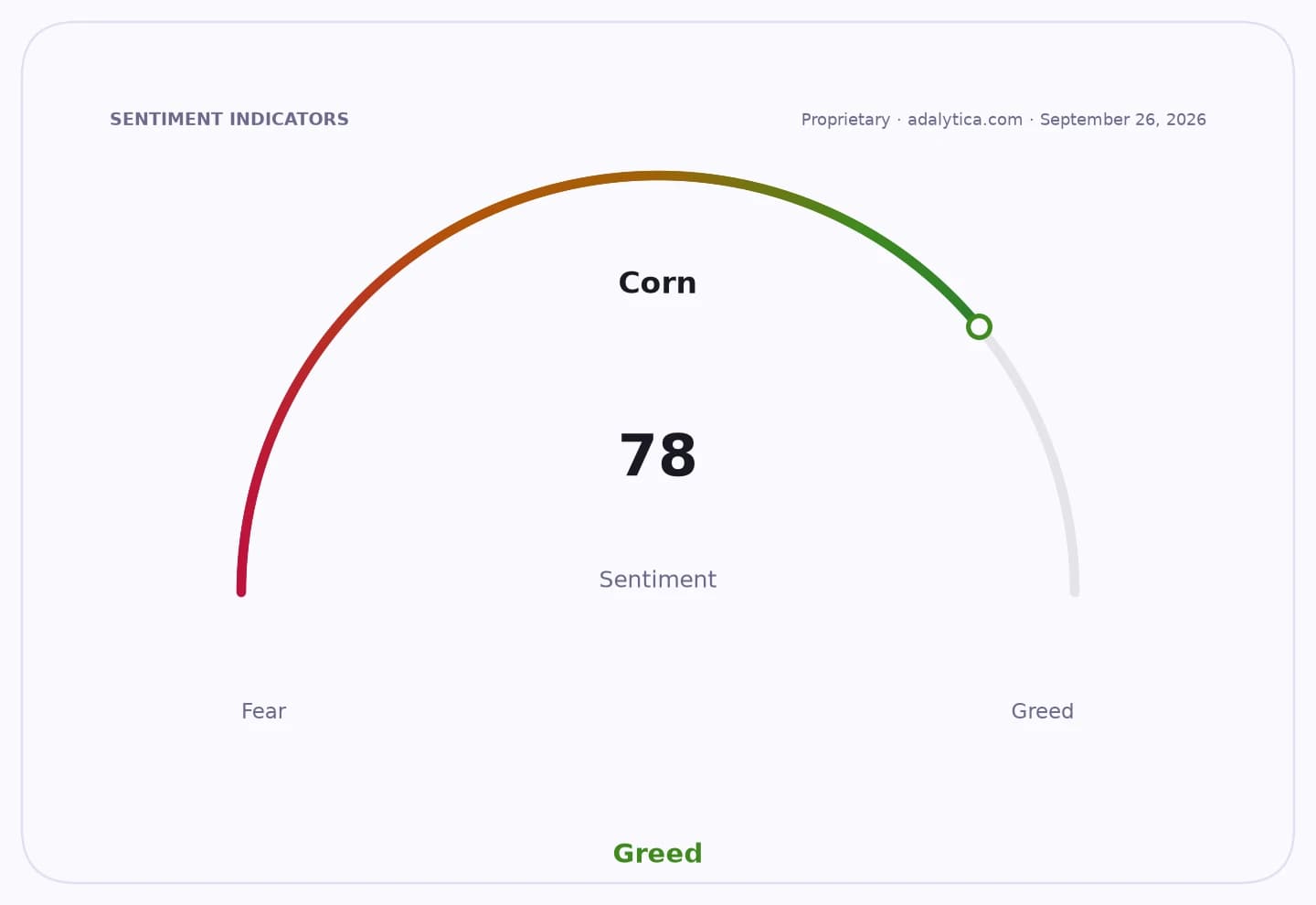
That points to a crop cycle that is well advanced rather than under stress. For investors, the main implication is not a tradable shock in global grain benchmarks, but a reinforcement of supply in a market already watching for signs of plentiful northern hemisphere output. Corn futures on the Chicago Board of Trade have been volatile, with recent technical readings showing the contract has pulled back from overbought levels even as it remains above its 200-day moving average. Soybean-linked prices have also stayed firm by historical standards, suggesting the market is still sensitive to any confirmation of strong harvests and to the timing of exports.
The Belarus data also matter because corn and rapeseed are not just grains; they are inputs into feed, vegetable oil and broader agri-processing. A large crop can ease pressure on domestic processors and feed mills, while also improving the government’s ability to meet contractual deliveries into regional markets. That said, the benefit to farmers is not automatic. Larger output can be offset by weaker local prices, storage bottlenecks or state procurement terms that fail to keep pace with costs, a dynamic echoed in other grain-producing regions where growers have complained about thin margins.
Belarus still has work to do on autumn field operations. Officials said winter grain sowing is close to complete, but the country has also reported only partial completion of sugar beet and silage harvesting, leaving execution risk if wet weather interrupts finishing work. The bigger economic question is whether the final yield can be moved efficiently into storage and sale, or whether the surplus becomes a logistics test for a state-run agricultural system already stretched by input, financing and export constraints.
For markets, the harvest is another reminder that grain supply remains uneven by geography even when global balance sheets look comfortable. For Belarus, it is a positive sign for food security and agricultural output. For investors in grain-linked assets, it reinforces the view that prices will be driven less by Belarus alone than by the broader interplay of U.S. export demand, South American weather and Black Sea trade flows.
| Entity | Gains | Losses |
|---|---|---|
| Belarus farmers | ▲Larger output | ▼Price pressure if supply outpaces demand |
| Belarus processors/feed mills | ▲Better raw material supply | ▼Limited if logistics bottlenecks persist |
| Grain buyers/importers | ▲More available supply | ▼Less upside from scarcity |
| Corn and soybean bulls | ▲— | ▼Confirmation of ample global supply |