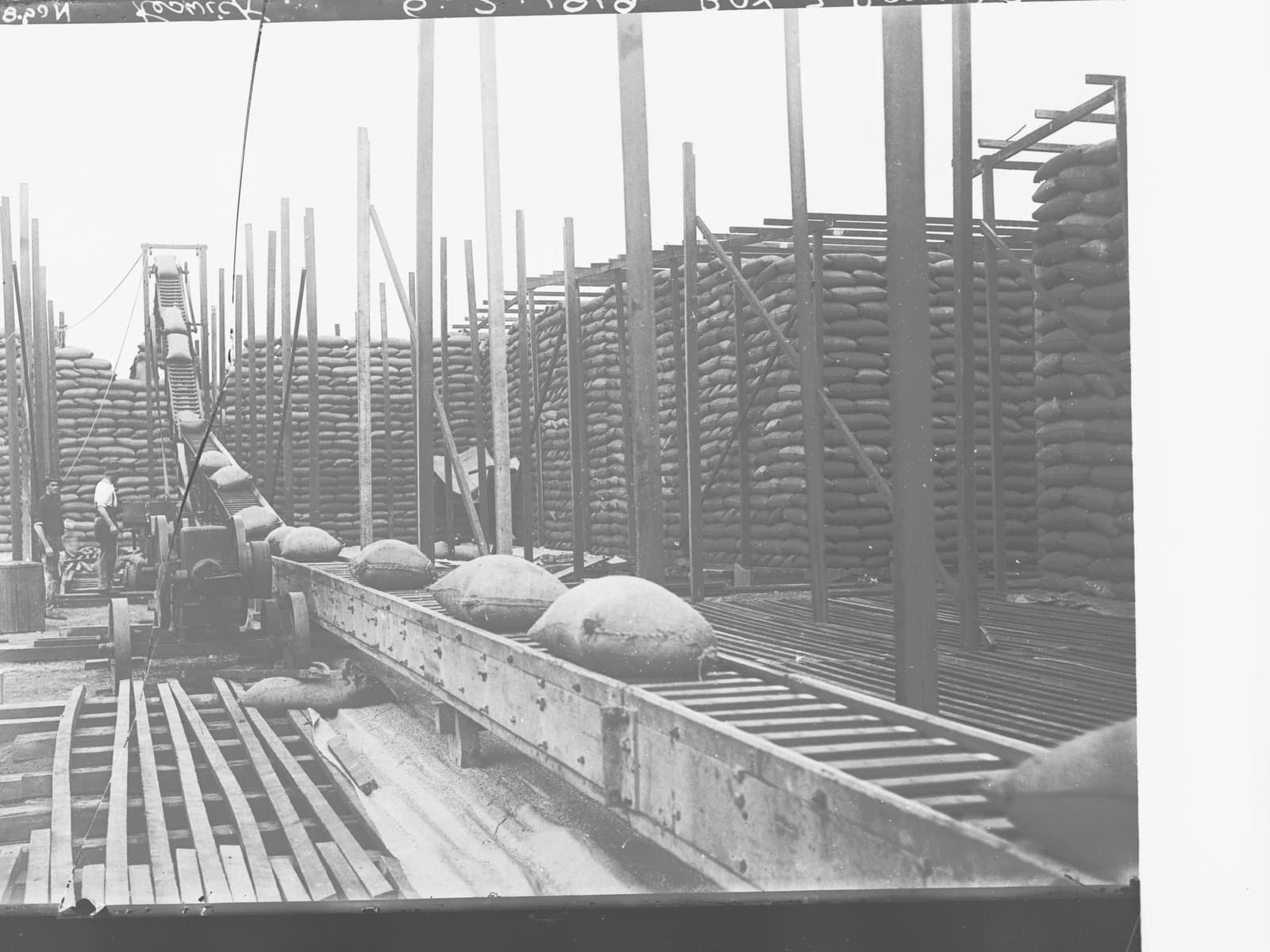
Russia’s wheat crop in 2026 is shaping up to be roughly in line with last year’s, a sign that one of the world’s most important grain suppliers is likely to keep export flows intact even as global food markets stay tight.
Russia wheat crop seen near last year’s level
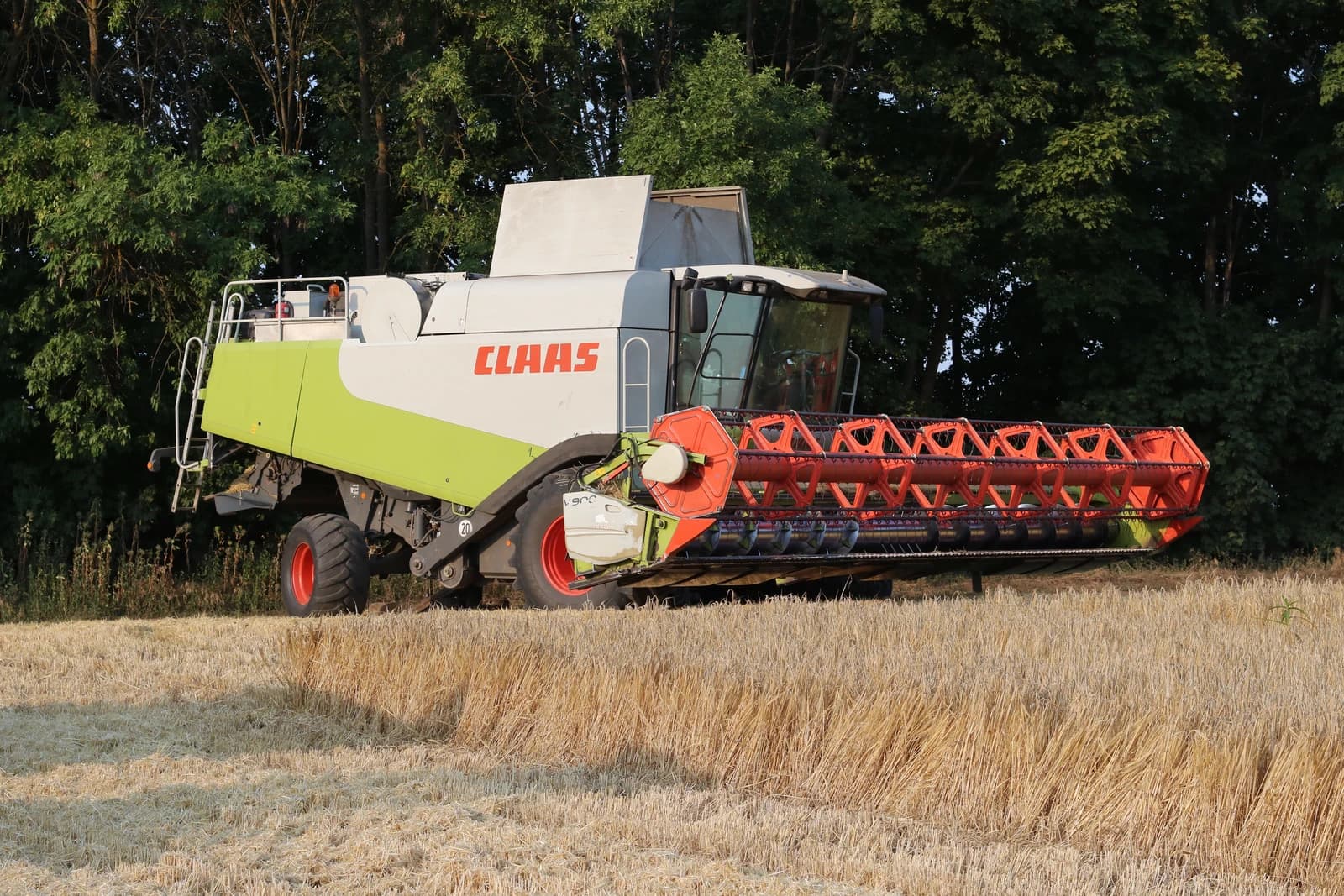
Agriculture Minister Oksana Lut said almost all of the harvest has been collected and that only a small amount remains, adding that the final volume “should be at the level of last year.” Deputy Prime Minister Dmitry Patrushev had previously put Russia’s total grain crop at 140 million tons, underscoring that the country still expects to remain a dominant force in the global wheat trade.
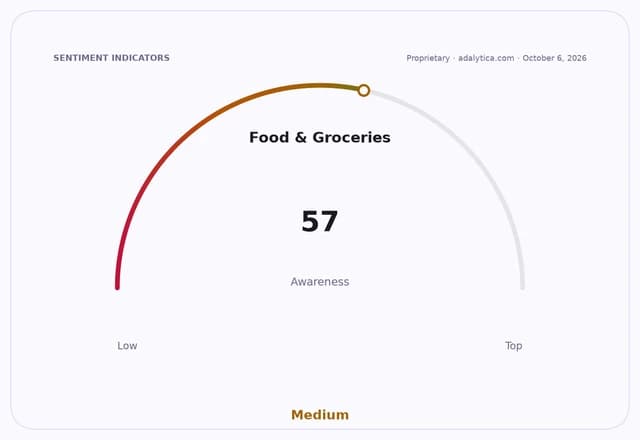
Sentiment IndicatorsⓘProprietary · adalytica.com · October 6, 2026
This is a snapshot — live sentiment, awareness and momentum for 130+ markets update continuously in the dashboard.Open AlphaPulse
That matters because Russia is not just another farm producer — it is the marginal supplier that helps set the tone for world wheat prices, freight demand and food inflation expectations from the Middle East to North Africa and Asia. When Russian output holds up, it usually lowers the odds of a supply shock and gives import-dependent countries more confidence to secure coverage without panic bidding. That is why even a plain-language harvest update can ripple through grain futures, millers, food manufacturers and sovereign buyers.
For investors, the message is equally direct: stable Russian supply is bearish for wheat price spikes, but it is not automatically bearish for the entire agriculture complex. A steady harvest tends to cap upside in wheat-linked ETFs such as WEAT and may restrain gains in broader grain exposure, while also keeping pressure on exporters elsewhere that are competing for market share. At the same time, it supports the case for selective exposure to agribusiness logistics, storage and input providers that benefit from high trade volumes even when prices cool.
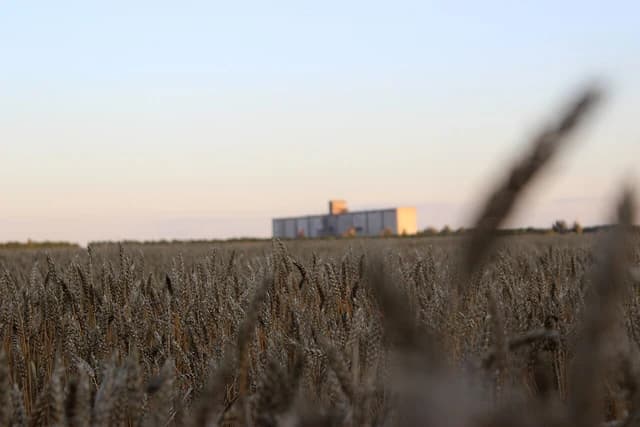
The broader narrative is one of resilience in a market that has repeatedly priced in supply disruption. With Russia saying it will meet all of its grain export obligations, traders are likely to focus next on the quality of the crop, the pace of shipments out of Black Sea ports and any policy moves around export taxes or quotas. If the final numbers stay near last year’s level, the immediate upside in wheat prices could remain limited — but the strategic importance of Russian supply will keep this market highly sensitive to weather, geopolitics and any sign of a policy shift.
| Entity | Gains | Losses |
|---|---|---|
| Russia grain exporters | ▲Stable export volumes | ▼Less pricing power |
| Global wheat importers | ▲Better supply security | ▼Smaller shortage premium |
| Wheat bulls | ▲Limited upside | ▼Breakout thesis weakened |
| Food inflation hedge buyers | ▲Fewer shock spikes | ▼Crisis hedge less effective |