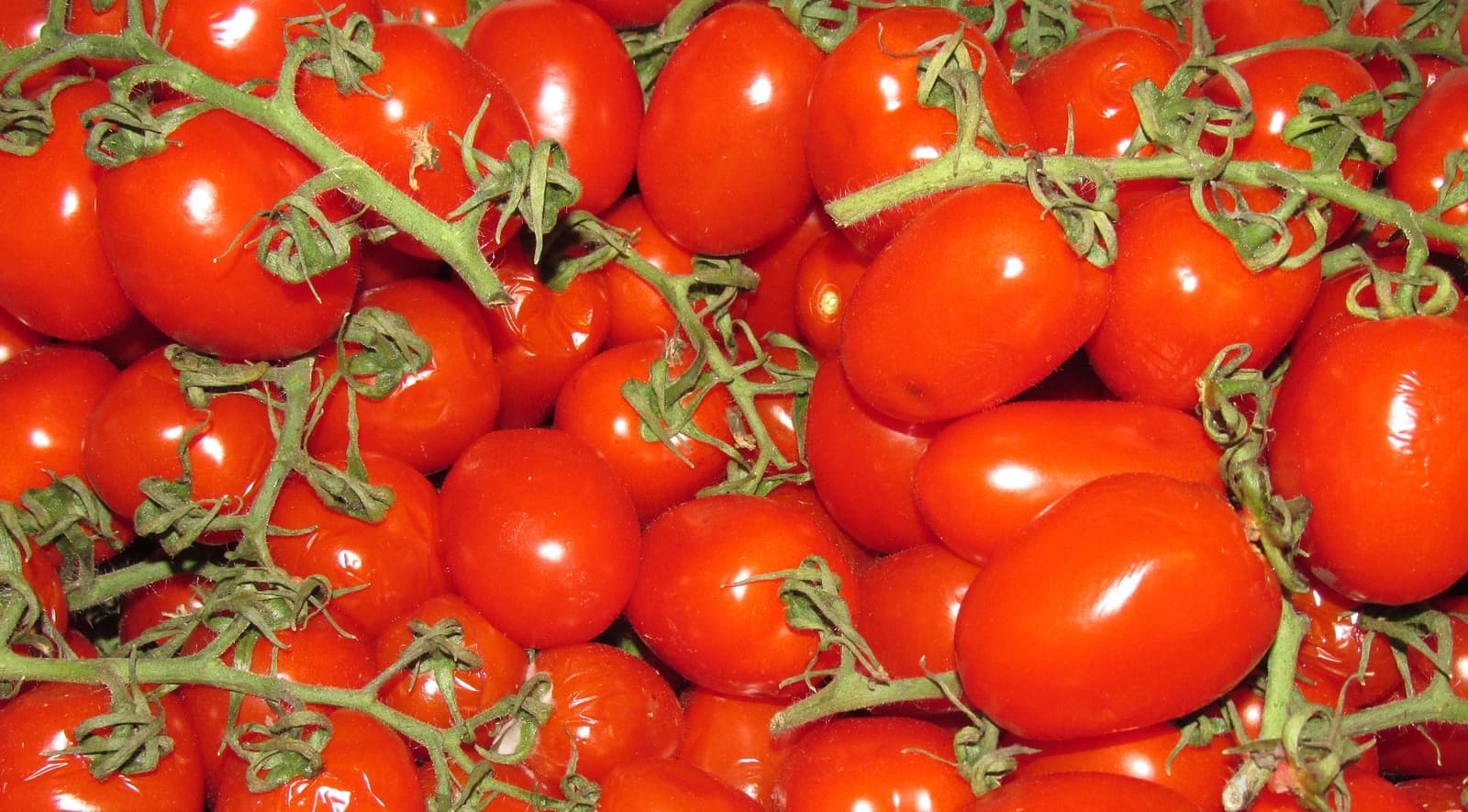
Imported vegetables in Russia may get more expensive again as domestic growers push for a minimum import price, seasonal tariffs and tighter quotas to shield тепличные farms from cheaper foreign competition.
Russia considers vegetable import quotas and price floor
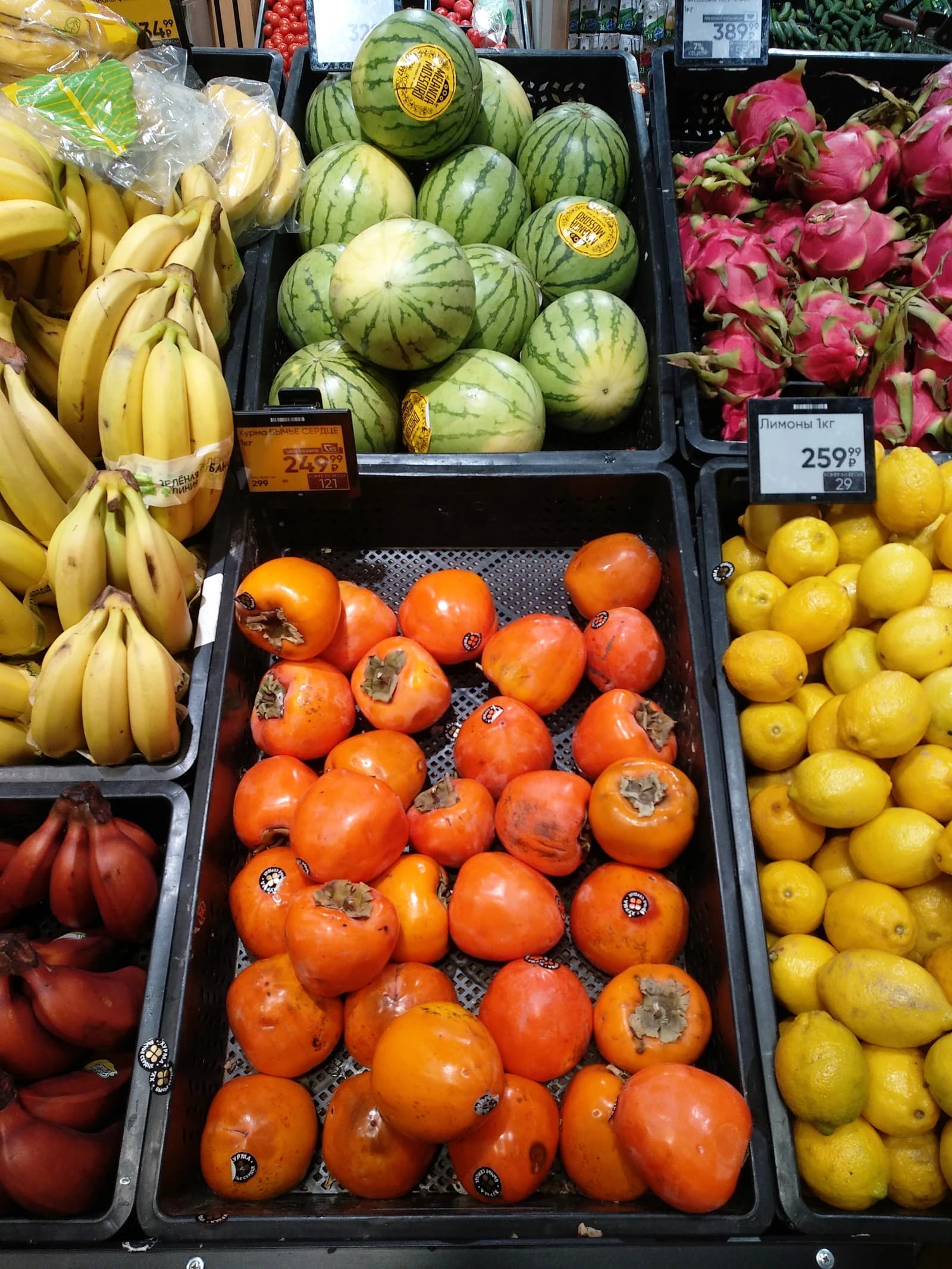
The proposal matters because it would raise a direct inflation pressure point for Russian households at a time when food costs remain politically sensitive and domestic producers are still struggling to match imported prices. If authorities adopt even part of the plan, the market would shift from a relatively open flow of lower-cost produce to a more managed system that protects local greenhouse operators but transfers costs to retailers and consumers.
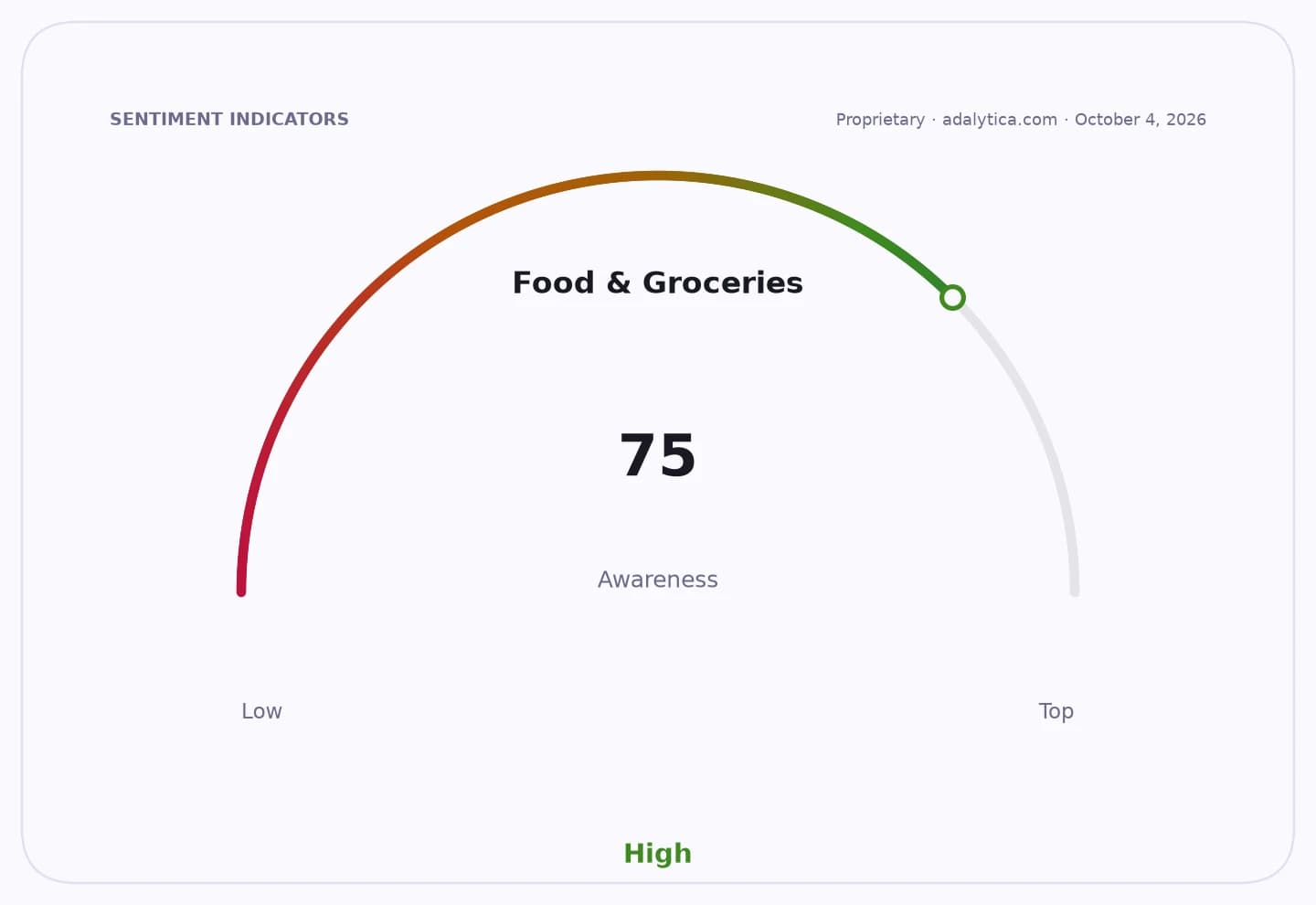
Sentiment IndicatorsⓘProprietary · adalytica.com · October 4, 2026
This is a snapshot — live sentiment, awareness and momentum for 130+ markets update continuously in the dashboard.Open AlphaPulse
The Russian Vegetables and Fruits Union has suggested setting a tariff quota at about 300,000 tons a year, with shipments above that level facing higher duties, alongside a minimum import price of about 200 rubles per kilogram. It also wants seasonal tariffs during periods when Russian greenhouse farms are most exposed to foreign competition. That would effectively create a price floor for imported tomatoes, cucumbers and other vegetables, reducing the margin advantage of suppliers from abroad.
The economic logic is straightforward: Russian growers say imported tomatoes can be as much as 2.5 times cheaper than domestic produce in some spring months, even though local production costs are often higher than the price importers charge. In a market where consumers are highly price-sensitive, that gap has already made foreign vegetables a powerful competitive force. Minimum prices would narrow or eliminate that gap, but at the expense of higher shelf prices and potentially lower choice.
The stakes are bigger than one seasonal dispute. Russia says it is 97% self-sufficient in cucumbers and 89% in tomatoes overall, but that figure drops in winter, when dependence on heated and lit greenhouses rises. Tomato self-sufficiency falls to about 61% in the colder months, underscoring why domestic producers are pressing for protection. In other words, the fight is not just about imports — it is about who captures the winter and shoulder-season market, when the domestic supply chain is weakest.
Investors should read this as a classic policy-driven pricing event. For Russian greenhouse operators, any move toward quotas, seasonal duties or a minimum import price would improve pricing power and support margins. For importers, retailers and consumers, it means higher costs and less flexibility in sourcing. The broader food basket impact could also feed into inflation readings, which matter for the central bank and for the ruble outlook.
The industry’s own scale shows why this debate is becoming more intense. Russian greenhouse farms produced 681,000 tons of tomatoes and 879,000 tons of cucumbers in 2025, with total investment in the sector said to have reached 900 billion rubles. That capital base is large enough to make protectionism politically tempting, especially if policymakers want to defend rural investment and food security.
The trade-off is clear: Moscow can cushion domestic producers from cheap imports, but it will likely pay for that with higher vegetable prices and a more distorted market. For investors, the opportunity is to look for beneficiaries of import substitution and local agricultural infrastructure while treating food retailers and import-dependent distributors as the likely losers. The next catalyst will be whether the government turns this proposal into policy — and if it does, vegetable inflation in Russia could reaccelerate quickly.
| Entity | Gains | Losses |
|---|---|---|
| Russian greenhouse growers | ▲Higher prices, better margins | ▼None |
| Foreign vegetable importers | ▲None | ▼Quotas, duties, price floor |
| Russian consumers | ▲None | ▼Higher grocery bills |
| Food retailers | ▲Limited | ▼Higher procurement costs |